Reliable Digital Load Sensors for Various Industries

application/digital-load-sensor, application/digital-load-sensor, 
Inquiry
Inquiry

digital load sensor

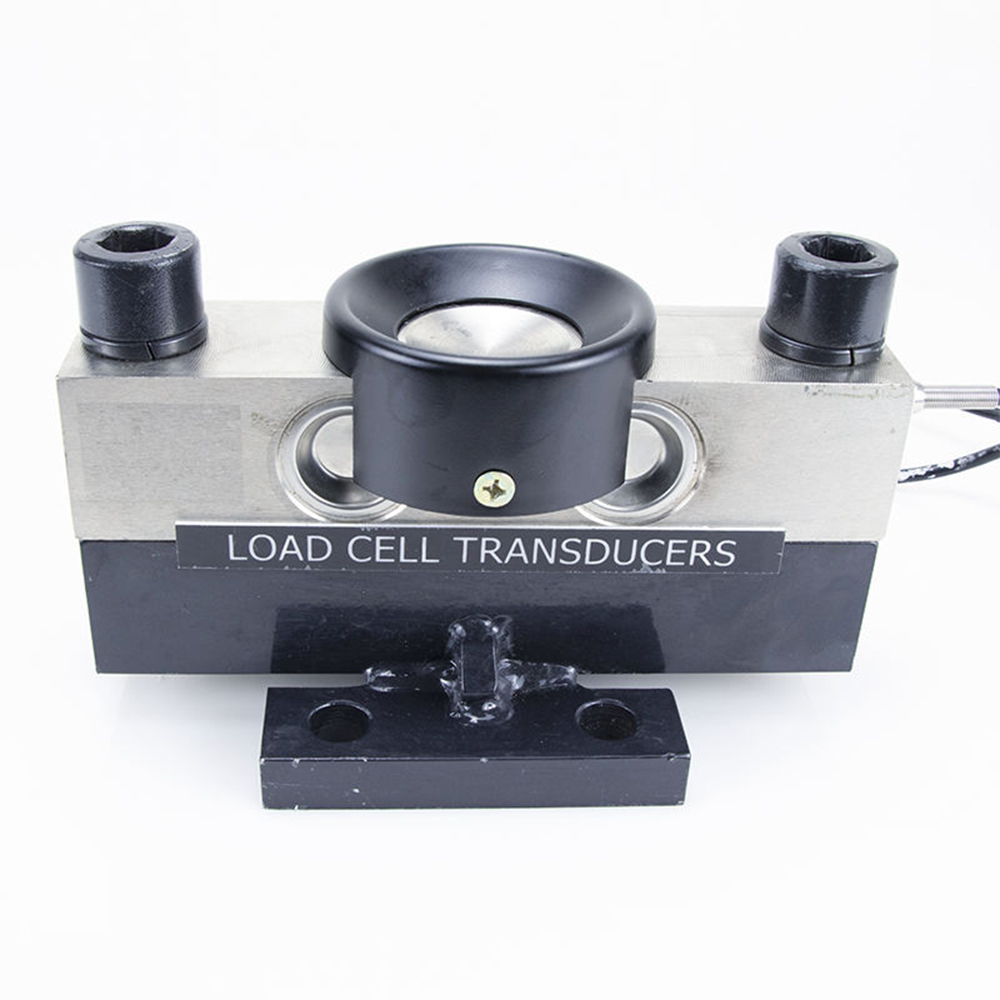
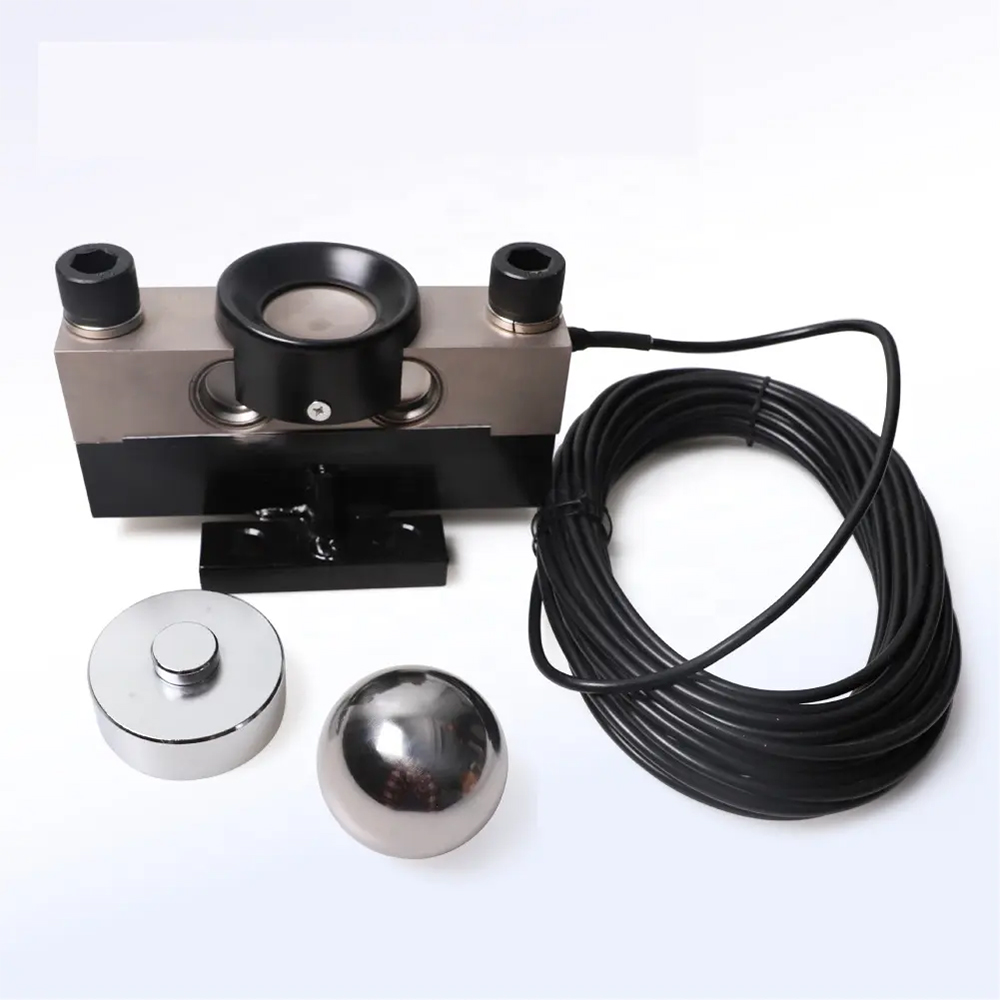
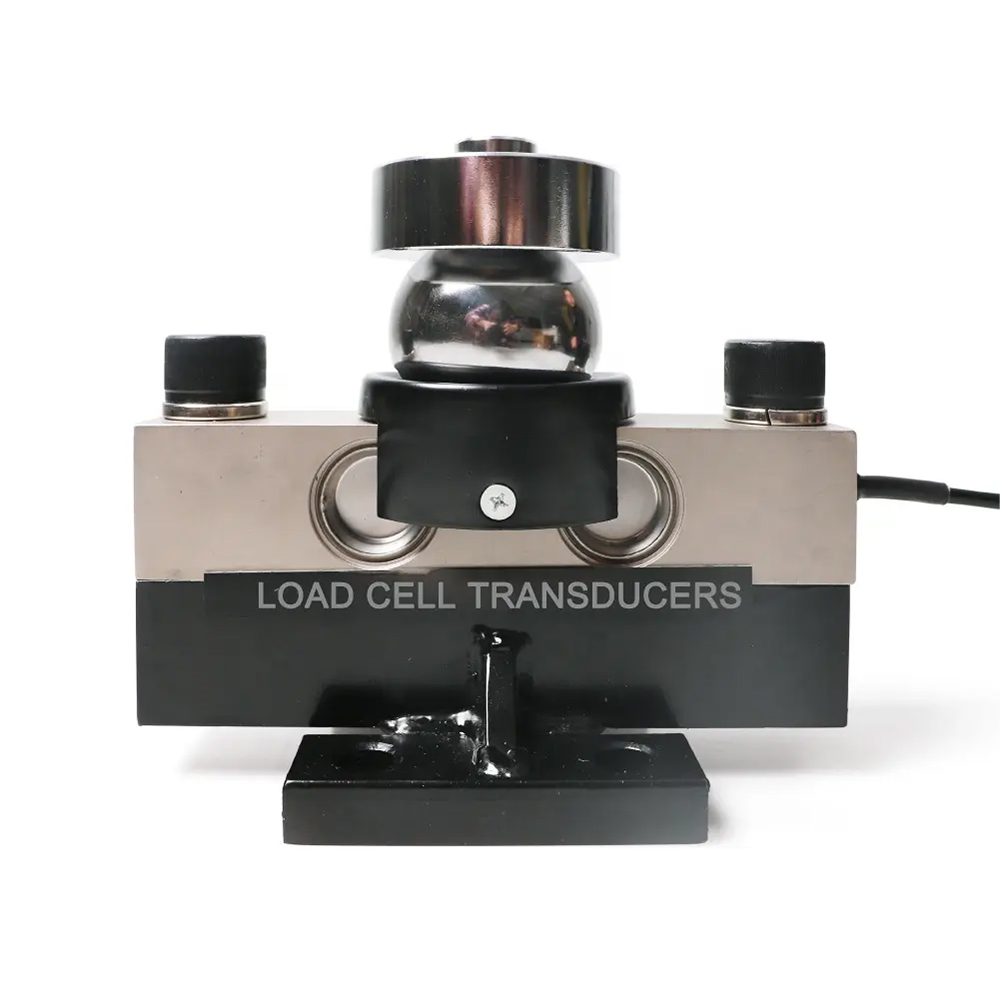
Digital load  sensors are sophisticated devices designed to  measure force or weight  with precision. They are essential in various  applications,  particularly in industries like manufacturing,  logistics, and automation, where accurate  load  measurement  is critical. As a purchasing manager or engineer, your key concerns may revolve around  quality, reliability,  and  compatibility with  existing  systems. This article aims  to provide insights into sourcing, quality control, common issues, cost  factors, and the diverse applications  of digital  load sensors, equipping  you with  the knowledge needed for informed purchasing decisions.

Quality Control Measures for Digital Load Sensors Explained

Quality Control Measures for Digital Load Sensors Explained

Quality control is paramount in  the manufacturing of digital load sensors,  as even minor defects can lead to  significant  operational issues.  Manufacturers like JIANGXI JINGCE implement rigorous quality control processes to ensure their  products meet high standards.

Key quality control measures include:

Material Inspection: Before production, raw materials are thoroughly inspected to ensure they meet specified standards. In-Process Testing: Sensors are tested at various stages  of production to identify  and rectify  issues early.  Final Inspection:  Each finished product undergoes a comprehensive inspection to check for accuracy,  calibration, and compliance with technical specifications. Certification: Compliance with international standards such as  CE  and RoHS is verified to  guarantee that products are safe and environmentally  friendly.

These practices not only enhance product quality but  also build  trust with buyers by ensuring that the digital load sensors perform reliably in  their intended applications.

Common Issues with Digital Load Sensors and Their Solutions

Common Issues with Digital Load Sensors and Their Solutions

Despite their precision, digital load sensors can encounter  several common issues that may affect their performance. Understanding these challenges can help you mitigate risks when selecting and using these sensors.

Calibration Drift: Over time, sensors may experience calibration drift, leading to inaccurate readings. Regular recalibration is  essential to maintain accuracy. Suppliers often provide guidelines  on how frequently recalibration should occur based on application  environments.

Environmental Sensitivity: Digital  load sensors can  be affected by temperature fluctuations,  humidity,  and exposure to  chemicals. Ensure that the  sensors you choose are rated for the specific environmental conditions of your application. Seek guidance from manufacturers on suitable materials and coatings that enhance resilience.

Electrical Noise: Interference from nearby electrical equipment can  lead to erroneous readings. Utilizing  proper shielding and grounding techniques can minimize this issue. Consult your supplier for recommendations on installation practices that  reduce electrical noise.

By being aware of these common problems, you can take proactive  steps  to ensure the reliability and longevity of your  digital load  sensors.

Cost Factors to Consider When Purchasing Digital Load Sensors

Cost Factors to Consider When Purchasing Digital Load Sensors

When budgeting  for digital load sensors, several cost factors should be taken into account:

Initial Purchase  Price: While it’s tempting to opt for the lowest  price, consider the overall  value offered by suppliers. Factors like quality, warranty,  and post-purchase  support can greatly influence the total cost of ownership.

Customization Needs: If you  require customized solutions, this can significantly impact pricing. Discuss your specific requirements  upfront, including dimensions, materials, and features, to obtain an  accurate quote.

Volume Discounts: Many manufacturers offer  discounts for bulk purchases. Inquire about pricing tiers based on order sizes to maximize  your budget efficiency.

Shipping and Handling: Don’t overlook shipping  costs, which  can  vary significantly based  on the supplier's location and your delivery requirements. Ensure you  include these in your total cost calculations.

By carefully considering  these factors, you can make a more informed purchasing  decision that aligns with your budget and operational needs.

Applications of Digital Load Sensors Across Various Industries

Digital load sensors have a wide range of  applications across different industries. Understanding these applications can help you identify  how these sensors can benefit your operations.

Manufacturing: In manufacturing, digital load sensors are often used in assembly lines for quality  control,  ensuring products meet weight specifications before moving  to the  next stage.

Logistics and Supply Chain: These sensors play a crucial role in weighing packages and containers, aiding in inventory management and compliance with shipping  regulations.

Construction:  In the construction  industry, digital load sensors are utilized in cranes and hoists to  monitor load  limits, enhancing safety and preventing equipment failure.

Healthcare: Digital load sensors are  increasingly employed in medical equipment, such as patient scales and surgical devices, where precision is vital for patient safety and care.

Energy Sector: With the rise of new  energy solutions, digital load sensors are used in monitoring the weight and load of renewable energy systems, such as wind turbines and  solar panels. Additionally, incorporating technologies like Hanging scales can enhance measurement capabilities in these applications.

By understanding  these applications, you can make informed decisions  on  which  digital load sensors will best meet your  specific industry needs.

Where to Source Reliable Digital Load Sensors in Bulk

Sourcing digital  load sensors in bulk requires careful consideration  of  several factors, including the manufacturer's reputation, product quality, and support capabilities. JIANGXI JINGCE  SENSING TECHNOLOGY CO., LTD., for instance, specializes in high-precision load  cells and is certified with CE and RoHS, ensuring compliance  with international safety and  environmental standards. Additionally, exploring various types of sensors, such as Encoders, can provide further options for accurate measurement.

When looking  for suppliers, focus on manufacturers  that offer OEM/ODM solutions tailored to your specific needs. Assess  their production capabilities, including the technology used in their manufacturing processes and  their history  of serving  diverse industries such as lifting, weighing, and automation. Additionally, inquire about minimum order  quantities (MOQ)  and lead times to ensure they align with your production schedules.

It’s also beneficial to request samples before committing  to bulk purchases. This allows you to evaluate the product's performance  and compatibility  with your applications  firsthand.

Frequently Asked Questions

What is a digital load sensor?

A digital load sensor converts force or weight into a digital signal, providing precise measurements for weighing, lifting, automation, and testing applications.
Our sensors are high-precision and come with CE and RoHS certifications to meet quality and safety standards for industrial use.
They serve lifting, weighing, automation, and new energy industries, offering OEM/ODM options for specialized applications.
Yes. We offer OEM/ODM customization for ranges, interfaces, housing, and calibration to fit specific project requirements.
We provide technical support, factory calibration, documentation, and guidance for installation, integration, and maintenance.

Get a Free Quote

Our representative will contact you soon.
0/1000