S Type Load Cell: Key Considerations for Buyers

application/s-type-load-cell, application/s-type-load-cell, 
Inquiry
Inquiry

S type load cell

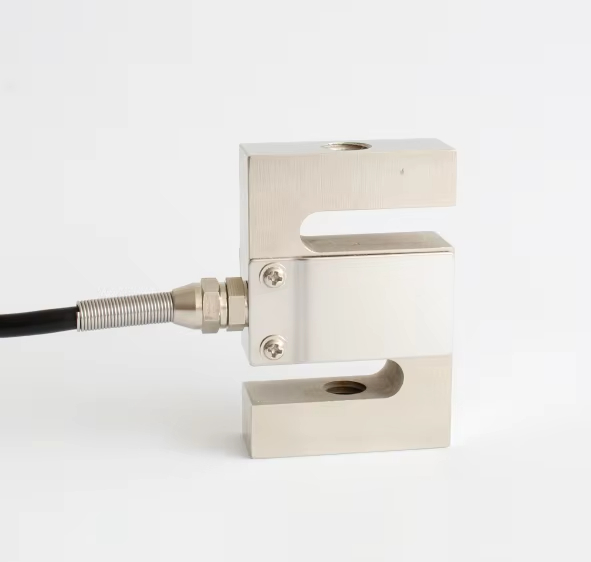
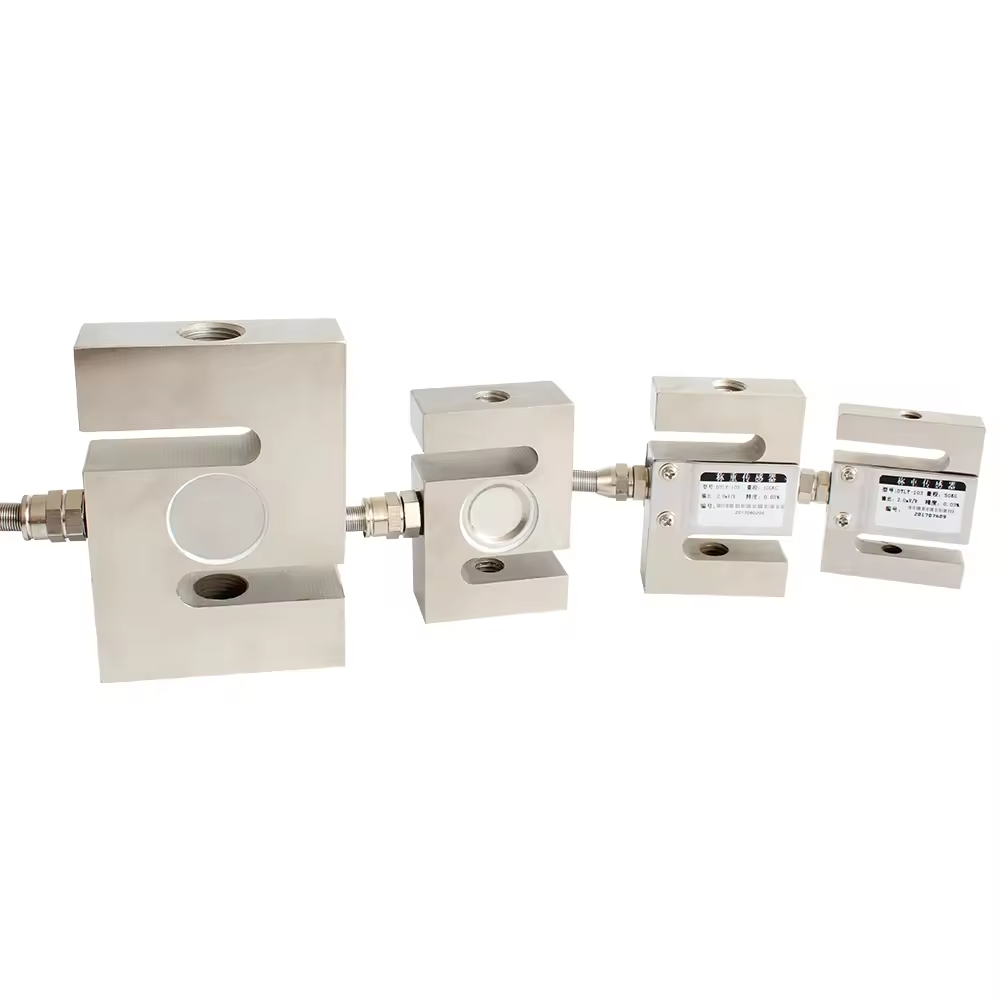
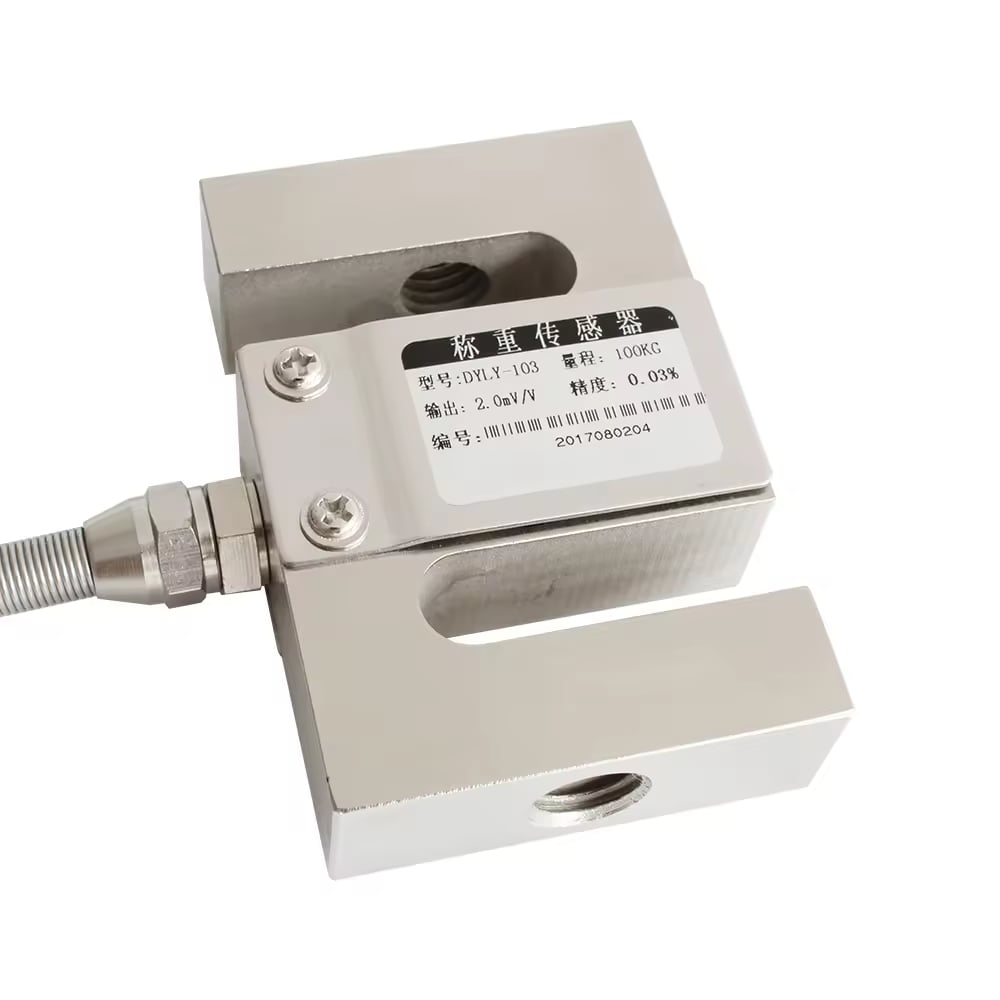
Load cells are essential components used for measuring force or weight in various industrial applications. The s type load cell is specifically designed for accurate measurement in tension or compression, making it a popular choice among purchasing managers, engineers, and product managers in various sectors. This article will address the key concerns of B2B buyers regarding specifications, partnering with manufacturers, cost factors, common issues, and where to source reliable s type load cells.

Why Partnering with Experts Matters

Why Partnering with Experts Matters

Collaborating with experienced manufacturers like JIANGXI JINGCE SENSING TECHNOLOGY CO., LTD. can significantly enhance the sourcing process of s type load cells. Experts in the field not only offer insights into the latest technologies but also provide custom solutions tailored to unique operational needs. This partnership can lead to: 

Customization Capabilities: Experienced manufacturers can offer bespoke designs that meet specific application requirements, ensuring optimal performance. 

Quality Assurance: A reliable supplier will have robust quality control processes, including testing and certification (such as CE/RoHS), which ensures that the load cell systems meet international standards. 

Technical Support: Partnering with a knowledgeable manufacturer allows access to technical advice throughout the purchasing process and beyond, helping to troubleshoot any issues that may arise during installation or operation.   

Supply Chain Reliability: An established manufacturer typically has a proven track record in managing logistics and can ensure timely delivery of products globally. 

Choosing to work with experts can mitigate risks and enhance the overall efficiency of your procurement process.

Cost Factors to Consider When Sourcing Type Load Cells

Cost Factors to Consider When Sourcing Type Load Cells

When sourcing PST  s type load cells, understanding the cost structure is essential. Several factors can influence the final pricing: 

Material Costs: The choice of materials impacts the overall cost. Stainless steel options tend to be more expensive than aluminum due to their durability and corrosion resistance.  

Customization Requirements: Custom-designed load cells will generally incur higher costs compared to standard models. Be clear about your requirements to obtain accurate quotes. 

Quantity: Manufacturers often provide discounts for bulk orders. Understanding the minimum order quantity (MOQ) can help buyers negotiate better pricing. 

Lead Time: Shorter lead times may come at a premium. If your project timeline allows for flexibility, opting for a standard model may save costs. 

Shipping and Handling: International shipping can substantially add to overall expenses. Consider logistics and potential tariffs when sourcing from overseas suppliers. 

By evaluating these cost factors, buyers can work efficiently within their budgets while ensuring they acquire the right load cells for their applications.

Common Problems with Load Cells and Effective Solutions

Common Problems with Load Cells and Effective Solutions

Despite their reliability, s type load cells can encounter issues that may affect performance. Being aware of these common problems and their solutions can enhance operational efficiency: 

Drift: Over time, load cells may experience drift, leading to inaccuracies in measurement. Regular calibration can help maintain accuracy. It’s advisable to schedule periodic checks based on usage patterns. 

Environmental Influences: Factors such as temperature fluctuations and moisture can impact performance. Choosing load cells with suitable environmental ratings and protective enclosures can minimize these risks. 

Electrical Interference: Load cells may be susceptible to electrical noise, which can distort readings. Proper grounding and using shielded cables can reduce interference and uphold measurement integrity. 

Mechanical Overload: Subjecting load cells to loads beyond their rated capacity can lead to failure. Implementing overload protection mechanisms can safeguard against accidental overloads. 

By recognizing these potential issues and addressing them proactively, buyers can ensure the longevity and reliability of their high precision load cell systems.

Where to Find Trusted Suppliers for Type Load Cells Globally

Finding reliable suppliers for PST s type load cells involves careful consideration and research. Here are some strategies to identify trustworthy manufacturers: 

Industry Directories: Utilize industry-specific directories and trade platforms that list verified manufacturers. This can provide insights into a company's reputation and product offerings. 

Trade Shows: Attending industry trade shows allows for direct interaction with manufacturers, providing opportunities to assess product quality and discuss customization options in person. 

Certifications: Look for suppliers with relevant certifications (like CE and RoHS) which indicate compliance with international quality standards. 

Customer Reviews: Researching customer testimonials and case studies can provide valuable insights into a supplier's performance and reliability. 

Networking: Engaging with industry peers can lead to recommendations for reputable suppliers known for their high-quality industrial load cells. 

By employing these methods, buyers can establish connections with trustworthy suppliers, ensuring they receive quality products tailored to their operational needs. 

Understanding Load Cell Specifications for Wholesale Buyers

When evaluating PST s type load cells, several specifications are critical to ensure optimal performance for your application. Key factors include: 

Capacity: This represents the maximum load the load cell can measure. It is crucial to select a load cell that can handle the expected load without surpassing its capacity, which could lead to inaccurate readings or damage. 

Material: Most s type load cells are constructed from stainless steel or aluminum, offering durability and resistance to environmental factors. Stainless steel is preferred for harsh conditions due to its corrosion resistance, while aluminum is lighter and may be suitable for less demanding applications. 

Output Signal: Load cells typically provide an analog output, such as mV/V, making compatibility with your measurement system essential for accurate data interpretation. 

Temperature Range: Load cells operate within specified temperature limits. Ensure the selected model can function efficiently within the environmental conditions of your application. 

Dimensions: The size and design of the load cell must fit your installation requirements, including mounting and any necessary clearances for operation. 

Understanding these specifications allows buyers to make informed decisions that match their specific needs and applications.

Frequently Asked Questions

What is the S type load cell used for?

The S type load cell measures tension and compression forces for weighing, lifting, automation, and testing applications requiring high precision.
Available in multiple rated capacities and high-precision classes; contact us with required range for specific accuracy specs and calibration options.
Yes. It carries CE and RoHS certifications and is manufactured to meet industry quality and safety standards.
Yes. We offer OEM/ODM services including tailored mounting, cable length, connectors, and calibration to fit your application needs.
We provide technical support, calibration guidance, and warranty terms—contact our sales team for detailed warranty period and after-sales service options.

Get a Free Quote

Our representative will contact you soon.
0/1000