Load Cell Digital Indicators: Key Specs and Suppliers

application/load-cell-digital-indicator, application/load-cell-digital-indicator, 
Inquiry
Inquiry

load cell digital indicator

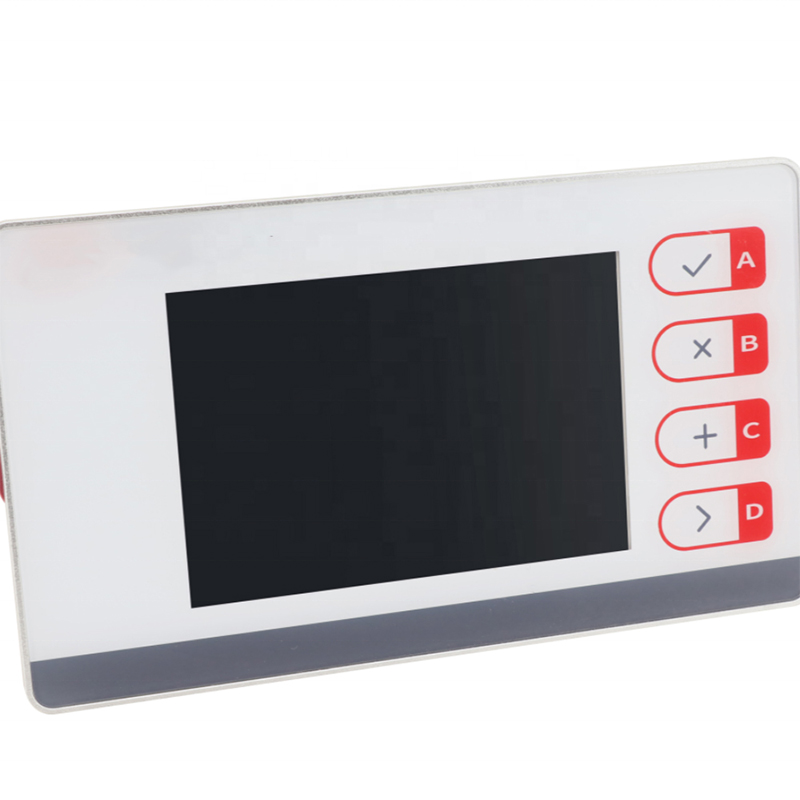
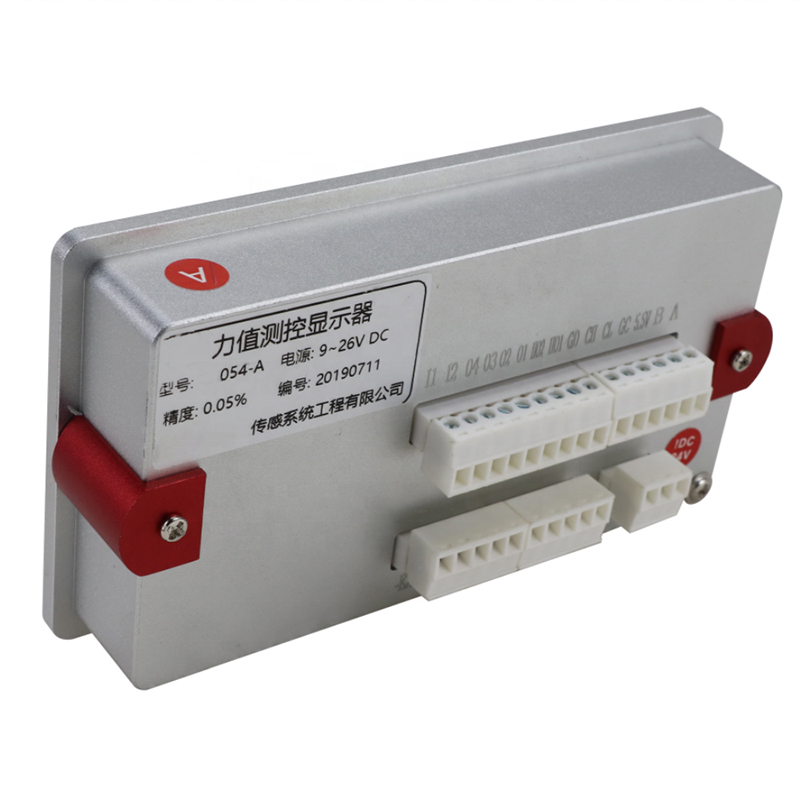
Load cell digital indicators are essential devices used to  convert the  mechanical force measured by load cells into a digital display,  providing accurate weight readings  for various industrial applications. For B2B  buyers,  selecting  the right load  cell digital  indicator involves understanding key specifications, evaluating reliable  suppliers, considering cost factors, and  recognizing the  product’s applications and potential issues. This  article aims to equip  purchasing managers,  engineers, and product managers with  the necessary insights  to  make informed decisions when  sourcing these  critical components. Additionally, understanding the various types of Load cell technologies can further enhance the selection process.

Reliable Suppliers for Wholesale Load Cell Digital Indicators

Reliable Suppliers for Wholesale Load Cell Digital Indicators

Finding trustworthy suppliers for load cell digital indicators is paramount for ensuring quality and reliability. Here are some tips for selecting  reliable partners:


Certifications: Look for suppliers that hold relevant certifications, such  as CE  and RoHS. These certifications indicate compliance  with international safety and quality  standards, assuring buyers of the  product's reliability.


Experience and Reputation: Consider suppliers with a proven track record in the industry. Reading customer reviews and seeking testimonials  can provide  insights into  the  supplier’s reliability and service quality.

Customization Capabilities: Many applications  require  customized solutions. Suppliers who offer OEM/ODM services can adapt their products to meet specific needs, enhancing compatibility with existing systems.

Technical Support: Reliable suppliers should offer  comprehensive technical support, including pre-sale consultations and post-sale assistance. This support can be crucial  for troubleshooting and optimizing the performance of  indicators in real-world applications.

Production Capacity: Assess the supplier's  production capacity to ensure they can handle your order  volume, especially for bulk purchases. A supplier with consistent production capabilities can better meet your lead time requirements.


By focusing on these criteria, buyers can establish partnerships that enhance their operational efficiency and product reliability.

Cost Factors to Consider When Sourcing Load Cell Digital Indicators

Cost Factors to Consider When Sourcing Load Cell Digital Indicators

Cost is a significant  factor when sourcing load cell  digital indicators, but it’s essential to look beyond the unit price. Here are key cost  considerations:

Initial Purchase Price: While this is often the first factor considered, it’s important to  balance  cost with  quality and performance. A lower price may lead to higher costs over time due to maintenance or replacement needs.

Customization and Features: Additional features, such as advanced connectivity options or higher accuracy, may increase the initial cost but can provide long-term savings through improved efficiency and reduced error rates.

Shipping and Handling  Fees: Don’t  overlook the logistics costs. International shipping can add significant expenses, so factor in  these costs when  comparing  suppliers.

Warranty and  After-Sales Service: Consider suppliers who offer  warranties or robust after-sales service. While this may increase  upfront costs, it can  save money in the  long run by  covering potential repairs or replacements.


Volume Discounts: Many suppliers provide discounts for bulk orders.  Understanding the minimum order quantities (MOQ) can help in negotiating better prices.

Being  aware of these factors helps buyers better assess the total cost of ownership and make more informed purchasing decisions.

Applications of Load Cell Digital Indicators in Various Industries

Applications of Load Cell Digital Indicators in Various Industries

Load cell digital indicators play a vital role across multiple industries due to their versatility and precision.  Some common applications include:

Manufacturing and Automation: In manufacturing, these indicators are used for quality control  and inventory  management, ensuring that  products meet specified weight requirements.

Logistics and Shipping: Load  cell digital indicators help in weighing goods during shipping and receiving, ensuring accurate freight cost calculations and compliance  with regulations.

Agriculture: In the agricultural sector,  these indicators are used  for weighing crops and livestock, assisting farmers in managing inventory and optimizing production.  Additionally, Tension load cells are often utilized for more specialized agricultural applications.


Healthcare: In medical settings, precise weight measurements are critical, making load cell digital indicators essential for weighing patients and medicines.

Construction and Heavy  Industries: These indicators are  vital in construction  for weighing materials and  machinery, ensuring safety and  compliance with load  limits.

Understanding the  specific applications  relevant to your industry can  help tailor the selection process to  meet operational needs more effectively.

Common Problems with Load Cell Digital Indicators and Solutions

Despite their  reliability, load cell digital indicators can encounter common problems that may  affect performance. Here are a few issues and suggested solutions:

Calibration  Drift: Over time, indicators may  experience calibration drift,  leading to inaccurate readings. Regular calibration checks should be performed to maintain accuracy. Buyers should  ensure that the supplier provides calibration services or guidance for self-calibration.

Electrical Interference: Load cell digital  indicators can be sensitive to electrical noise, which may affect performance. To mitigate  this, use  shielded cables  and maintain proper grounding during installation.

Mechanical  Damage: Physical impacts can damage load cells and indicators, leading  to failure. Implementing protective measures, such as enclosures or mounting solutions, can minimize risk.

Moisture and Corrosion: In environments with high humidity  or exposure to corrosive substances, selecting indicators with adequate environmental protection ratings (IP ratings) is critical to prevent failure.

User Error: Improper usage, such as exceeding the load capacity or incorrect installation, can lead  to  problems. Training operators on proper usage  and installation techniques can reduce these risks.


By anticipating these common issues and implementing preventive measures, buyers can enhance the longevity and  reliability of their load cell digital indicators.

Key Specifications for Load Cell Digital Indicators in B2B Purchases

When evaluating load  cell digital indicators, buyers should focus on several key specifications that directly affect performance and suitability for their specific applications. 

Measuring Range: This indicates the maximum and minimum weight the indicator can measure. It's crucial to select an indicator with a range that matches the application's  requirements to  ensure accuracy and prevent damage.

Accuracy: Typically expressed as a percentage of the full-scale output, accuracy indicates how closely the indicator's readings match the actual weight. A  high accuracy level is  essential in applications where  precision is crucial, such as in quality control  and laboratory settings.

Display  Type: Digital indicators may  feature various display types, such as LCD or LED. The choice  depends on visibility  needs—bright environments may require LED displays for better readability.

Connectivity Options: Many modern load cell digital indicators offer connectivity features like RS232, USB, or  wireless communication, which facilitate integration into  existing systems for data logging or remote monitoring.

Power Supply: Understanding the power requirements is important. Some indicators may run on batteries,  while others may require a continuous  AC power source, which affects installation flexibility.

Environmental Protection: Look for  indicators with appropriate IP ratings to ensure  they can  withstand the environmental conditions they will be exposed to, such as moisture, dust, or extreme temperatures.

By confirming these specifications, buyers can ensure compatibility with their systems and the demands of their operational  environment.

Frequently Asked Questions

What is a load cell digital indicator?

A load cell digital indicator displays and processes signals from load cells or force sensors, providing real-time weight or force readings with high precision for weighing, lifting, and automation applications.
Compatible with our high-precision load cells, force sensors, and most standard mV/V output load cells. Supports multiple input ranges and commonly used sensor types for OEM/ODM integration.
Designed for high accuracy in precision measurement. Our products carry CE and RoHS certifications, ensuring compliance with international safety and environmental standards.
Yes. The indicator supports integration into lifting, weighing, automation, and new energy systems with configurable outputs and communication options for control and monitoring.
We offer OEM/ODM customization, firmware/configuration services, and technical support for installation, calibration, and system integration worldwide.

Get a Free Quote

Our representative will contact you soon.
0/1000