Key Specifications for Load Cell Digital Indicators in B2B Purchases
When evaluating load cell digital indicators, buyers should focus on several key specifications that directly affect performance and suitability for their specific applications.
Measuring Range: This indicates the maximum and minimum weight the indicator can measure. It's crucial to select an indicator with a range that matches the application's requirements to ensure accuracy and prevent damage.
Accuracy: Typically expressed as a percentage of the full-scale output, accuracy indicates how closely the indicator's readings match the actual weight. A high accuracy level is essential in applications where precision is crucial, such as in quality control and laboratory settings.
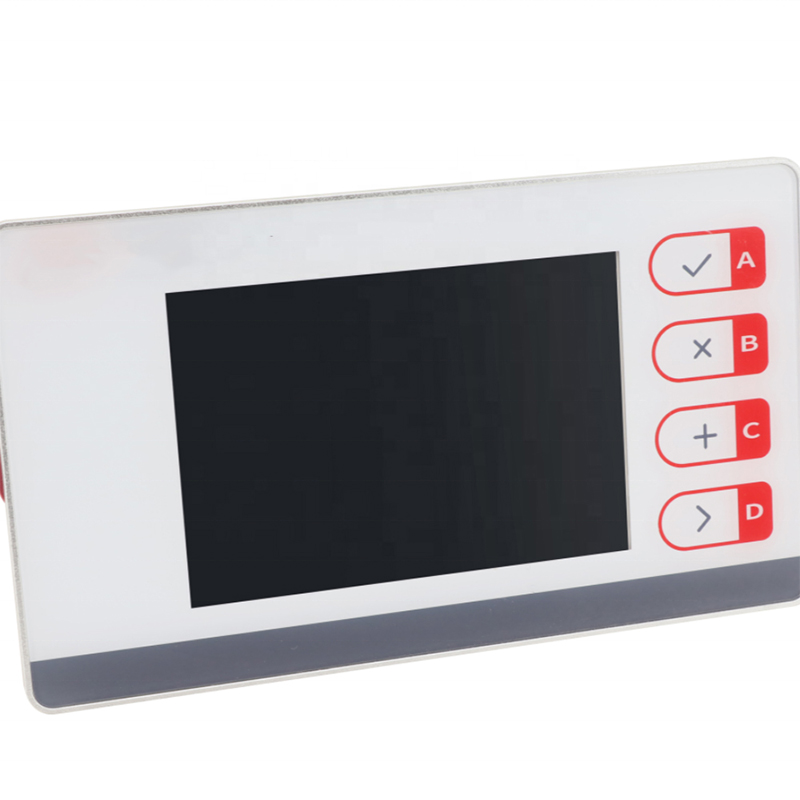
Display Type: Digital indicators may feature various display types, such as LCD or LED. The choice depends on visibility needs—bright environments may require LED displays for better readability.
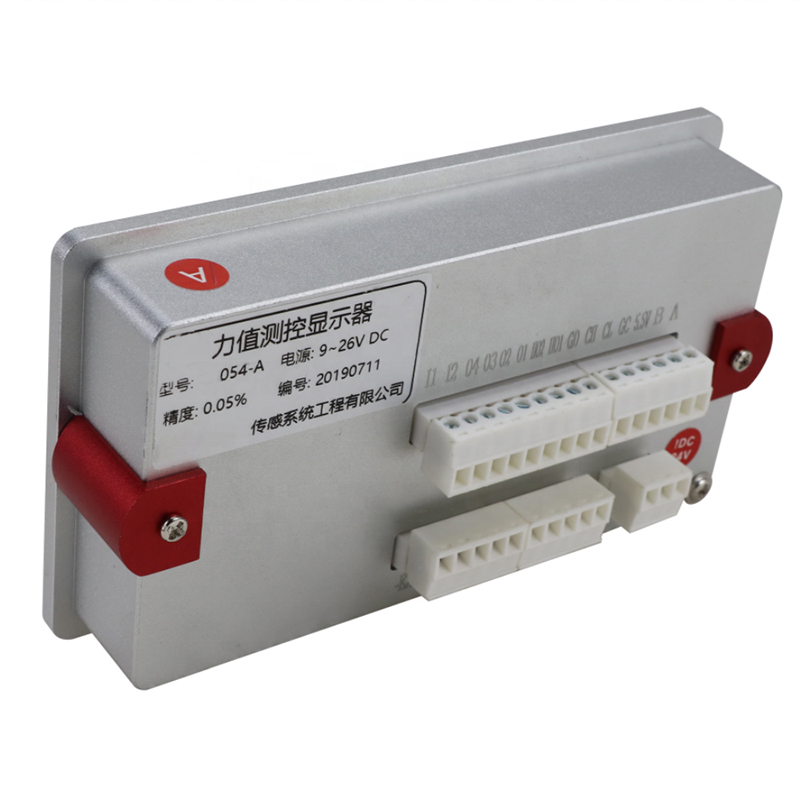
Connectivity Options: Many modern load cell digital indicators offer connectivity features like RS232, USB, or wireless communication, which facilitate integration into existing systems for data logging or remote monitoring.
Power Supply: Understanding the power requirements is important. Some indicators may run on batteries, while others may require a continuous AC power source, which affects installation flexibility.
Environmental Protection: Look for indicators with appropriate IP ratings to ensure they can withstand the environmental conditions they will be exposed to, such as moisture, dust, or extreme temperatures.
By confirming these specifications, buyers can ensure compatibility with their systems and the demands of their operational environment.
 EN
EN