Choosing the Right Load Cell Display Unit

application/load-cell-display-unit, application/load-cell-display-unit, 
Inquiry
Inquiry

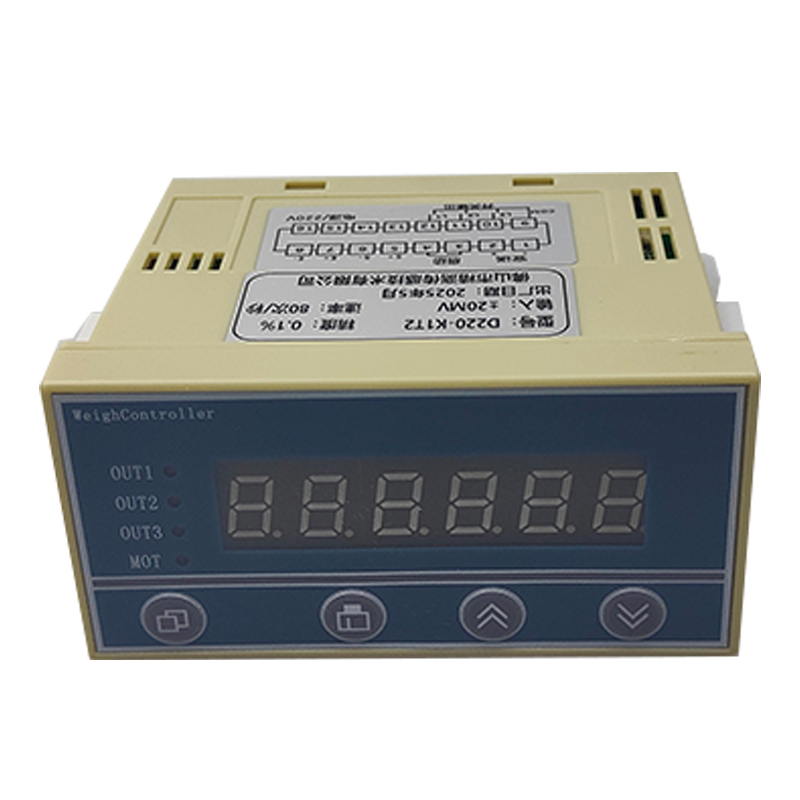
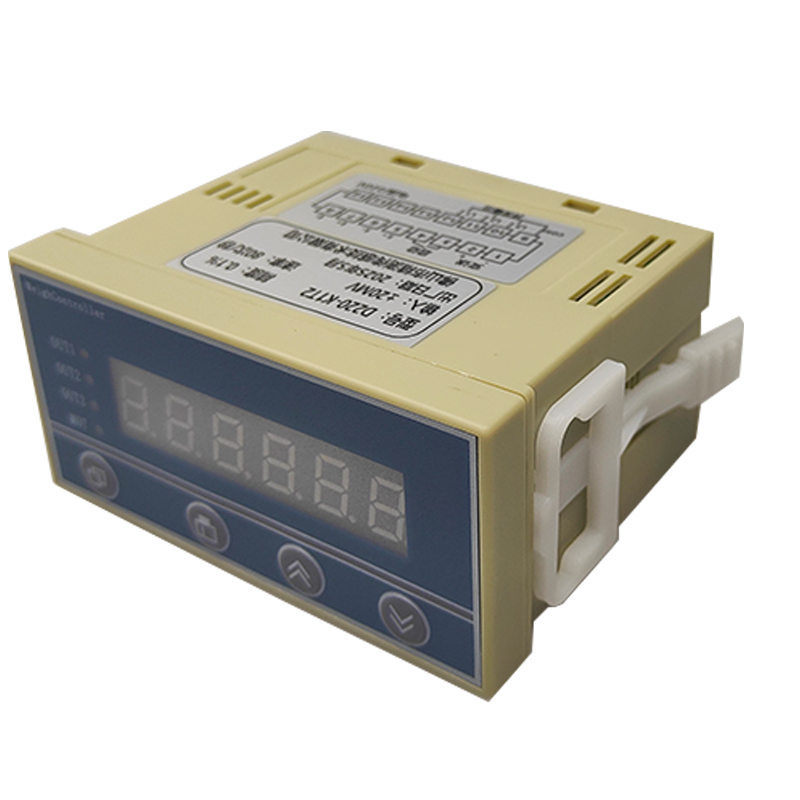
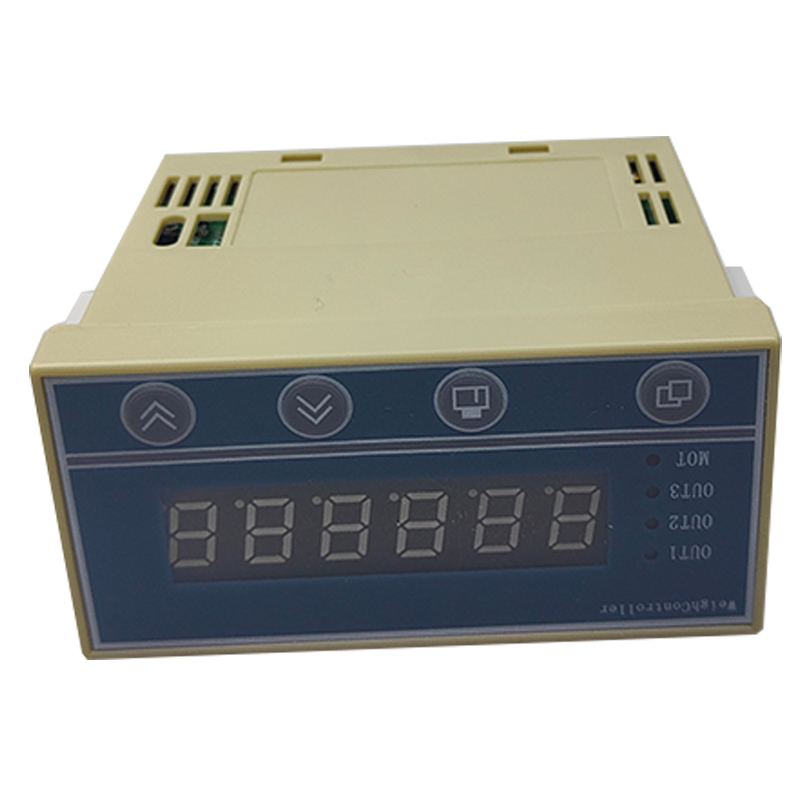
load cell display unit

In  the  industrial landscape, load cell display  units play a critical role  in  providing accurate  measurements for various applications, including weighing and force measurement. For purchasing managers  and engineers, understanding  the  nuances of load  cell display units is essential,  as it  impacts operational efficiency  and product reliability.  This article will  guide you through the key aspects of load  cell display  units, helping you  make informed decisions when  selecting the right solution for your projects.

 
Reliable Load Cell Display Unit Suppliers

Reliable Load Cell Display Unit Suppliers

When looking for reliable  suppliers of  load cell display units, prioritize  those with a proven track record in the industry. JIANGXI JINGCE SENSING TECHNOLOGY CO., LTD. is a notable manufacturer specializing in  high-precision  load  cells  and display units, offering CE/RoHS  certified products. A dependable supplier should  provide  detailed product specifications, customization  options, and robust after-sales support.

Evaluate suppliers based on their production capabilities and quality control processes. A manufacturer with  advanced production equipment  and  strict quality  assurance protocols is  likely to deliver reliable products. Furthermore, consider their ability to fulfill orders promptly and their willingness to provide samples before bulk purchases.

It’s also beneficial to check customer reviews and case studies to gauge the supplier’s reputation. Engaging  with suppliers who have experience in your specific industry can ensure that they understand  your requirements and  can provide tailored  solutions.

Common Problems with Load Cell Display Units and Their Solutions

Common Problems with Load Cell Display Units and Their Solutions

Load cell display units may experience a range of issues that can affect their performance. One common problem is signal interference, which can lead to inaccurate readings. This  often occurs in environments  with heavy machinery or electrical equipment. To mitigate this, ensure that the display  unit is installed away from potential sources of interference and consider using shielded  cables.

Another  frequent issue  is calibration drift, where the accuracy of  the display unit diminishes over  time. Regular calibration checks are  essential  to maintain precision. It’s advisable  to establish a routine  calibration  schedule and use certified weights  for testing.


Additionally, environmental factors can cause malfunctions. For  instance, exposure to moisture can lead to corrosion or electrical faults. Choosing  a display unit with an  appropriate IP rating for your environment can help prevent  these issues. If problems  arise, consult the manufacturer’s guidelines for troubleshooting and maintenance.

Load Cell Display Unit Applications Across Various Industries

Load Cell Display Unit Applications Across Various Industries

Load cell  display units find applications across a wide range of industries, including manufacturing, logistics,  and healthcare. In manufacturing, they are crucial  for monitoring weight during production processes, ensuring quality control and compliance with standards.

In the logistics sector, load cells and  their displays  are used for  vehicle weighing and load  management,  allowing companies  to optimize shipping costs and prevent overloading. Similarly, in healthcare,  load cells are employed  in medical  scales,  providing accurate weight measurements for patients, which is vital for dosing medications.  Furthermore, utilizing advanced systems like Cost-effective Load Cell Amplifier Weight Sensor Controller 4-20mA RS485 Output Load Cell Indicator for Force Sensor can enhance performance in these applications.

In the energy sector, particularly in new energy applications, load cells are  utilized to measure  force and weight in various systems, contributing to efficiency and safety. Understanding  the specific applications  relevant to your industry will  inform your choice of load cell  display  unit, ensuring it meets your operational needs.

Expert Guidance on Selecting Load Cell Display Units for Distributors

Distributors looking to stock load cell display units should consider several key factors to ensure they provide value to their customers. Begin by  understanding the technical specifications that are  most relevant to your target market, such as load capacity,  display type,  and  connectivity options. This knowledge  will  help you advise customers on the best choices for their applications.

Additionally, inquire about customization capabilities  from manufacturers. Offering customizable solutions can set  your distribution business apart and meet niche market demands. Ensure that the suppliers can provide options tailored to specific industry requirements.


Establish strong relationships with manufacturers like JIANGXI JINGCE SENSING TECHNOLOGY  CO., LTD. that prioritize quality and reliability. Consider systems for  quality checks and inventory management to maintain a consistent supply  of high-quality products.

Lastly, keep abreast of industry trends and  technological advancements, as these can influence customer  preferences and  needs. Being proactive in this regard will enhance your position as a trusted distributor  in the  market.

By understanding these core aspects of load cell display units,  purchasing managers, engineers, and distributors can make informed decisions that optimize performance and meet specific industry  requirements.

Choosing the Right Load Cell Display Unit for Your Projects

Selecting the appropriate load cell display unit involves several critical  factors. First, consider the type of load cell you  are  using; the display unit must be compatible  with the load cell’s output signal, whether it's analog or digital. Look  for specifications like input voltage, signal type, and resolution to ensure accuracy in readings.


Next, evaluate the environment in which the display unit will  be used. Factors such as temperature,  humidity, and potential  exposure to  chemicals can  affect the performance of the unit. For outdoor applications,  a weatherproof design may be necessary, while industrial environments may require more robust construction. For instance, units like High Performance 100Nm Static Torque Sensor Load Cell with 0.1% Accuracy IP65 Waterproof for Elevator/Lifting and Scale Use are designed to withstand harsh conditions.

Additionally, assess the required features of the display unit. Basic models  provide simple  weight readings, but advanced units may offer  functionalities like  data logging, wireless connectivity, or integration with automation systems. Depending on your operational needs, features like tare weight functionality, overload protection,  and calibration options can significantly enhance usability.

Finally, consider the power supply requirements. Load cell display units can  be powered by batteries or AC sources;  the choice will depend  on where and how the unit will be used.

Frequently Asked Questions

What is the load cell display unit used for?

The display unit shows real-time force or weight readings from load cells and dynamometers for lifting, weighing, automation, and energy applications.
Compatible with JIANGXI JINGCE high-precision load cells, force sensors, and wireless dynamometers using standard analog or digital outputs.
Our display unit is designed to comply with CE and RoHS requirements when paired with certified sensors and power components.
Yes. We offer OEM/ODM options for display firmware, interface, and mounting to fit specific industry requirements.
We provide technical support, calibration guidance, and warranty details based on the selected model; contact us for model-specific terms.

Get a Free Quote

Our representative will contact you soon.
0/1000