High-Quality Load Cell Transducer Sourcing Guide

application/load-cell-transducer, application/load-cell-transducer, 
Inquiry
Inquiry

load cell transducer

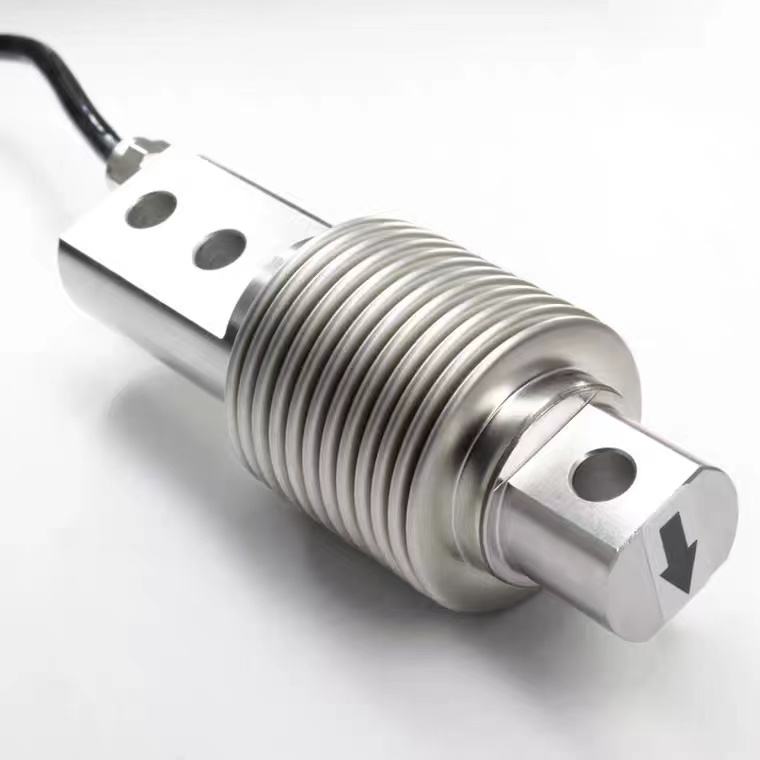
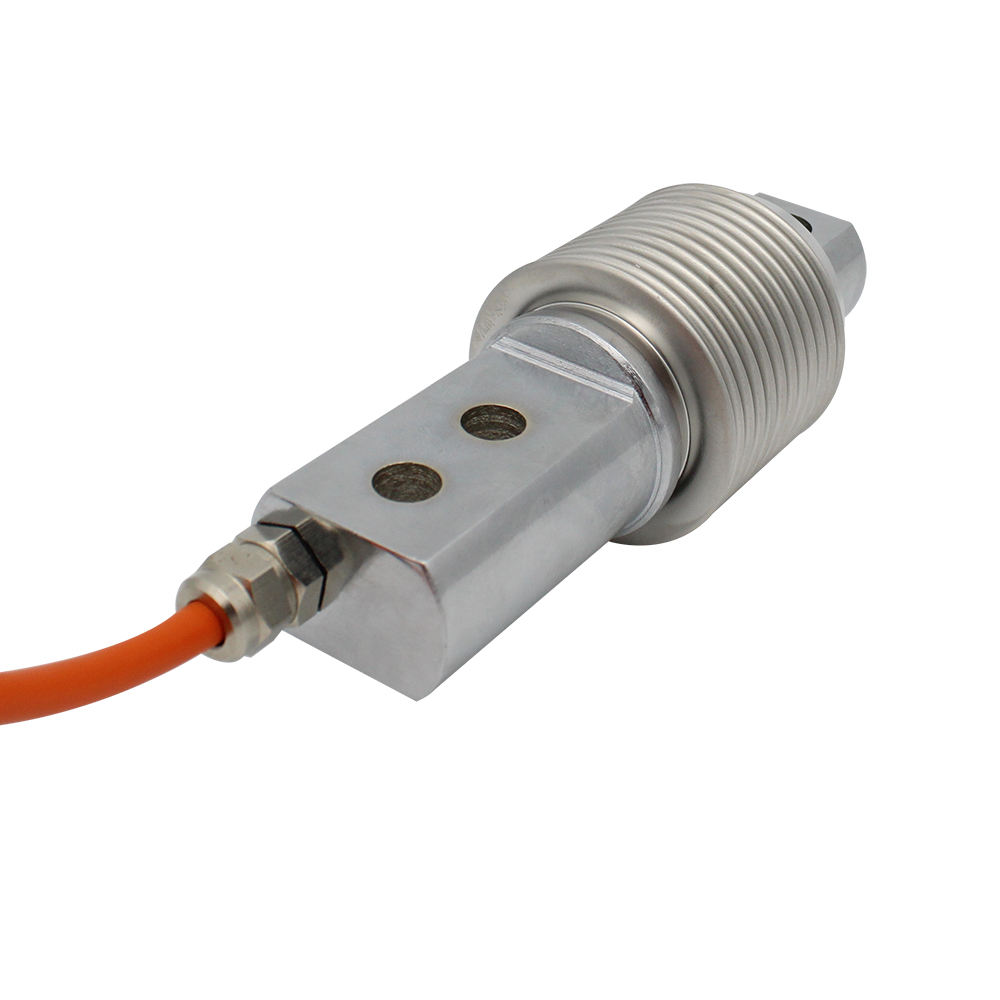
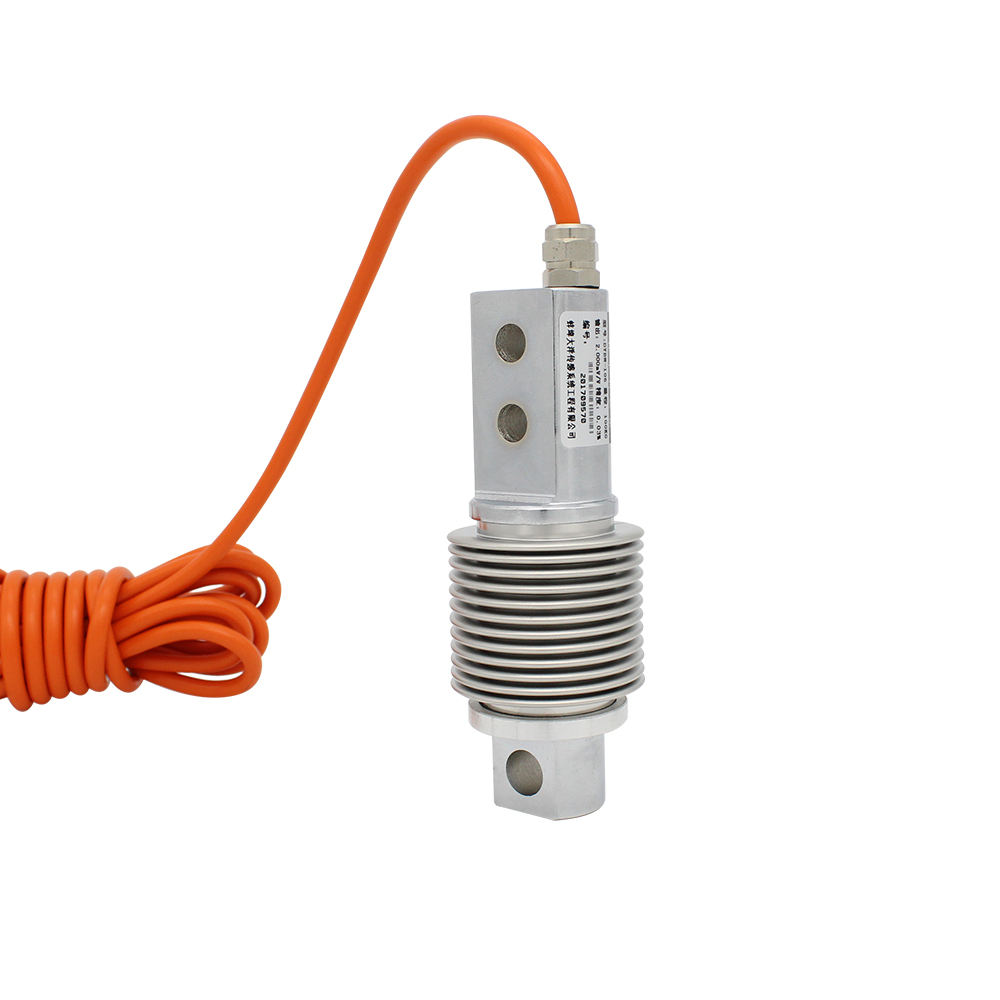
Load cell  transducers are  essential  components used in various industries for measuring weight,  force,  and pressure. They  convert mechanical force  into an electrical signal,  providing  precise data that is critical for  applications  in lifting, weighing,  automation,  and new energy sectors. For B2B buyers—such as purchasing managers, engineers, and product managers—the  main concerns typically revolve around product specifications, reliability, and supplier trustworthiness.  This  article aims to clarify  essential considerations  for selecting load cell transducers, helping buyers  make informed  decisions.

Where to Source High-Quality Load Cell Transducers Wholesale

Where to Source High-Quality Load Cell Transducers Wholesale

Sourcing  high-quality  load  cell transducers  can  be done through various channels:

Direct Manufacturers: Companies like Jiangxi Jingce Sensing Technology Co., Ltd. offer  OEM/ODM solutions and can provide customized load  cells tailored to specific applications. Working directly with  manufacturers ensures access to the latest technology and more favorable pricing.

Distributors: Established distributors often have a wide range of products from various manufacturers. They can provide valuable insights regarding quality and performance based on their experience with different brands.

Trade Shows and Expos: Attending industry trade shows allows buyers to meet  manufacturers and distributors, see products firsthand,  and discuss specific requirements.  This interaction can lead to better sourcing decisions.

Online Marketplaces: While  online  platforms  can offer  competitive  pricing,  buyers  should exercise caution and verify the reputation  of the suppliers to avoid subpar products.

When sourcing, it’s crucial  to evaluate supplier reliability, product quality, and support services to ensure a successful partnership.

Comparing Load Cell Transducer Options for Better Cost Efficiency

Comparing Load Cell Transducer Options for Better Cost Efficiency

Cost efficiency is a critical consideration when selecting load cell transducers.  Here are several factors that can influence overall costs:

Initial Pricing:  While it may be  tempting to select the  lowest-priced option, consider long-term value, including durability and  maintenance costs. Higher-quality transducers may  have a higher upfront cost but can save on replacement and downtime.

Customization: Custom load cell solutions may come  with higher initial costs but can  enhance performance and compatibility with specific applications, ultimately  leading to better efficiency and reduced operational costs.

Volume Discounts: Many manufacturers offer  discounts for bulk purchases. Understanding the minimum order quantities (MOQ)  can help buyers negotiate better pricing.

Lifecycle Costs: Consider not only the purchase price but also maintenance,  calibration, and potential downtime  costs associated  with lower-quality products. A more durable load cell may  require less frequent replacement.

Warranty and Support:  A robust warranty and good customer support can reduce long-term costs, as they may cover repairs or replacements. Ensure that the supplier provides clear terms  regarding their warranty.


By analyzing these factors, buyers  can make more informed decisions that  lead to better cost efficiency.

Installation Guidelines for Load Cell Transducers in Industrial Applications

Installation Guidelines for Load Cell Transducers in Industrial Applications

Proper installation of  load cell transducers is critical for accurate performance. Here  are key guidelines  to follow:

Mounting Orientation: Load cells must be installed in the correct orientation as  specified by  the manufacturer. Incorrect orientation can lead to inaccurate readings and  potential  damage.

Environmental Conditions: Ensure that the installation location  is suitable for the load cell's specifications. Factors like temperature,  humidity, and exposure to  chemicals should be considered to prevent performance degradation.

Electrical Connections:  Follow the manufacturer’s guidelines for electrical connections to avoid improper  setup  that could affect signal integrity. Use appropriate cables  and connectors as  specified.

Calibration: After installation, the load cell should be calibrated according to the  manufacturer’s instructions. Calibration ensures that the readings are accurate  and reliable.

Testing: Conduct thorough testing after installation to verify that the load cell is functioning correctly. Simulate loads to ensure the accuracy of measurements.

Following these installation  guidelines  can help  maximize the performance and lifespan of load cell transducers.

The Importance of Supplier Reliability When Purchasing Load Cells

Supplier reliability is vital when purchasing load cell transducers. A trustworthy supplier offers  several advantages:


Quality Assurance:  Reliable suppliers typically adhere to strict quality control processes, ensuring that the  products meet  specified  standards and perform as expected.

Timely Delivery:  A dependable supplier is more likely to deliver products on time, which is crucial for maintaining operational schedules.


Technical Support: Good suppliers provide  ongoing support,  including troubleshooting  and  guidance on installation and  calibration, which can be essential for complex systems.

Reputation: Researching the  supplier's reputation through reviews,  testimonials, and industry feedback can provide insight into  their reliability and customer service.

Long-Term Partnership: Establishing a relationship with a reliable  supplier can lead to better communication and collaboration, facilitating future orders and customization  needs.

When evaluating suppliers, consider their track record, the quality of their products, and their ability to meet  specific requirements. This diligence can lead to more successful procurement and operational efficiency.


Key Specifications to Evaluate in Load Cell Transducer Products

When evaluating load cell transducers, several key specifications play a crucial role  in performance and  suitability for specific applications:

Capacity: This refers to the maximum load that the transducer can  accurately measure. Buyers should choose a capacity that exceeds the expected load to prevent overload damage.

Accuracy: Measured in percentage of full scale, accuracy indicates how closely the transducer’s output reflects the actual load. Higher accuracy ratings are  essential  for  applications requiring precise measurements.

Material: Load cell  transducers are typically  made  from materials  like aluminum, stainless steel, or alloy steel. The choice of material affects durability, environmental resistance, and overall performance. For example, stainless steel is preferred in corrosive environments.  Additionally, using a high-quality Load cell can greatly enhance the performance and reliability in challenging applications.


Output Signal: Load cells can provide analog or digital signals. Understanding the output type is critical for compatibility  with  existing systems.

Temperature Range: The operating temperature range can significantly impact performance. Buyers should ensure that the load cell can operate effectively within the environmental conditions  of their application.

Certifications: Look for certifications  such as CE and RoHS, which indicate compliance with safety and  environmental  standards. These certifications assure buyers  of the product's quality and reliability.

It is advisable for buyers  to confirm these specifications with manufacturers, as variations can affect  the load cell's performance in specific applications. For example, an Tension load cell may be necessary for specific measurement scenarios.

Frequently Asked Questions

What is a load cell transducer?

A load cell transducer converts force or weight into an electrical signal for measurement and control in weighing and lifting applications.
We offer high-precision load cells with various accuracy classes tailored to industry needs; specific specifications depend on model and calibration.
Yes. Our products carry CE and RoHS certifications and meet international safety and environmental standards for global use.
Yes. We provide OEM/ODM design, custom calibration, mounting and connector options to fit lifting, automation, weighing, and new energy applications.
We offer technical support, calibration guidance, troubleshooting, and documentation for installation and maintenance to ensure long-term performance.

Get a Free Quote

Our representative will contact you soon.
0/1000