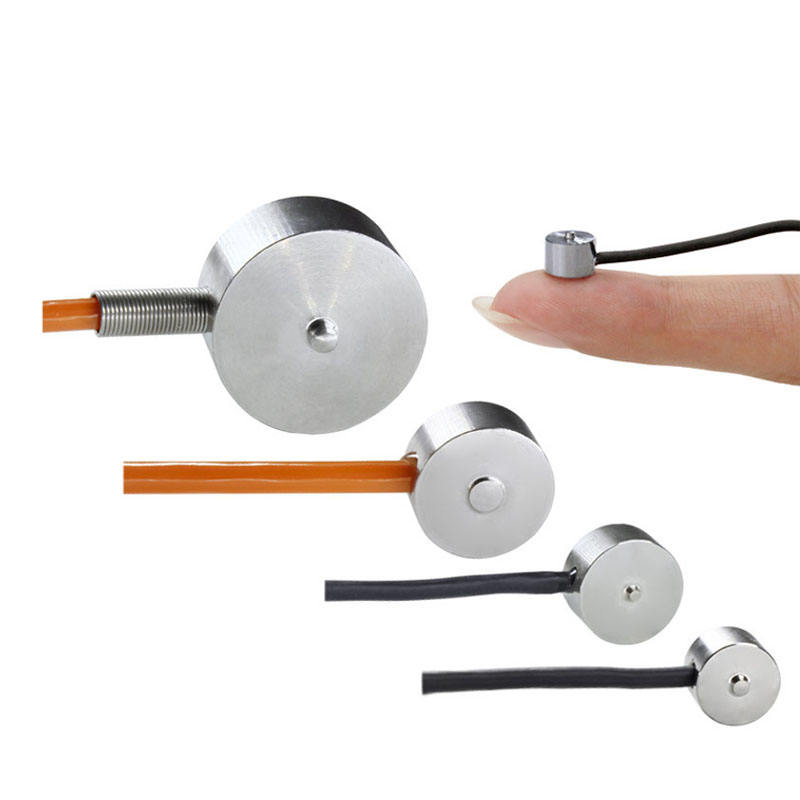
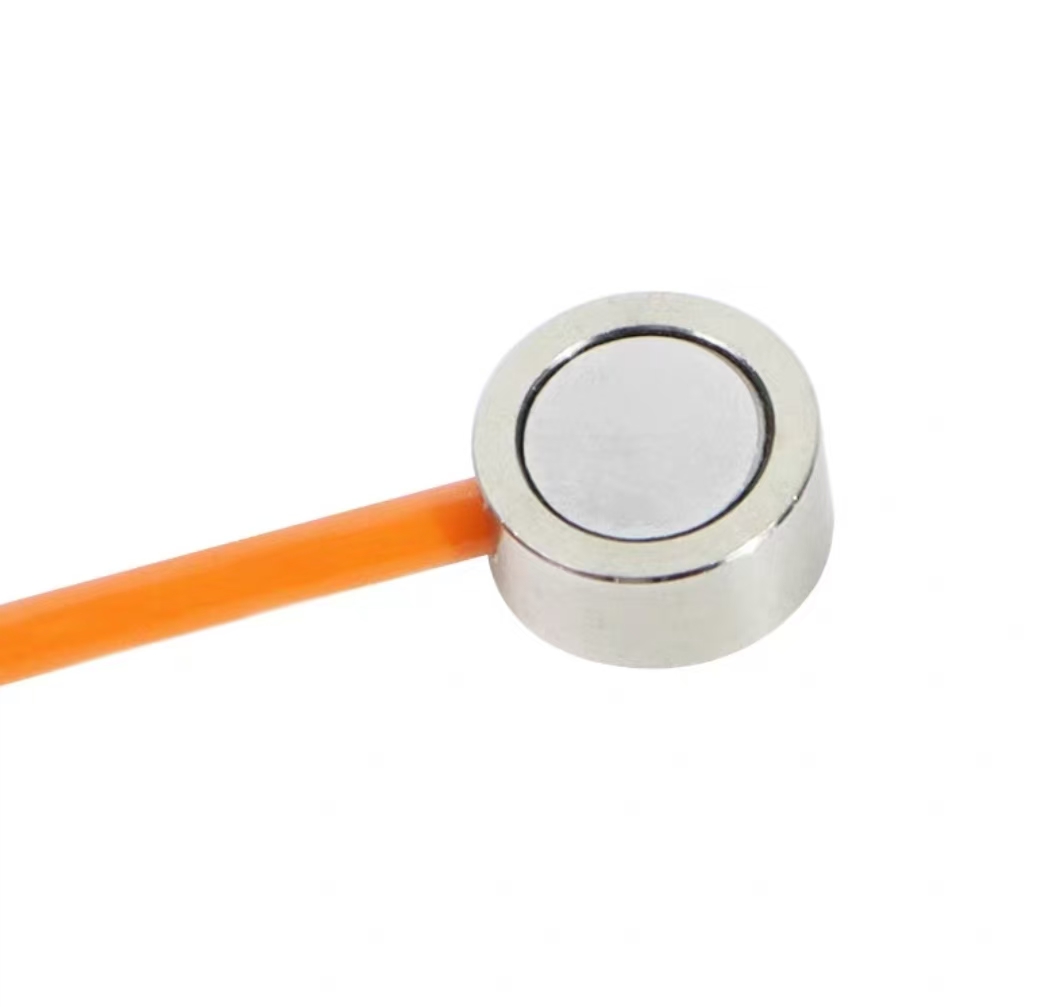
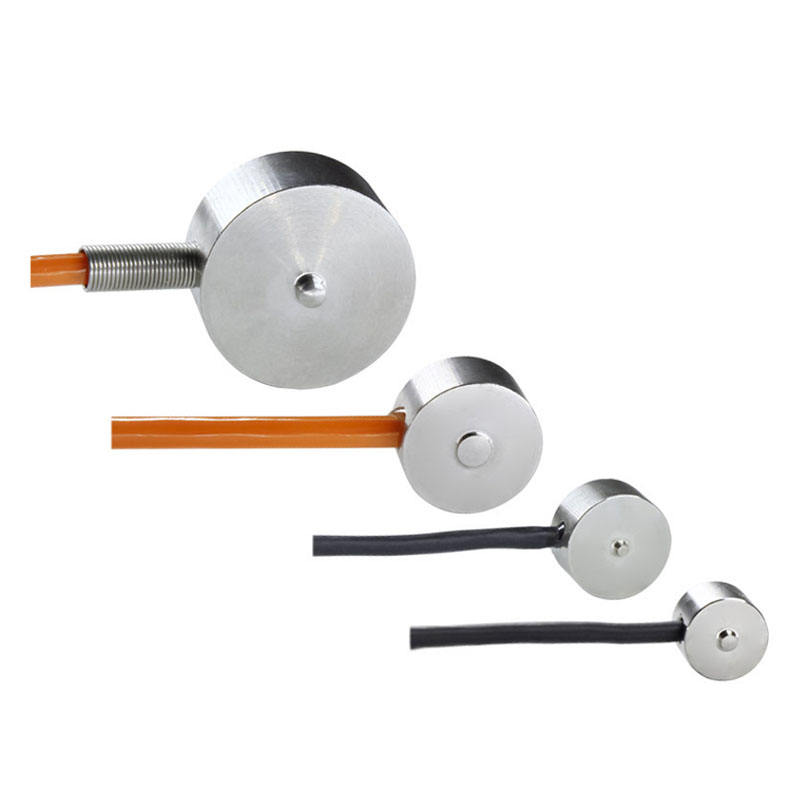
Key Specifications of Miniature Compression Load Cells for Buyers
When evaluating miniature compression load cells, several key specifications should be considered:
Load Capacity: This indicates the maximum weight or force the load cell can measure. It is critical to select a Transmitter load cell with an appropriate capacity for your application to ensure accurate measurements without risking damage.
Accuracy: Typically expressed as a percentage of full scale, accuracy determines how close the load cell's readings are to the true value. Higher accuracy is essential in applications requiring precise measurements, such as in laboratory settings or quality control processes.
Material: The construction material affects durability, environmental resistance, and overall performance. Common materials include aluminum, stainless steel, and alloy steel, each offering different benefits depending on the application environment.
Dimensions: The size of the load cell can limit its application, especially in compact machinery or tight installations. Buyers should ensure that the dimensions fit within their equipment specifications.
Output Signal: Load cells typically output in either analog (such as 0-10V or 4-20mA) or digital formats (like RS-232 or RS-485). Understanding the required output format for integration with existing systems is crucial.
Environmental Ratings: Many load cells are rated for specific environmental conditions (e. g., IP67 for dust and water resistance). This rating is essential for applications in harsh environments.
Calibration and Certification: Look for load cells that come with calibration certificates to ensure they meet necessary standards, such as CE or RoHS compliance, which indicates adherence to safety and environmental regulations.
 EN
EN