Choosing the Right Linear Measurement Sensor

application/linear-measurement-sensor, application/linear-measurement-sensor, 
Inquiry
Inquiry

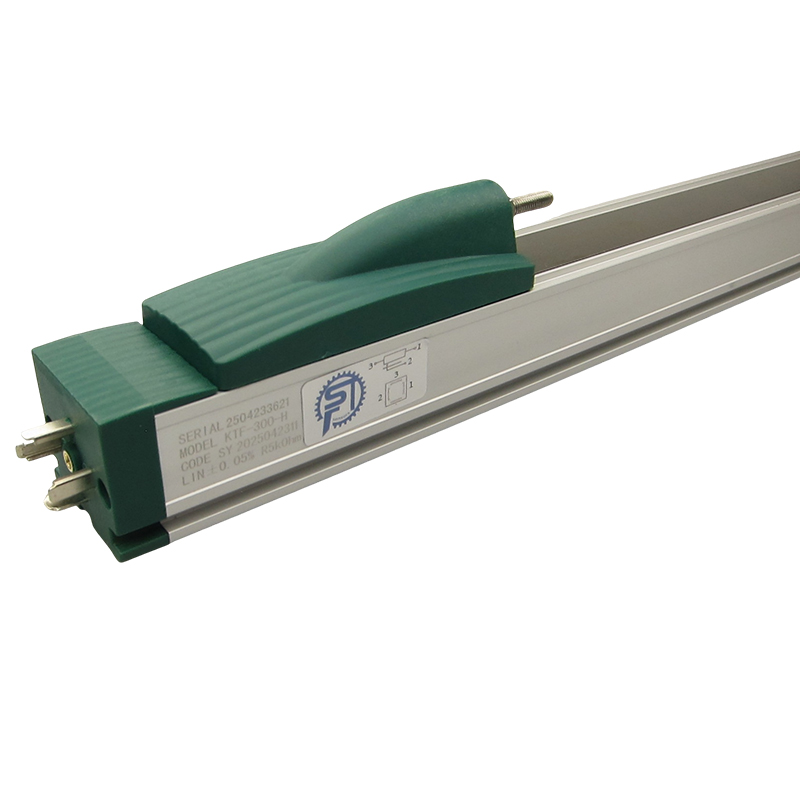
Linear measurement sensor

Linear measurement sensors are essential tools used across various industries to ensure precise measurement of distance, length, and other linear dimensions. As a B2B buyer, you may have concerns about selecting the right rotary torque sensor that meets your project specifications, quality, and budgetary requirements. This article will guide you through key considerations when sourcing linear measurement sensors, ensuring you make informed decisions that align with your operational needs.

Key Specifications to Consider When Sourcing Linear Measurement Sensors

Key Specifications to Consider When Sourcing Linear Measurement Sensors

When sourcing linear measurement sensors, several technical specifications should be prioritized to ensure optimal performance. 

Accuracy and Precision: These metrics indicate how closely the PST sensor's output matches the true value. High accuracy is crucial in applications requiring exact measurements, while precision relates to the consistency of repeated measurements. 

Resolution: This refers to the smallest change in measurement that the sensor can detect. For high-precision applications, select a sensor with a higher resolution to capture minute changes. 

Output Type: Linear measurement sensors may provide different output types, such as analog or digital signals. Choose based on the compatibility with your data systems—digital outputs are often easier to integrate with modern digital systems. 

Power Supply Requirements: Understand the power supply needs of the sensor. Some may require AC power, while others can operate on low DC voltage, influencing installation costs and logistics. 

Form Factor: The physical dimensions and shape of the sensor can affect installation. Ensure the force torque sensor fits within your equipment or space constraints. 

By confirming these specifications, you can ensure the selected sensor meets your application requirements and operational standards. 

Where to Find Reliable Suppliers of Linear Measurement Sensors

Where to Find Reliable Suppliers of Linear Measurement Sensors

Finding a trustworthy supplier for linear measurement sensors is essential for ensuring product quality and service reliability. Start by looking for manufacturers with established reputations in the industry, such as JIANGXI JINGCE SENSING TECHNOLOGY CO., LTD., known for its high-precision sensors and commitment to quality. 

Trade shows and industry conferences are excellent venues for connecting with suppliers and learning about the latest innovations in sensor technology. Additionally, online platforms and industry directories can help you compile a list of potential suppliers. When evaluating suppliers, consider factors such as: 

Certifications: Look for suppliers with relevant certifications (e. g., CE, RoHS) that ensure product quality and compliance with international standards. 

Customization Capabilities: Suppliers offering OEM/ODM solutions can tailor sensors to meet your specific requirements, enhancing their suitability for your applications. 

Customer Support: Reliable customer service is critical, especially for technical products. Ensure the supplier offers adequate support and guidance for installation and troubleshooting. 

By conducting thorough research and due diligence, you can identify suppliers that align with your quality and reliability expectations.

Common Installation Challenges with Linear Measurement Sensors and Solutions

Common Installation Challenges with Linear Measurement Sensors and Solutions

Installing PST linear measurement sensors can present several challenges that, if not addressed, may lead to inaccuracies or operational issues. Here are some common challenges and their solutions: 

Alignment Issues: Proper alignment is crucial for accurate measurements. Misalignment can lead to erroneous readings. To mitigate this, ensure that the sensor is installed using precise mounting fixtures and alignment tools. Employing laser alignment tools can also enhance accuracy during installation. 

Environmental Factors: Sensors exposed to extreme conditions, such as high temperatures or humidity, may experience performance degradation. Opt for sensors rated for the specific environmental conditions of your application. Protective housings can also shield sensors from harsh environments. 

Electrical Interference: Electrical noise from nearby equipment can affect steering torque sensor readings. To combat this, use shielded cables and proper grounding techniques during installation. Additionally, ensuring adequate separation between the sensor cables and power lines can minimize interference. 

Calibration: Regular calibration is vital to maintain measurement accuracy over time. Implement a routine calibration schedule, and ensure that the calibration process is well-documented. 

By anticipating these challenges and implementing proactive measures, you can ensure a successful installation process that leads to reliable sensor performance. 

Understanding the Cost Factors of Linear Measurement Sensors in Wholesale

When evaluating the cost of PST linear measurement sensors, it's essential to consider various factors that can influence pricing. Here are some key elements to keep in mind: 

Material and Manufacturing Quality: The type of materials used and the manufacturing process can significantly impact the cost. Higher-quality materials and advanced manufacturing techniques typically lead to more durable and reliable sensors but may also increase the price. 

Customization: If you require bespoke features or specifications, be prepared for higher costs. Customization may involve design modifications, which can add to the overall price. 

Volume Discounts: Purchasing sensors in bulk often results in lower per-unit costs. Discuss with suppliers about minimum order quantities (MOQs) and potential discounts for larger orders. 

Lead Time: Sensors that are readily available may come at a lower cost than those requiring extended lead times due to custom manufacturing. If time is of the essence, factor this into your budgeting considerations. 

Support and Warranty: The level of customer support and warranty terms can also influence costs. Opting for suppliers that offer robust post-purchase support may add to the initial expense but can save costs related to troubleshooting and maintenance in the long run. 

By understanding these cost factors, you can make informed decisions that align with your budget and operational needs.

Choosing the Right Linear Measurement Sensor for Your Project Needs

Selecting the appropriate linear measurement sensor involves evaluating several factors to ensure compatibility with your specific application. First, consider the measurement range; sensors come with varying capabilities, and it is crucial to match this with the expected range of your project. For example, if you're working in a manufacturing environment where precision is critical, a sensor with a higher resolution may be necessary. 

Next, assess the environmental conditions where the sensor will be used. Factors such as temperature, humidity, and exposure to harsh chemicals can impact sensor performance. For instance, a sensor designed for outdoor use should be rugged and weather-resistant, while one used in a laboratory setting may not require such robust features. 

Finally, consider the integration capabilities of the sensor with your existing systems. Ensure that the sensor can easily connect with your data acquisition systems or automation processes, allowing for seamless data transfer and analysis.

Frequently Asked Questions

What is the linear measurement sensor used for?

Our linear measurement sensor provides precise displacement and position feedback for lifting, weighing, automation, and new energy applications requiring high accuracy.
Sensors offer high precision with tight resolution suitable for industrial measurement; specific accuracy depends on model—contact us with requirements for exact specs.
Yes. Our products carry CE and RoHS certifications and are manufactured to meet industrial standards for safety and environmental compliance.
Yes. We provide OEM/ODM customization for form factor, range, connectors, and calibration to integrate with your systems.
We offer technical support, calibration guidance, and warranty terms tailored per order. Contact our sales team for detailed warranty and service options.

Get a Free Quote

Our representative will contact you soon.
0/1000