Evaluating External Hydraulic Cylinder Position Sensors

application/external-hydraulic-cylinder-position-sensor, application/external-hydraulic-cylinder-position-sensor, 
Inquiry
Inquiry

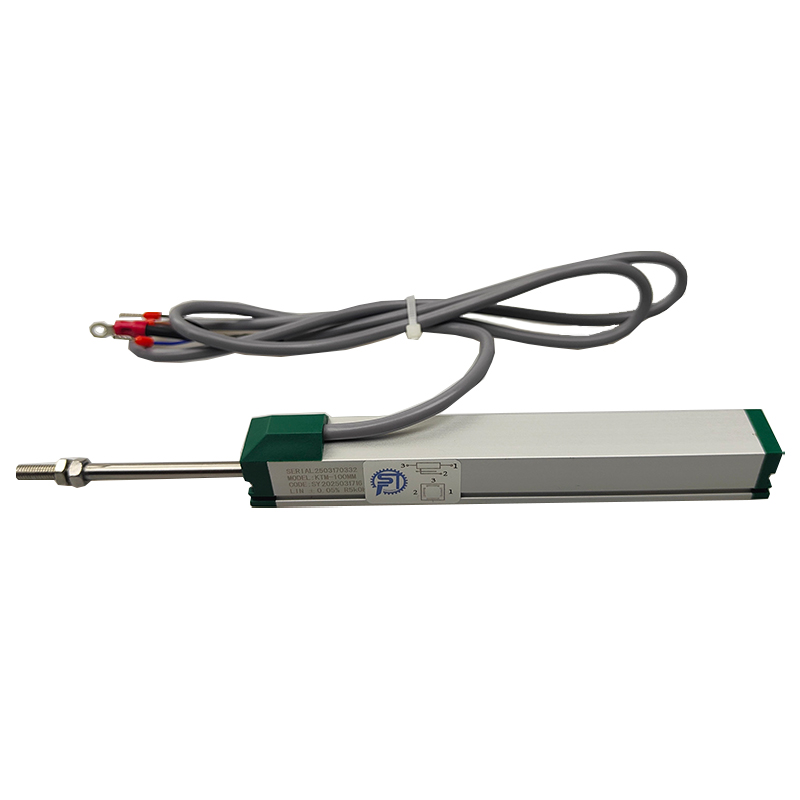
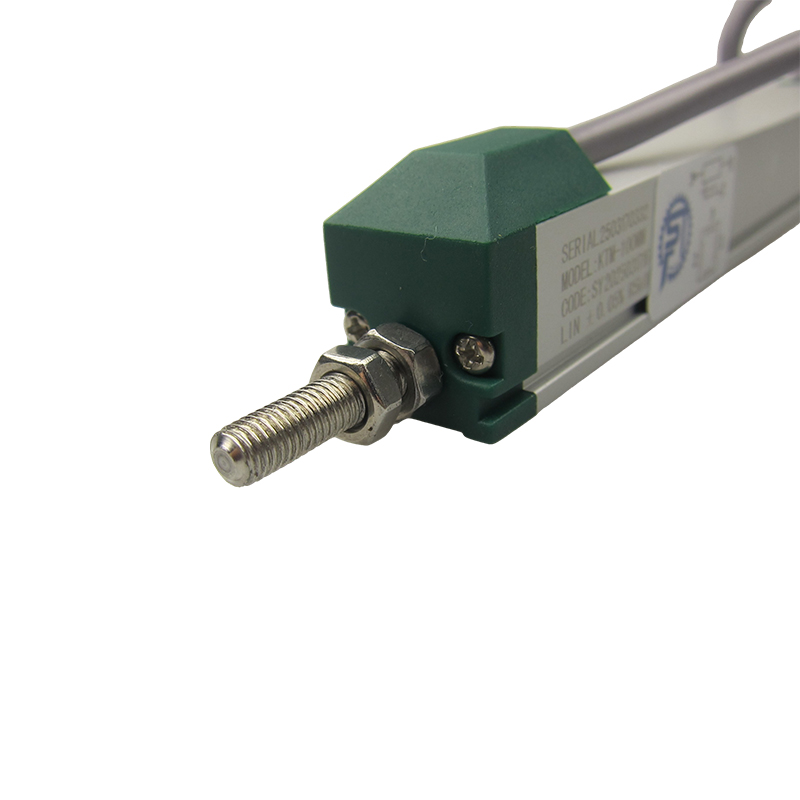
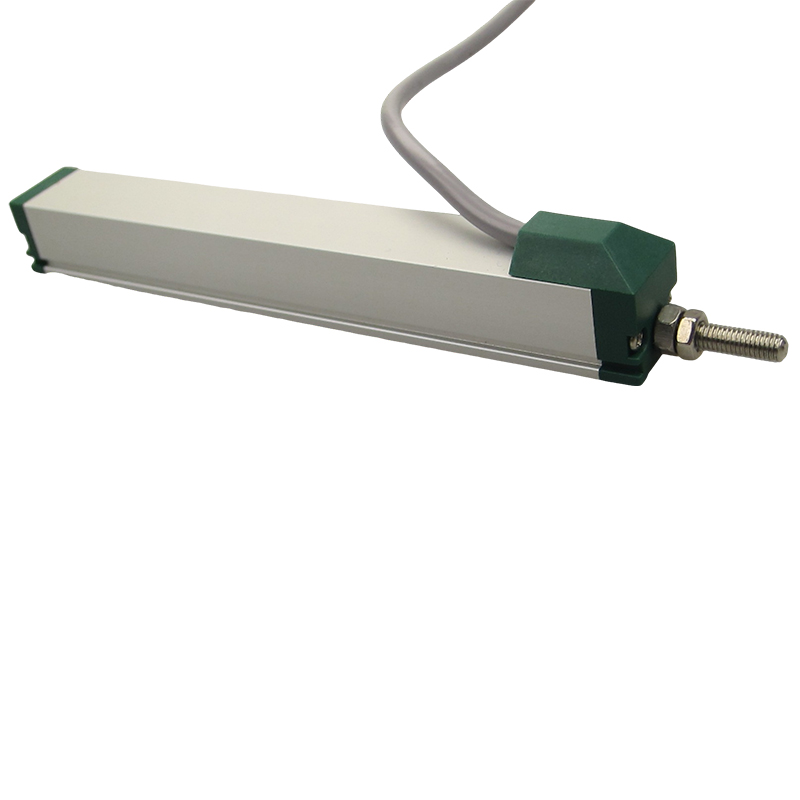
External hydraulic cylinder position sensor

External hydraulic cylinder position sensors are critical components used to monitor the position and movement of hydraulic cylinders in various industrial applications of external hydraulic cylinder position sensors. As a purchasing manager or engineer, understanding the specifications, sourcing hydraulic cylinder position sensors options, and quality of hydraulic cylinder position sensors assessment techniques for these sensors is essential for ensuring optimal performance and reliability in your projects. This article will provide insights into evaluating the quality of hydraulic cylinder position sensors, sourcing hydraulic cylinder position sensors options, and their applications of external hydraulic cylinder position sensors in the manufacturing and industrial sectors.

Sourcing Hydraulic Cylinder Position Sensors

Sourcing Hydraulic Cylinder Position Sensors

Sourcing hydraulic cylinder position sensors high-quality external hydraulic cylinder position sensors involves several strategic steps to ensure you find the right product for your needs: Identify Specific Requirements: Determine the specifications you need based on your application. This includes measurement range, accuracy, operating conditions, and compatibility with existing equipment. Research Manufacturers: Look for reputable manufacturers specializing in sensors and automation technology. Companies like JIANGXI JINGCE SENSING TECHNOLOGY CO., LTD. offer a range of high-precision sensors and have experience in OEM/ODM solutions. Request Samples: Before placing a bulk order, request samples to evaluate the sensor's quality and performance in real-world conditions. Testing samples can help identify any potential issues early in the process. Evaluate Supplier Capabilities: Assess the supplier's production capabilities, lead times, and quality of hydraulic cylinder position sensors control processes. A manufacturer with robust quality of hydraulic cylinder position sensors assurance measures will provide more reliable products. Review Customer Support: Good customer service is essential, especially for technical products. Ensure the supplier provides adequate support for installation, troubleshooting, and any customization needs.

Where to Find Reliable Suppliers for Hydraulic Cylinder Position Sensors

Where to Find Reliable Suppliers for Hydraulic Cylinder Position Sensors

Finding reliable suppliers for load cell indicator manufacturer can be achieved through various channels: Industry Trade Shows and Expos: Attending industry-specific trade shows is an excellent way to meet manufacturers and suppliers. These events allow you to see products firsthand, ask questions, and establish relationships. Online Marketplaces and Directories: Websites like Ali baba, Thomas Net, and Global Sources can be useful for finding suppliers. Always check for reviews and ratings to gauge reliability. Professional Networks and Associations: Engaging with professional networks and industry associations can provide referrals to trusted suppliers. Networking with peers can lead to recommendations based on direct experiences. Manufacturer Websites: Many manufacturers, such as JIANGXI JINGCE SENSING TECHNOLOGY CO., LTD., have dedicated websites showcasing their product range, certifications, and contact information. This can be a direct avenue for establishing communication.

Cost Factors When Purchasing Hydraulic Cylinder Position Sensors in Bulk

Cost Factors When Purchasing Hydraulic Cylinder Position Sensors in Bulk

When purchasing load cell for weighing machine in bulk, several cost factors should be considered: Unit Price: Bulk orders may reduce the unit price, but this can vary significantly based on the supplier and the specific features of the sensors. Always compare quotes from multiple suppliers to ensure competitive pricing. Customization Costs: If your application requires customized sensors, there may be extra charges for design and manufacturing. Discuss customization options and associated costs upfront to avoid surprises. Shipping and Handling Fees: Depending on the supplier's location and your delivery requirements, shipping costs can impact the overall expenditure. Consider the logistics involved in transporting the sensors to your location. MOQ (Minimum Order Quantity): Many suppliers have a minimum order quantity, which can affect the total cost. Understand the MOQ and how it aligns with your project needs before placing an order. Long-term Reliability: While seeking lower costs is important, consider the long-term reliability of the sensors. Investing in higher-quality products may save costs related to replacements and maintenance in the long run.

Applications of External Hydraulic Cylinder Position Sensors in Industry

External hydraulic cylinder position sensors find broad applications of external hydraulic cylinder position sensors across various industries, enhancing automation and efficiency. Some of the primary applications of external hydraulic cylinder position sensors include: Manufacturing Automation: In automated manufacturing settings, these sensors provide real-time feedback on cylinder positions, ensuring precision in tasks such as assembly, material handling, and robotic operations. Construction Equipment: Hydraulic systems are prevalent in construction machines like excavators and cranes. Position sensors help monitor boom angles and lift heights, contributing to safer and more efficient operations. Material Handling: In warehousing and logistics, hydraulic systems are used in forklifts and pallet jacks. Position sensors enhance the accuracy of lifting and lowering operations, reducing the risk of accidents and improving workflow efficiency. Agricultural Machinery: Hydraulic systems in agricultural equipment, such as tractors and harvesters, utilize position sensors to optimize operations like plowing and harvesting, leading to better crop yields. Aerospace and Defense: In aerospace applications of external hydraulic cylinder position sensors, position sensors are critical for monitoring hydraulic systems in aircraft and defense machinery, ensuring safety and operational integrity. By understanding these applications of external hydraulic cylinder position sensors and the specific requirements for hydraulic cylinder position sensors, buyers can make informed purchasing decisions that align with their operational needs.

How to Evaluate the Quality of Hydraulic Cylinder Position Sensors

When assessing the quality of hydraulic cylinder position sensors of torque rotary sensor, several critical factors must be considered: Accuracy and Precision: The primary function of these sensors is to provide precise measurements of cylinder position. Look for specifications that detail the sensor's accuracy (e. g., ±0.5 mm) and resolution, which indicates the smallest change in position the sensor can detect. High accuracy ensures better system control and reliability. Environmental Resistance: Since these sensors are often used in rugged industrial environments, their resistance to dust, moisture, and temperature extremes is vital. Check for IP ratings (Ingress Protection) that indicate the level of protection against environmental factors. A sensor with an IP67 rating, for example, is dust-tight and can withstand immersion in water. Signal Output Type: Different applications of external hydraulic cylinder position sensors may require different types of signal outputs, such as analog (0-10V, 4-20mA) or digital (PWM, CAN bus). Ensure the sensor's output is compatible with your existing systems to avoid costly modifications. Material and Build Quality: The materials used in the sensor's construction can affect durability and performance. Sensors made from high-quality materials resistant to corrosion and wear will typically last longer and require less maintenance. Certifications and Standards: Look for sensors that comply with industry standards and certifications like CE and RoHS. These certifications indicate that the products meet specific safety and environmental standards, which is crucial for regulatory compliance.

Get a Free Quote

Our representative will contact you soon.
0/1000