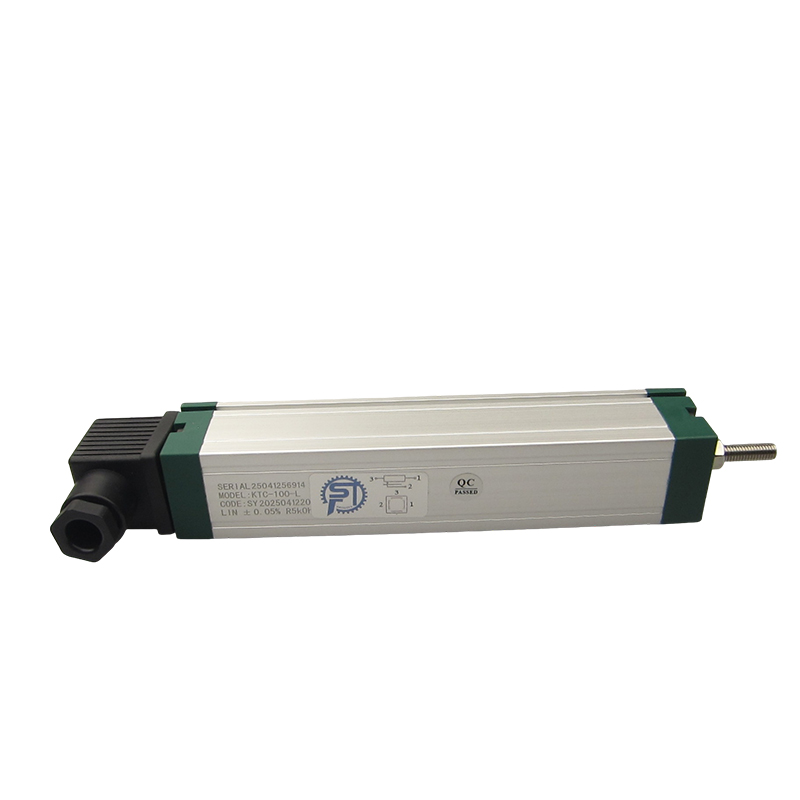
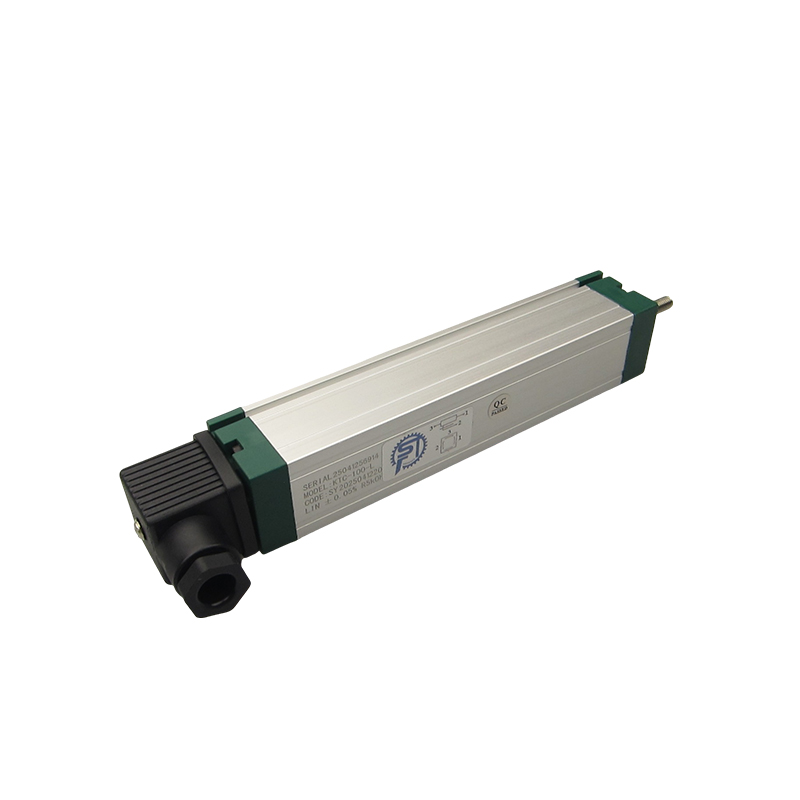
Essential Guide to Sourcing LVDT Displacement Sensors

application/lvdt-displacement-sensor, application/lvdt-displacement-sensor, 
Inquiry
Inquiry

Lvdt displacement sensor

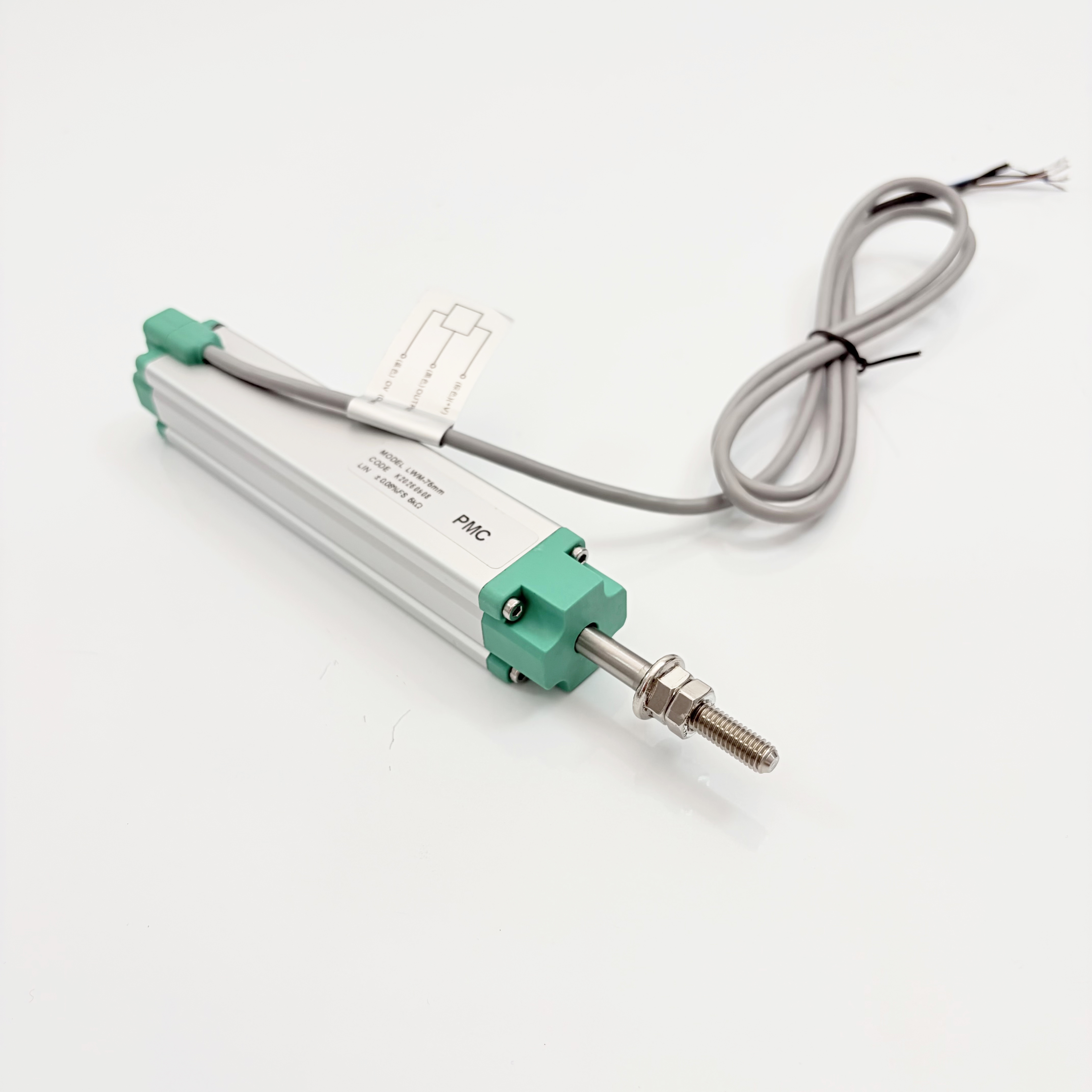
LVDT displacement sensors are crucial components in various industrial applications, providing precise measurements of linear displacement. For B2B buyers—such as purchasing managers, engineers, and product managers—understanding how to source and evaluate these sensors is essential for ensuring quality and reliability in their projects. This article aims to guide you through the critical considerations when sourcing tension load cell sensor, highlighting specifications, quality evaluation, supplier reliability, and installation guidance.

Key Specifications of LVDT Displacement Sensors for Bulk Orders

Key Specifications of LVDT Displacement Sensors for Bulk Orders

When ordering PST LVDT displacement sensors in bulk, several specifications should be confirmed to ensure they meet your project's needs: 

Measurement Range: The range of displacement the sensor can accurately measure. This should align with your application requirements. 

Sensitivity: The sensor's ability to detect small changes in position. Higher sensitivity is crucial for applications requiring fine measurements. 

Linearity: This specification indicates how accurately the sensor's output corresponds to the input displacement across its range. A linearity error can lead to measurement inaccuracies. 

Resolution: The smallest change in displacement that the sensor can detect. Higher resolution is essential for precise applications. 

Operating Temperature: Ensure that the sensor can function effectively within the temperature range expected in its application environment. 

Output Signal Type: LVDT sensors can provide various output signals (e. g., analog voltage, current). Understanding the required output type is vital for compatibility with your measurement system.  

Electrical Specifications: Confirm voltage and current requirements, as these will affect power supply considerations and overall system design. 

By ensuring these specifications are met, buyers can minimize the risk of performance issues in the field.

How to Evaluate the Quality of LVDT Displacement Sensors

How to Evaluate the Quality of LVDT Displacement Sensors

Evaluating the quality of LVDT displacement sensors involves several critical steps: 

Certification and Compliance: Always check for relevant certifications like CE and RoHS. These ensure the product meets safety and environmental standards, which is particularly important for OEM/ODM solutions in global markets. 

Material Quality: The materials used in the sensor's construction significantly affect its durability and performance. For example, corrosion-resistant materials are vital in harsh environments. 

Manufacturer Quality Control Processes: A reputable manufacturer should have stringent quality control measures in place. This includes regular testing of sensors for accuracy and reliability before shipment. 

Sample Testing: Before committing to a bulk order, request samples. Testing these samples under real-world conditions can reveal potential issues and help confirm the shaft torque sensor meets your specifications. 

Customer Reviews and Case Studies: Look for feedback from other customers and case studies that demonstrate the sensor's performance in similar applications. This real-world evidence can provide insights into reliability and long-term performance. 

By following these steps, buyers can make informed decisions that enhance the quality and effectiveness of their projects.

Where to Find Reliable Suppliers of LVDT Displacement Sensors

Where to Find Reliable Suppliers of LVDT Displacement Sensors

Finding reliable suppliers of PST LVDT displacement sensors requires thorough research. Here are a few recommended approaches: 

Industry Directories and Trade Shows: Utilize industry-specific directories and attend trade shows to connect with established manufacturers. This can also provide opportunities to see products firsthand. 

Online Research: Many manufacturers have extensive online resources. Review their websites for product specifications, case studies, and customer testimonials. Check for certifications and compliance details as well. 

Request for Quotation (RFQ): When approaching potential suppliers, prepare a detailed RFQ that includes your application needs, specifications, and any customization requirements. This helps ensure you receive accurate quotes and relevant product information. 

Networking: Engage with industry peers to gather recommendations. First-hand experiences can guide you toward suppliers with proven track records. 

Evaluating Supplier Capabilities: Assess the supplier's manufacturing capabilities, including production equipment and quality control processes. A supplier that can demonstrate expertise and capacity is more likely to meet your needs effectively. 

By leveraging these resources, you can identify suppliers that align with your quality and service expectations. 

Installation Guidance for LVDT Displacement Sensors in Projects

Proper installation of PST LVDT displacement sensors is crucial for optimal performance. Here are key considerations: 

Alignment: Ensure the sensor is aligned correctly with the moving part it will measure. Misalignment can lead to measurement errors. 

Mounting: Use suitable mounting techniques to minimize vibration and movement that could affect readings. Secure mounts can also help protect the sensor from environmental factors. 

Wiring: Follow recommended wiring practices to prevent electrical interference. Proper shielding and grounding techniques can enhance signal quality. 

Environmental Considerations: If the sensor will be used in harsh conditions, such as high humidity or exposure to chemicals, confirm that the installation site is suitable and that the sensor is adequately protected. 

Testing After Installation: After installation, conduct tests to ensure the sensor operates correctly and delivers accurate readings. This may include checking the output against known displacements. 

By adhering to these installation guidelines, you can help ensure that the LVDT displacement sensors perform reliably in their intended applications. 

With the right considerations and thorough evaluation, sourcing LVDT displacement sensors can lead to successful project outcomes, enhancing precision and efficiency in various industrial applications. 

What to Consider When Sourcing LVDT Displacement Sensors for Projects

When sourcing LVDT displacement sensors, key considerations include the intended application, environmental conditions, and required specifications. Buyers should first identify the sensor's role in their system—whether for automation, measurement, or control—and the specific range of motion required.  

It's also vital to consider the operating environment. For instance, tension sensor load cell exposed to extreme temperatures or corrosive substances may require specialized materials or protective housings. Additionally, understanding the compatibility of the LVDT sensor with existing equipment is essential to ensure seamless integration. 

Furthermore, buyers should evaluate the manufacturer’s experience in the industry. Established suppliers, like our brand, which specializes in high-precision sensing technologies, often provide better insights into product performance and application suitability.

Frequently Asked Questions

What is an LVDT displacement sensor?

An LVDT displacement sensor is a contactless inductive transducer that measures linear position or motion with high precision and repeatability for industrial applications.
Our LVDTs offer high precision with resolutions down to micrometers and repeatable accuracy suitable for lifting, weighing, automation, and new energy systems.
We provide analog AC, DC voltage, current loop, and conditioned differential outputs; custom interfaces and signal conditioning are available via OEM/ODM.
Yes, our sensors comply with CE and RoHS standards and are manufactured to meet industry quality and safety requirements.
Yes. We offer OEM/ODM customization including mounting, stroke length, output conditioning, and environmental sealing to match application needs.

Get a Free Quote

Our representative will contact you soon.
0/1000