Choosing the Right Torque Sensors for Your Needs

application/torque-sensor, application/torque-sensor, 
Inquiry
Inquiry

torque sensor

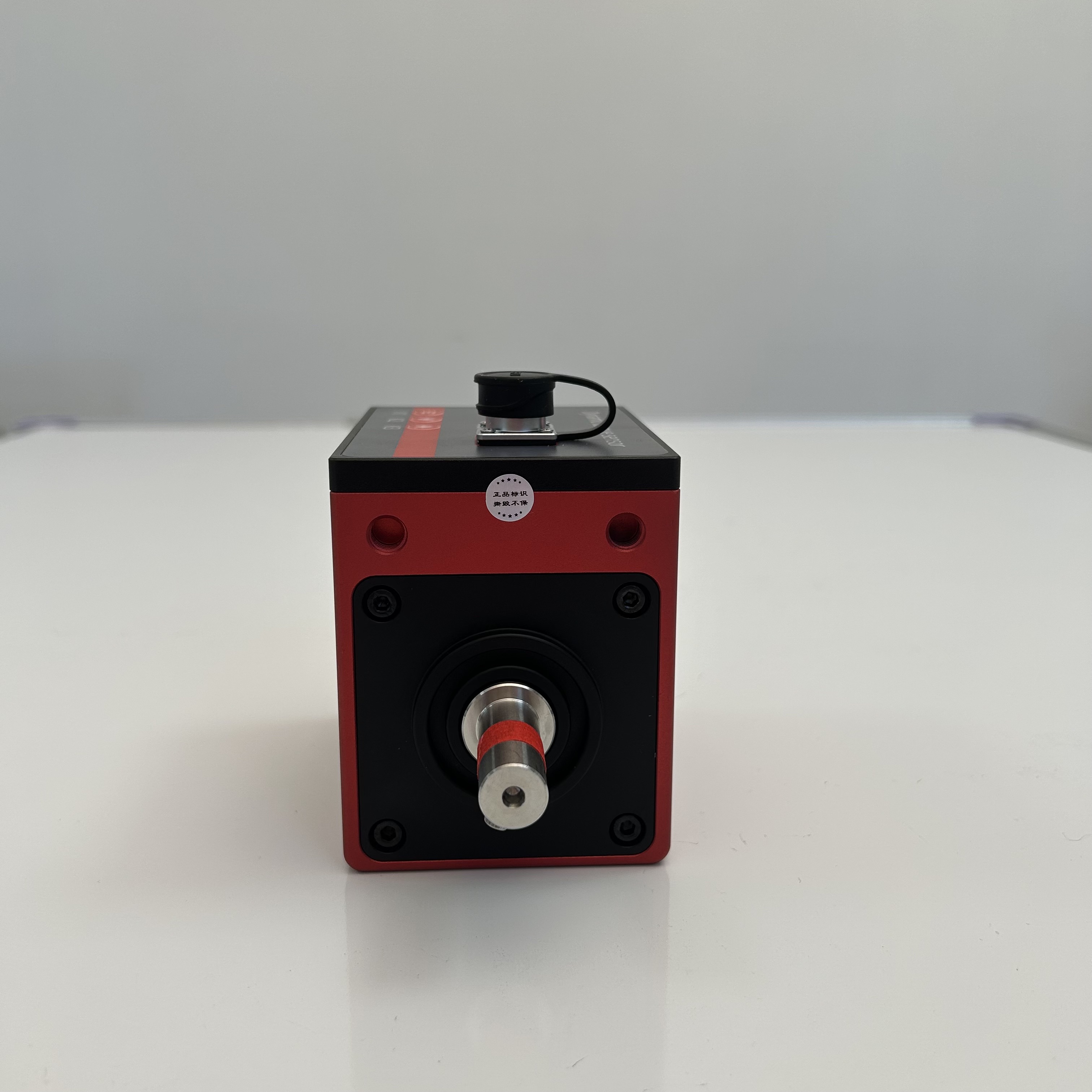
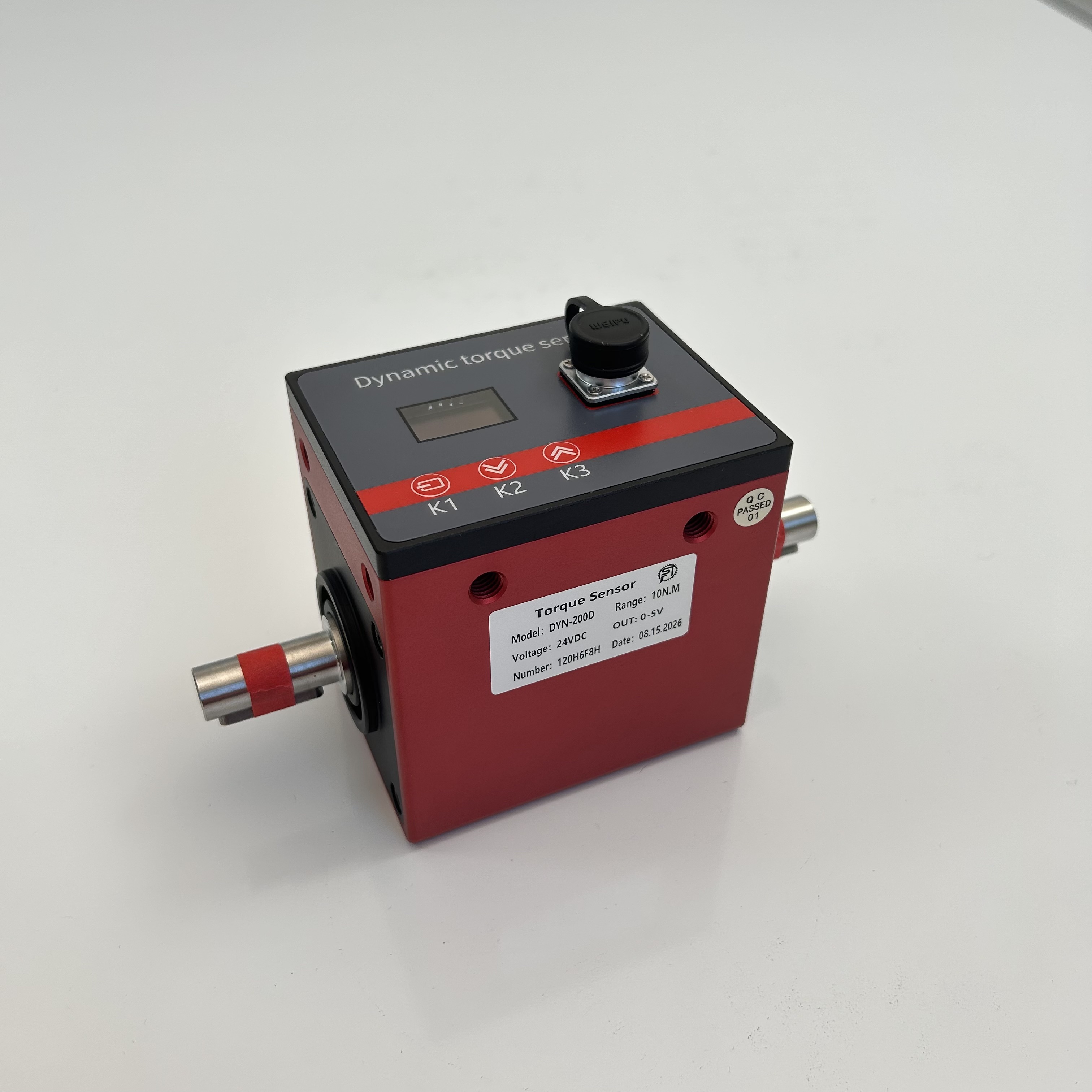
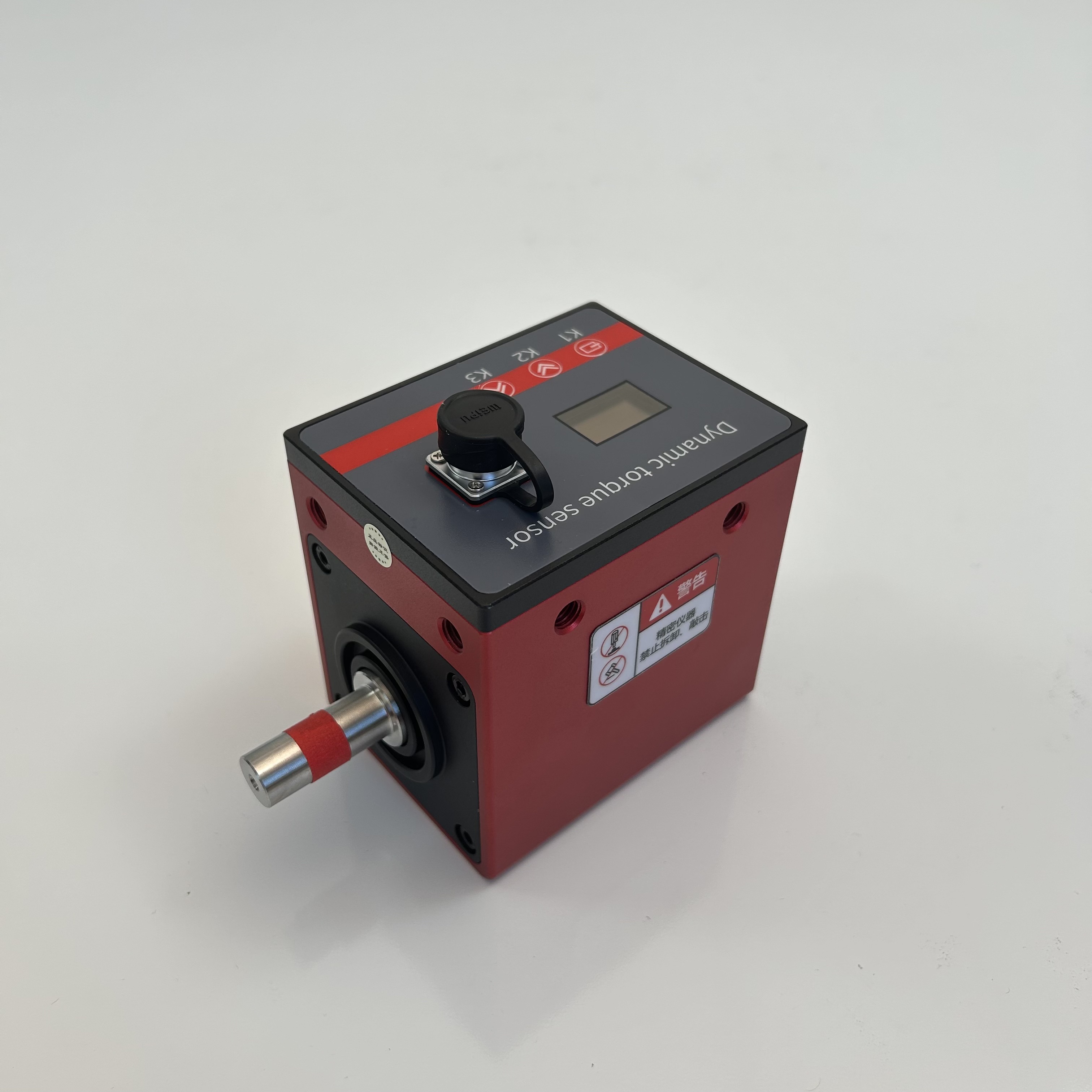
Torque sensors  are  critical  components used in  various industrial applications  to measure  torque—the rotational  force applied to an object. As a B2B buyer, understanding  the specifications  and  functionality of torque  sensors is essential for selecting  the right product for  your needs. This  article  addresses key buyer concerns such as specifications,  cost  factors, installation  issues, and comparisons between different types of  torque sensors, including an Incremental encoder for precise measurements. By the end, readers will have a clearer  understanding of how to source torque sensors effectively.

What Buyers Should Know

What Buyers Should Know

When purchasing torque sensors, buyers should be aware of several critical factors:


Customization Needs: Many manufacturers, including JIANGXI JINGCE SENSING TECHNOLOGY CO., LTD., offer OEM and ODM solutions. If your application has specific requirements,  such as unique dimensions  or specialized outputs, inquire  about customization options early in the procurement process.

Quality Certifications: Verify that the torque sensors meet relevant industry standards and certifications, such as  CE and RoHS. These certifications not only ensure  compliance with safety and environmental regulations but also reflect  the manufacturer's commitment to quality.


Supplier Reputation: Research potential suppliers to understand their  market presence and  reliability. Look for reviews or  case studies that  demonstrate successful implementations of  their torque sensors in similar  applications.

Technical Support:  Ensure the manufacturer provides  adequate technical support and  documentation.  This should include installation guides, troubleshooting tips, and access to customer  service for any post-purchase  inquiries.

Cost Factors to Consider When Purchasing Torque Sensors Wholesale

Cost Factors to Consider When Purchasing Torque Sensors Wholesale

The cost of torque sensors can vary  significantly based on several factors:

Type of Sensor: Different types of torque sensors, such as rotary,  static, or wireless models, come with varying price points. The choice of type should  align with your specific application  requirements and budget constraints.

Volume Discounts: When purchasing  wholesale, inquire about volume discounts. Many manufacturers  offer reduced pricing for bulk orders, which can significantly lower your overall costs.


Customization  Expenses: If you  require customized solutions, be prepared for additional costs. Customization can include  changes in design, materials, or features that may not be  available in off-the-shelf products.

Shipping  and Handling: Consider the costs associated with shipping, especially for international orders. Understanding these logistics upfront can help avoid unexpected expenses later  in the procurement process.

Maintenance and Calibration:  Factor in the long-term costs associated  with maintenance and  calibration of the sensors.  While the initial purchase price is important,  ensuring  that the sensors  remain accurate over time will incur additional expenses.

Common Installation Problems with Torque Sensors and Solutions

Common Installation Problems with Torque Sensors and Solutions

Proper  installation of torque sensors  is critical for accurate  performance. However, several common problems can arise:

Misalignment: If the sensor is not aligned properly with the shaft or load, it  can result in inaccurate readings. To avoid  this, ensure that the mounting fixtures are correctly installed, and use alignment tools as necessary.

Improper Wiring: Incorrect wiring can  lead to sensor failure  or malfunction. Always refer to the manufacturer’s  wiring diagrams and instructions to ensure correct connections.

Environmental Interference:  External factors, such as electromagnetic interference or  extreme temperatures,  can  affect  sensor  performance. Using shielded cables  and ensuring that the sensor  is rated for the environmental conditions can  mitigate these issues.

Calibration Issues: If the sensor is not calibrated correctly before use, it may not provide accurate readings. Perform calibration as recommended  by  the  manufacturer and consider periodic recalibration based on usage.

Comparing Different Types of Torque Sensors for Your Projects

When selecting torque sensors, understanding  the differences between the various types is essential:

Rotary Torque Sensors: These sensors measure torque in rotating applications, such as motors or turbines. They are available in both contact and non-contact types. Non-contact sensors often offer  higher accuracy and  lower wear.

Static Torque  Sensors: Designed for applications where the torque  is  applied without rotation, these sensors are often used in assembly lines for tightening bolts. They are typically simpler and less expensive than rotary sensors.

Wireless Torque Sensors: These sensors provide the advantage of eliminating cables, which can be cumbersome in rotating applications. However, they may come  at a higher cost and require considerations for  battery life  and signal  integrity.

Multichannel  Torque Sensors: Ideal for applications requiring simultaneous measurement of multiple torques,  these  sensors can streamline the data collection process but may require more complex integration.

Each type has its advantages  and disadvantages,  and the right choice will depend on the specific requirements  of your project, including accuracy, environmental conditions, and budget constraints.

By understanding these aspects of torque sensors, buyers can  make informed decisions that align with their operational needs and ensure the successful implementation of  these critical  components in  their systems.

Key Specifications to Consider When Sourcing Torque Sensors

When sourcing torque sensors, several key specifications must be evaluated to ensure suitability  for your application.

Measurement Range: This refers to the minimum and maximum torque values the sensor can measure. It is crucial to select a  sensor that can handle  the expected torque levels in your application without exceeding its limits,  as this could lead  to inaccurate readings or sensor failure.

Accuracy and Resolution: Accuracy indicates  how close  the measured value is to the actual value, while resolution refers to the smallest change in  torque that can be detected. High accuracy and resolution are vital in applications where precise torque measurement is necessary,  such as in automotive or aerospace  industries.

Output Type: Torque sensors can provide various output types, including analog signals (e.g., voltage  or current) or digital outputs (e.g.,  RS-232, CAN). Choosing the right  output type ensures compatibility with your existing systems  and data acquisition equipment. For example, an Analog output may be necessary for specific applications.

Environmental Conditions:  Consideration of the  operating environment is essential. Factors such as temperature, humidity, and exposure to  chemicals can impact sensor performance. Ensure  the sensor is rated for the specific conditions it will encounter in your application.

Mounting Options: Different applications may  require specific mounting configurations.  Ensure the torque sensor can be easily integrated into your setup, whether it’s a shaft-mounted sensor or one requiring a specialized fixture.

Frequently Asked Questions

What applications suit this torque sensor?

Our torque sensor is ideal for lifting, weighing, automation, and new energy systems requiring high-precision torque measurement and monitoring.
We offer high-precision models with various torque ranges and accuracies; specifications are customized per application—contact us with your required range.
Yes. We provide OEM/ODM customization for mechanical design, signal output, calibration, and mounting to meet your project needs.
Our torque sensors comply with CE and RoHS standards and are manufactured under strict quality controls for reliable industrial performance.
Available outputs include analog (mV/V, 4-20mA, 0-10V) and digital interfaces; wireless options available for dynamometer integration upon request.

Get a Free Quote

Our representative will contact you soon.
0/1000