Comparing Different Types of Torque Sensors for Your Projects
When selecting torque sensors, understanding the differences between the various types is essential:
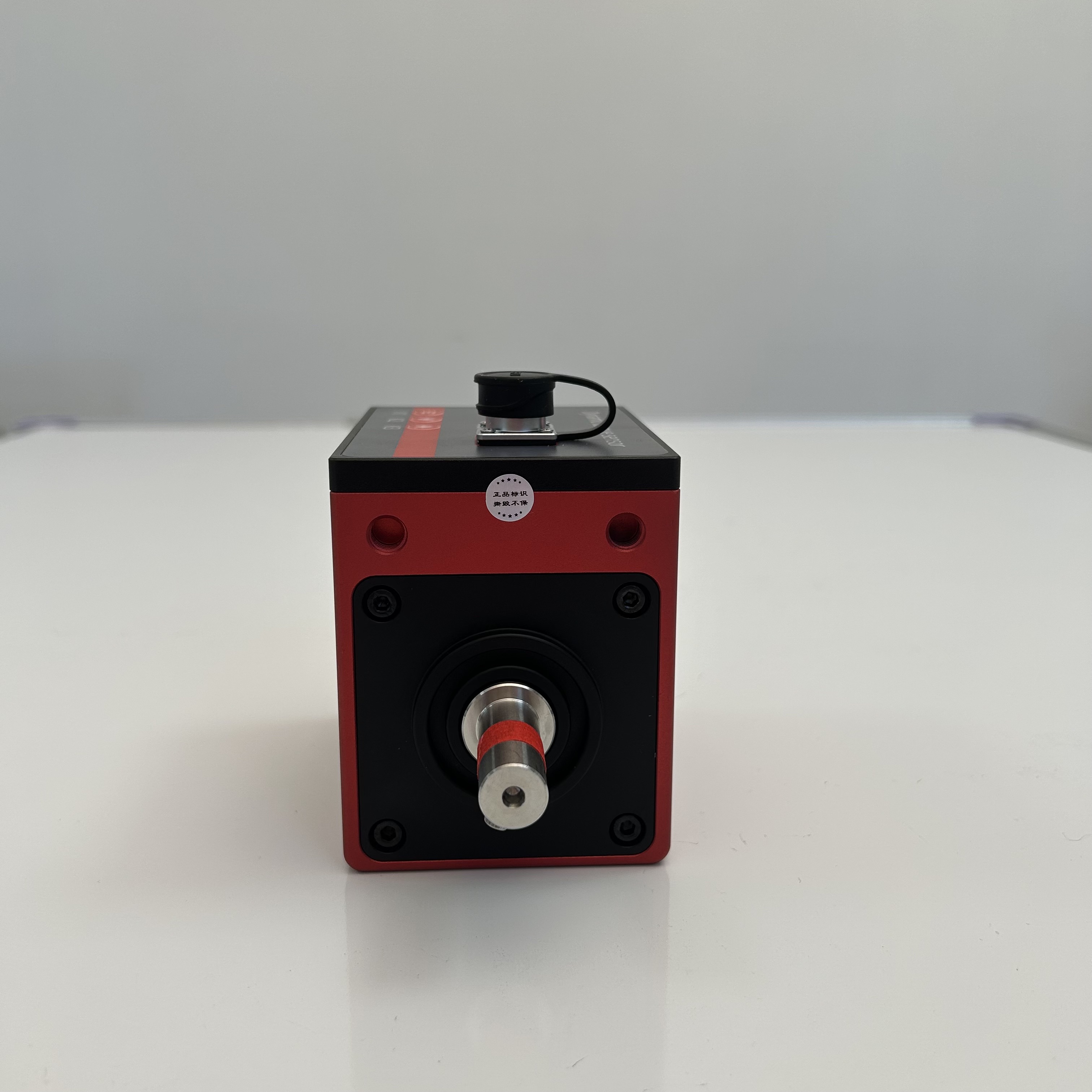
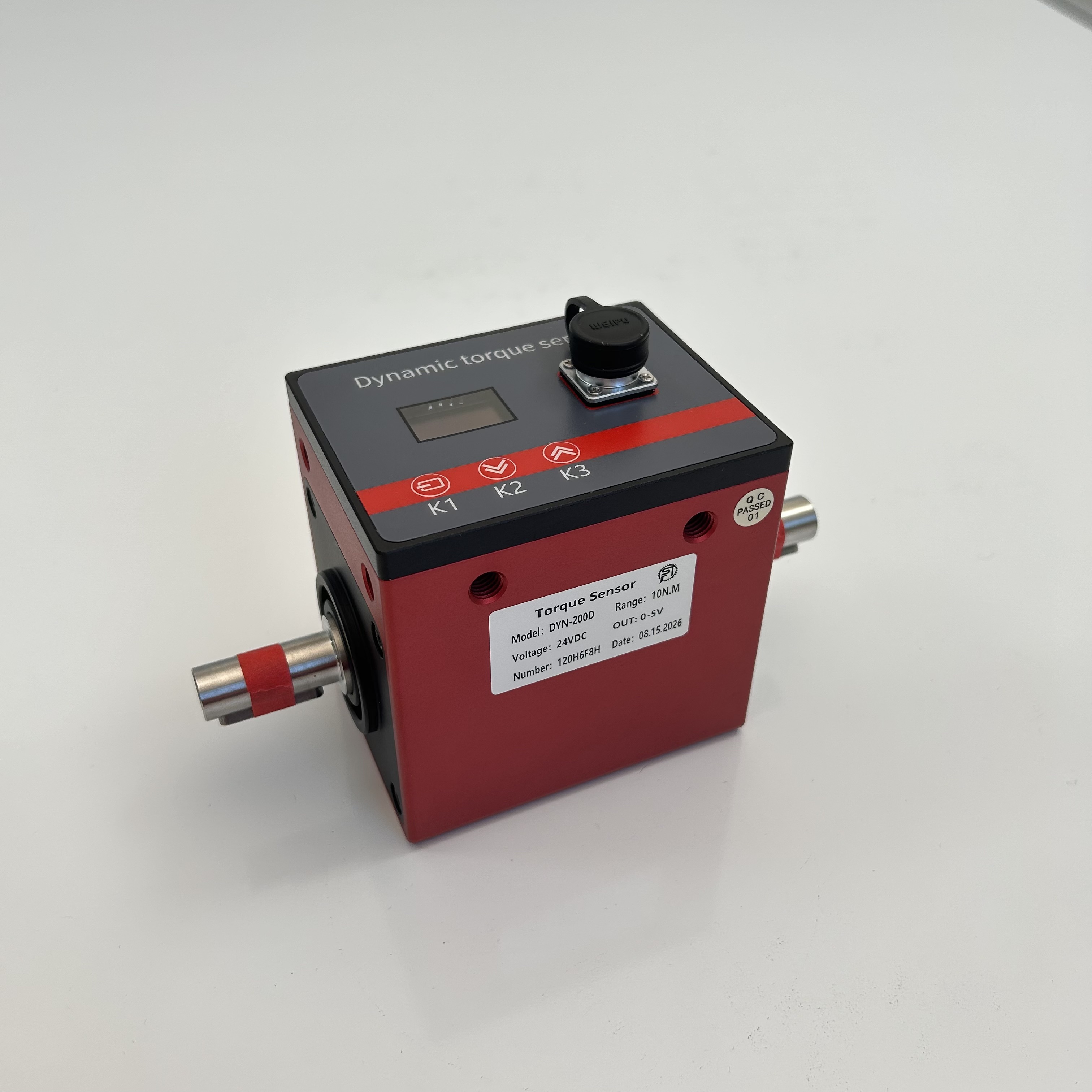
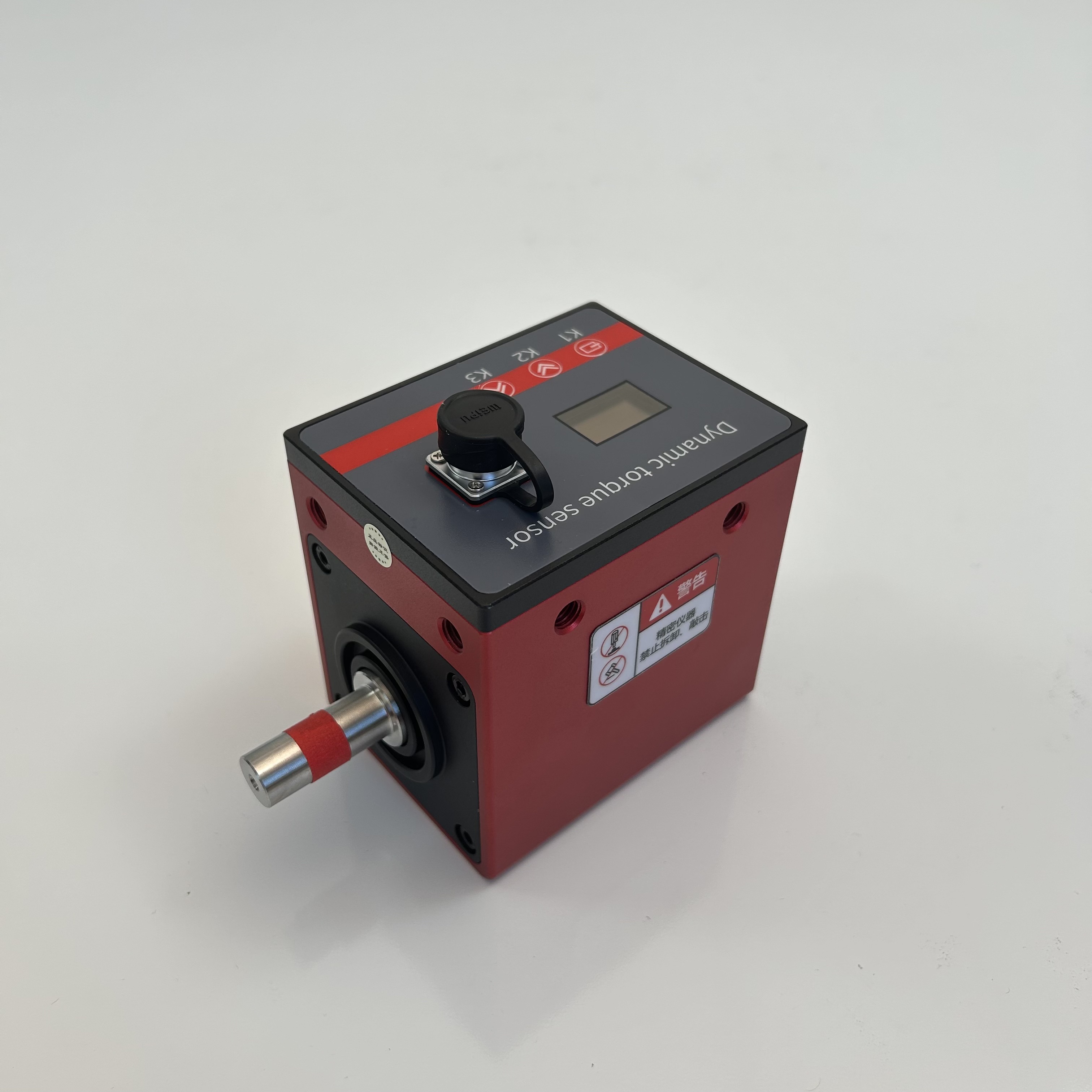
Rotary Torque Sensors: These sensors measure torque in rotating applications, such as motors or turbines. They are available in both contact and non-contact types. Non-contact sensors often offer higher accuracy and lower wear.
Static Torque Sensors: Designed for applications where the torque is applied without rotation, these sensors are often used in assembly lines for tightening bolts. They are typically simpler and less expensive than rotary sensors.
Wireless Torque Sensors: These sensors provide the advantage of eliminating cables, which can be cumbersome in rotating applications. However, they may come at a higher cost and require considerations for battery life and signal integrity.
Multichannel Torque Sensors: Ideal for applications requiring simultaneous measurement of multiple torques, these sensors can streamline the data collection process but may require more complex integration.
Each type has its advantages and disadvantages, and the right choice will depend on the specific requirements of your project, including accuracy, environmental conditions, and budget constraints.
By understanding these aspects of torque sensors, buyers can make informed decisions that align with their operational needs and ensure the successful implementation of these critical components in their systems.
 EN
EN