Key Specifications for Compression Load Cells

application/s-type-load-cell-compression, application/s-type-load-cell-compression, 
Inquiry
Inquiry

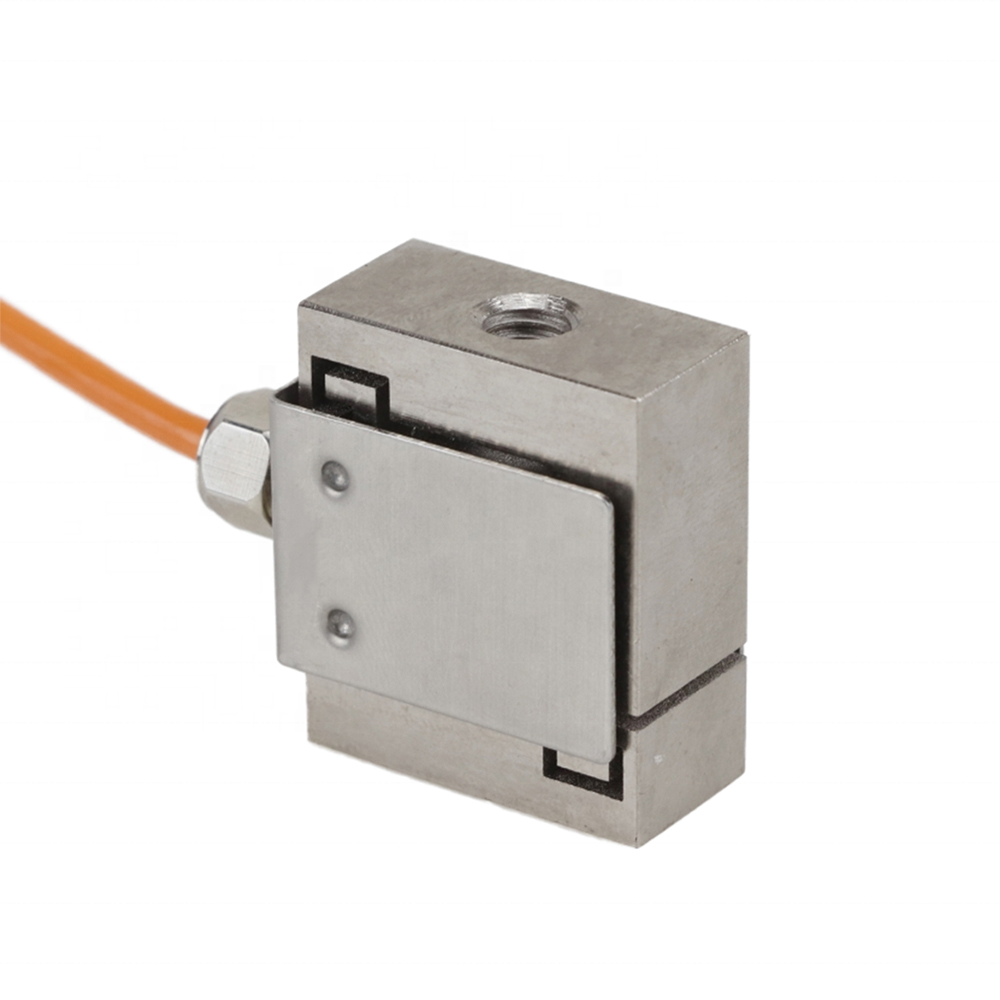
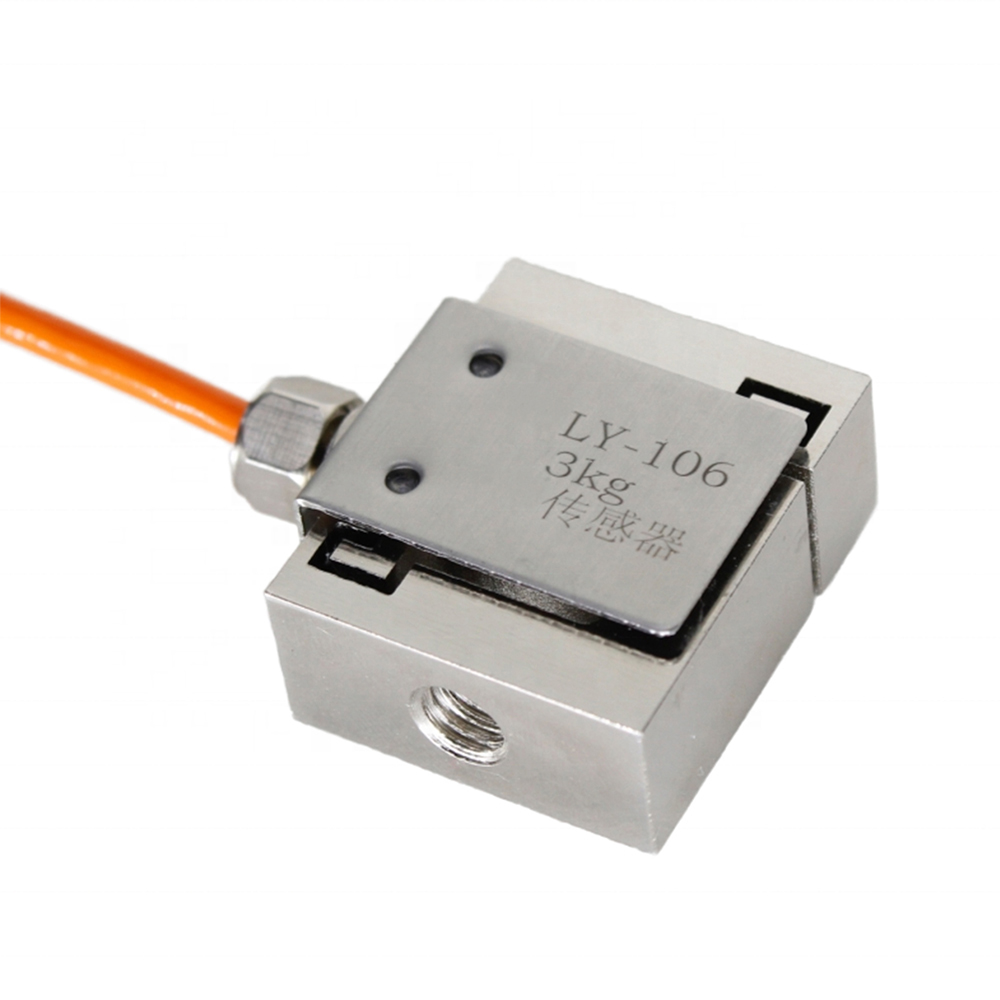
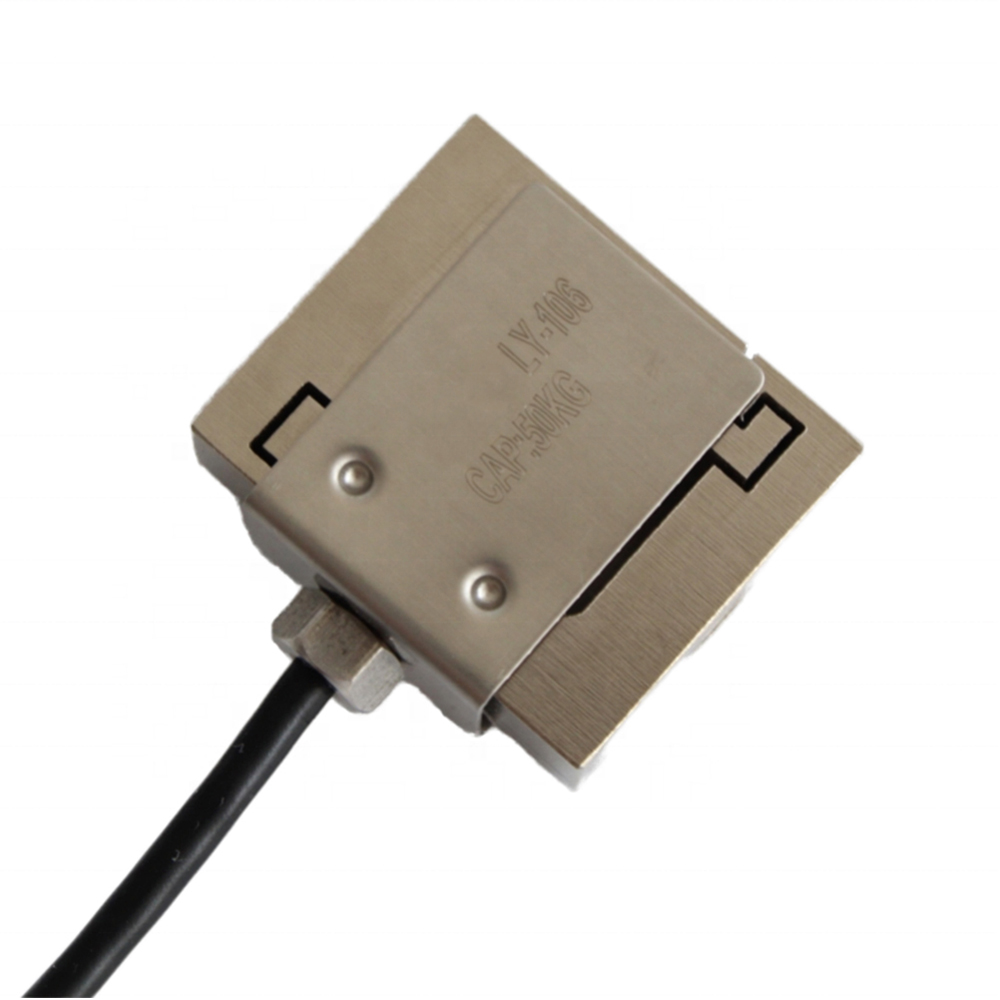
s type load cell compression

Compression load  cells are essential components in various industrial applications, designed to accurately measure  force, weight, or pressure.  Understanding the specifications, applications,  and best practices  for selecting these devices is crucial for buyers  looking to  ensure reliability and  performance in their  operations.  This  article will address  key buyer concerns such as product specifications, cost  factors, and  supplier  reliability, ultimately guiding  you in  making  informed purchasing decisions  regarding compression  load cells.

Reliable Suppliers of Compression Load Cells

Reliable Suppliers of Compression Load Cells

Finding a trustworthy  supplier for compression load cells is paramount to ensuring quality and reliability. Look for suppliers with:

Certifications: Verify that the supplier has necessary certifications,  such as CE or RoHS, which  indicate  compliance with  safety and environmental standards.

Reputation: Research  the supplier's reputation by checking reviews, testimonials, and case  studies. Experienced suppliers often provide valuable insights into their products’  performance in real-world applications.

Customization Options: Many  suppliers, like JIANGXI JINGCE SENSING TECHNOLOGY CO., LTD.,  offer OEM/ODM solutions tailored  to  specific industry requirements. Customization capabilities can  include unique dimensions, materials, and configurations that meet unique  application needs.

Technical  Support: Reliable suppliers provide technical support throughout the purchasing  process and post-sale. This support can be crucial when integrating load cells into  existing  systems.

Manufacturing Capabilities: Understanding the supplier's manufacturing processes and quality control  measures can also help ensure that the load cells are produced consistently and meet specified  standards.

Understanding the Cost Factors for Compression Load Cells in Manufacturing

Understanding the Cost Factors for Compression Load Cells in Manufacturing

The price of compression load cells can vary greatly based on several factors:

Material Costs: The choice of materials  directly impacts  the cost. Stainless steel load  cells are generally more expensive than aluminum ones, due to their  durability and resistance to environmental factors.

Load Capacity and Specifications: Higher capacity and  more precise  load  cells typically cost more.  The complexity of the technology used in the  load cell can also  affect pricing.

Customization Needs: Custom-built load cells designed for specific applications or environments may incur additional costs.  Buyers should clearly communicate their requirements to receive accurate quotations.

Order Quantity: Bulk orders often come with discounts, so understanding the minimum order quantity (MOQ) and potential savings on larger orders can influence purchasing decisions.

Shipping and Handling: Consideration of shipping logistics and associated costs is essential, particularly  for  international orders.

Supplier Terms and Warranty: The terms of sale, including warranty and after-sales service, can influence overall costs. A longer warranty  may come at a  higher initial price but can  save costs in the long run.

Understanding  these cost factors allows buyers to budget  effectively and  evaluate  the total cost of ownership for compression load cells.

Applications of Compression Load Cells in Various Industrial Settings

Applications of Compression Load Cells in Various Industrial Settings

Compression load cells have diverse applications  across multiple industries:

Manufacturing: In manufacturing environments,  these  load cells are often used for quality control, ensuring products  meet  weight specifications during production.

Material Testing: Compression load cells are integral  to material testing setups, where  they measure the force required to compress materials, providing critical data for R&D.

Aerospace and Automotive: In these sectors, load cells are  used in testing components for  strength and  durability, ensuring safety  and compliance with regulations.

Logistics and Weighing Systems: Compression load cells are widely used in weighing scales and batching systems, helping to accurately measure loads during  transportation or processing.

Construction: They are used  to monitor loads  on structural components in construction, ensuring that materials can withstand the forces they encounter.

Understanding the specific applications of  compression load  cells  helps buyers identify  suitable products for  their  operational needs.

Guidelines for Selecting the Right Compression Load Cell for Your Application

Choosing the right compression load cell  involves several considerations:

Load Requirements: Confirm the maximum load the load cell will experience and select a model that can handle  this load with an appropriate safety margin.

Environmental  Conditions: Assess the operating environment, including temperature ranges, humidity, and exposure to chemicals.  Ensure that the  selected load cell  is rated for these  conditions.

Installation Space: Evaluate the physical dimensions  and  mounting  options  of the load cell. The chosen load cell should fit into the designated space without requiring significant modifications.

Signal Output:  Determine the type of signal output  required for your application (analog or digital)  and ensure compatibility with existing systems for data acquisition.

Calibration and Maintenance: Consider the ease of calibration and maintenance  for  the load cell. Some models may require regular calibration, which can impact operational efficiency.

Supplier Support: Engage with suppliers  that provide comprehensive technical support, including installation guidance and troubleshooting assistance.

By following these  guidelines, buyers can confidently select compression load cells that align with their operational  requirements and quality standards.

Key Specifications of Compression Load Cells for Bulk Orders

When evaluating compression load cells for bulk orders, several key specifications must be considered:

Load Capacity:  Compression  load cells come in various load capacities, typically ranging from a few grams to several tons. It's vital to select a load cell that can handle the maximum  expected load without  compromising accuracy.

Accuracy and Precision: The accuracy  of a  load cell is often expressed as a percentage of the full-scale output (FSO).  High-precision  load cells are crucial in applications where  even minor variations in weight measurement  can lead to significant operational issues.

Material Construction: The choice of material affects durability and compatibility with various environments. Stainless  steel is commonly used for its resistance to corrosion,  while aluminum might be selected for lighter-duty applications. For example, the Customizable PMC Sensors Load Cell Transmitter offers various material options for different applications.

Size and Dimensions:  The physical size and mounting configuration  of the load  cell should align with the installation requirements and space constraints of  your specific application.

Environmental Ratings: Consider the environmental conditions where the load cell will be used. An IP rating indicates the level of protection from dust and moisture, which is critical in harsh industrial settings.

Connection Type: Load cells may have different types of  electrical connections (e.g., analog, digital), which should match the existing systems for data acquisition to ensure seamless integration. The Mv Signal Amplifier for Load Cell can be a great addition for ensuring compatibility.

By confirming these specifications, buyers can ensure the selected compression load cells meet their  operational needs and standards.

Frequently Asked Questions

What is the S type load cell compression used for?

Designed for precise compression force measurement in lifting, weighing, automation, and new energy applications. Ideal for testing, overload protection, and process control.
High-precision design with CE and RoHS compliance. Accuracy class depends on model; contact us for specific calibration and specification sheets.
Available in multiple ranges from small to heavy duties. Exact capacity options vary by model; we provide OEM/ODM customization to match your required range.
Compact S-type form factor with standard mounting holes and cable connector. We provide wiring diagrams and installation guidance for safe, reliable integration.
Yes. We offer factory calibration, custom mounting, signal conditioning, and OEM/ODM solutions to meet application-specific requirements.

Get a Free Quote

Our representative will contact you soon.
0/1000