0-10V Load Cell Amplifiers: Key Specs & Guidance

application/load-cell-amplifier-0-10v, application/load-cell-amplifier-0-10v, 
Inquiry
Inquiry

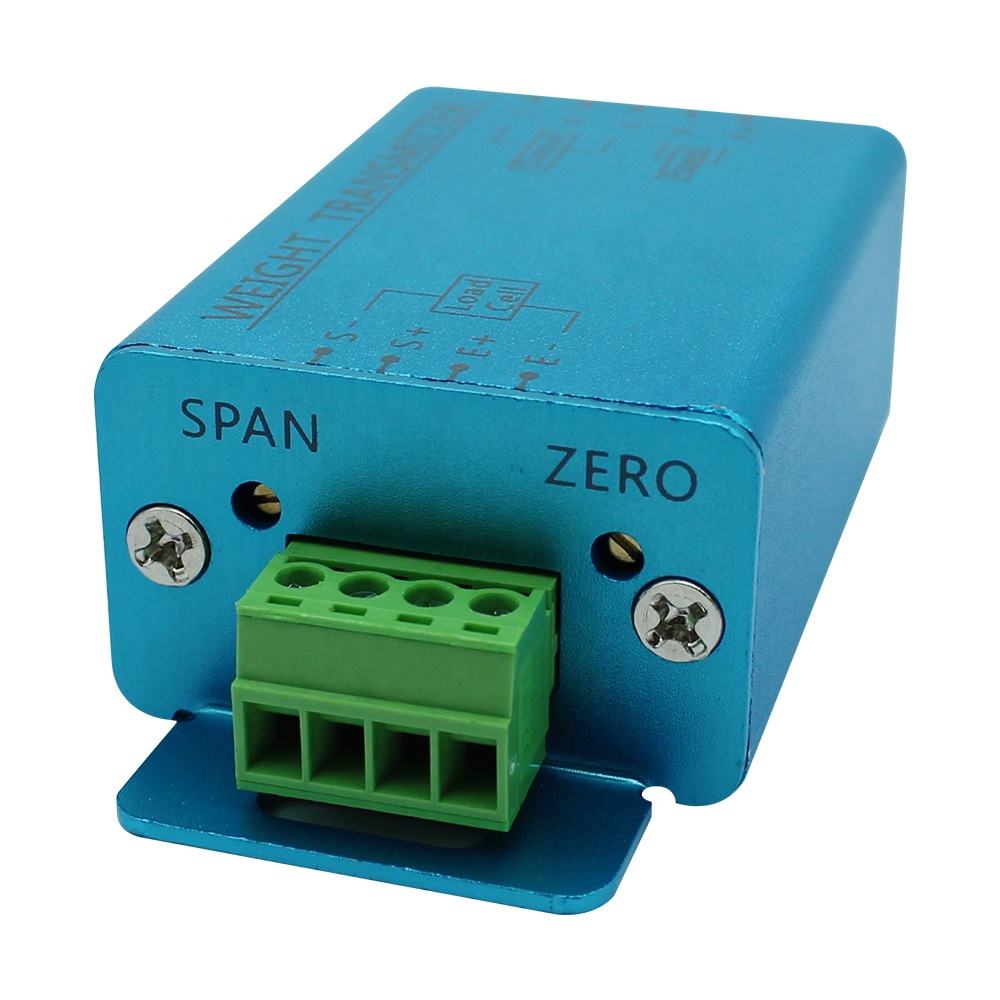
Load cell amplifier 0 10v

Load cell amplifiers are crucial components in various industrial applications, converting the minute signals from load cells into usable voltage levels for accurate measurement and control. Specifically, the 0-10V load cell amplifier is widely used in systems requiring precise data transmission over long distances. For B2B buyers, understanding the specifications, installation processes, and potential challenges associated with these devices is vital for ensuring optimal performance in their applications. This article will guide you through essential considerations when sourcing, installing, and maintaining 0-10V Load cell amplifiers.

Key Specifications of 0-10V Load Cell Amplifiers Explained

Key Specifications of 0-10V Load Cell Amplifiers Explained

Understanding the key specifications of 0-10V load cell amplifiers can significantly impact their performance and compatibility with your systems. Here are the most critical specifications to consider: 

Input Voltage Range: The amplifier must accommodate the output from your load cell. Commonly, load cells Transmitter generate millivolt signals, which the amplifier will convert to a 0-10V output. 

Gain: This determines how much the amplifier will increase the signal from the load cell. Selecting the correct gain is crucial; too high a gain can saturate the output, while too low may not provide sufficient resolution. 

Linearity: This specification reflects how closely the amplifier's output corresponds to the input signal. Higher linearity ensures more accurate measurements across the entire range. 

Temperature Range: Ensure the amplifier can operate within the environmental conditions of your application, as extreme temperatures can affect performance. 

By carefully reviewing these specifications, you can select an amplifier that best suits your application requirements. 

Installation Guidance for 0-10V Load Cell Amplifiers

Installation Guidance for 0-10V Load Cell Amplifiers

Proper installation of 0-10V load cell amplifiers is essential for their optimal performance. Here are some key steps and considerations: 

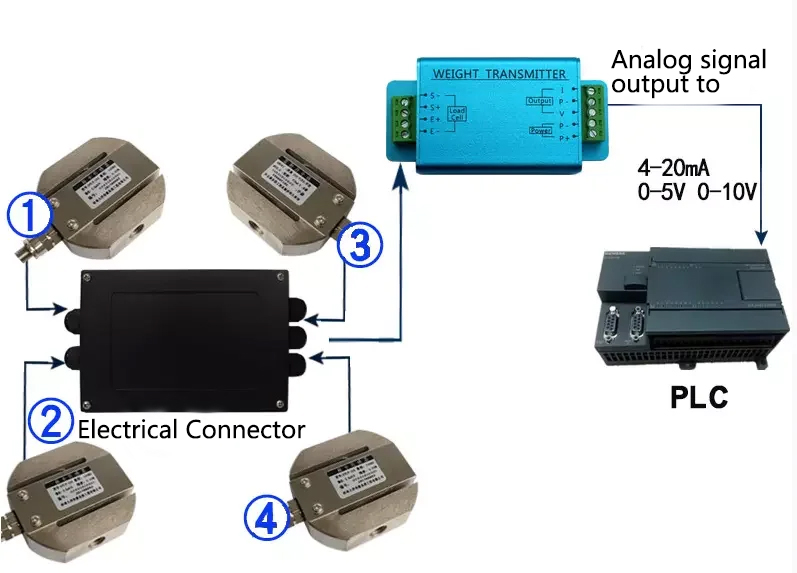
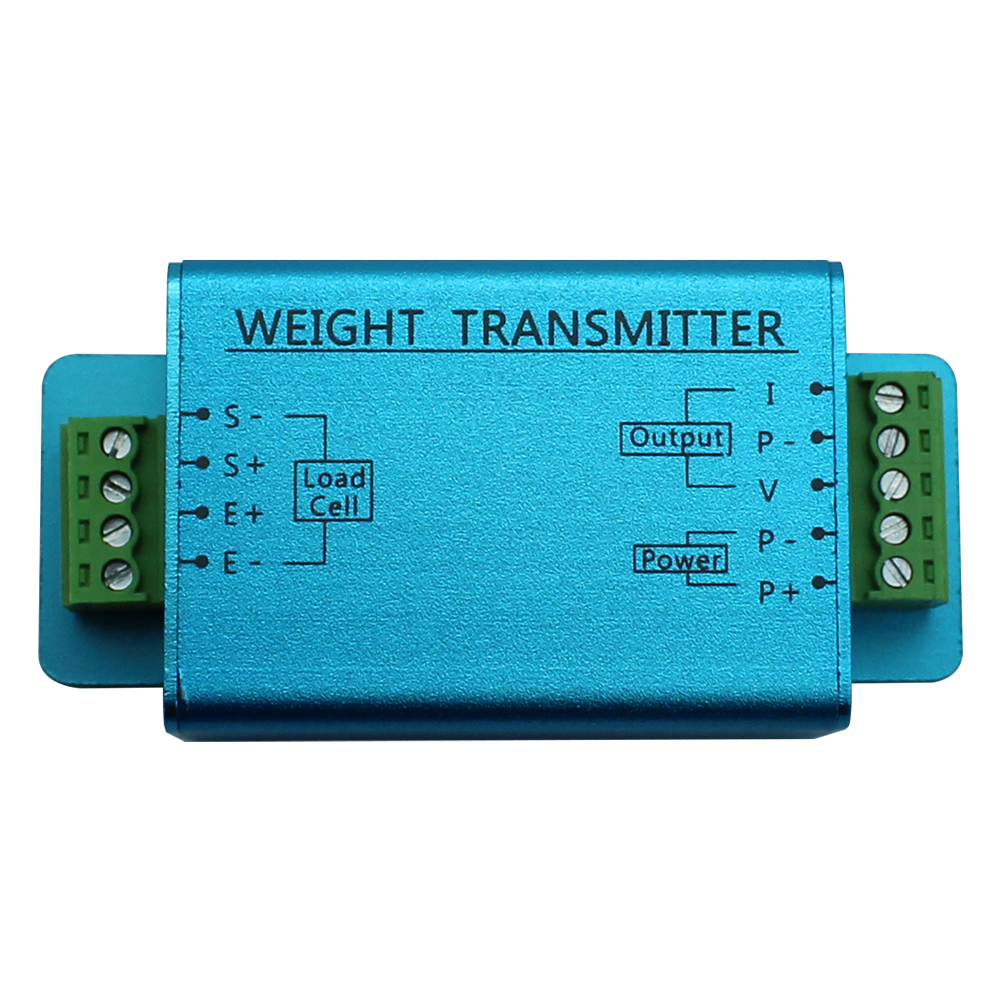
Wiring: Follow the manufacturer's wiring diagram closely. Ensure that all connections are secure and that the correct polarity is maintained to prevent damage. 

Grounding: Adequate grounding is critical to avoid electrical noise interference, which can lead to inaccurate readings. Use shielded cables where necessary to reduce noise. 

Calibration: After installation, calibrate the amplifier according to the manufacturer’s instructions. This process typically involves applying known weights and adjusting the output to ensure accuracy.  

Environmental Considerations: Install the amplifier in a suitable environment that protects it from moisture, dust, or extreme temperatures, which could affect its operation. 

Following these guidelines will help ensure that your load cell amplifier operates effectively and reliably. 

Common Problems with Load Cell Amplifiers and Their Solutions

Common Problems with Load Cell Amplifiers and Their Solutions

While load cell amplifiers are generally reliable, certain issues may arise during their operation. Here are some common problems and their solutions: 

Signal Noise: Electrical noise can interfere with signal quality. Ensure proper grounding and use shielded cables to mitigate this issue. If problems persist, consider installing a low-pass filter. 

Output Saturation: If your output voltage exceeds 10V, it may indicate an issue with gain settings or an overloaded input. Check the gain settings and ensure the load cell is within its rated capacity. 

Non-Linear Output: If the output does not match the expected linear response, recalibration may be necessary. Periodically check calibration to ensure continued accuracy.  

Temperature Drift: Changes in temperature can affect the amplifier's performance. Use amplifiers with specified temperature compensation features to minimize this issue. 

Being aware of these potential problems and their solutions can help maintain the reliability of your load cell amplifiers. 

Comparing Load Cell Amplifier Options for Bulk Orders

When considering bulk orders for load cell amplifiers, evaluating different options can lead to significant cost savings and improved efficiency. Here are some criteria to consider: 

Pricing Structure: Request pricing for various quantities to understand volume discounts. Some manufacturers may offer better rates for higher quantities or long-term contracts. 

Lead Time: Confirm lead times for bulk orders, as this can vary significantly between suppliers. Ensure that the supplier can meet your production schedules. 

Customization Options: For bulk orders, inquire about customization capabilities. Tailored solutions can enhance compatibility with your existing systems and improve functionality.  

Quality Assurance: Investigate the manufacturer's quality control processes. Understanding their testing and inspection procedures can provide confidence in the reliability of your order. Look for manufacturers that follow established quality standards and conduct regular inspections throughout the production process. It is also helpful to ask about certifications, quality assurance policies, and procedures for handling defective or damaged products. Manufacturers with clear documentation and consistent quality checks are generally better prepared to maintain product standards. In addition, consider whether they perform raw material inspections, in-process testing, and final product evaluations before shipment. Reviewing customer feedback, warranty policies, and return procedures can also provide valuable insight into the manufacturer's commitment to quality. A reliable quality control system can reduce defects, minimize delays, and help ensure that products consistently meet your expectations. 

Sourcing Quality Load Cell Amplifiers

When sourcing load cell amplifiers, it is essential to partner with manufacturers that prioritize quality and reliability. Look for companies with CE/RoHS certifications, which ensure compliance with safety and environmental standards. JIANGXI JINGCE SENSING TECHNOLOGY CO., LTD., for example, specializes in high-precision Load cell indicator and amplifiers, making them a trusted source for OEM/ODM solutions in the weighing and automation sectors. 

Consider the following factors when sourcing:  

Specifications: Ensure the amplifier meets the technical requirements of your application, such as input voltage range, output voltage, and signal conditioning capabilities. 

Customization: Many suppliers offer customization options to tailor the amplifier to specific applications, including variations in output types, housing materials, and connectors.  

Lead Time and MOQ: Understand the manufacturer’s production capacity and minimum order quantities (MOQ) to meet your project timelines effectively. 

By evaluating these factors, you can make informed decisions that align with your operational needs. 

Frequently Asked Questions

What is the load cell amplifier 0-10V used for?

It converts load cell or force sensor signals into a 0–10V analog output for easy integration with PLCs, data loggers, and control systems in weighing and automation applications.
Compatible with most strain gauge load cells and force sensors that provide mV/V outputs; ideal for our high-precision load cells and wireless dynamometers.
Manufactured under CE and RoHS compliant processes, supporting OEM/ODM quality standards for industrial lifting, weighing, and new energy sectors.
Typically powered by a DC supply (check model spec), with input terminals for the load cell bridge and a 0–10V output terminal for control or measurement devices.
Yes. We offer OEM/ODM customization for output scaling, filtering, mounting, and connectors to match your system requirements and industry applications.

Get a Free Quote

Our representative will contact you soon.
0/1000