Choosing the Right Compression Load Cell Sensor

application/compression-load-cell-sensor, application/compression-load-cell-sensor, 
Inquiry
Inquiry

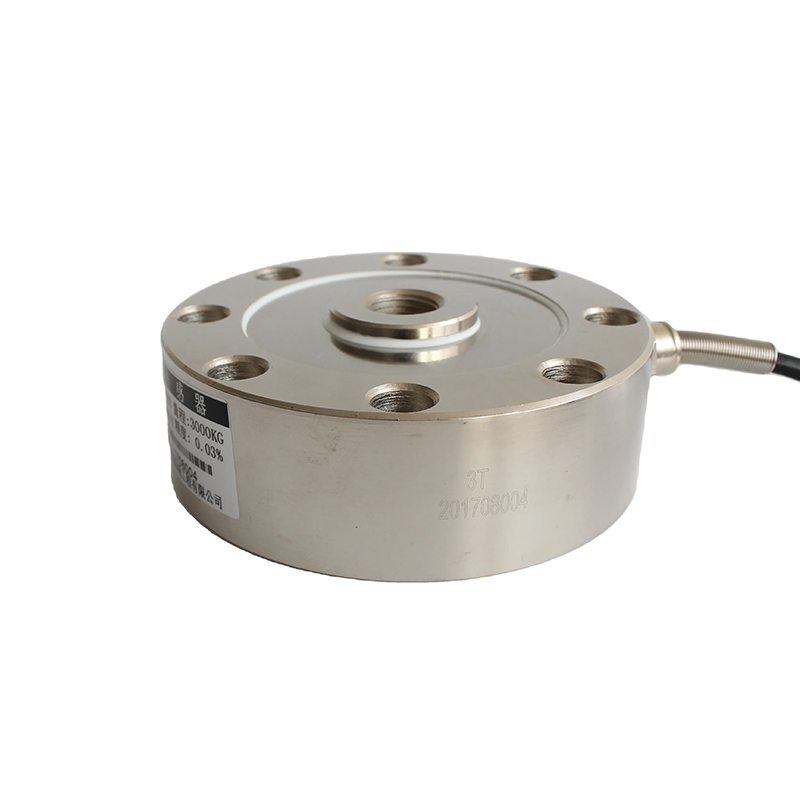
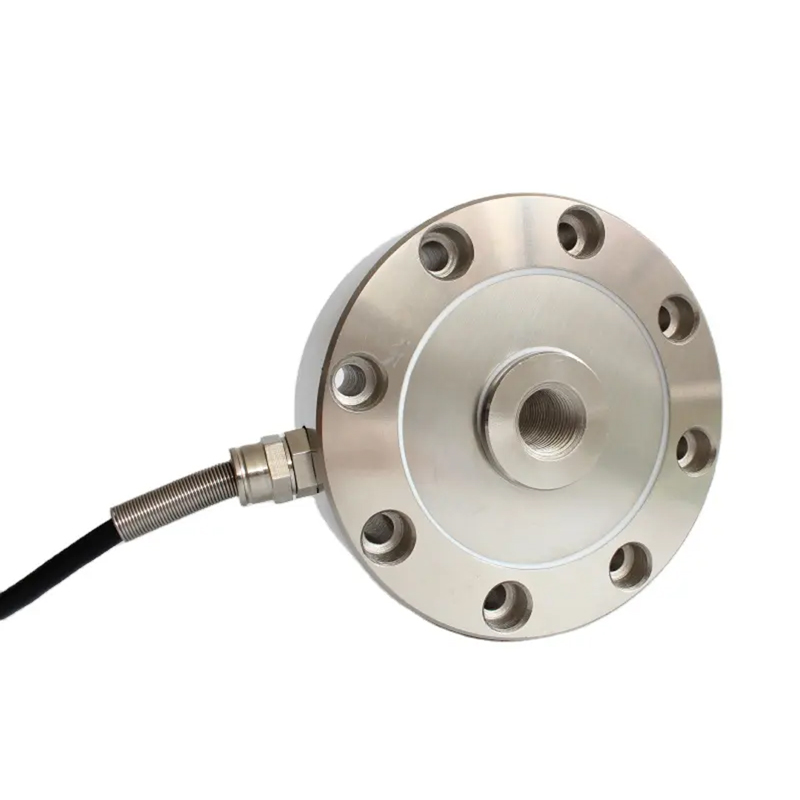
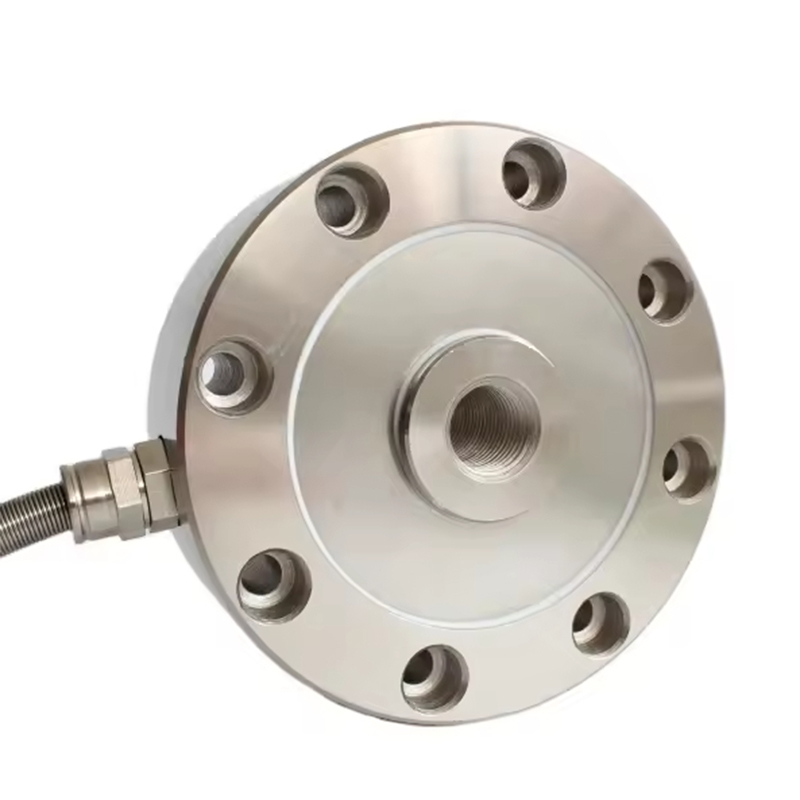
Compression load cell sensor

Compression load cell sensors are essential components in various industrial applications, helping to measure force or weight with high precision. For B2B buyers, selecting the right compression load cell sensor is crucial, as it impacts product performance, accuracy, and reliability. This article will address key considerations for purchasing these sensors from PST, including specifications, cost factors, common issues, and their applications across different industries.  

Key Specifications to Evaluate in Compression Load Cell Sensors

Key Specifications to Evaluate in Compression Load Cell Sensors

When evaluating compression load cell sensors, several key specifications should be considered:

Load Capacity: This indicates the maximum weight the load cell can measure. Ensure the capacity exceeds your application requirements to prevent damage. 

Accuracy and Linearity: Accuracy and linearity refers to how closely the sensor's output reflects the actual weight. Linearity indicates how consistently the sensor performs across its entire range. A linear response is crucial for applications requiring precise measurements.  

Sensitivity: This defines the change in output for a given load change. Higher sensitivity is beneficial for detecting small changes in force. 

Temperature Effects: Compression load cells can be sensitive to temperature variations. Look for specifications that detail the temperature range and the sensor’s performance at different temperatures.  

Material and Construction: The material used in the load cell affects durability and performance. Stainless steel is commonly used for its strength and resistance to corrosion, making it suitable for various environments. 

Output Signal Type: Load cells for scales can provide different types of outputs, including analog (voltage or current) and digital signals. Choose the type that fits your data processing requirements. 

Evaluating these specifications will help ensure that the compression load cell sensor you choose meets the demands of your application. 

Cost Factors to Consider When Purchasing Compression Load Cells

Cost Factors to Consider When Purchasing Compression Load Cells

The cost of compression load cells can vary widely based on several factors. Understanding these can help you make informed purchasing decisions: 

Material Quality: Load cells from PST made from high-quality materials, such as stainless steel, may have a higher upfront cost but offer better durability and longer life spans, leading to lower replacement costs over time. 

Accuracy and Performance Levels: Sensors with higher accuracy and performance capabilities typically come at a premium. Consider whether your application truly requires these higher specifications to justify the investment. 

Customization: Custom features, such as specific dimensions, output types, or environmental protections, can increase costs. Clearly define your requirements to avoid unnecessary customization. 

Quantity: Bulk purchases often result in discounts. If your project requires multiple load cells for weighing, inquire about pricing tiers based on volume. 

Supplier Reputation: Established suppliers with a track record of quality and reliability may charge higher prices, but this can be offset by the assurance of quality and support. 

Lead Time: Shorter lead times may incur additional costs. If your project timeline is flexible, consider longer lead times to potentially reduce costs. 

By analyzing these cost factors, you can better align your budget with the necessary specifications for your application. 

Common Problems with Compression Load Cell Sensors and Their Solutions

Common Problems with Compression Load Cell Sensors and Their Solutions

Compression load cell sensors may encounter various issues that can affect their performance. Understanding common problems with compression load cell sensors and their solutions can help ensure smooth operation: 

Drift: Over time, sensors may experience output drift, affecting accuracy and linearity.  Regular calibration and maintenance can mitigate this issue. Consider implementing a routine schedule for recalibration based on usage patterns. 

Overloading: Exceeding the load cell's capacity can lead to permanent damage. Implement safeguards in your system to prevent overload, such as using a load cell with a higher capacity than needed. 

Environmental Factors: Temperature fluctuations and humidity can impact sensor readings. Employ load cells with appropriate environmental protections or consider installing them in controlled environments when feasible. 

Electrical Interference: Electrical noise can distort sensor signals. Use shielded cables and proper grounding techniques to minimize interference. 

Mechanical Stress: Improper installation or misalignment can lead to inaccurate readings. Ensure that the load cell is installed correctly and is aligned with the load application to maintain accuracy and linearity. 

By proactively addressing these common issues, you can enhance the reliability and longevity of your compression load cell sensors. 

Applications of Compression Load Cell Sensors in Various Industries

Compression load cell sensors have a wide range of applications across multiple industries due to their versatility and precision. Some notable applications include: 

Manufacturing: Load cells are frequently used in production lines to monitor and control the weight of products being assembled, ensuring quality and consistency. 

Construction: In construction, these sensors help monitor the weight of materials during transportation and placement, ensuring that structures are built to specification without overloading. 

Automotive: They are used in automotive testing to measure forces during crash tests or to ensure proper weight distribution in vehicles. 

Aerospace: In the aerospace industry, load cells are crucial for measuring the weight and balance of aircraft components, contributing to safety and performance. 

Energy Sector: Compression load cells are employed in various energy applications, including monitoring the weight of fuel or materials in renewable energy projects.  

Food and Beverage: These sensors help ensure that food products meet weight specifications during packaging, supporting compliance with regulatory standards. 

Understanding the applications of compression load cell sensors can help buyers identify specific requirements for their projects and select the most suitable products. 

How to Choose the Right Compression Load Cell Sensor for Your Project?

When selecting a compression load cell sensor, start by identifying the specific requirements of your project. Consider the load capacity, which should align with the maximum force you expect to measure. For instance, if your application involves heavy machinery, a load cell 50kg with a higher capacity is essential.  

Next, evaluate the sensor's accuracy and resolution. A load cell with higher accuracy and linearity will minimize measurement errors and enhance data reliability. Consider the operating environment as well. Factors such as temperature range, humidity, and potential exposure to chemicals can affect sensor performance. For example, a load cell used in a harsh environment may require additional protective coatings. 

Finally, assess the compatibility of the sensor with your existing systems. Ensure that the load cell's output signal is compatible with your data acquisition system or controller. If customization is necessary, work closely with your supplier to tailor the sensor to your specific needs. 

Frequently Asked Questions

What is a compression load cell sensor?

A compression load cell sensor measures compressive forces by converting mechanical load into an electrical signal for accurate weight and force monitoring in industrial applications.
Our sensors provide high-precision measurement with CE and RoHS certifications, ensuring compliance and reliable performance for industrial use.
Common industries include lifting, weighing, automation, and new energy where precise compressive force measurement and system integration are required.
Yes. We offer OEM/ODM solutions to tailor sensor capacity, mounting, connectors, and calibration to meet specific application requirements.
We provide calibration, technical guidance, and after-sales support to ensure correct installation, optimal performance, and long-term reliability.

Get a Free Quote

Our representative will contact you soon.
0/1000