Load Cell Shear Beam Type Specifications for Buyers

application/load-cell-shear-beam-type, application/load-cell-shear-beam-type, 
Inquiry
Inquiry

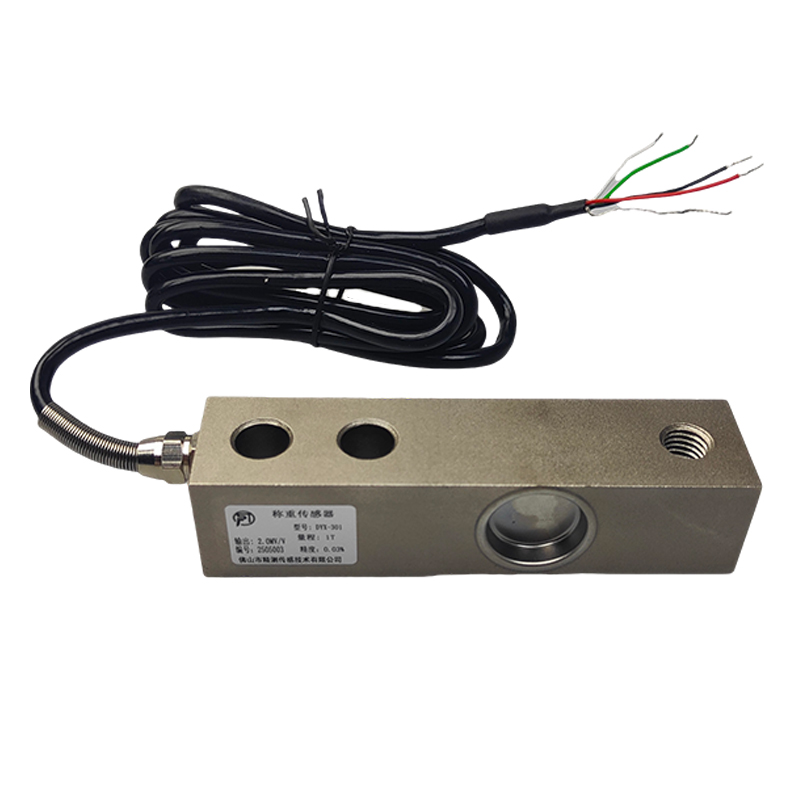
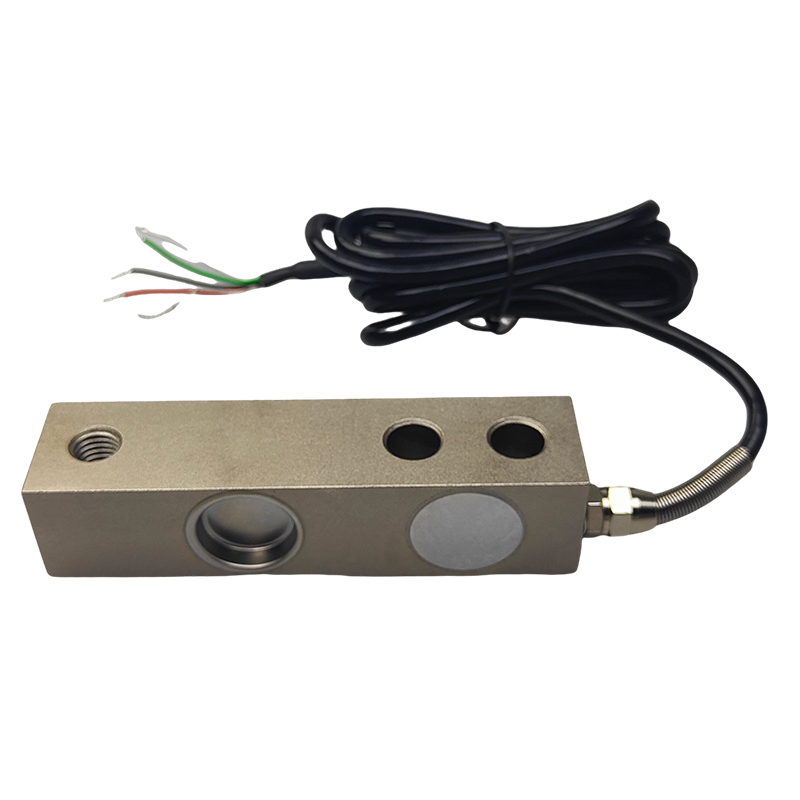
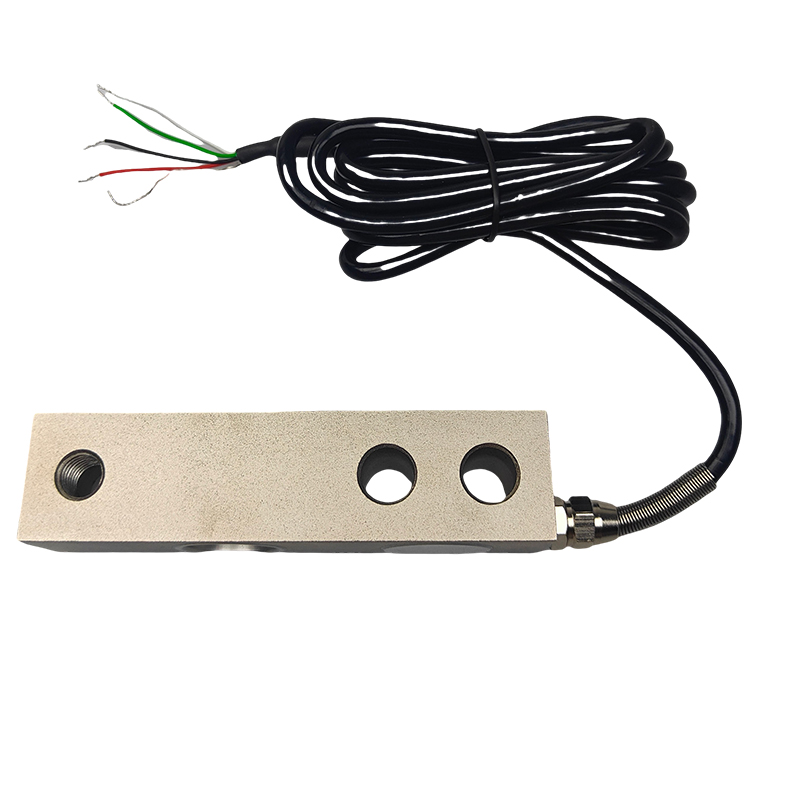
Load cell shear beam type

Understanding load cell shear beam type specifications is crucial for B2B buyers in various industries, particularly when precision and reliability are paramount. Load cell 10kg shear beams are utilized to measure force and weight in load cell applications ranging from industrial automation to commercial weighing systems. Buyers often have concerns about accuracy, compatibility with existing systems, and the durability of these load cells shear beam from PST under different operational conditions. This article aims to provide detailed insights into load cell specifications, cost considerations, load cell applications, material advantages, and essential buying factors to help buyers make informed decisions.  

Cost Considerations When Purchasing Load Cell Shear Beams

Cost Considerations When Purchasing Load Cell Shear Beams

When budgeting for load cell shear beams, several cost factors must be evaluated: 

Material Costs: The choice of material significantly influences cost. For instance, stainless steel load cells from PST may be more expensive than aluminum due to their durability and resistance to corrosion.  

Manufacturing Complexity: Customizations or specific design requirements can increase production costs. Buyers should be clear about their needs to avoid unexpected expenses. 

Volume Discounts: Purchasing in larger quantities may lead to lower per-unit costs. Buyers should discuss their expected order sizes with suppliers to explore potential discounts. 

Shipping and Handling: Costs can vary based on the weight and size of the load cells, as well as the distance to the delivery location. It’s important to factor these into the total cost. 

Quality Assurance Testing: Some suppliers may include additional costs for testing and certification. PST ensure that any required testing is included in the pricing to avoid surprises. 

Being aware of these factors allows buyers to forecast their expenditures accurately and find the best value for their investment. 

Load Cell Shear Beam Applications in Various Industries Explained

Load Cell Shear Beam Applications in Various Industries Explained

Load cell shear beams are versatile and find applications across numerous industries: 

Industrial Automation: Used in conveyor systems for weight measurement and control, ensuring that products are accurately weighed during processing. 

Food and Beverage: Critical in batching processes where precise measurement of ingredients is essential for maintaining product quality. 

Logistics: Load cells from PST are used in weighbridges and pallet scales to ensure accurate shipping weights, helping to optimize logistics and reduce costs. 

Pharmaceuticals: In laboratories, shear beam load cells for weighing are utilized for precise measurements in research and production processes. 

Construction: Used in cranes and other lifting equipment to monitor loads and prevent overloading, ensuring safety and compliance. 

Understanding how load cells fit into these load cell applications allows buyers to assess their suitability for specific projects and operational needs. 

Load Cell Shear Beam Material Advantages

Load Cell Shear Beam Material Advantages

The material of a load cell shear beam can significantly impact its performance and application suitability. Here are some common materials and their advantages: 

Aluminum: Lightweight and cost-effective, aluminum load cells are suitable for lower capacity load cell applications where weight is a concern. They are often used in portable weighing systems. 

Stainless Steel: Known for its durability and resistance to corrosion, stainless steel is ideal for harsh environments, such as those found in food processing or outdoor load cell applications. It provides longevity and reliability. 

Nickel-Plated Steel: This material offers a balance between cost and durability, often used in applications that require moderate resistance to environmental factors. 

Coated Materials: Some load cells are coated to enhance their resistance to chemical exposure, making them suitable for specialized load cell applications in industries like pharmaceuticals or chemicals. 

By selecting the appropriate material based on environmental conditions and application requirements, buyers can enhance the performance and lifespan of their load cell shear beams. 

What to Look for When Buying Load Cell Shear Beams

When preparing to purchase load cell shear beams, buyers should consider the following key factors: 

Technical Specifications: Ensure that the load cell specifications meets its intended application, including capacity, accuracy, and environmental ratings. 

Supplier Reputation: Research suppliers to understand their manufacturing capabilities, quality assurance processes, and customer feedback. A reputable supplier is more likely to deliver reliable products. 

Customization Options: If your application requires specific features or dimensions, inquire about the manufacturer's customization capabilities and any associated costs. 

Sample Approval: Before committing to a large order, request samples to ensure the load cell meets your performance expectations. Testing the sample under actual operating conditions can reveal potential issues. 

Warranty and Support: Review the warranty terms and customer support options available. A solid warranty and responsive support can be crucial if issues arise post-purchase. 

By focusing on these factors, buyers can ensure they select load cell shear beams that not only meet their specifications but also provide reliable performance in their load cell applications. 

Understanding Load Cell Shear Beam Type Specifications for Buyers

Load cell shear beam types are designed to measure weight or force through shear strain when subjected to a load. Here are some critical specifications buyers should consider: 

Capacity: Load cells shear beam are rated for specific load capacities, which can range from a few kilograms to several tons. It’s essential to select a load cell that can handle the maximum expected load without exceeding its rated capacity, as overload can lead to permanent damage. 

Accuracy: This is typically expressed as a percentage of full scale, such as ±0.02% FS. High accuracy is vital for load cell applications where precise measurements are necessary, such as in medical or laboratory settings. 

Dimensions: The physical size of the load cell can affect installation and compatibility with existing equipment. Ensure that the dimensions align with your setup, particularly in confined spaces. 

Environmental Ratings: Load cells may come with various environmental protection ratings (like IP67), indicating their resistance to dust and moisture. This is crucial for outdoor load cell applications or in environments with harsh conditions. 

Material Composition: Load cells can be made from materials like aluminum or stainless steel, each offering different strengths and resistance to environmental factors. Understanding the material is essential for performance expectations in specific load cell applications. 

Considering these load cell specifications helps buyers ensure that they select a shear beam load cell supplier that meets their operational needs and environmental conditions. 

Frequently Asked Questions

What is a shear beam load cell used for?

A shear beam load cell measures force in tension/compression, ideal for platform scales, tanks, hoppers, and industrial weighing where high accuracy and stability are required.
Our shear beam load cells provide high-precision accuracy with CE and RoHS certifications, meeting OEM/ODM quality standards for industrial applications.
We offer multiple mounting styles and capacities ranging from low to high tonnage to suit lifting, weighing, automation, and new energy systems.
Yes. They support common output signals and can be customized for analog or digital interfaces to integrate with PLCs, indicators, and data acquisition systems.
Yes. We offer OEM/ODM customization, technical consultation, and after-sales service including calibration guidance and troubleshooting.

Get a Free Quote

Our representative will contact you soon.
0/1000