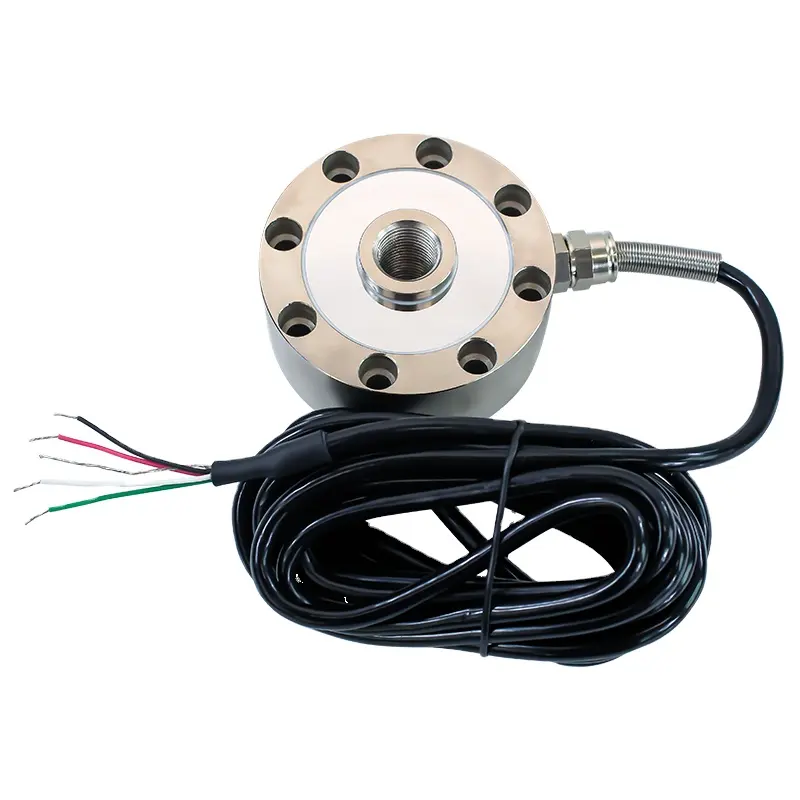
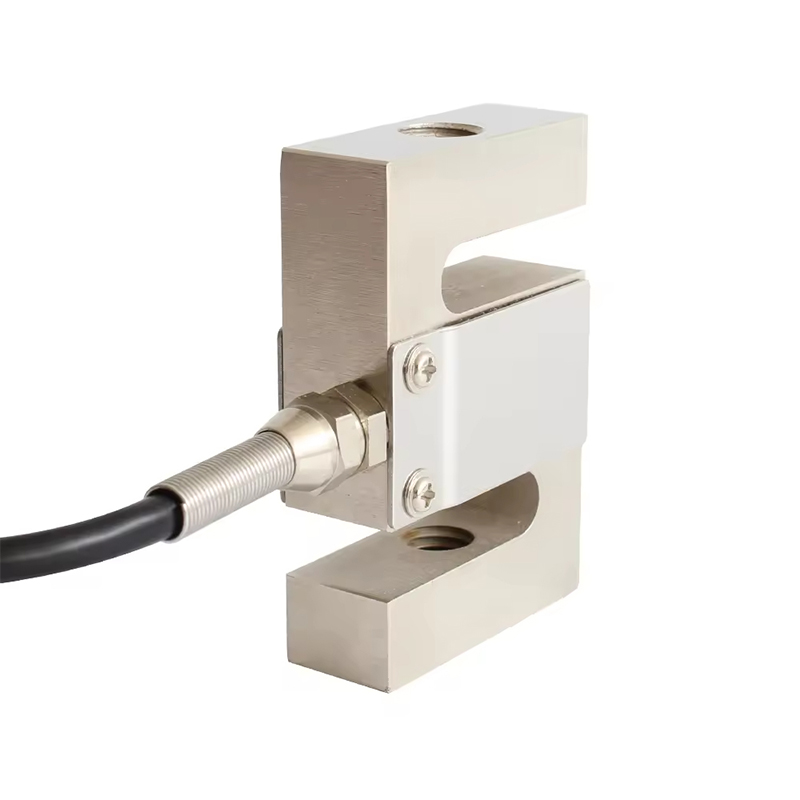
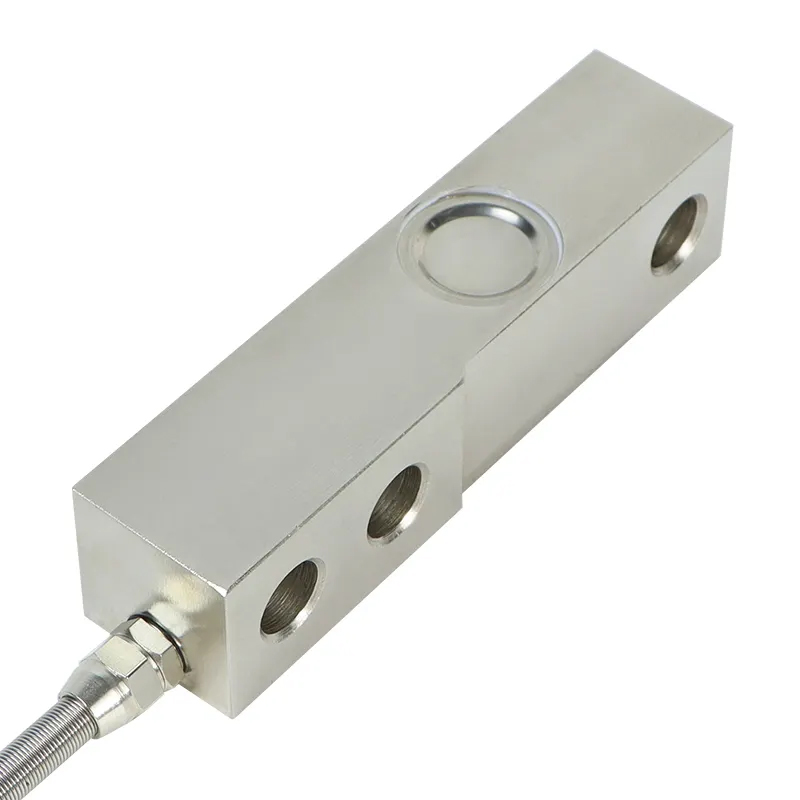
Installation Guidance for Force Sensors in Various Applications
Proper installation of force sensors is crucial to ensure accurate measurements and longevity. The installation process may vary based on the type of sensor and its intended application. Here are some best practices to consider:
Alignment: Ensure that the sensor is aligned correctly with the load direction. Misalignment can result in inaccurate readings or damage to the sensor.
Mounting: Use appropriate mounting techniques, which may include bolts, brackets, or adhesive. The mounting method should accommodate any expected movement or vibration in the application.
Calibration: After installation, calibration is essential to confirm that the sensor delivers accurate readings. This may involve applying known loads and adjusting the sensor output accordingly.
Environmental Considerations: Protect the sensor from environmental factors that could affect its performance. For example, if the sensor will be exposed to moisture, consider using a waterproof enclosure or selecting a sensor designed for such conditions.
Wiring and Signal Integrity: Ensure that wiring is done correctly to prevent noise interference that can distort readings. Shielded cables may be necessary in environments with significant electrical interference.
By following these installation guidelines, you can maximize the performance and lifespan of your force sensors in various applications.
 EN
EN