Choosing the Right Force Sensor for Industrial Applications

application/force-sensor, application/force-sensor, 
Inquiry
Inquiry

force sensor

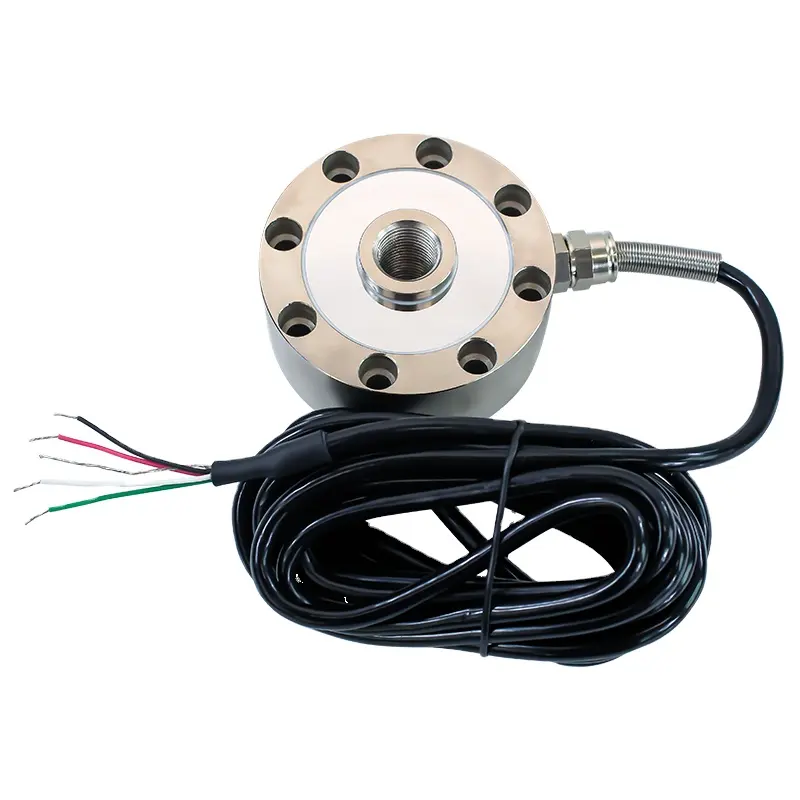
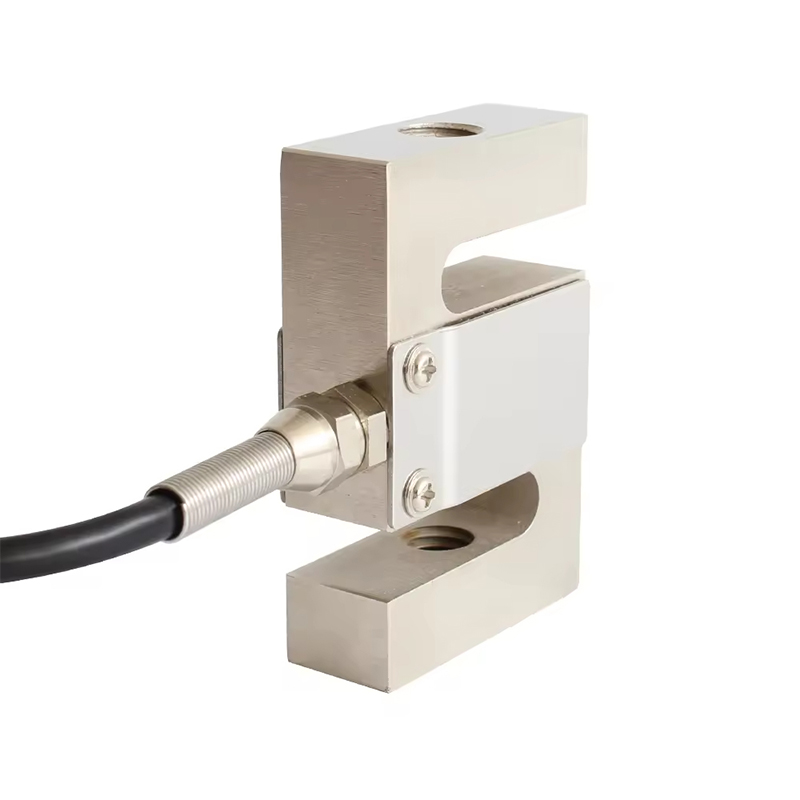
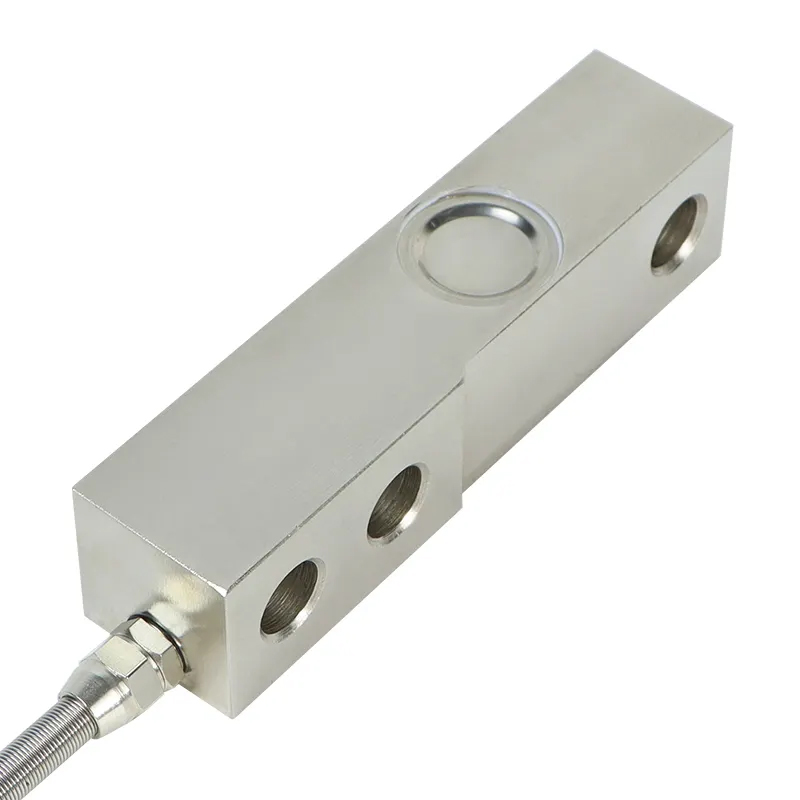
Force sensors are critical  components in various  industrial  applications, measuring force or load with  high precision. Their importance spans across sectors such as manufacturing,  automation, and  new energy, where  accurate measurements are essential for operational efficiency and safety. When considering  the  purchase  of force  sensors, buyers often focus on factors like accuracy, compatibility  with  existing systems, and  supplier reliability.  This article  will guide  you through the key aspects of selecting and  sourcing force sensors, ensuring you make an  informed decision that aligns with your  project requirements.

Where to Find Reliable Suppliers of Force Sensors for Bulk Orders

Where to Find Reliable Suppliers of Force Sensors for Bulk Orders

Finding a reliable  supplier for bulk orders  of  force sensors involves assessing several  key aspects. Start by looking for manufacturers with a proven track  record in the  industry, such as JIANGXI  JINGCE SENSING TECHNOLOGY CO., LTD., known for its high-precision load  cells  and  force  sensors.

When vetting  suppliers, consider their certifications, such as CE and RoHS, which indicate compliance with international safety and environmental standards. Additionally, examine their production capabilities,  including the types of materials used and quality control  processes.  A reputable supplier  should also offer customization options to  cater to specific project requirements. For instance, Absolute value encoder solutions might be integrated for enhanced precision.

Engaging with suppliers who have experience in your industry can provide additional insights. They can recommend products based on similar applications and help you navigate any technical challenges.  Finally, look for suppliers who can support you with  reliable delivery schedules and competitive pricing to ensure that your production  timelines are met without compromising quality.

Understanding the Cost Factors of High-Precision Force Sensors

Understanding the Cost Factors of High-Precision Force Sensors

The cost of high-precision force sensors can  vary  significantly based on several  factors, including the type of sensor, material used, and level of customization  required. Load cells, for example, may range  from economical models to high-end versions with advanced  features such as wireless connectivity or integrated signal conditioning.

Material selection also influences pricing. Sensors  made from high-grade materials designed for extreme conditions may incur higher costs but provide better  longevity and accuracy. Customization options, such as specific dimensions, performance characteristics,  or integration with existing  systems, can further  affect  the overall cost.


Additionally, consider the total cost  of ownership, which includes not just the initial purchase  price but also maintenance, potential  repairs, and the operational efficiency gained from using a high-quality sensor. By  evaluating these cost factors, you  can make a  more  informed purchasing decision that aligns with your budget and operational goals.

Installation Guidance for Force Sensors in Various Applications

Installation Guidance for Force Sensors in Various Applications

Proper installation of force sensors is  crucial to ensure accurate measurements and  longevity. The installation  process may vary  based on the type of sensor and its intended application. Here  are some best practices to consider:

Alignment: Ensure that the sensor is aligned correctly with  the load direction. Misalignment can result in inaccurate readings or  damage to the sensor.

Mounting: Use appropriate mounting techniques, which may include  bolts, brackets, or adhesive. The mounting  method should accommodate any expected  movement or vibration in the application.

Calibration: After installation, calibration is essential to confirm that the sensor delivers accurate readings. This may involve applying  known loads and adjusting the sensor output accordingly.

Environmental Considerations: Protect  the sensor from environmental  factors that could affect  its performance. For example, if the sensor will be  exposed to moisture, consider using a waterproof enclosure or selecting a sensor designed for such conditions.

Wiring and Signal Integrity: Ensure that wiring is done correctly to prevent noise interference that can distort readings. Shielded cables may be necessary in environments with significant  electrical  interference.

By following these installation  guidelines, you can  maximize the performance and lifespan of your  force sensors in various applications.

How to Choose the Best Force Sensor for Your Project Needs

Choosing the best force sensor for your project starts with a thorough understanding of your specific requirements. Begin by defining the following:

Load Type: Determine  whether you  need to measure static or dynamic loads. This will influence the type  of sensor you choose, as some are  better suited for one over the other.

Accuracy Requirements:  Establish the level of accuracy necessary for your application.  High-precision sensors may be essential in critical applications like medical devices, where even minor inaccuracies can have significant consequences.

Environmental Conditions: Assess  the operational environment. If  the sensor will  be used in extreme temperatures or exposed to chemicals, select materials  that  can withstand these conditions.

Compatibility:  Ensure that the sensor is compatible with your existing systems. This includes checking signal outputs, dimensions,  and any necessary interfaces for data acquisition.

Customization Needs: If your project requires specific dimensions  or performance characteristics, look for suppliers that offer customization. This can be particularly important for  specialized applications.

By carefully considering  these factors, you can select a force sensor that not  only meets  the  technical specifications of your application  but also enhances efficiency and accuracy in your operations.

Choosing the Right Force Sensor for Your Industrial Applications

Selecting the appropriate force sensor depends on several factors, including  application  requirements, load capacity, and environmental conditions. The primary types of force sensors include load  cells, piezoelectric sensors,  and  strain gauge sensors, each with unique characteristics suited for  specific applications.

For instance,  load cells  are ideal for weighing applications due to their  ability to provide  stable and accurate readings under  static and dynamic loads. In contrast, piezoelectric sensors are  preferred for measuring high-frequency  forces, making them suitable for applications in robotics or machinery with rapid movements. Consideration should also be given to the  sensor's load capacity, as  exceeding this can lead to inaccurate measurements or sensor damage. If you are looking for reliable solutions, consider our Load cell options that offer exceptional accuracy and stability.

Furthermore,  environmental factors such as temperature, humidity,  and exposure to chemicals should guide your material selection. Sensors made from stainless steel or aluminum are often used in harsher environments due to their corrosion resistance. By understanding these  factors, you can choose a force  sensor that  meets both the operational and environmental demands of your application.

Frequently Asked Questions

What types of force sensors do you offer?

We provide high-precision load cells, force sensors, and wireless dynamometers suitable for lifting, weighing, automation, and new energy applications.
Yes. Our products carry CE and RoHS certifications to meet regulatory and safety standards for global markets.
Yes. We offer OEM and ODM services including custom ranges, mounting, connectors, and calibration to fit specific application requirements.
Our force sensors deliver high precision with tight repeatability and stability. Specific accuracy depends on model; contact us for datasheets and performance specifications.
We offer technical support, application guidance, and factory calibration. Calibration certificates and maintenance advice are available upon request.

Get a Free Quote

Our representative will contact you soon.
0/1000