Load Cells for Sale: Key Specifications & Insights

application/load-cells-for-sale, application/load-cells-for-sale, 
Inquiry
Inquiry

load cells for sale

Load cells are critical  components  in various industrial applications, providing precise measurement of force and  weight.  These devices are essential for ensuring accuracy and  reliability in  lifting, weighing, and  automation  processes. For businesses  seeking load cells  for sale, understanding key product  specifications, potential issues,  and best practices  for purchasing can  significantly enhance decision-making.  This article  aims to  equip purchasing  managers, engineers, and distributors  with  practical insights into selecting the right load cells for their specific needs.

What Buyers Should Know

What Buyers Should Know

Buyers should approach the selection  of load cells with a clear understanding of their specific  application requirements. Here are some aspects to consider:

Application Compatibility: Different industries have varying requirements for load cells.  For instance, load cells used in the food industry must meet strict hygiene  standards, while those  in construction may need to  withstand harsh conditions.

Customization Options: Many manufacturers offer OEM/ODM solutions, allowing buyers  to request  custom specifications tailored to  their needs. This can include adjustments in size, output types, or additional features  like built-in temperature compensation.

Minimum Order Quantities  (MOQ): Be aware  of the MOQ policies set by manufacturers. This is  particularly relevant for smaller businesses or  those looking to test products  before committing to larger orders.

Lead Times: Understand the expected lead times for production and delivery, especially if the load cells are being integrated into critical operations.

Quality Control:  Inquire about the manufacturer's quality control processes. This includes testing protocols  and  adherence to  certifications like CE and RoHS, which can assure buyers of product reliability.

A Comprehensive Overview

A Comprehensive Overview

JIANGXI JINGCE SENSING TECHNOLOGY CO., LTD. specializes in high-precision load cells and  has established a reputation for quality in the manufacturing sector. The company employs advanced production  equipment and rigorous quality control  systems to  ensure that every load cell meets  industry standards.

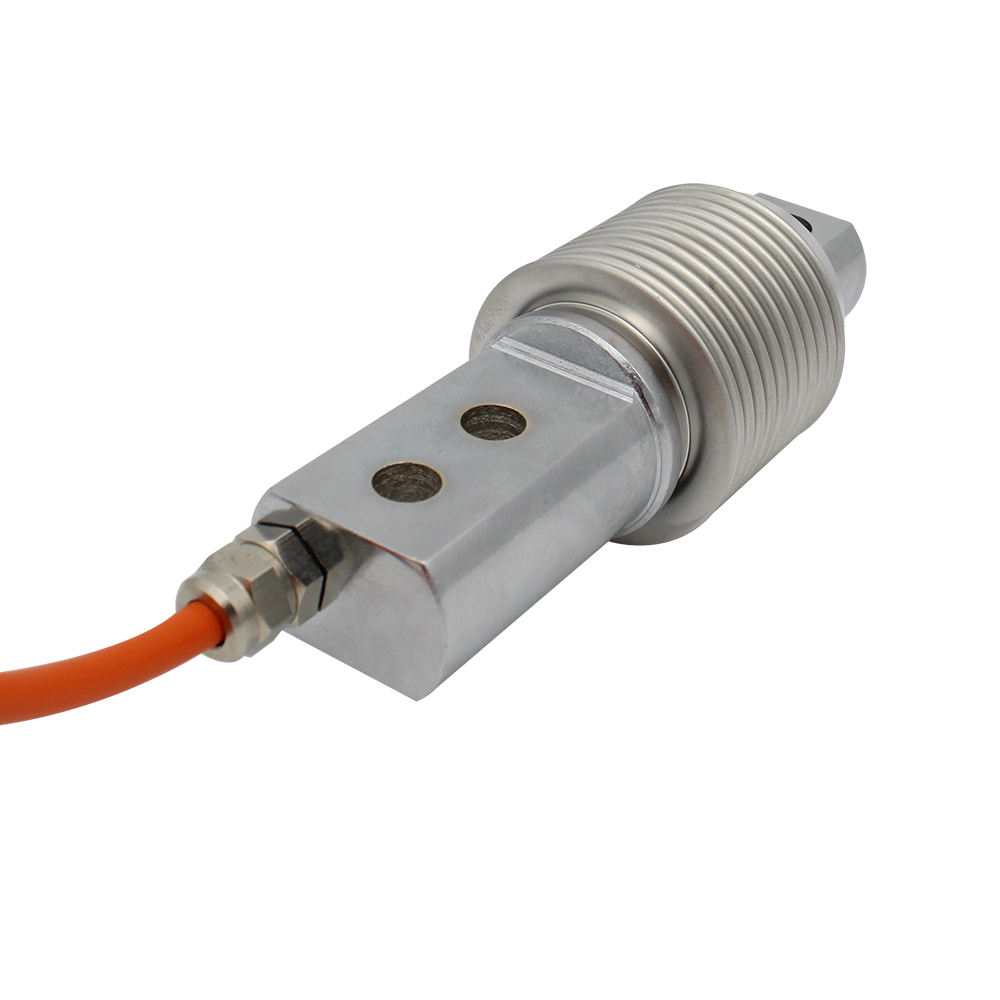
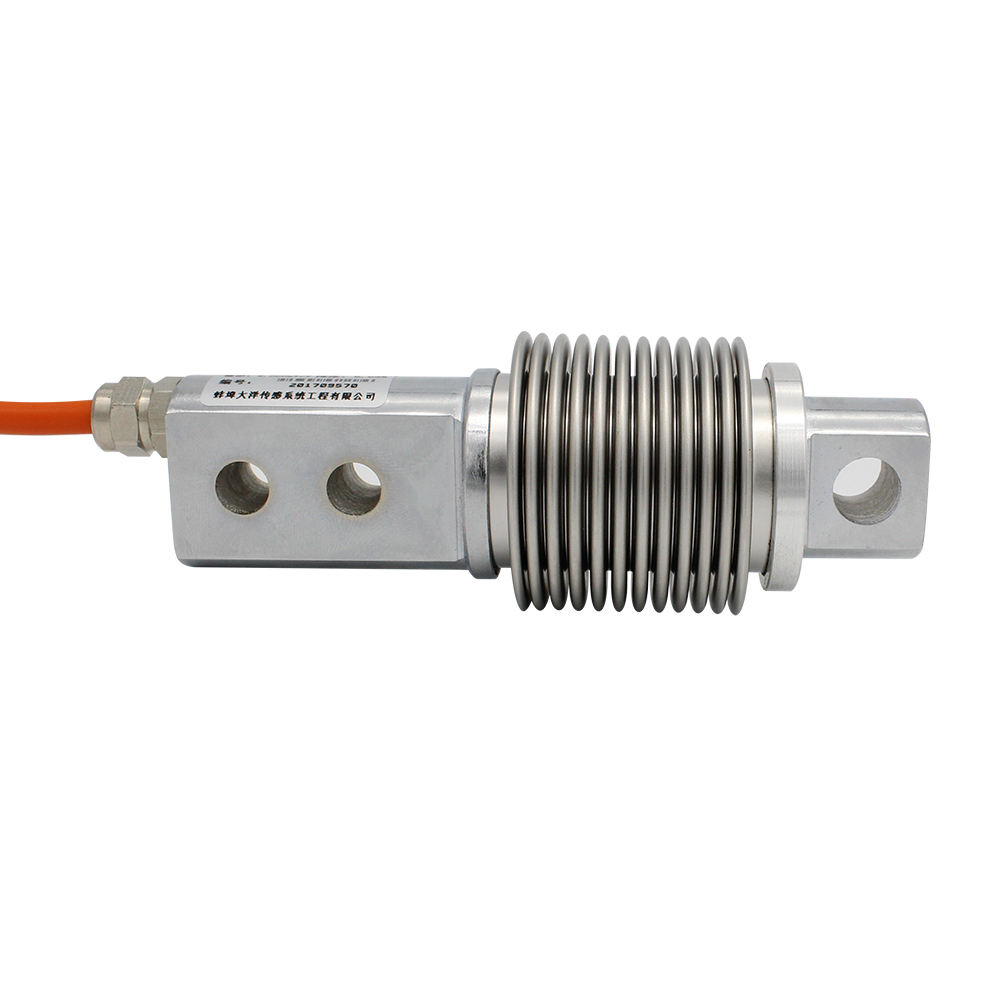
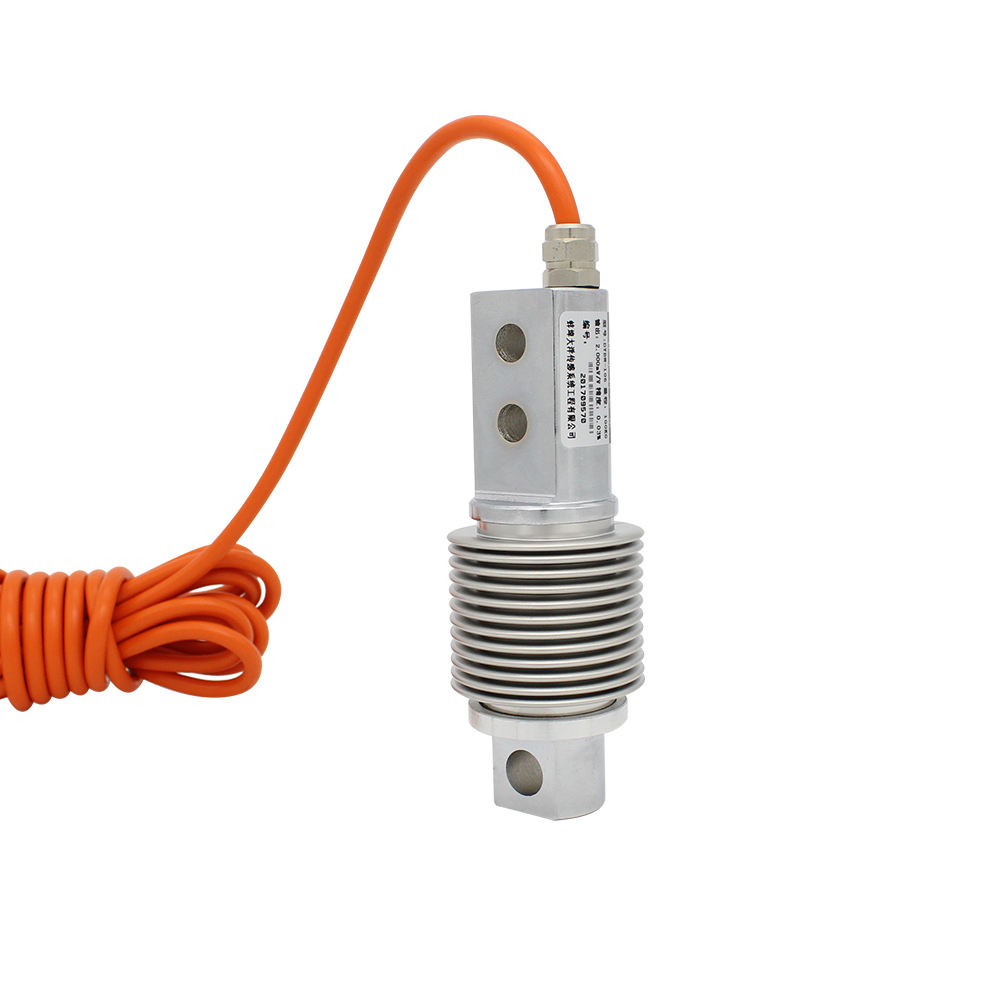
The load cells  produced  are versatile, suitable for  applications in  lifting,  weighing,  automation, and the new  energy sector. Their design allows  for easy integration into existing systems, and  they are available in various  specifications to meet diverse operational needs. In particular, models such as the Load cell are designed to offer compatibility across a range of applications.

With a focus on OEM and  ODM solutions, the company  can tailor  products to meet specific  customer requirements, enhancing versatility  for various applications. This capability is particularly beneficial for clients who need unique configurations or features.

Common Load Cell Problems and Effective Solutions for Users

Common Load Cell Problems and Effective Solutions for Users

Despite  their reliability, load cells can face several common issues that users should be aware of:

Drift: Over time, load cells can experience drift, which affects measurement accuracy. Regular calibration is essential to mitigate  this problem.

Temperature  Effects: Temperature fluctuations can impact performance.  Load cells  with  built-in temperature compensation can help maintain accuracy in  varying conditions.

Mechanical Damage: Load cells are susceptible to damage from overloads  or improper installation. It's crucial to ensure that installation  follows manufacturer  guidelines to prevent mechanical stress.

Electrical Interference: Signal integrity can be compromised by electrical  noise. Using  shielded cables and proper grounding techniques can minimize this risk.

Environmental  Exposure: Load cells  exposed to  moisture or corrosive substances may fail prematurely. Selecting  load cells with appropriate IP ratings  and protective coatings can provide necessary  durability.

By understanding these issues, users can implement preventive measures that enhance the longevity and performance of their load cells.

A Guide for Distributors and Contractors

Distributors and contractors play a vital role in connecting manufacturers with end-users. Here are essential considerations  for those involved in the distribution of load cells:

Product Knowledge: Distributors should have a thorough understanding of the  various load cell types, specifications, and applications. This knowledge enables them to provide informed recommendations  to customers.

Inventory  Management: Maintaining a well-stocked inventory  of commonly requested load cells can improve service efficiency. Knowing the most popular models and specifications can help anticipate  customer needs.

Technical Support: Providing technical assistance regarding installation,  calibration, and troubleshooting is  crucial. Distributors who can offer this support build trust with their  customers.

Marketing Strategies: Effective marketing strategies should focus on educating potential buyers about the advantages of different load cell types and their applications. Highlighting unique selling points,  such as customization options  and certifications, can attract  more inquiries.

Building Relationships: Establishing strong relationships with manufacturers, like JIANGXI JINGCE SENSING TECHNOLOGY CO., LTD., ensures that distributors  can access the latest products and  innovations, enhancing their service offerings.

Understanding load  cells is vital for businesses in various sectors.  By focusing  on key specifications, potential issues, and effective purchasing practices, buyers can  make informed decisions that enhance operational  efficiency and product reliability.

Key Specifications to Evaluate When Selecting Load Cells

When evaluating load cells, several key specifications should be prioritized to ensure optimal performance:

Capacity:  Determine the maximum load the load cell  can handle.  This is crucial for avoiding overload conditions that could lead to failure or  inaccurate readings.

Accuracy: Look for the load cell's accuracy rating, typically expressed as a percentage of full scale. Higher accuracy is essential in  applications where precise measurements are critical.

Material: The material of the load  cell affects its durability and  suitability for specific environments. Common materials include aluminum and stainless steel, each offering different benefits in terms of weight, corrosion resistance, and strength.

Output Signal:  Understand the type of output signal the load cell provides, whether it’s analog (voltage or current) or digital. This  affects compatibility with existing systems and data acquisition methods.

Operating Temperature: Load cells have  specified  operating temperature  ranges. Ensure  that  the  chosen load cell can function effectively  within the environmental conditions it will face. For applications where temperature variations are a concern, consider using load cells with built-in temperature compensation.

Protection Rating: The ingress protection (IP) rating indicates how resistant  the load cell is to dust and moisture. A higher rating is beneficial in harsh environments.

Calibration: Consider  how the load cell is calibrated and whether it comes with  a calibration certificate. Regular calibration is essential for maintaining accuracy over time.

Frequently Asked Questions

What types of load cells do you offer?

We provide high-precision load cells including single-point, S-type, shear beam, compression, and pancake models, plus force sensors and wireless dynamometers for various industrial applications.
Yes. Our products carry CE and RoHS certifications, ensuring compliance with European safety and environmental standards.
Yes. We offer OEM and ODM solutions, customizing specifications, mounting, connectors, and calibration to meet lifting, weighing, automation, and new energy needs.
Our load cells serve lifting equipment, industrial weighing systems, automation machinery, and new energy projects worldwide.
We provide factory calibration, calibration certificates, technical support, troubleshooting, and guidance for installation and maintenance to ensure long-term accuracy.

Get a Free Quote

Our representative will contact you soon.
0/1000