Choosing the Right Load Cell Tension for Your Needs

application/load-cell-tension, application/load-cell-tension, 
Inquiry
Inquiry

Load cell tension

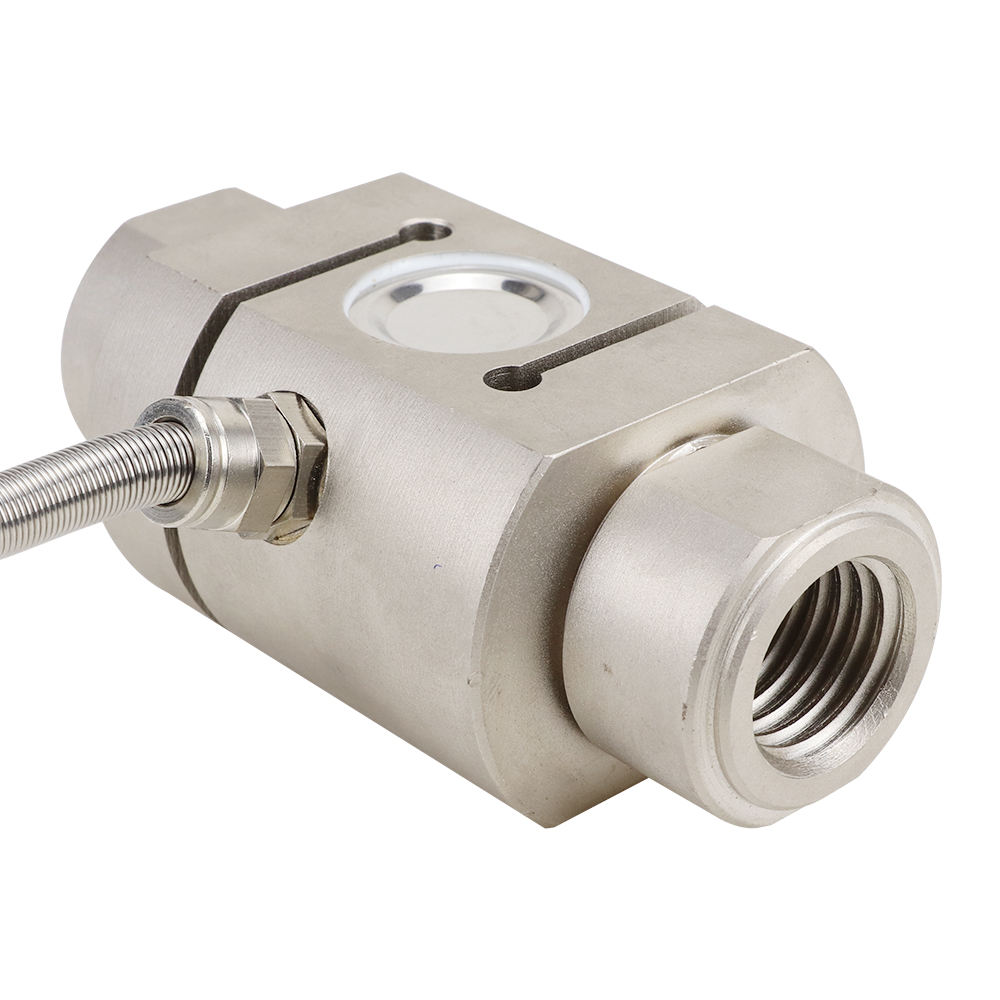
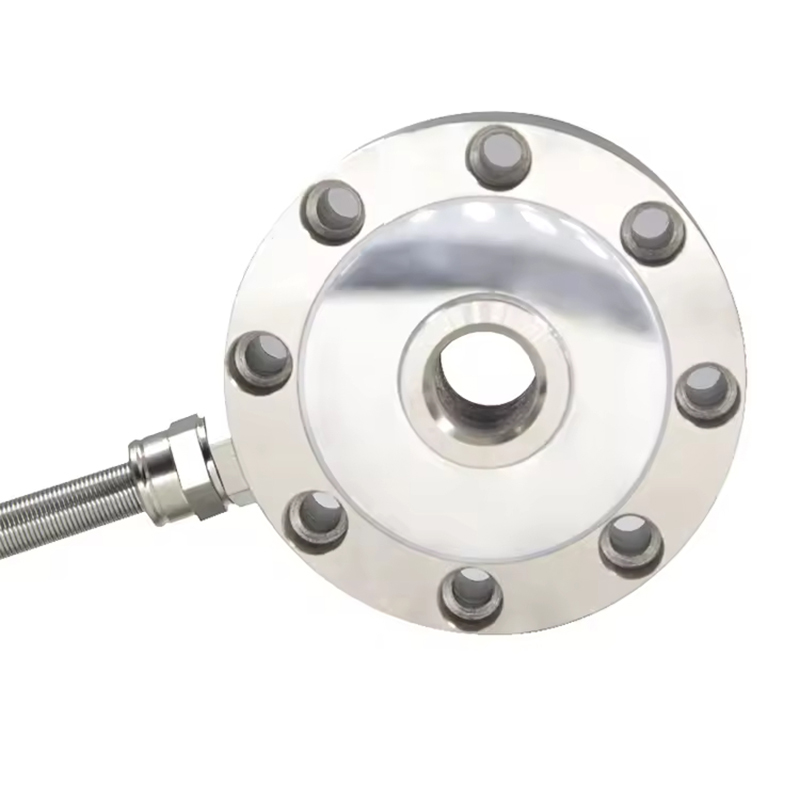
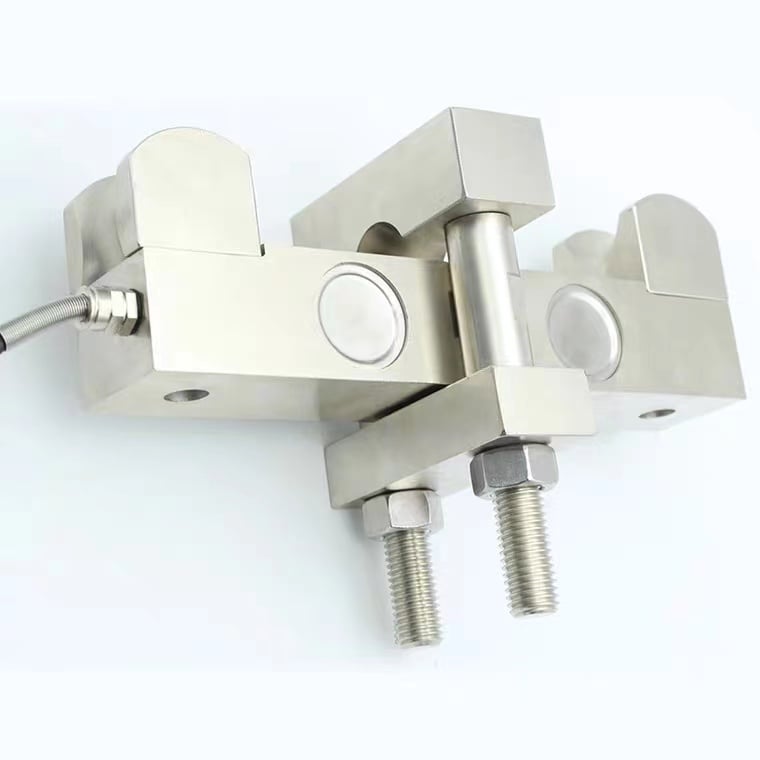
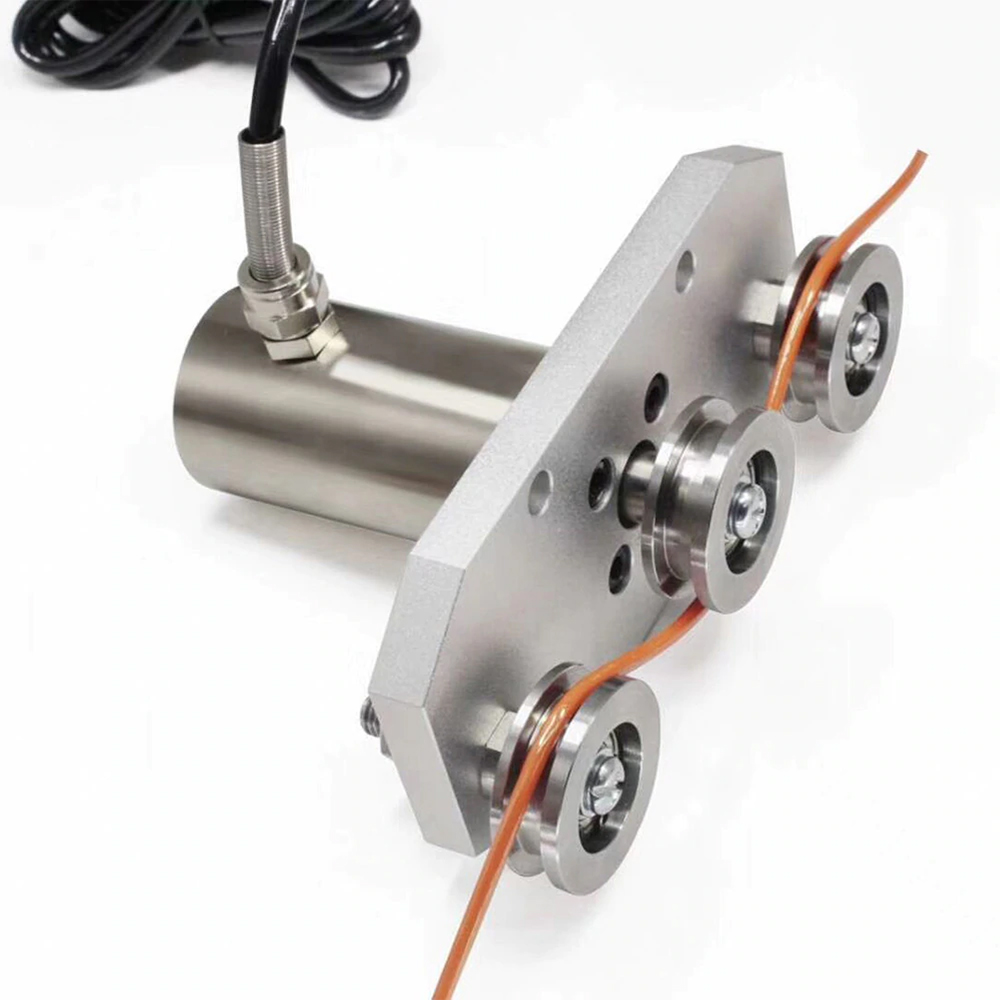
Load cell tension systems are crucial components in various industrial applications, enabling precise measurement of force and weight. For professionals in sectors such as lifting, weighing, and automation, understanding how to select the appropriate load cell tension is vital to ensuring operational efficiency and product reliability. This article will guide you through the essential aspects of choosing single point load cell, from specifications and cost factors to installation challenges and supplier evaluation, helping you make informed purchasing decisions.

Key Specifications to Evaluate When Selecting Load Cell Tension Products

Key Specifications to Evaluate When Selecting Load Cell Tension Products

When assessing load cell tension products, several key specifications should be prioritized: 

Load Capacity: This indicates the maximum weight the digital load cell can measure. Ensure that the cell’s rated capacity exceeds your anticipated peak load to avoid overload conditions that could damage the sensor. 

Accuracy and Precision: These metrics define how closely the load cell’s measurements align with the actual load. Look for specifications that include the percentage of full scale, such as ±0.1% FS, which indicates the accuracy level. 

Sensitivity: This reflects how much the output signal changes in response to a change in load. Higher sensitivity is essential for applications requiring fine measurements. 

Material and Construction: The load cell material affects its durability and performance. Common materials include aluminum for lightweight applications and stainless steel for corrosive environments. 

Output Signal Type: Load cells can produce different types of output signals, such as analog (voltage or current) or digital. Your choice should align with the requirements of your data acquisition system. 

Understanding these specifications will help ensure that the load cell tension system you choose aligns with both your operational needs and environmental conditions.

Understanding the Cost Factors of Load Cell Tension Systems

Understanding the Cost Factors of Load Cell Tension Systems

The cost of PST load cell tension systems can vary significantly based on several factors. Key components influencing pricing include: 

Material Quality: High-quality materials, such as stainless steel or aerospace-grade alloys, may come at a premium but often provide better durability and longevity. 

Manufacturing Process: Load cells that are custom-manufactured or require specialized engineering will typically incur higher costs. Conversely, standard models may be more budget-friendly. 

Accuracy Requirements: Load cells designed for high precision often carry higher price tags due to the advanced technology and calibration processes involved. 

Volume and Customization: Bulk orders can reduce per-unit costs, but customization requests (such as specific dimensions or output types) can increase the overall price. 

Supplier Reliability and Support: Established suppliers may charge more but often provide superior customer support, warranty, and quality assurance, which can be pivotal in long-term operational success. 

When evaluating cost, consider the total cost of ownership, including installation, maintenance, and potential downtime, rather than just the upfront price. 

Common Installation Issues with Load Cell Tension and Their Solutions

Common Installation Issues with Load Cell Tension and Their Solutions

Installing load cell tension systems can present various challenges. Common installation issues include: 

Alignment Problems: Misalignment during installation can lead to inaccurate readings. Ensure that the load cell is installed in a straight line with the load force and is free from bending or twisting. 

Solution: Use alignment tools and fixtures to maintain correct positioning during installation. 

Improper Load Application: Applying loads unevenly can damage the load sensor or lead to inaccurate measurements. 

Solution: Design your setup to distribute the load evenly across the load cell's surface. 

Environmental Influences: Factors such as temperature and humidity can affect performance. 

Solution: Use load cells rated for environmental conditions specific to your application, and incorporate protective casings if necessary. 

Electrical Noise: Electromagnetic interference from nearby machinery can distort readings. 

Solution: Use shielded cables and proper grounding techniques to minimize interference. 

By anticipating these issues and implementing the recommended solutions, you can enhance the reliability of your load cell tension system.

Evaluating Supplier Reliability for Load Cell Tension Purchases

When selecting a supplier for PST load cell tension products, evaluating their reliability is crucial for ensuring quality and performance. Key factors to consider include: 

Certifications: Look for suppliers with recognized industry certifications like CE and RoHS, which indicate compliance with safety and environmental standards. 

Quality Control Processes: Investigate the supplier's quality assurance practices, including testing procedures and inspection methods. Reliable suppliers often provide documentation proving their quality control measures. 

Industry Experience: Suppliers with extensive experience in manufacturing load cells are more likely to understand customer needs and provide effective solutions. 

Customization Capabilities: If your project requires tailored solutions, ensure the supplier has the capability to customize products according to your specifications. 

Customer Support and Service: Assess the level of support offered post-purchase, including technical assistance, warranty policies, and responsiveness to inquiries. 

By carefully evaluating these factors, you can choose a supplier that aligns with your project needs and contributes to the overall success of your operations.

How to Choose the Right Load Cell Tension for Your Project Needs

Selecting the right PST load cell tension for your project begins with understanding the specific requirements of your application. Consider the maximum load you anticipate, as load cells are rated for specific capacities. For instance, if your application involves lifting heavy machinery, you'll need a load cell with a sufficient load rating to handle the force without compromising safety or accuracy. 

Additionally, evaluate the environment where the load cell will be used. Factors such as temperature fluctuations, exposure to moisture or chemicals, and the presence of electrical noise can affect performance. Load cells designed for harsh environments often feature protective casings or specialized materials to ensure durability. It’s also essential to consider the required precision. Different applications demand varying levels of accuracy, so consult the manufacturer’s specifications to identify a load cell that meets your project's tolerances. 

Frequently Asked Questions

What applications suit the load cell tension product?

Ideal for lifting, weighing, automation, and new energy systems requiring high-precision tension measurement and monitoring.
High-precision measurement with CE and RoHS compliance; accuracy varies by model—contact us for model-specific specs.
Yes. We provide OEM/ODM customization for mechanical, electrical, calibration, and communication interface requirements.
Designed for industrial use with options for sealed housings and temperature compensation; exact IP and temperature range depend on model.
We offer factory calibration, calibration certificates on request, and technical support for installation, troubleshooting, and maintenance.

Get a Free Quote

Our representative will contact you soon.
0/1000