Steering Torque Sensors: Selection and Suppliers

application/steering-torque-sensor, application/steering-torque-sensor, 
Inquiry
Inquiry

steering torque sensor

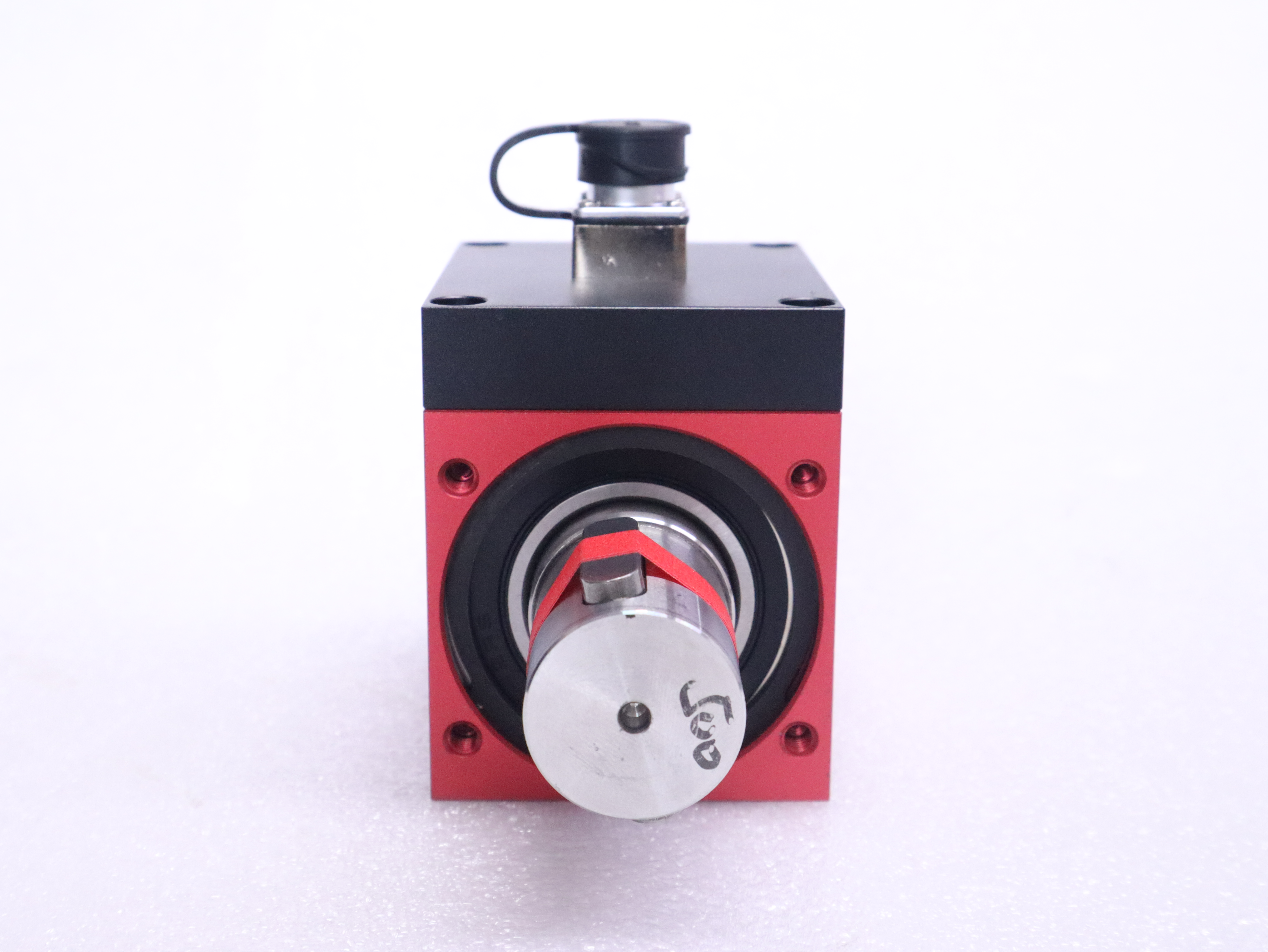
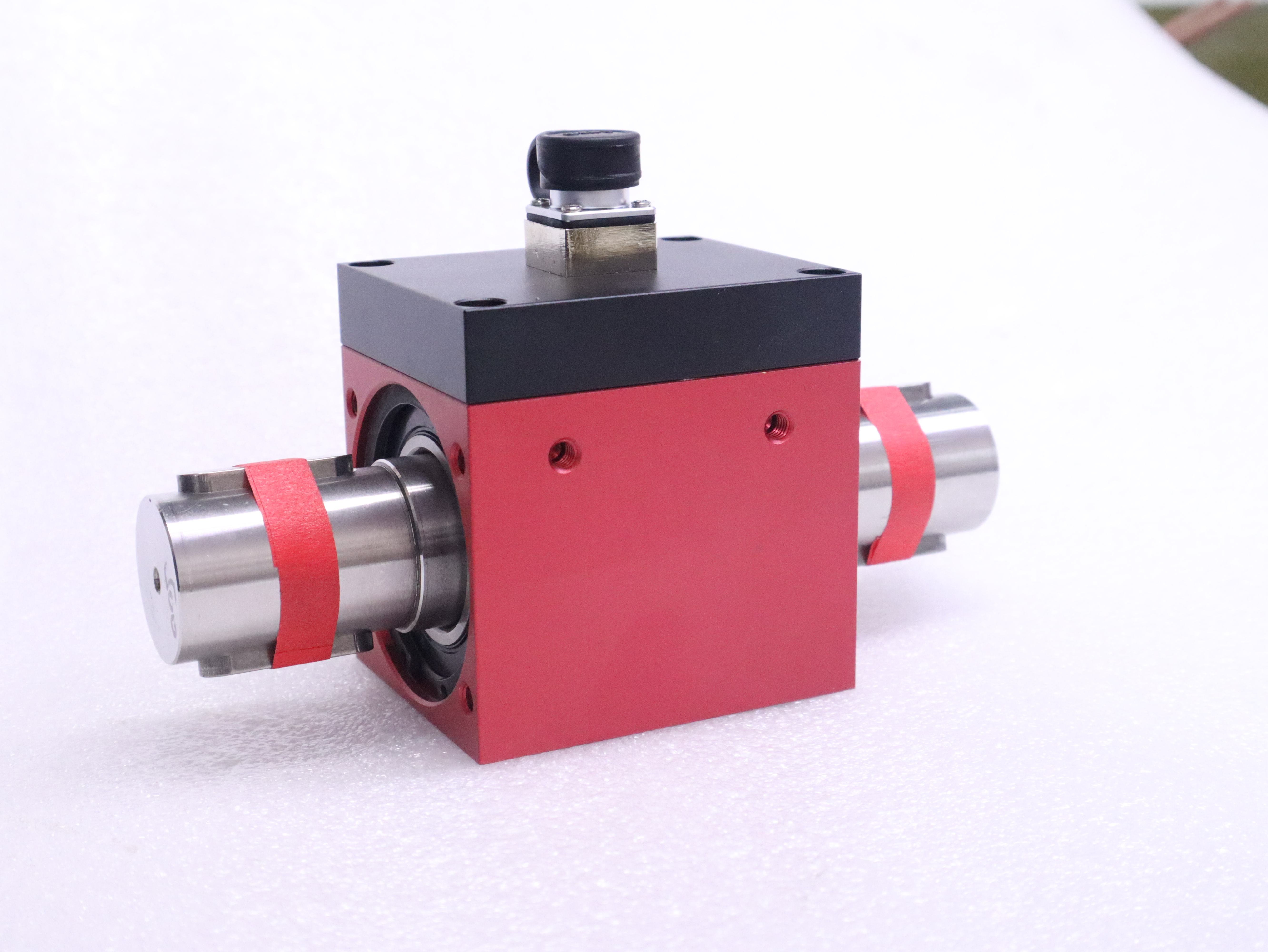
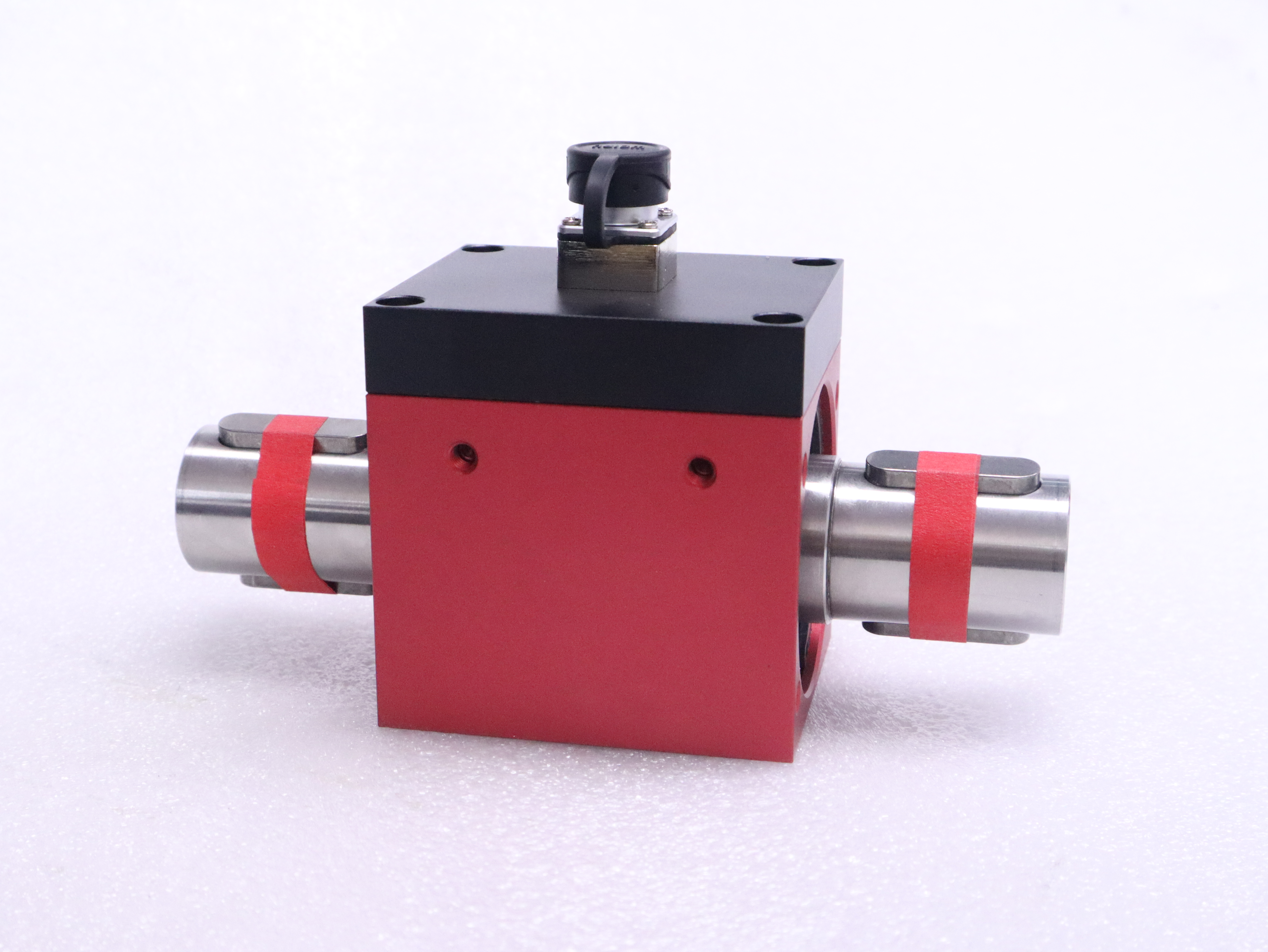
Steering torque sensors are critical components in automotive and industrial  applications, providing precise measurements  of  the torque applied to steering  mechanisms. As a purchasing manager or engineer,  understanding how to  select  the  right steering torque sensor  is essential for ensuring optimal performance  and safety  in your projects. This article  will guide  you through the key considerations for choosing steering torque sensors,  help you  navigate  bulk orders, identify  trusted suppliers,  clarify pricing factors, and  troubleshoot  common issues. For instance, if you're looking for an Incremental encoder, this guide can help you understand how it relates to torque sensors.

Bulk Order Steering Torque Sensors with Confidence

Bulk Order Steering Torque Sensors with Confidence

When planning for a bulk order of steering  torque sensors, confidence in the supplier and the product  is  paramount. Here are some considerations to ensure a smooth procurement process:

Minimum Order Quantity (MOQ): Understand the  MOQ set by the supplier. This can vary significantly between  manufacturers. JIANGXI JINGCE SENSING TECHNOLOGY CO., LTD., for example, may have flexible OEM/ODM solutions that  cater to different order sizes. Confirm your needs  and  negotiate terms  that are beneficial for both parties.

Lead Time: Discuss lead times for bulk orders. Ensure  the  supplier can meet your project timelines. Delays in receiving sensors can impact project schedules, so it is essential to plan accordingly and  allow for potential delays in manufacturing and shipping.

Quality Assurance: Prior to placing a  bulk order, request sample units to evaluate the quality and performance of the steering torque sensors. This step can  prevent issues during mass production and ensure that the sensors  meet specified performance  criteria.

After-Sales Support:  Inquire  about the supplier's after-sales support and warranty policies. Reliable  support can  be crucial for troubleshooting and maintenance after the sensors are installed.

Where to Find Trusted Suppliers for Steering Torque Sensors

Where to Find Trusted Suppliers for Steering Torque Sensors

Finding  a reliable supplier for steering torque  sensors can be challenging, but  several strategies can enhance your  search:

Industry Networks: Engage with industry associations and networks that focus on automotive and industrial applications.  These platforms often provide  recommendations for reputable suppliers with proven track records.

Trade Shows and Expos:  Attend relevant  trade shows  and expos to meet suppliers face-to-face. These events allow you to see the products firsthand and ask questions  about specifications, capabilities, and  support services.

Online  Marketplaces and Directories: Utilize online marketplaces  and  directories that specialize in industrial components. Look for suppliers with verified customer reviews and ratings to assess their  reputation.

Existing Relationships: Leverage  existing relationships with other product suppliers  or manufacturers. They may  have valuable insights or  recommendations based on their experiences with various suppliers.

Understanding Pricing for Steering Torque Sensors

Understanding Pricing for Steering Torque Sensors

Pricing for steering torque sensors  can vary based on multiple factors:

Specifications and Features: The complexity  of the sensor, including its measurement range,  sensitivity, and additional features like Bluetooth connectivity or advanced data processing capabilities, will  impact the price. More advanced sensors typically come at  a  higher cost due  to  their enhanced functionality.

Material and Manufacturing  Process: The materials used (e.g., high-grade alloys, plastics) and the manufacturing processes (such as  precision machining or injection  molding) will also affect pricing. Quality materials and  advanced manufacturing  techniques can lead to higher costs but may provide better performance and durability.

Order Volume:  Bulk orders  often come with discounts, so consider  the cost-effectiveness of ordering larger quantities. However, be cautious about over-purchasing if your project scope is uncertain.

Supplier Pricing Policies: Different suppliers have varying pricing strategies. It is advisable to request quotes from multiple suppliers to compare prices  effectively.  Make sure to  clarify what is included in the pricing, such as shipping costs, warranties, and after-sales support.

Common Problems with Steering Torque Sensors and Their Solutions

Despite  their precision, steering torque sensors can encounter several common issues. Understanding these problems can help  you mitigate risks:

Calibration Errors: Calibration is  crucial  for accurate measurements. If a  sensor is not calibrated correctly, it can lead to significant errors in  torque  readings. Regular  calibration checks should be part of your maintenance plan to ensure ongoing accuracy.

Environmental Interference: Sensors may be sensitive to environmental conditions, such as  temperature fluctuations or electromagnetic interference. To address this, consider using sensors specifically designed  for harsh  environments or implementing shielding techniques in your design.

Mechanical Wear: Over time, the  mechanical components of a steering torque sensor can  wear out, affecting performance. Selecting high-quality sensors and ensuring  proper installation can minimize wear and prolong the lifespan  of the  product.

Installation Issues: Improper installation can lead to sensor malfunction. It is essential to follow manufacturer guidelines closely during installation and conduct thorough testing after installation to confirm the sensor is functioning as intended.

By addressing these  common  issues proactively, you can enhance  the reliability and effectiveness of your steering torque sensors in various applications.

How to Choose the Right Steering Torque Sensor for Your Projec

When selecting a steering torque sensor, several key factors must be considered to ensure that the sensor meets your  specific application needs. 

Measurement Range and Sensitivity: Ensure that  the sensor's torque measurement range aligns with the expected application. For instance, in automotive applications, sensors may need to measure from very low torque levels during initial steering movements to higher levels during more aggressive maneuvers. Sensitivity is equally crucial; a  sensor that is too insensitive may miss critical torque variations.

Type of Sensor: There are various types of steering torque sensors, including strain gauge-based sensors and magnetic sensors. Strain gauge sensors  are widely  used due to their  high accuracy and reliability. However, consider the advantages of magnetic sensors, such as their robustness and immunity to electromagnetic interference, especially in harsh  environments. Additionally, if you require feedback on position, consider integrating an Linear sensor for enhanced performance.

Environment: The operating environment  can significantly impact sensor performance. Factors such as temperature extremes,  humidity, and  exposure to chemicals should be assessed. Make sure the materials used in the sensor are compatible with the intended environment to prevent malfunction.

Integration and Compatibility: Evaluate the sensor's size, weight, and mounting  options  to ensure compatibility with  existing systems. Additionally, consider the ease of integration  with data acquisition systems or controllers. This can  simplify installation and reduce the overall project timeline.

Certifications and Standards: Look for sensors  that comply with  relevant industry standards, such as CE and RoHS certifications. These certifications indicate that the product meets safety and environmental requirements, which is  especially important in regulated sectors like automotive and aerospace.

Frequently Asked Questions

What is a steering torque sensor used for?

A steering torque sensor measures rotational force on the steering shaft to support power steering, stability control, and driver-assist systems in vehicles and testing rigs.
We provide high-precision sensors with CE and RoHS certifications, ensuring reliable measurement and compliance for industrial and automotive applications.
Available outputs include analog voltage/current and digital CAN/RS485; customizable interfaces and signal conditioning are offered for OEM/ODM projects.
Yes. Sensors are designed for robust performance, with protective housings and temperature-compensated electronics suitable for demanding automotive and industrial conditions.
Yes. We provide factory calibration, custom ranges, mounting options, and tailored solutions to meet lifting, weighing, automation, and new energy industry needs.

Get a Free Quote

Our representative will contact you soon.
0/1000