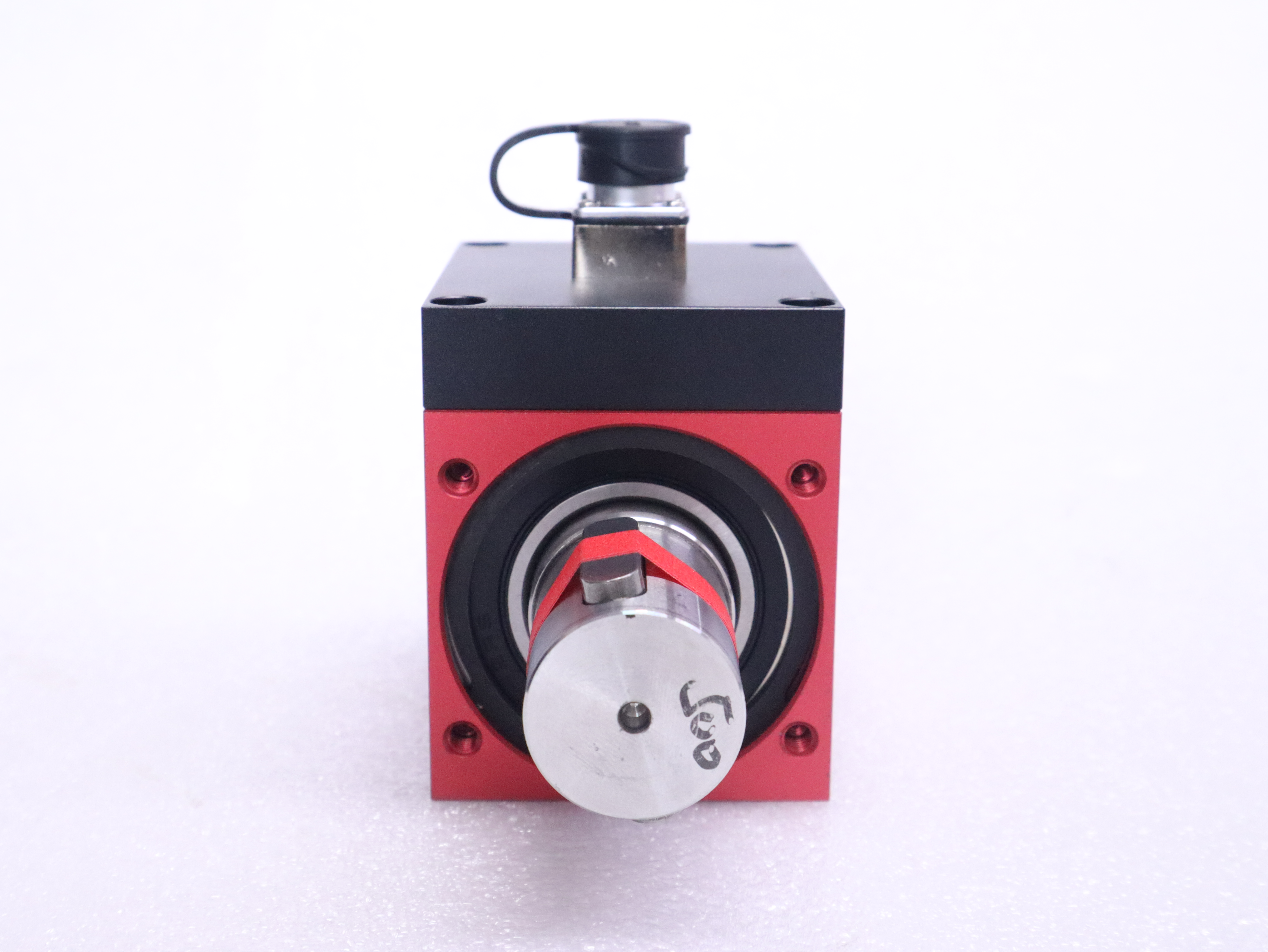
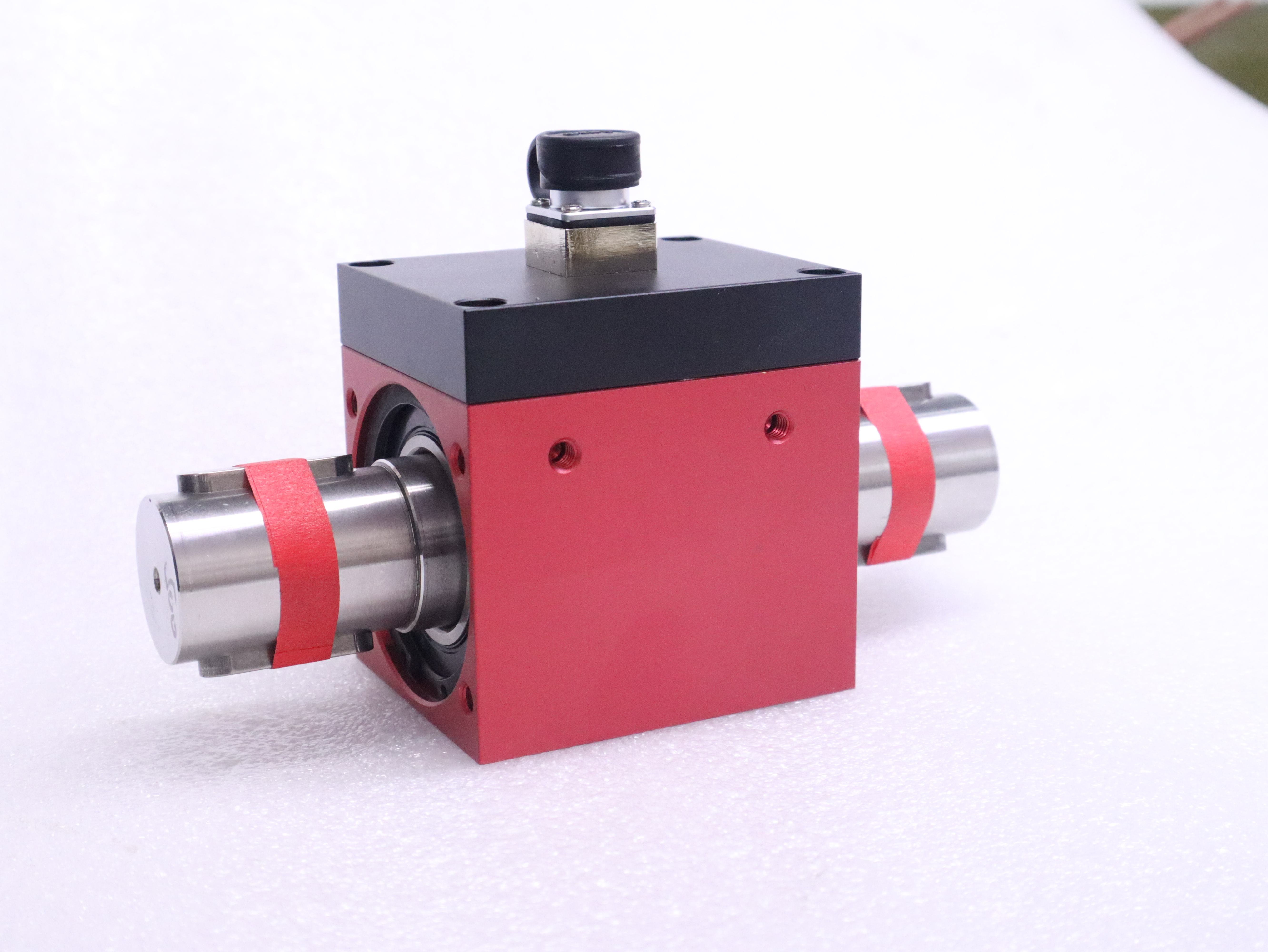
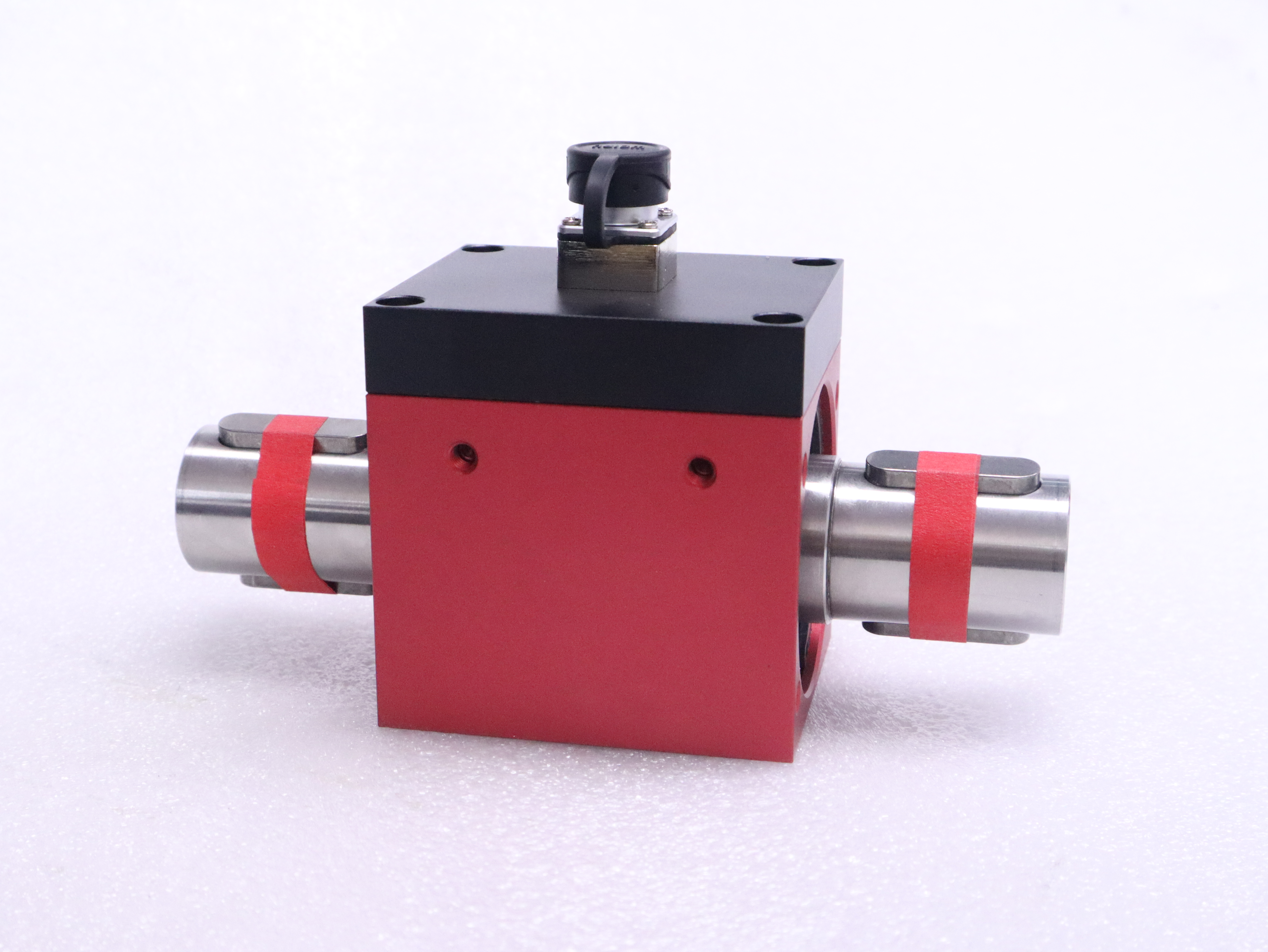
How to Choose the Right Steering Torque Sensor for Your Projec
When selecting a steering torque sensor, several key factors must be considered to ensure that the sensor meets your specific application needs.
Measurement Range and Sensitivity: Ensure that the sensor's torque measurement range aligns with the expected application. For instance, in automotive applications, sensors may need to measure from very low torque levels during initial steering movements to higher levels during more aggressive maneuvers. Sensitivity is equally crucial; a sensor that is too insensitive may miss critical torque variations.
Type of Sensor: There are various types of steering torque sensors, including strain gauge-based sensors and magnetic sensors. Strain gauge sensors are widely used due to their high accuracy and reliability. However, consider the advantages of magnetic sensors, such as their robustness and immunity to electromagnetic interference, especially in harsh environments. Additionally, if you require feedback on position, consider integrating an Linear sensor for enhanced performance.
Environment: The operating environment can significantly impact sensor performance. Factors such as temperature extremes, humidity, and exposure to chemicals should be assessed. Make sure the materials used in the sensor are compatible with the intended environment to prevent malfunction.
Integration and Compatibility: Evaluate the sensor's size, weight, and mounting options to ensure compatibility with existing systems. Additionally, consider the ease of integration with data acquisition systems or controllers. This can simplify installation and reduce the overall project timeline.
Certifications and Standards: Look for sensors that comply with relevant industry standards, such as CE and RoHS certifications. These certifications indicate that the product meets safety and environmental requirements, which is especially important in regulated sectors like automotive and aerospace.
 EN
EN