Beam Load Cell: Key Specifications and Best Practices

application/beam-load-cell, application/beam-load-cell, 
Inquiry
Inquiry

beam load cell

A beam load cell is a critical component used  for precise  weight  measurement  in various applications,  from industrial weighing  systems to automation  processes. For B2B buyers—such as  purchasing managers, engineers, and product  managers—understanding the specifications and performance of  beam load cells is essential for ensuring they meet specific operational requirements. This  article aims to  guide  you through the key specifications, selection  criteria, common challenges, and best practices associated with beam  load cells, helping  you make informed decisions  that  align  with your project's  needs.

How to Choose the Right Beam Load Cell for Your Project Needs

How to Choose the Right Beam Load Cell for Your Project Needs

Selecting the right beam load  cell involves evaluating several factors to ensure it  meets  your specific project requirements.

Application Type: Different applications may require different types of load cells. For example, industrial applications may need load cells with  higher capacities, while laboratory settings may prioritize precision.

Customization Needs: If your project has unique specifications, look for manufacturers that  offer customization options. JIANGXI JINGCE SENSING TECHNOLOGY CO., LTD. provides  OEM/ODM  solutions that can tailor load cells to  specific requirements. Their Customizable PMC Sensors Load Cell Transmitter is an excellent example of such offerings.

Integration Compatibility: Ensure  that the chosen load cell is compatible with your existing systems. This includes checking communication protocols, interface types, and any required connectors.

Budget  Considerations: While  high-quality load cells can  be more expensive, they often lead to lower total  costs through reliability and reduced maintenance. Evaluate the  long-term cost versus  initial investment.


Supplier Reputation:  Research potential suppliers, focusing on their manufacturing capabilities, certifications, and customer feedback to ensure they can deliver a reliable product.

By carefully considering  these factors, you can choose a beam load cell that not only fits  within your budget  but also meets your operational requirements.

Key Factors to Consider

Key Factors to Consider

When evaluating beam load cells, several key factors can impact their  performance  and suitability for  your applications:

Calibration: Ensure the load cell can be calibrated to maintain accuracy over time.  Calibration procedures should be straightforward and supported by the manufacturer.

Installation Requirements: Review the installation conditions required for the load cell. This includes mounting options and the  need for additional equipment  or fixtures.

Weight Distribution: Consider how  weight will be applied to the  load cell. Uneven weight distribution can affect accuracy, so it’s essential to ensure that the design accommodates  your  application.

Power Supply: Determine  whether the load cell  requires  a specific power supply or if it  can operate with standard equipment. This can impact overall  system design.

Environmental Conditions: Assess the conditions where the  load cell will operate. Factors such as humidity, temperature, and exposure to chemicals  can affect performance, so selecting a load cell designed for those conditions is crucial.

By focusing on these factors, you  can make  a more thorough evaluation, leading to  successful implementation and operation.

Common Problems with Beam Load Cells and Their Solutions

Common Problems with Beam Load Cells and Their Solutions

While beam load cells are reliable, they can encounter several common issues that may  affect performance. Here are some frequent  problems and their  solutions:

Drift in Measurements: Over time, load cells  may experience  drift,  leading to inaccurate readings. Regular calibration and maintenance can help mitigate this issue.

Mechanical Damage: Beam load cells can be susceptible to  damage from overload or physical impacts. Implementing overload protection and ensuring proper installation can prevent this.

Environmental  Wear: Exposure to moisture or corrosive substances can degrade load cells. Selecting models  with proper ingress protection ratings (like IP65 or IP67) can enhance durability.

Electrical Interference: Electrical noise from surrounding equipment  can  affect  load  cell performance.  Using shielded  cables and proper grounding techniques can help reduce  interference.

Inconsistent Readings: Inconsistent measurements can arise from improper mounting or  misalignment. Ensuring correct installation and alignment during setup  is essential for reliable performance.

Addressing these common issues proactively can  enhance the longevity and  accuracy of beam load cells in your applications.

Best Practices

To maximize the performance and reliability of beam load cells, consider these best  practices:

Proper Installation:  Follow manufacturer guidelines for installation to ensure optimal performance.  This includes checking  the alignment  and securing the load cell correctly.

Regular Calibration: Schedule regular calibration to maintain accuracy.  This is particularly important for applications requiring precise measurements.

Routine Maintenance: Implement a maintenance schedule to inspect load cells for signs of wear, damage, or  drift in measurements. Early  detection of issues can prevent costly  downtime.

Training for Personnel: Ensure that all personnel involved in operating and maintaining load cells are adequately trained. Understanding how to  handle  and monitor these devices can lead  to better performance.

Documentation and Records: Keep detailed  records  of calibration, maintenance,  and performance data. This information can be invaluable  for troubleshooting and optimizing operations.

By adhering  to these best practices,  you can improve the reliability and  performance of beam load cells, ensuring they meet the  demands of your operations effectively.

Understanding Beam Load Cell Specifications for Optimal Performance

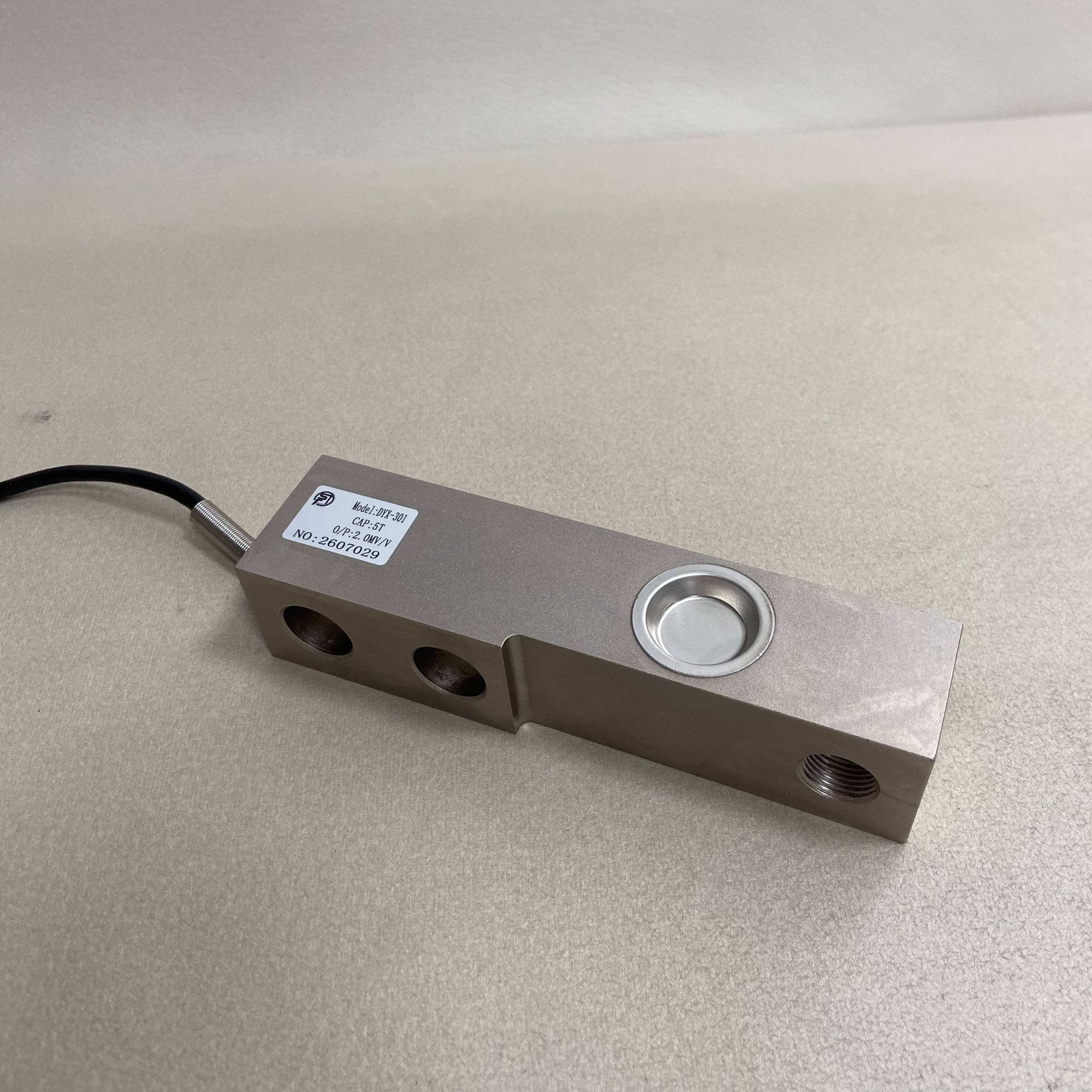
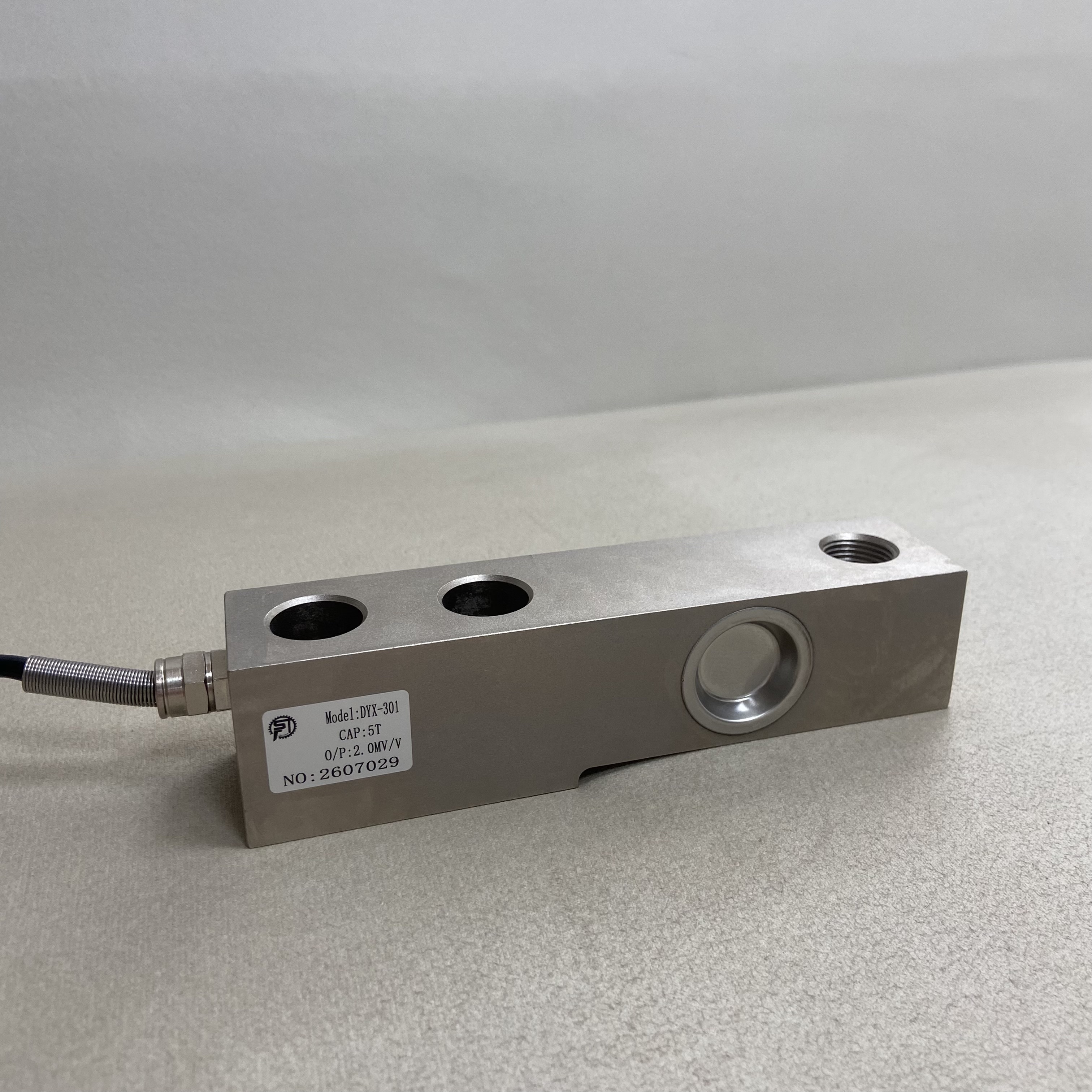
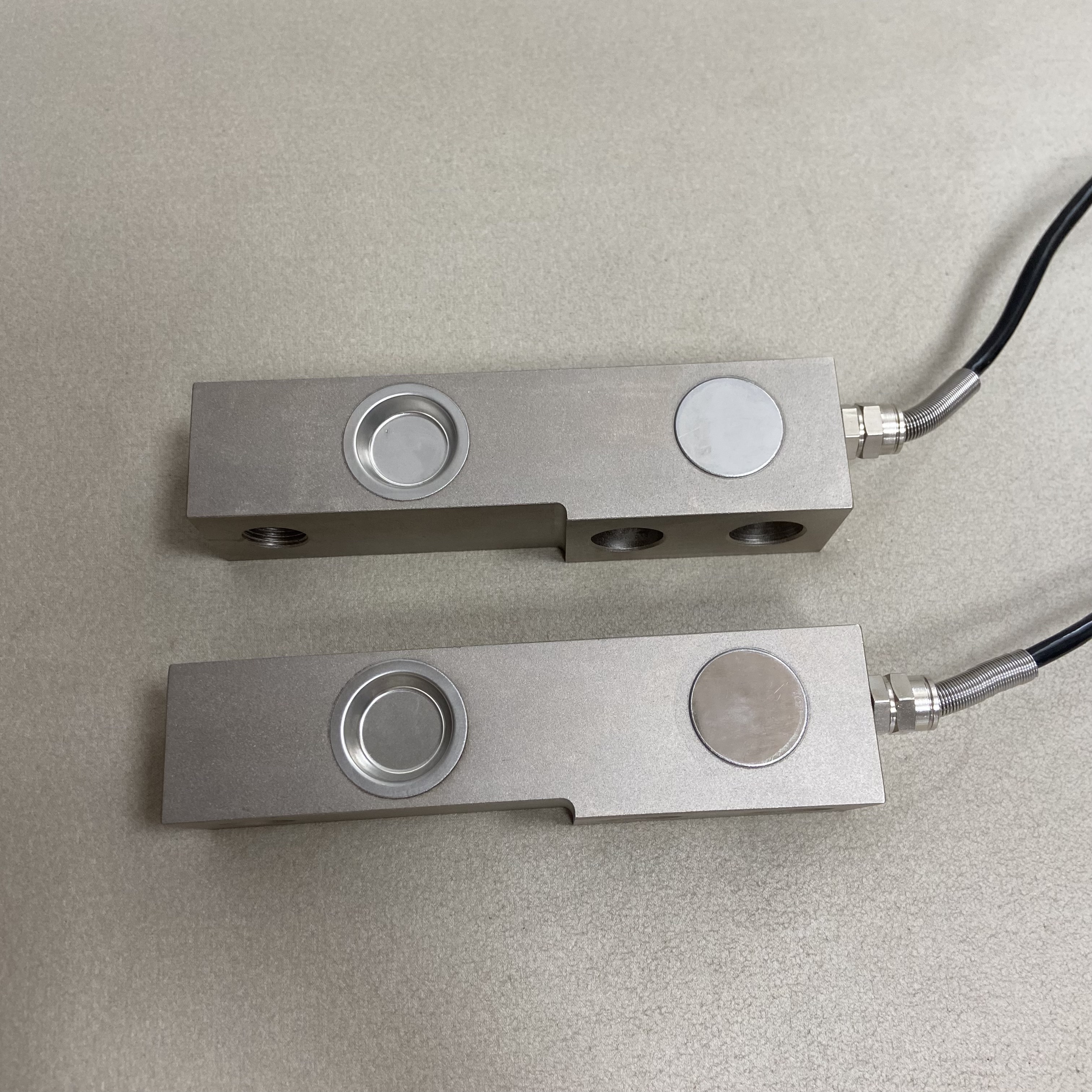
Beam load cells are typically made from high-quality  materials like aluminum or stainless steel, which provide durability and resistance to environmental factors. Each load cell has vital specifications, including load capacity, accuracy, and dimensions, which significantly  influence its  performance.

Load Capacity: This indicates the maximum weight the load  cell can measure.  It's crucial to choose a load cell with a capacity  that exceeds  your maximum expected load  to  avoid damage and ensure longevity.

Accuracy: This specification  refers to the  load cell's ability to measure weight accurately.  A higher accuracy rating means better performance in applications where precise measurements are essential.

Dimensions: The physical size of the load  cell affects  its compatibility with existing equipment and installation requirements. Ensure that the dimensions fit your specific setup.

Environmental Resistance: Many applications require load cells to withstand harsh conditions,  such  as moisture or temperature fluctuations. Selecting a load cell with appropriate sealing and  material resistance can enhance its  lifespan in challenging environments. For example, the High Performance 100Nm Static Torque Sensor Load Cell is designed to be durable in such conditions.

Understanding these specifications allows buyers  to select a beam load cell that aligns with their operational needs and minimizes the potential for  issues during implementation.

Frequently Asked Questions

What is a beam load cell used for?

A beam load cell measures force or weight in tension or compression for weighing, lifting, automation, and test applications.
We provide high-precision beam load cells with CE and RoHS certifications to meet industry quality and safety standards.
Capacities vary widely to suit applications from low to high loads; contact us with required range for specific options.
Yes. We offer OEM/ODM design, calibration, and packaging tailored for lifting, weighing, automation, and new energy sectors.
We supply factory calibration, technical support, documentation, and guidance for installation, maintenance, and integration.

Get a Free Quote

Our representative will contact you soon.
0/1000