Evaluating Torque Transducer Price and Quality

application/torque-transducer-price, application/torque-transducer-price, 
Inquiry
Inquiry

Torque transducer price

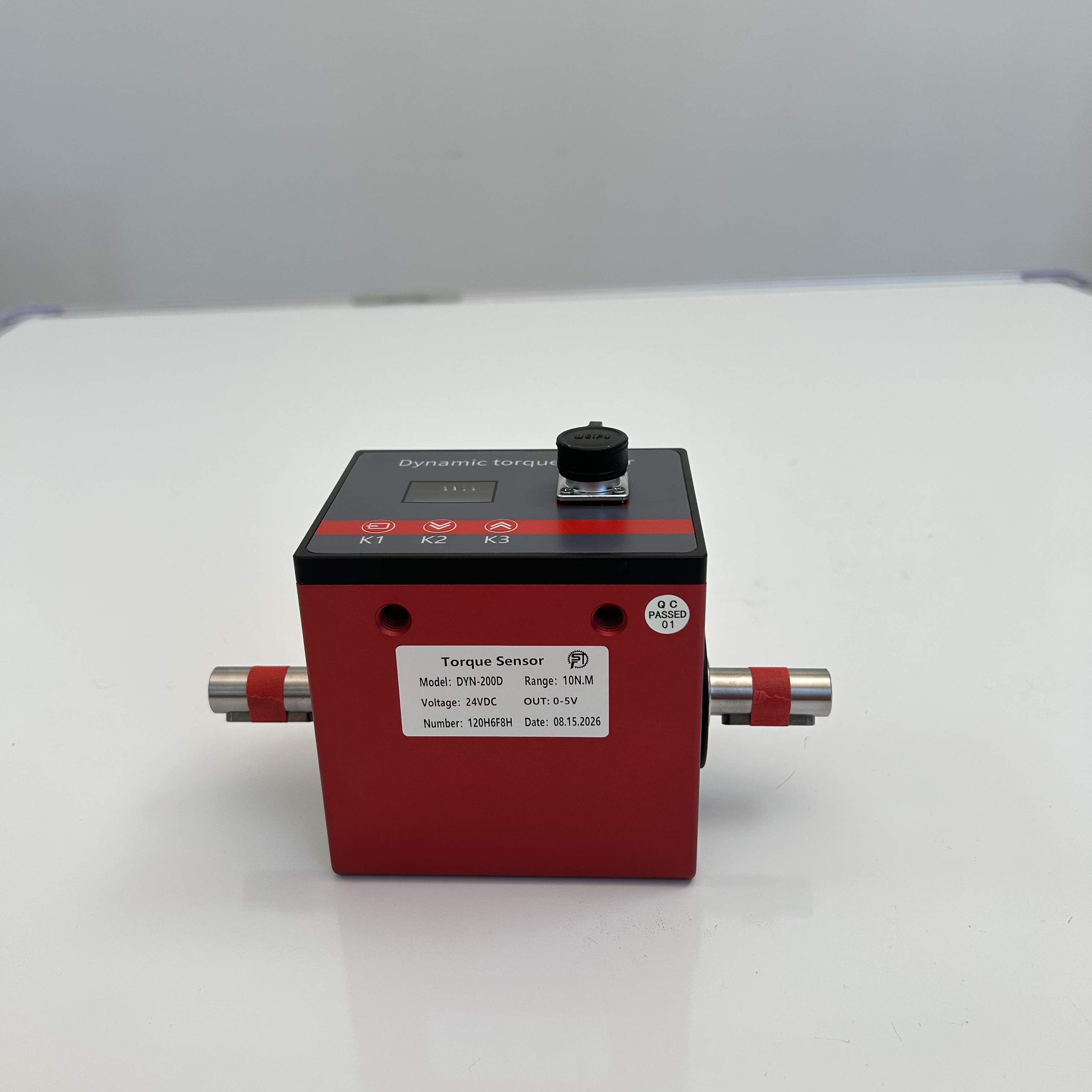
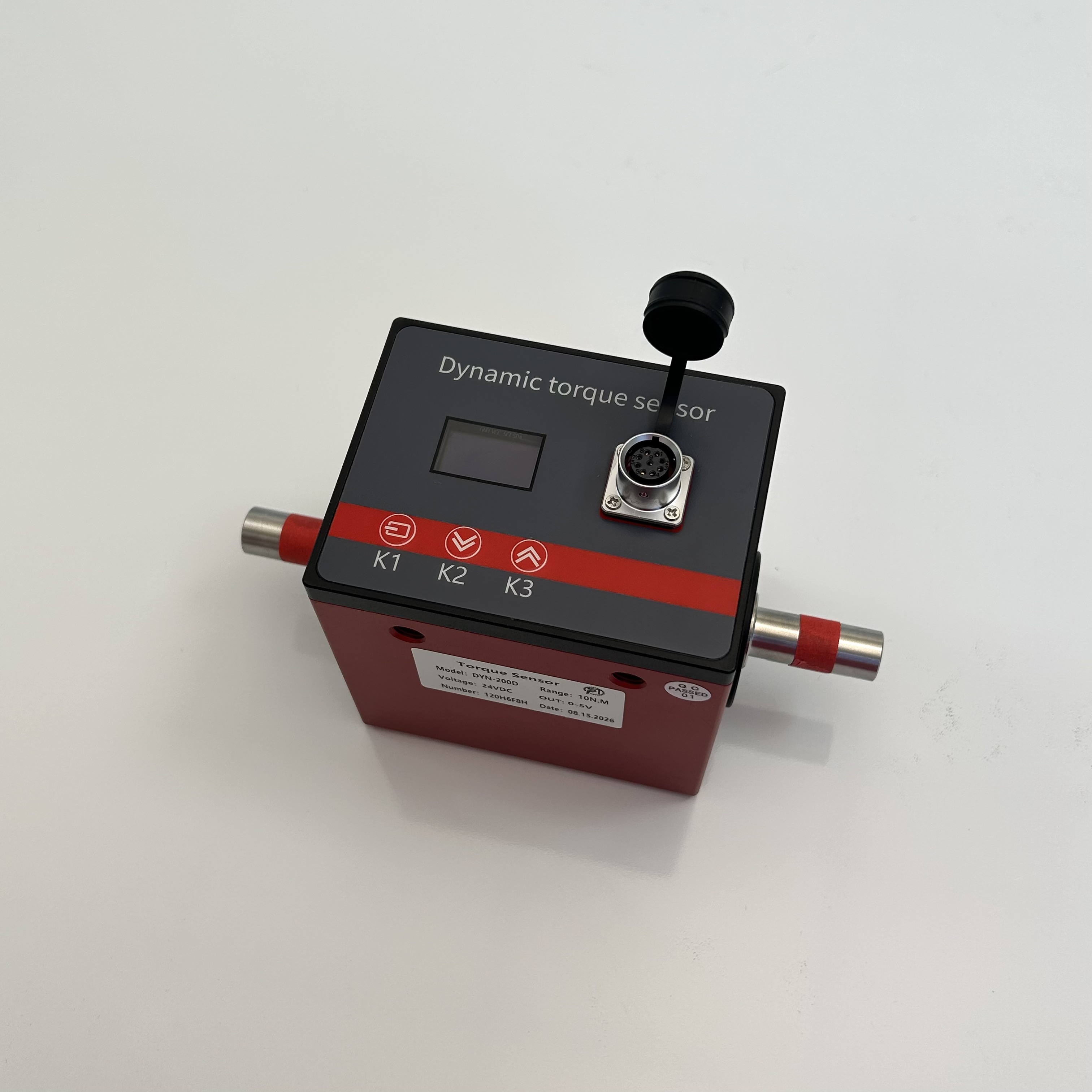
Understanding torque transducer price is crucial for purchasing managers and engineers in various industries. Torque transducers, which are essential for measuring torque in applications ranging from automotive testing to industrial machinery, come with a range of prices that can be influenced by torque transducer specifications, quality standards, and torque transducer manufacturing capabilities. This article aims to provide insights into what factors to consider when comparing Torque rotary sensor prices, helping buyers make informed decisions that align with their needs and budgets.

Understanding Torque Transducer Specifications for Informed Buying

Understanding Torque Transducer Specifications for Informed Buying

Torque transducer specifications are critical for ensuring the right fit for your application. Key specifications include the measurement range, which determines the maximum and minimum torque values the transducer can accurately measure. For instance, if your application requires measuring high torque levels, you'll need a Load cell  with an appropriate upper limit. 

Accuracy is another essential specification. It indicates how closely the transducer's measurements align with the actual torque values. Buyers should look for transducers with a low percentage of deviation, as this will ensure precise readings. Sensitivity, or the smallest change in torque that the transducer can detect, also plays a role in performance, especially in applications requiring fine measurements. 

Material selection is equally important. Torque transducers may be constructed from various materials, including aluminum, stainless steel, or specialized alloys, each offering different levels of strength, weight, and resistance to environmental factors. The choice of material will impact both performance and cost, so it should align with the specific operational conditions of your application. 

Evaluating Quality Standards in Torque Transducer Manufacturing

Evaluating Quality Standards in Torque Transducer Manufacturing

Quality standards are paramount in the manufacturing of torque transducers. Look for manufacturers that adhere to recognized standards such as ISO 9001, which ensures that they have implemented effective quality management systems. This certification indicates a commitment to maintaining consistent quality throughout the production process. 

In addition to ISO standards, check for compliance with specific industry regulations, such as CE and RoHS certifications. These certifications ensure that the products meet safety and environmental standards required in many international markets. A manufacturer like JIANGXI JINGCE SENSING TECHNOLOGY CO., LTD. provides products that comply with these standards, ensuring reliability and safety. 

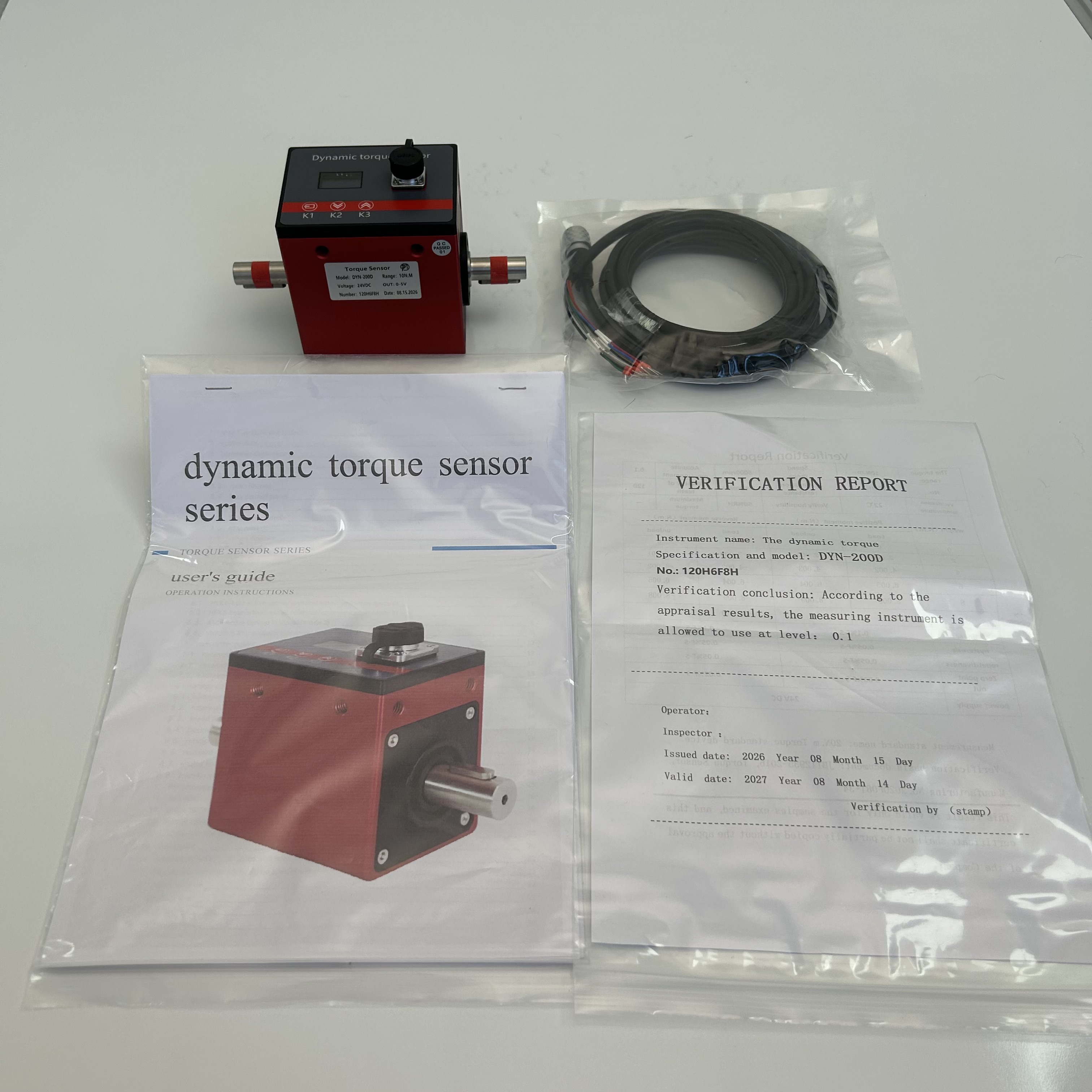
It's also beneficial to understand the manufacturer's quality control processes. In-depth testing, including calibration and performance verification, ensures that each torque transducer meets its specified accuracy and reliability. Buyers should inquire about the testing methods used, such as load testing and environmental stress testing, to gauge the robustness of the products. 

Common Problems with Torque Transducers and Their Solutions

Common Problems with Torque Transducers and Their Solutions

Despite their reliability, torque transducers can encounter common issues that may affect performance. One common problem is drift, where the output signal gradually changes over time, leading to inaccurate measurements. This can be mitigated by implementing regular calibration schedules and using high-quality components that minimize drift. 

Another issue is damage due to overload, which can occur if the applied torque exceeds the transducer's rated capacity. Buyers should ensure that the selected transducer is appropriately rated for the intended application, and consider oversizing when necessary to accommodate unexpected torque spikes. 

Environmental factors can also impact torque transducer performance. Exposure to extreme temperatures, moisture, or corrosive substances can degrade the transducer's materials. To address this, manufacturers often offer models designed for specific environments, such as waterproof or high-temperature versions. 

Applications of Torque Transducers in Various Industries

Torque transducers find applications across a broad range of industries. In the automotive sector, they are essential for engine testing, helping engineers assess performance and optimize designs. Similarly, in manufacturing, torque transducers are used in assembly lines to ensure that components are tightened to the correct specifications, preventing failures in the field. 

In the aerospace industry, torque measurement is critical for maintaining safety standards in aircraft assembly and maintenance. Torque transducers help ensure that fasteners are tightened to the required torque levels, reducing the risk of mechanical failures. 

Moreover, in the renewable energy sector, torque transducers play a vital role in wind turbine testing, where accurate torque measurements are essential for optimizing performance and efficiency. As industries increasingly rely on data-driven insights, the demand for high-quality torque transducers continues to grow, making it essential for buyers to understand the specifications, quality standards, and potential challenges inherent in these devices. 

By considering these factors, buyers can effectively evaluate torque transducer prices and select products that meet their specific application needs while ensuring reliability and performance. 

What to Consider When Comparing Torque Transducer Prices

When evaluating torque transducer prices, several key factors come into play. First, consider the specifications of the transducer itself. Parameters such as measurement range, accuracy, and sensitivity directly impact the price. For example, a high-precision Linear sensor transducer designed for sensitive applications will typically cost more than a standard model. 

Next, assess the materials used in the transducer's construction. High-quality materials can enhance durability and performance, leading to a higher price point. Additionally, the manufacturing process, including the technology and quality control measures employed, significantly affects the cost. Manufacturers with advanced production techniques and stringent quality assurance processes may charge more, but this often translates into better performance and reliability. 

Lastly, consider the supplier's reputation and customer service. Established manufacturers like JIANGXI JINGCE SENSING TECHNOLOGY CO., LTD. often offer OEM and ODM solutions that can provide value beyond the product itself, such as customization options and support. This can justify a higher price due to the added benefits of tailored solutions and reliable after-sales service.

Frequently Asked Questions

What is the typical price range for a torque transducer?

Prices vary by capacity, accuracy, and features. Basic models start low, while high-precision or wireless units cost more. Contact us with specs for an exact quote and OEM/ODM pricing.
Standard pricing may exclude calibration. We offer CE/RoHS-compliant units and can provide calibration and certificates upon request; additional fees may apply.
Yes. We provide OEM/ODM solutions. Share required capacity, accuracy, output, and mounting details to receive a tailored quote and lead time.
Wireless units typically carry a premium due to integrated telemetry and batteries. Pricing depends on range, protocol, and data features—ask for a comparative quote.
Key factors: measurement range, accuracy class, materials, environmental protection, output type, and added services like calibration or custom design.

Get a Free Quote

Our representative will contact you soon.
0/1000