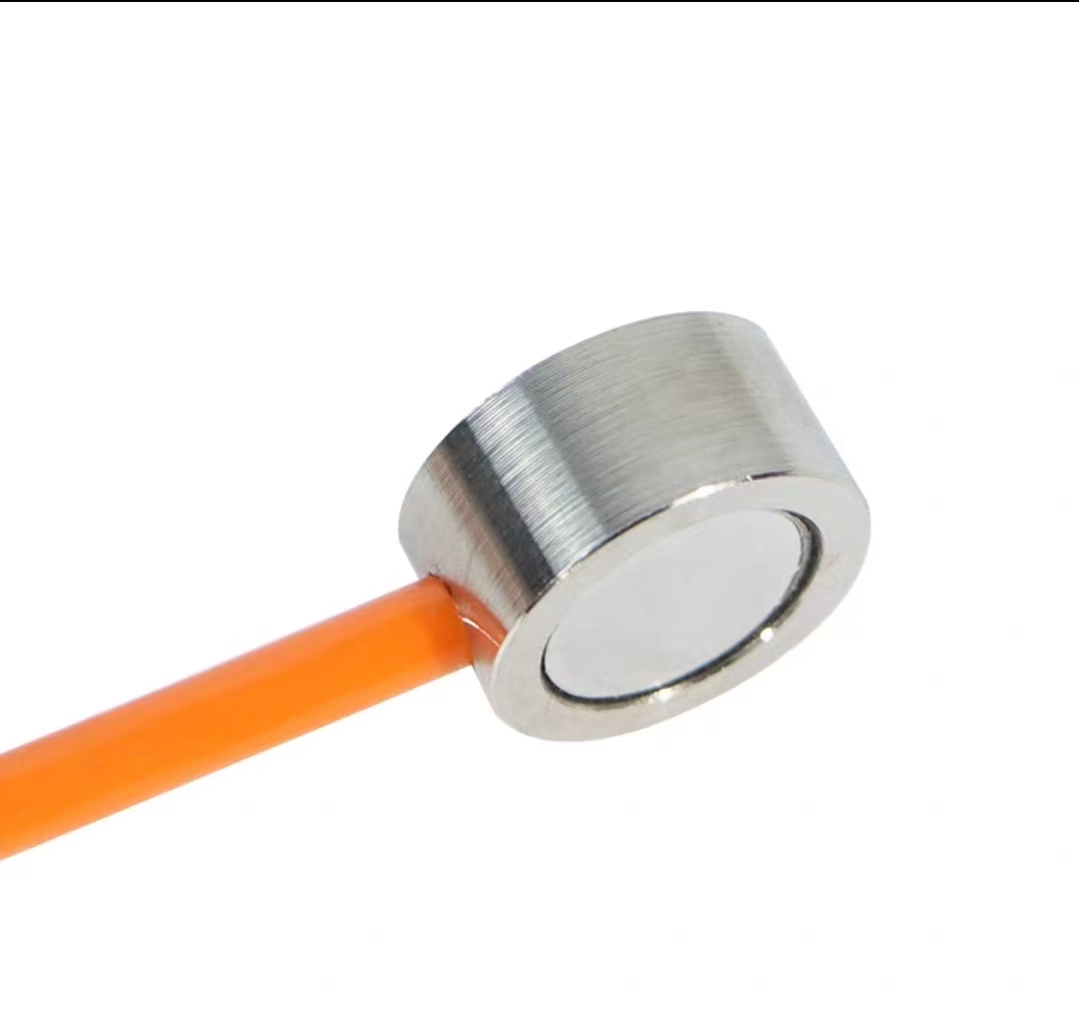
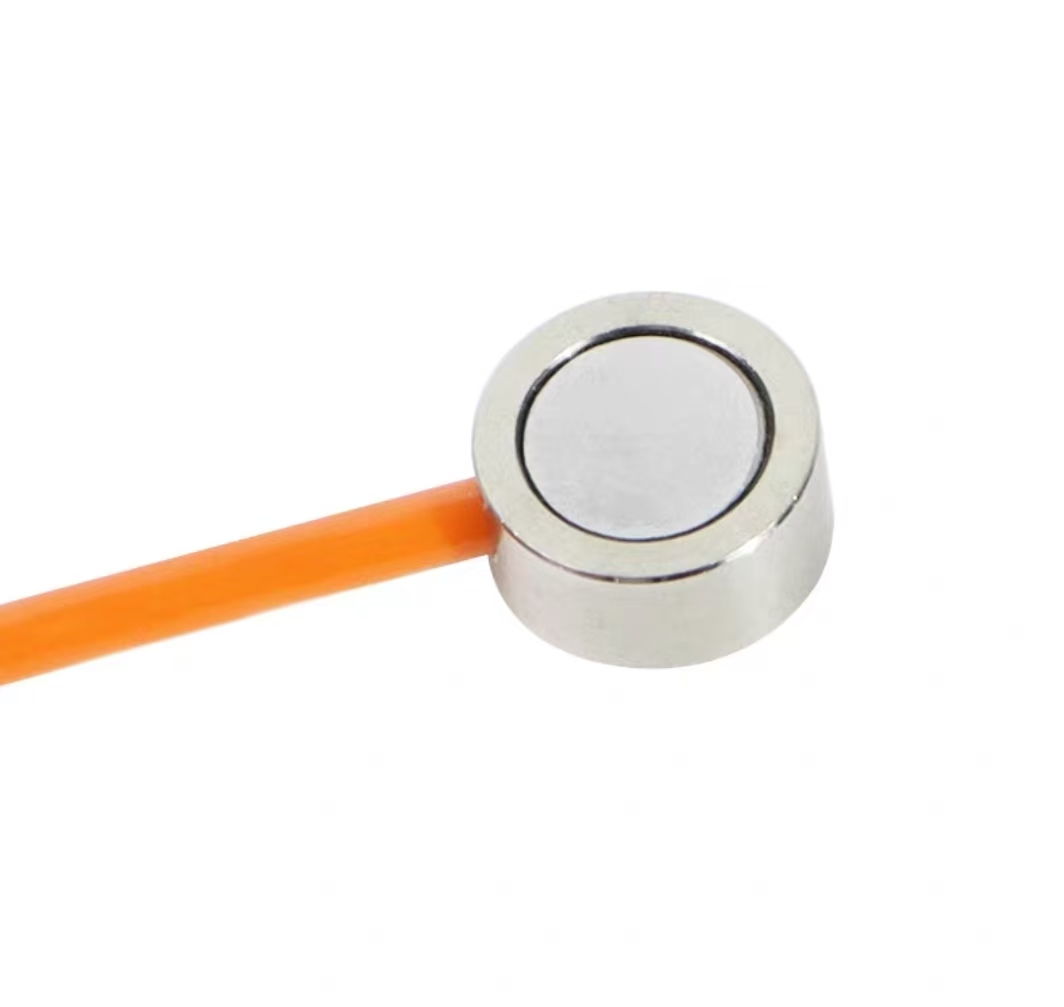
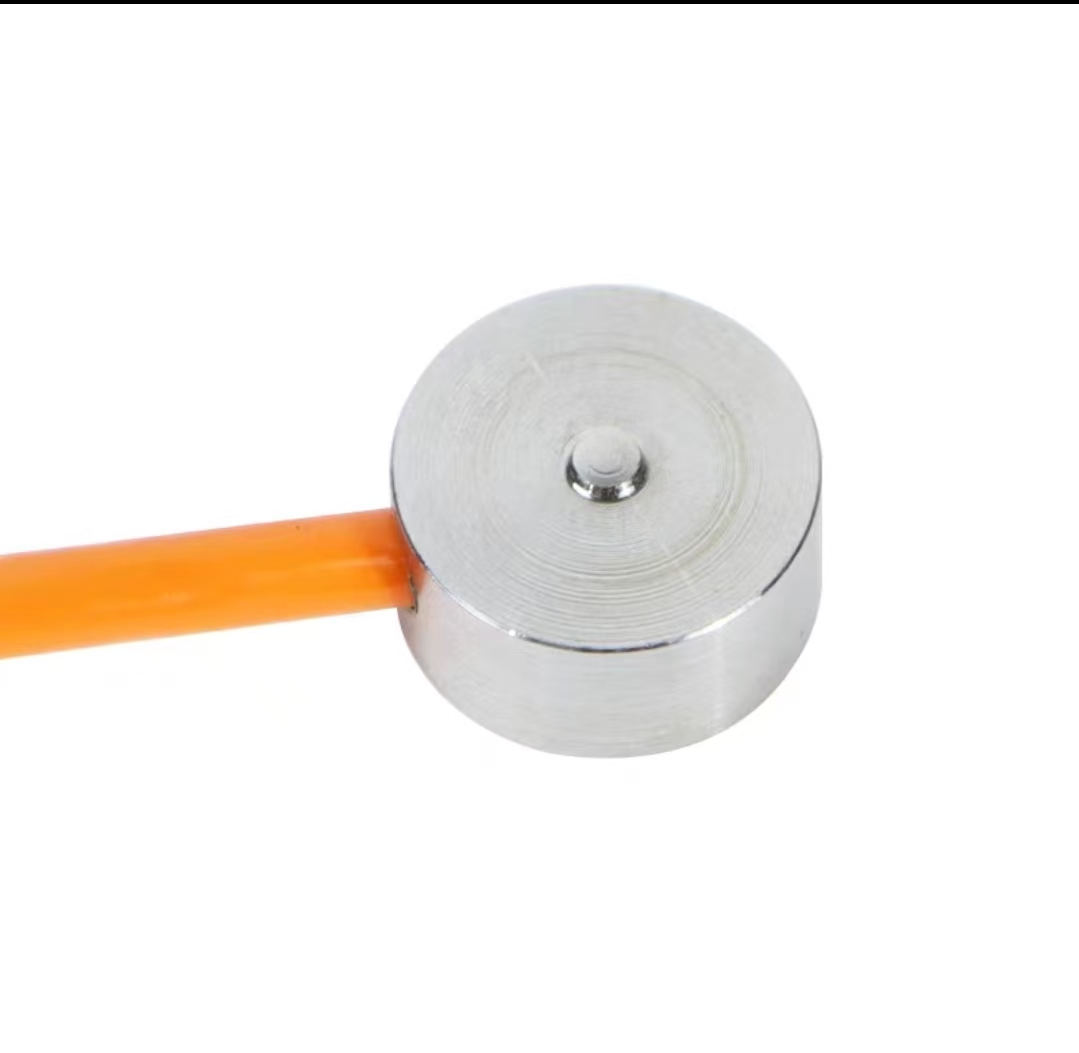
High-Precision 10kg Load Cells for Diverse Applications

application/load-cell-10kg, application/load-cell-10kg, 
Inquiry
Inquiry

load cell 10kg

Load cells are essential&nbsp; components in various industries, used to measure force or weight with high precision. Specifically, a&nbsp; 10kg load&nbsp; cell is designed to&nbsp; handle loads up to 10 kilograms,&nbsp; making it&nbsp; ideal for applications in lifting,&nbsp; weighing, and automation. When considering the procurement&nbsp; of a 10kg load cell, buyers often have concerns related to specifications, applications, cost&nbsp; factors,&nbsp; materials,&nbsp; and common&nbsp; issues.&nbsp; This article aims&nbsp; to provide a comprehensive&nbsp; understanding&nbsp; of&nbsp; these aspects,&nbsp; helping purchasing managers and&nbsp; engineers&nbsp; make informed decisions.<a href="/load-cell">Learn more about load cells here.

Applications of 10kg Load Cells in Various Industries

Applications of 10kg Load Cells in Various Industries

The versatility&nbsp; of 10kg load cells makes them applicable across numerous sectors. Some key applications include:

Manufacturing and Automation: In&nbsp; production lines, 10kg load cells are utilized for&nbsp; monitoring the weight of products during assembly, ensuring&nbsp; that each product&nbsp; meets specified weight requirements. This is critical for&nbsp; quality control.


Weighing Systems: These load cells are&nbsp; integral to various weighing systems, from retail scales to industrial&nbsp; scales. They ensure accurate readings for inventory management&nbsp; and shipping processes.

Biomedical and Laboratory Equipment: In laboratories, 10kg load cells are&nbsp; often used in precision scales. Their high&nbsp; accuracy&nbsp; is vital for experiments where&nbsp; precise measurements are crucial.

Agriculture: Load cells can be employed in agricultural machinery&nbsp; for monitoring the&nbsp; weight of materials,&nbsp; such as fertilizers or seeds, ensuring optimal application rates.

Transportation&nbsp; and Logistics: In&nbsp; the logistics sector, these load cells help in weighing cargo for shipping,&nbsp; ensuring compliance with weight regulations and optimizing load distribution.<a href="/hanging-scale">Hanging scales  also use load cells for accurate measurements.

Understanding the Cost Factors of 10kg Load Cells

Understanding the Cost Factors of 10kg Load Cells

When considering the purchase of a 10kg load cell, various cost factors should be evaluated:

Material Quality: The choice of materials affects pricing. Stainless steel load cells generally cost more due to their durability and resistance to environmental factors compared to standard&nbsp; steel or plastic options.

Accuracy and Sensitivity:&nbsp; Higher&nbsp; accuracy and sensitivity&nbsp; often come at a premium. It is essential to assess whether your&nbsp; application justifies the additional cost for&nbsp; these specifications.

Customization: If you require specific features or configurations, customization can increase costs.&nbsp; Work closely with your supplier&nbsp; to&nbsp; understand the&nbsp; implications of any required&nbsp; modifications.

Volume Discounts:&nbsp; Purchasing in&nbsp; larger quantities may provide cost benefits. Discussing minimum order quantities (MOQ) with&nbsp; suppliers&nbsp; can yield better pricing terms.

Shipping and Handling: Costs associated with shipping,&nbsp; handling,&nbsp; and potential import duties should&nbsp; also be factored into the total cost&nbsp; of ownership.

 
Material Advantages of High-Precision 10kg Load Cells

Material Advantages of High-Precision 10kg Load Cells

The material used in the&nbsp; construction of 10kg load cells significantly influences their performance and suitability for various&nbsp; applications. Key material considerations&nbsp; include:

Corrosion Resistance: Stainless steel is commonly used for load&nbsp; cells due to&nbsp; its resistance to corrosion. This is particularly important&nbsp; in industries where exposure&nbsp; to moisture or chemicals is prevalent.

Durability: High-precision load cells constructed from robust materials can withstand harsh environments, ensuring&nbsp; longevity and&nbsp; reliability. This is crucial&nbsp; in industrial applications&nbsp; where equipment is subjected to wear and tear.

Temperature Stability: Materials that maintain stable performance across a range of temperatures&nbsp; are essential for applications&nbsp; in varying environments. Buyers should confirm that the load cell&nbsp; material can perform reliably&nbsp; within their specific&nbsp; operating&nbsp; conditions.

Weight and Size: The weight and size of the load cell can also affect installation&nbsp; and use. Smaller, lightweight materials may be more suitable&nbsp; for portable applications, while larger, heavier&nbsp; materials may offer greater stability in fixed installations.

Solutions to Common Problems with 10kg Load Cells

Despite their reliability, 10kg load cells&nbsp; can encounter issues that affect performance. Here are some common problems and their solutions:

Drift: Over time, load cells may experience drift, where the output signal shifts even without a&nbsp; load. Regular&nbsp; calibration and maintenance can help&nbsp; mitigate this&nbsp; issue. Ensure that any changes&nbsp; in environmental conditions&nbsp; are monitored and accounted for.

Overloading: Exceeding the&nbsp; rated capacity&nbsp; of a load cell can damage it. Implementing&nbsp; overload protection mechanisms,&nbsp; such as stop limits or alarms, can prevent&nbsp; accidental overloading.


Temperature Effects: Variations in temperature can lead to measurement&nbsp; inaccuracies. Utilizing load cells specifically&nbsp; designed for temperature compensation can help maintain&nbsp; accuracy under varying conditions.

Electrical Noise: Interference&nbsp; from electrical devices can affect the signal output. Shielded cables and proper grounding techniques can reduce electrical noise and improve measurement reliability.

Poor Installation: Improper installation can result&nbsp; in inaccurate readings. Buyers should ensure that load cells are installed following manufacturer guidelines and that alignment and leveling are carefully&nbsp; checked.

By understanding these common issues, buyers can take proactive steps to ensure their 10kg&nbsp; load cells perform optimally throughout their operational lifespan.

Key Specifications to Consider for 10kg Load Cells

When evaluating a 10kg load cell, several key specifications should be prioritized to ensure compatibility with your application.&nbsp; These include:

Accuracy: This indicates the load cell's ability to measure weight or force accurately. Buyers should look for specifications such as a percentage of full&nbsp; scale, often represented as ±0.1% or ±0.5%. Higher accuracy is crucial for applications requiring&nbsp; precise measurements.

Sensitivity: This measures&nbsp; the smallest load that can be detected by the load&nbsp; cell, usually expressed in mV/V. A&nbsp; higher sensitivity means that the load cell can&nbsp; detect smaller changes in load, which is vital&nbsp; for applications such as laboratory testing or fine-scale weighing.<a href="/absolute-value-encoder-">Absolute value encoders  are often used in conjunction with load cells for high precision tasks.

Output Signal:&nbsp; Load cells typically provide an analog output, often in&nbsp; mV. Understanding the output signal type is essential to ensure&nbsp; compatibility with your data acquisition systems.

Operating Temperature Range: Load cells can be sensitive to temperature&nbsp; fluctuations. Buyers should confirm the&nbsp; operating temperature range to ensure it aligns with their environment, as&nbsp; extreme temperatures can affect performance.

Material and Construction: The material of the&nbsp; load&nbsp; cell casing influences durability and application suitability. Stainless steel is often&nbsp; favored for its corrosion resistance and&nbsp; ability to withstand harsh environments.

Certification: Look for CE and RoHS&nbsp; certifications, which indicate compliance with European safety standards and environmental directives. These certifications are essential for ensuring&nbsp; product reliability and safety.

Frequently Asked Questions

What is the rated capacity of this load cell?

The load cell is rated for 10 kg capacity, designed for precise measurement within its specified range.
High-precision design delivers low non-linearity and repeatability errors; specific accuracy depends on model calibration and application conditions.
Yes. It carries CE and RoHS certifications, ensuring compliance with relevant safety and environmental standards.
Yes. We offer OEM and ODM services for mechanical, electrical, and connector customizations to suit lifting, weighing, automation, or new energy needs.
Designed for industrial use with robust mounting options; compatible with typical weighing systems and suitable for controlled indoor or protected outdoor environments.

Get a Free Quote

Our representative will contact you soon.
0/1000