Choosing Double Ended Shear Beam Load Cells

application/double-ended-shear-beam-type-load-cell, application/double-ended-shear-beam-type-load-cell, 
Inquiry
Inquiry

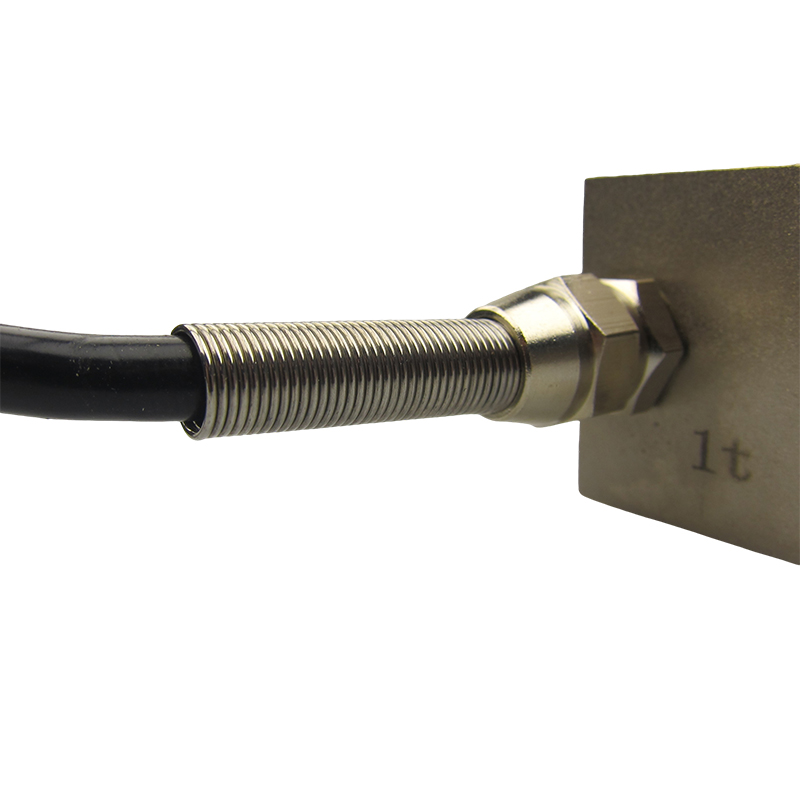
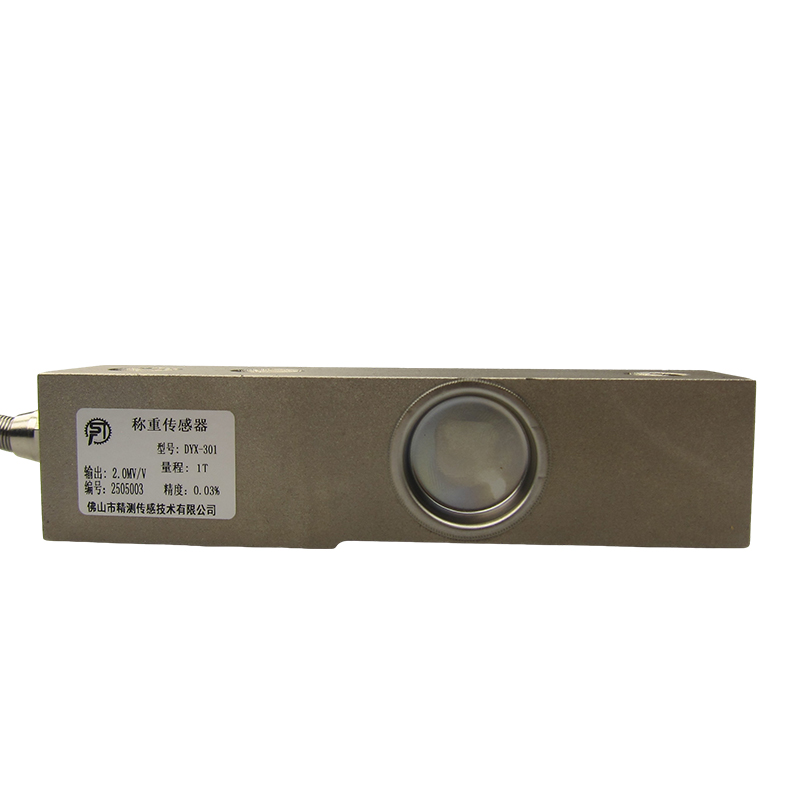
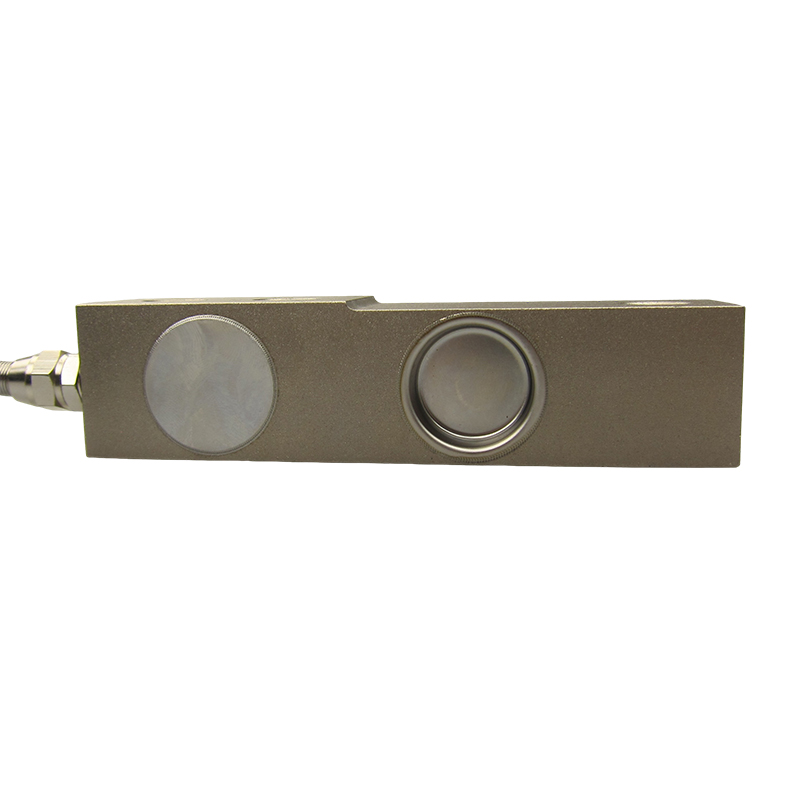
double ended shear beam type load cell

Double ended  shear beam type load cells are precision instruments  designed to  measure force or  weight in various  industrial applications.  Understanding how  to select  the right load cell is  critical for purchasing managers,  engineers, and  procurement specialists, as it  directly  impacts  operational efficiency and accuracy. This article will guide you through essential  considerations  when choosing double ended  shear  beam load cells, ensuring you meet your specific  application needs while optimizing quality and cost.

 
Key Specifications to Evaluate in Double Ended Shear Beam Load Cells

Key Specifications to Evaluate in Double Ended Shear Beam Load Cells

When evaluating double ended shear beam  load cells, focus on several critical specifications that directly influence  performance and reliability:

Accuracy and Precision: Look for the  load cell’s accuracy  rating, often expressed as a percentage of the full-scale output. A higher accuracy percentage indicates better measurement reliability.

Material Composition: The material  used in the  construction of the load cell affects both weight and environmental resistance. Common materials include aluminum for lightweight applications and stainless  steel for higher durability  and  corrosion  resistance.

Output Signal: Consider the  type of output signal  (analog or digital) that the load cell provides. Analog output is common in traditional systems, while digital outputs can offer enhanced features like built-in calibration.

Mounting Options: Evaluate the load cell’s  design and mounting  requirements. Ensure it can  be easily integrated into  your  existing equipment without extensive modifications.

Calibration and Certification: Check for calibration certificates and compliance with  industry standards (such as CE and  RoHS certifications), which  are crucial for ensuring quality and reliability.

Quality Control Measures for Double Ended Shear Beam Load Cells

Quality Control Measures for Double Ended Shear Beam Load Cells

Implementing  stringent quality control  measures  is essential when manufacturing  or  sourcing double ended shear beam  load  cells:

Material Inspection: Conduct thorough inspections of raw materials  before production. Ensure that all materials meet the specified standards  for strength  and durability.

Production  Monitoring: Maintain real-time  monitoring during the manufacturing process. This includes tracking dimensions, weight readings, and ensuring proper assembly practices.

Testing Protocols: Establish robust testing protocols, including calibration tests and environmental  stress  tests. Load cells should be subjected to load testing to verify accuracy and performance under anticipated  conditions.

Post-Production Quality Checks: Implement final inspection processes to  confirm  that each load cell  meets the specified tolerances and  performance metrics  before shipment.

Common Installation Challenges with Double Ended Shear Beam Load Cells

Common Installation Challenges with Double Ended Shear Beam Load Cells

Installation of  double ended shear beam  load cells can present several challenges that require careful planning  and execution:

Alignment Issues: Proper  alignment  is crucial for accurate  measurements. Misalignment can lead to erroneous readings or damage.  Use precise fixtures and  guides during installation to ensure correct positioning.

Environmental Considerations:  If  the installation site is subject to extreme temperatures or moisture, consider using  protective enclosures or  selecting load cells designed for such conditions to prevent degradation.

Wiring and Connections: Ensure proper wiring and connections to  avoid signal loss or interference. Double-check all connections and  consider  using shielded cables to reduce noise in the  signal.

Calibration Post-Installation: After installation,  recalibrate the  load  cell to confirm accuracy. This is particularly important if the load cell has been moved or installed  in a different environment.

Comparing Cost Factors for Double Ended Shear Beam Load Cells

Understanding the cost  factors associated with double ended shear beam  load cells  is vital for budget-conscious decision-making:

Material Costs: The choice of materials used in the load cell construction can significantly influence the overall  price.  Stainless steel options will typically cost  more than aluminum but offer greater durability.

Customization Requirements: If your application requires specific modifications or  custom features, factor in the additional costs associated with these customizations. This can include unique dimensions, output types, or  environmental ratings.

Quantity Discounts: When planning a purchase, consider the total  order quantity. Many manufacturers offer tiered pricing, which can reduce the unit cost significantly for bulk orders.

Shipping and Handling: Factor  in shipping  costs, especially for international orders.  Ensure that the load cell is packaged  adequately to prevent damage during transport, which may incur additional costs if special  handling is required.

Long-term Value: While initial costs are important, consider the  long-term value of the load cell. Investing in higher-quality units can reduce maintenance costs and improve operational  efficiency  over time.

By thoroughly examining these aspects, buyers can make informed decisions regarding double ended shear beam load cells  that align with their operational needs and budget constraints. Engaging with a reputable  manufacturer like JIANGXI JINGCE  SENSING TECHNOLOGY CO., LTD., known for high-precision load cells such as the Cost-effective Load Cell Amplifier and OEM/ODM solutions, can further enhance your purchasing strategy.

How to Choose the Right Double Ended Shear Beam Load Cell for Your Needs

Selecting the appropriate double ended shear beam load cell begins  with a clear understanding  of your application requirements. Key  considerations include the load capacity, environmental conditions, and specific application needs.

Load  Capacity: Determine the maximum  load that will be applied to  the load cell. Double ended shear beam load cells typically have a high load capacity, making them suitable for heavy industrial applications.  Ensure the selected load cell can handle the  expected maximum load to avoid damage or inaccurate measurements.

Environmental Factors: Assess the  environment where the load cell  will be installed.  Factors such as temperature variations, humidity, and exposure to chemicals can affect performance. Selecting a load cell with appropriate environmental ratings, such as IP (Ingress Protection) ratings or specific material coatings,  will enhance durability. For instance, if you need a load cell that can withstand harsh conditions, consider the High Performance 100Nm Static Torque Sensor Load Cell.

Application Specifics: Consider the specific  application, such as  whether it involves  static  or dynamic measurements. For  instance,  dynamic applications, like those in  weighing scales for  moving loads, may require additional features such as higher response times.

Frequently Asked Questions

What is a double ended shear beam load cell?

A double ended shear beam load cell measures compressive and tensile forces using shear elements at both ends, providing stable, high-precision readings for industrial weighing and lifting applications.
We offer a range of capacities from low to high tons with high-precision accuracy options. Specific capacity and class depend on application—contact us for customized specification sheets and calibration options.
Yes. Our double ended shear beam load cells carry CE and RoHS certifications, ensuring compliance with safety and environmental standards.
Yes. We provide OEM/ODM solutions including tailored mechanical designs, mounting options, cable lengths, and calibration to fit lifting, weighing, automation, and energy applications.
Our load cells offer robust environmental protection, with selectable IP ratings and temperature compensation for stable performance across industrial environments. Contact us for specific IP and temp ranges.

Get a Free Quote

Our representative will contact you soon.
0/1000