Key Specifications to Evaluate When Sourcing Shaft Torque Sensors
When sourcing shaft torque sensors, several key specifications must be evaluated:
Torque Range: This determines the minimum and maximum torque the sensor can accurately measure. Selecting a sensor with an inadequate range can lead to inaccurate readings or sensor damage.
Accuracy and Resolution: Accuracy defines how close the measured value is to the actual value, while resolution refers to the smallest change in torque that can be detected. Both specifications are crucial for applications requiring high precision.
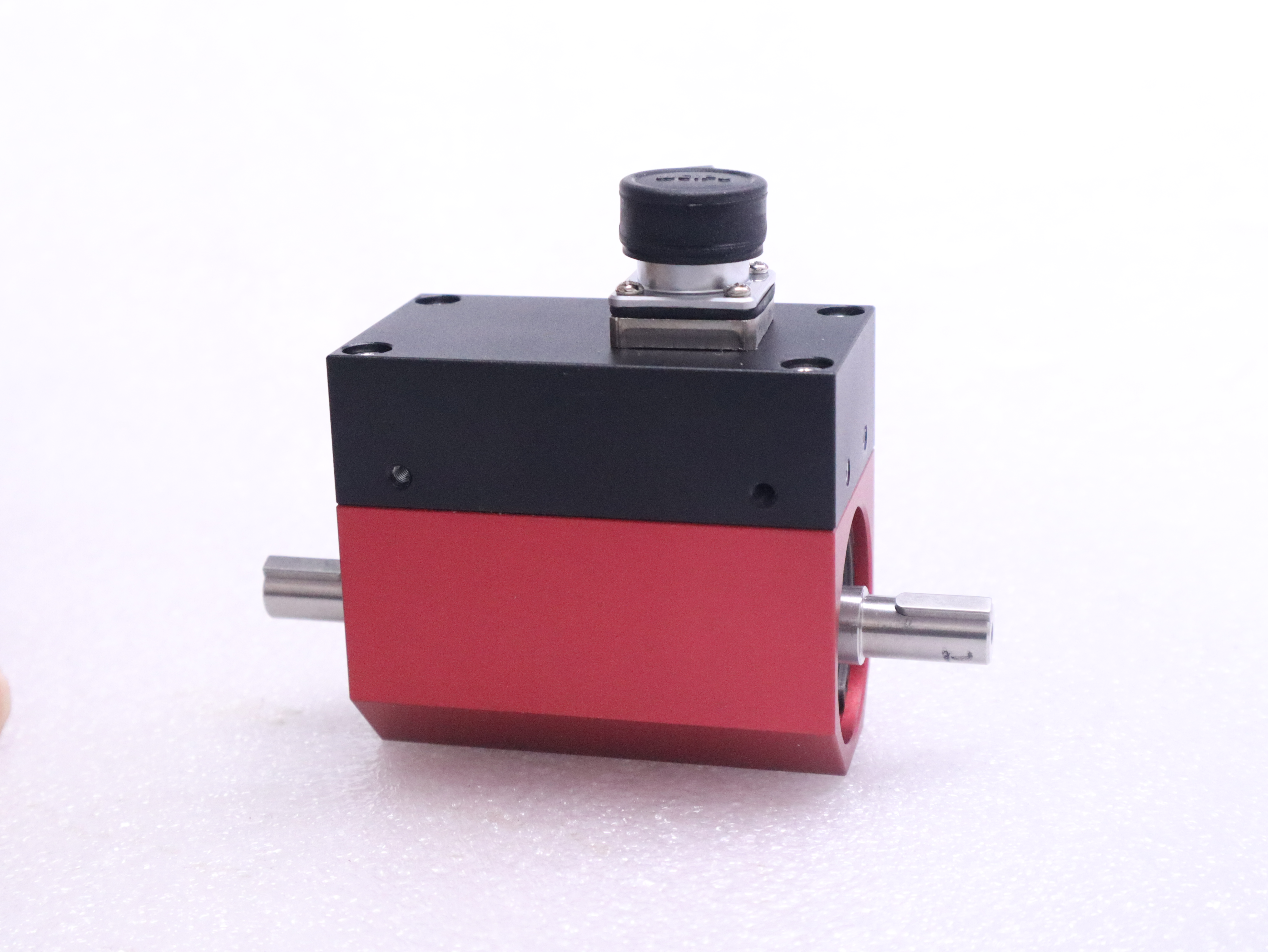
Material and Construction: The choice of materials affects durability and performance, especially in harsh environments. Materials like stainless steel or aluminum are commonly used due to their strength and resistance to corrosion. For instance, Load cell technology can enhance the durability of your sensors.
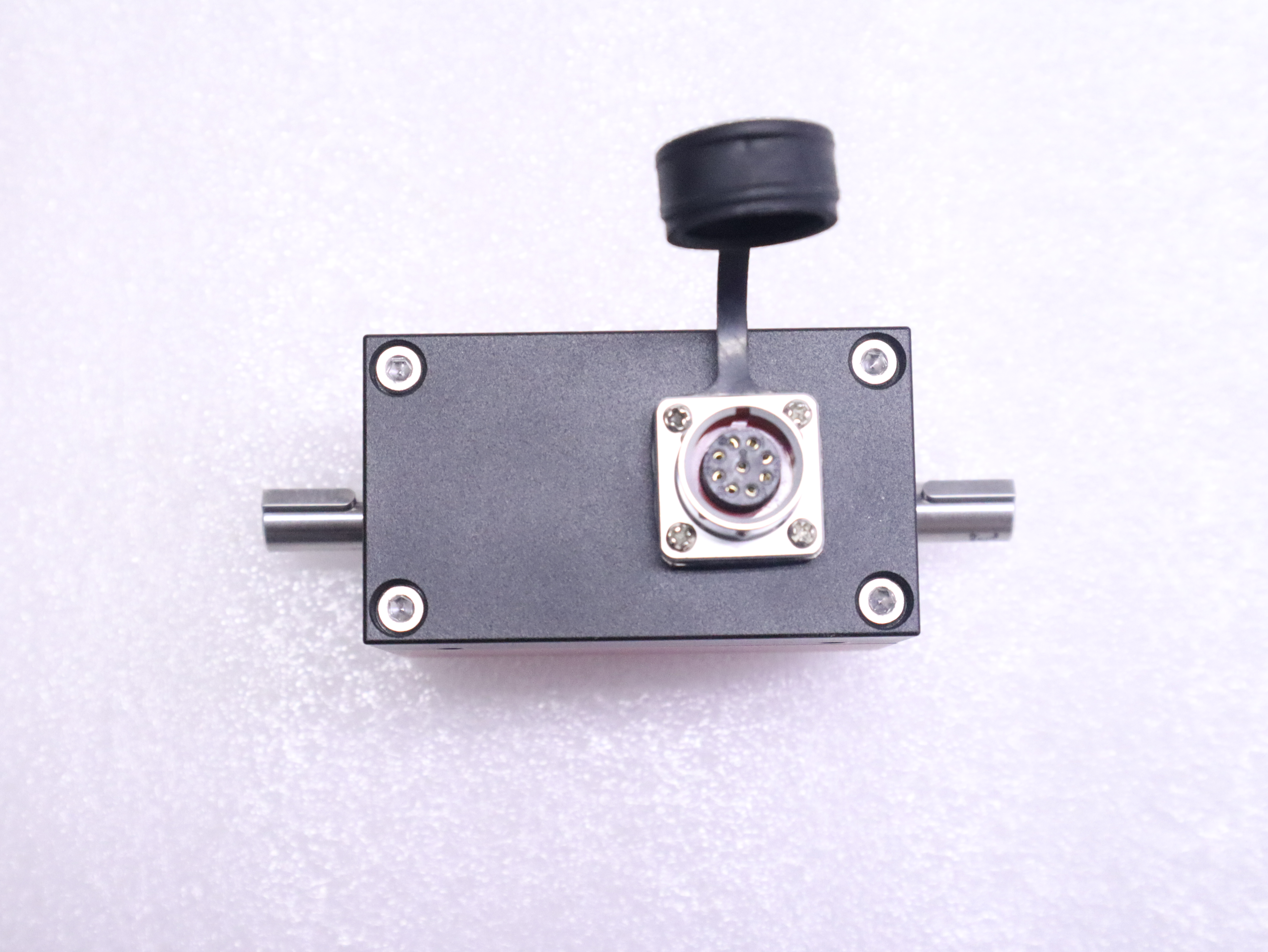
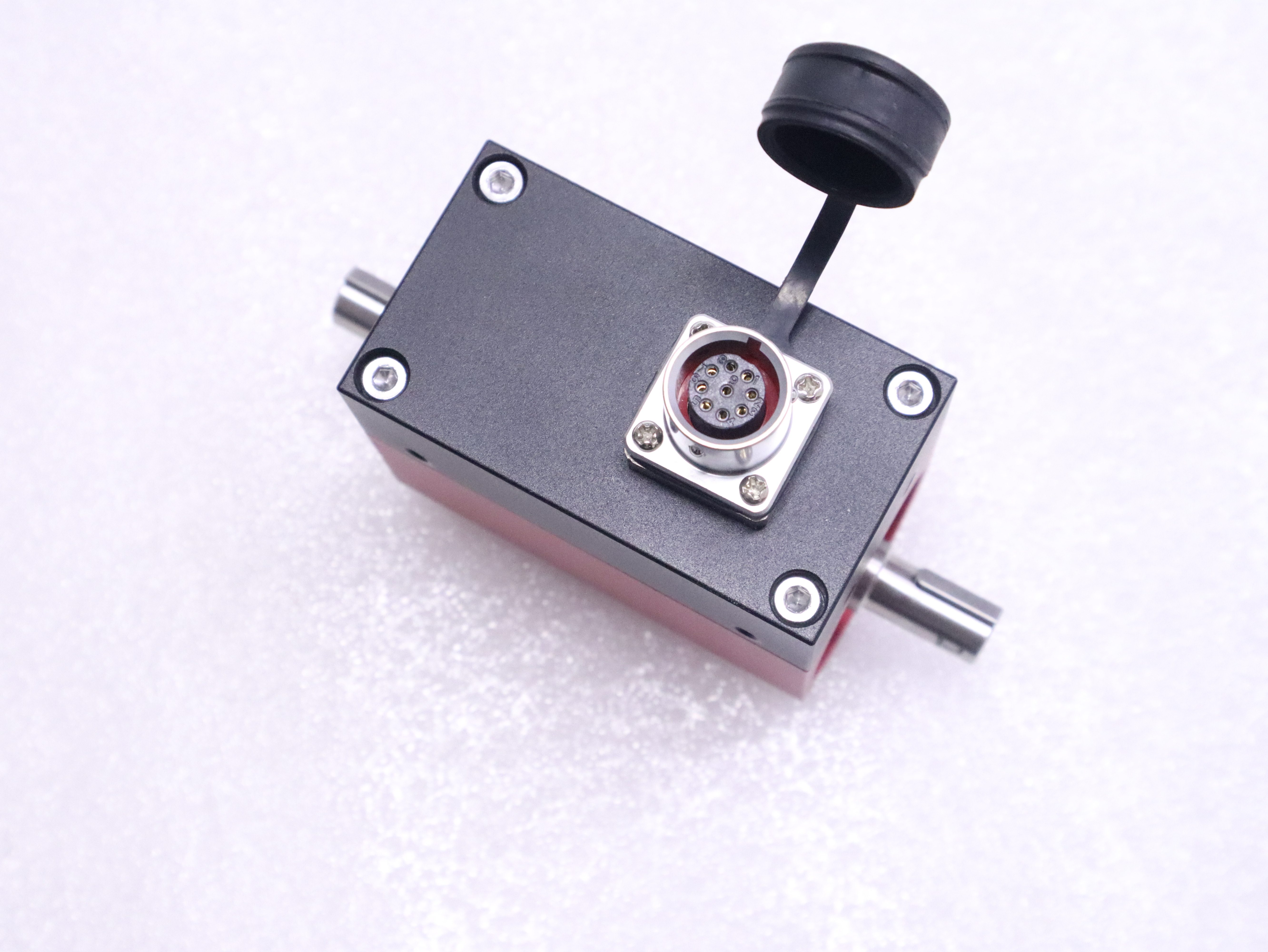
Output Signal: Understanding the output signal type (e.g., analog, digital, or wireless) is essential for integration with your control systems. Ensure compatibility with your existing data acquisition systems.
Calibration and Certification: Look for sensors that are factory calibrated and certified (e.g., CE or RoHS) to ensure compliance with industry standards and reliable performance.
Environmental Ratings: If your application is exposed to extreme conditions, check for IP ratings that indicate resistance to dust and water, as well as temperature ratings.
By focusing on these specifications, you can make an informed decision that aligns with your project requirements.
 EN
EN