Common Problems with Crane Weighing Scales and Their Solutions
Crane weighing scales, like any equipment, can encounter issues that affect performance. One common problem is inaccurate readings, which can stem from improper calibration. Regular calibration is crucial for maintaining accuracy, and users should follow the manufacturer's guidelines for frequency and procedures.
Another issue is mechanical failure, which can occur due to excessive load or environmental factors. To mitigate this risk, ensure that the scales are used within their specified limits and regularly inspected for wear and tear.
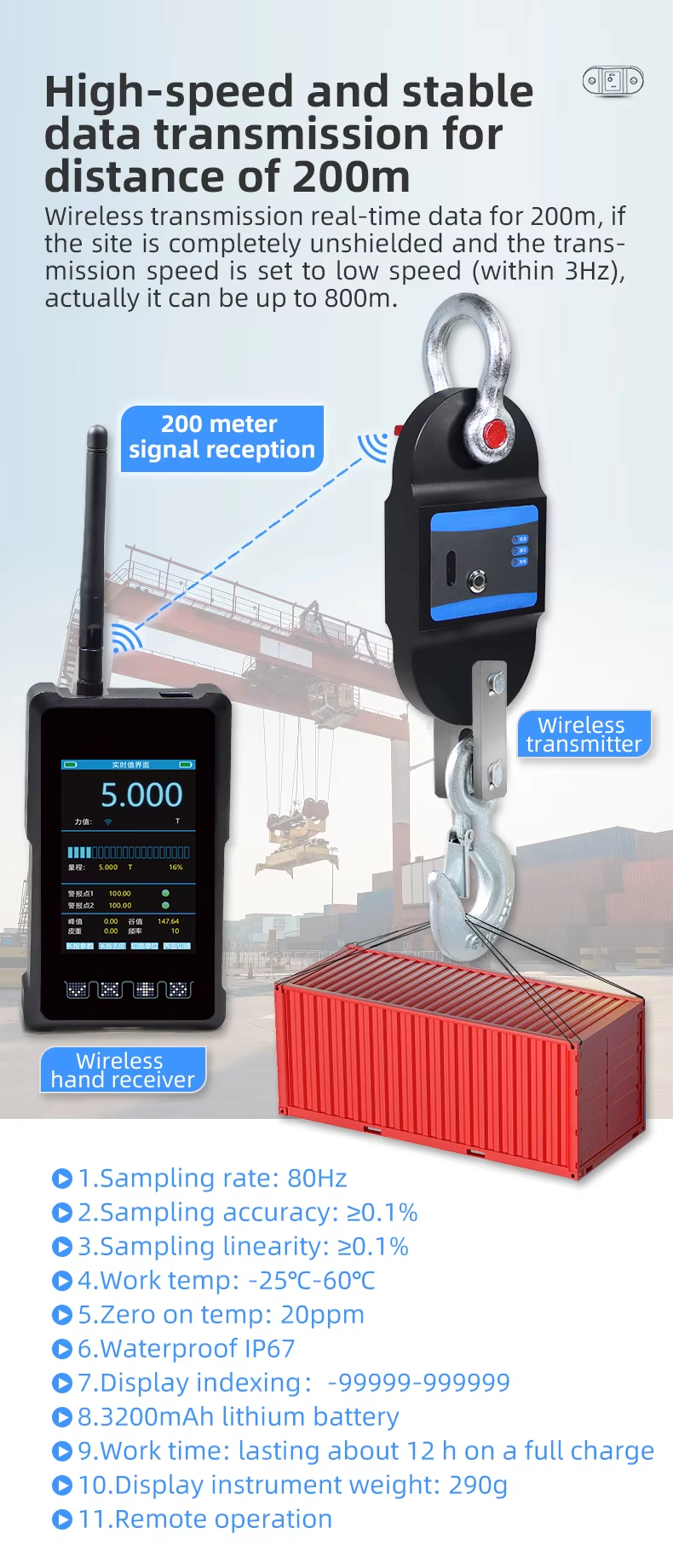
Connectivity issues can also arise with wireless crane weighing scales. If the scale fails to transmit data to a remote display or system, check the battery life and signal strength. Interference from other electronic devices may also affect performance, so consider the placement of both the scale and receiver.
Lastly, users may face difficulties with scale visibility in bright conditions. Choosing models with high-contrast displays or additional lighting options can enhance readability.
By understanding these common problems and their solutions, buyers can better prepare for maintenance and troubleshooting, ensuring that their crane weighing scales operate reliably over time.
 EN
EN