Choosing the Right Crane Weighing Scales for Projects

application/crane-weighing-scales, application/crane-weighing-scales, 
Inquiry
Inquiry

crane weighing scales

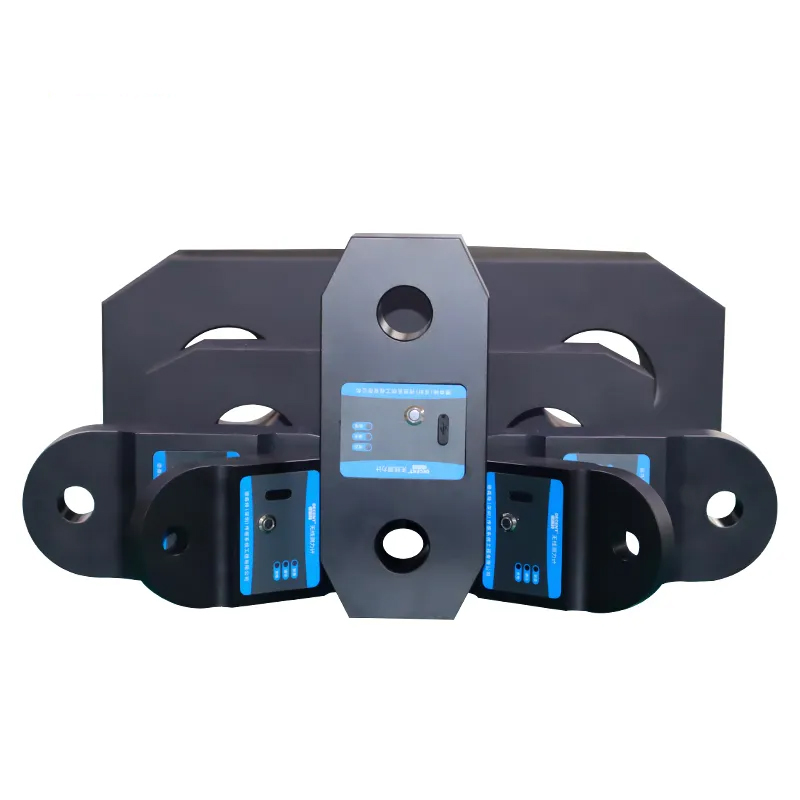
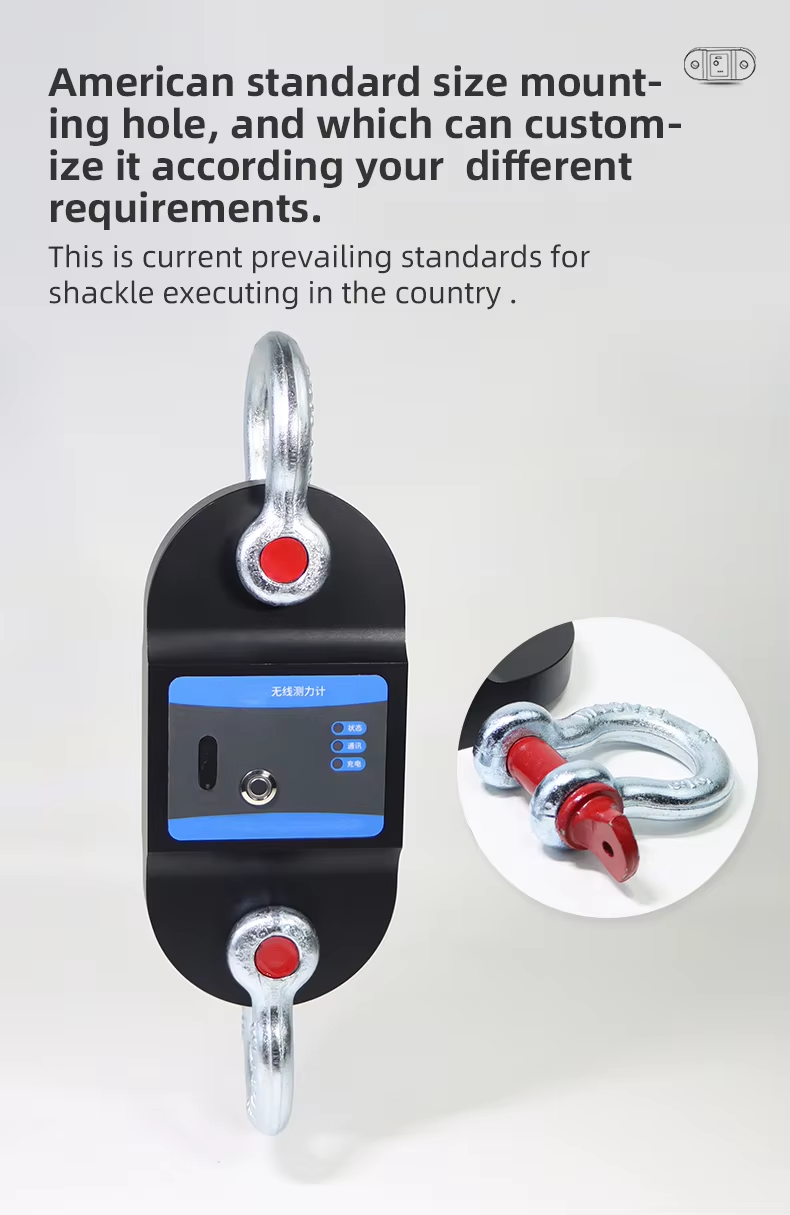
Crane  weighing scales  are essential  instruments  used  to measure the weight of heavy loads lifted by cranes.  These scales  play a crucial role in industries such  as construction, shipping, and manufacturing, where precise weight  measurements  are necessary for safety, compliance, and efficiency. B2B buyers often seek  high-quality crane weighing scales that meet specific project requirements, ensuring accuracy and reliability. This article will guide you through  selecting the right  crane  weighing  scales, evaluating suppliers,  understanding  cost factors, comparing  different  models, and troubleshooting common  issues.

Where to Find Reliable Wholesale Suppliers of Crane Weighing Scales

Where to Find Reliable Wholesale Suppliers of Crane Weighing Scales

Finding dependable suppliers for crane weighing scales involves thorough research. Start by exploring industry directories and trade associations related to  lifting and weighing equipment. Websites that specialize in industrial equipment often list manufacturers and suppliers, making it easier  to compare offerings.

Consider reaching  out to JIANGXI JINGCE SENSING TECHNOLOGY CO.,  LTD.,  a recognized manufacturer specializing  in high-precision load cells and wireless dynamometers. Companies like this often provide  OEM/ODM solutions, allowing you to customize products to fit your specific needs. You might be interested in their Customizable PMC Sensors Load Cell Transmitter for tailored applications.

Additionally, attending trade shows and exhibitions can provide valuable networking opportunities. These events allow buyers to see products in action and engage  directly with manufacturers to discuss specifications, pricing, and customization  options.

When evaluating suppliers,  always  check for certifications  such as CE and RoHS compliance, which indicate  adherence to  international  standards and regulations. Read customer  reviews  and request references  to  gauge the  supplier's reliability and product quality.

Cost Factors to Consider When Purchasing Crane Weighing Scales

Cost Factors to Consider When Purchasing Crane Weighing Scales

The cost of crane weighing scales can vary widely based on several factors. First, consider the scale's capacity and  features. Higher capacity  scales with advanced  features, such as wireless connectivity or built-in data logging, generally come at a premium.

Customization also  affects the price. If your application requires specific  dimensions,  materials, or additional features, be prepared for higher costs. Discuss your requirements with potential suppliers  to receive accurate quotes.

Another factor to consider is  the total  cost of ownership,  which includes not  only  the purchase  price but  also installation, maintenance, and potential repair costs. Investing in  higher-quality scales  may result  in lower long-term costs due to reduced maintenance and increased  durability.

Finally, consider bulk purchasing  discounts.  Many manufacturers offer lower prices for larger orders, which can significantly impact your overall budget, especially if you require multiple units.

How to Compare Different Crane Weighing Scales for Your Application

How to Compare Different Crane Weighing Scales for Your Application

When comparing crane  weighing scales, focus on several key specifications and features that align  with your application.  Begin by assessing the load capacity and  accuracy of  each model. Ensure  that the scales  can handle the maximum weight you expect to measure and provide the level of precision  necessary for  your operations.

Next, evaluate the design and construction materials. Scales made from high-strength steel or aluminum are often more durable and suitable for harsh environments. Additionally, consider the  size and weight of the scales, especially if they will be used  in confined spaces  or require frequent relocation.


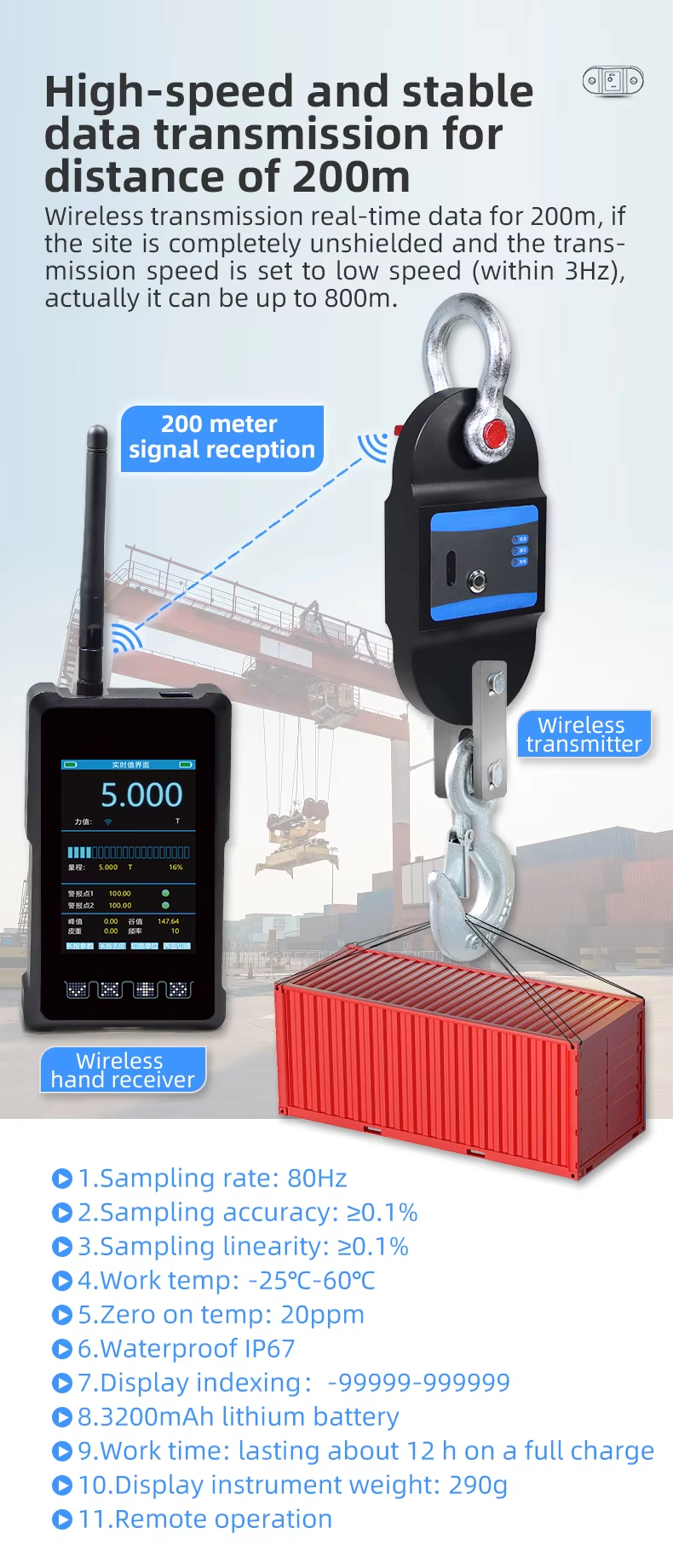
Look at the functionality and features offered by  each scale.  Digital scales may include features like backlit displays, tare functions, and data retention, which can enhance usability. Wireless options can provide the benefit of remote monitoring, allowing operators to read weights  from a safe distance.

Lastly, factor in the manufacturer's reputation and level of  customer support. A  reliable supplier should  offer  warranties, technical support, and training to ensure you can effectively use the equipment.

Common Problems with Crane Weighing Scales and Their Solutions

Crane weighing scales,  like  any equipment,  can encounter issues that affect performance. One common problem is inaccurate readings, which can stem  from improper calibration. Regular calibration is crucial for maintaining  accuracy, and users should follow  the manufacturer's guidelines for  frequency and procedures.

Another issue is mechanical failure, which  can occur due to excessive load or environmental  factors. To mitigate this risk, ensure  that the scales are used within  their specified limits and regularly inspected for wear  and  tear.

Connectivity issues can also arise with wireless crane weighing scales. If the scale fails to transmit data to a remote display or system, check the battery life and signal strength. Interference from other electronic devices may  also affect performance,  so  consider the placement of both the scale and receiver.

Lastly, users may  face difficulties with scale visibility in bright conditions. Choosing models with high-contrast displays or additional  lighting  options can enhance readability.

By understanding these common problems and their solutions, buyers can better  prepare for maintenance and troubleshooting, ensuring that their crane weighing scales operate reliably over time.

Choosing the Right Crane Weighing Scales for Your Project Needs

When selecting crane weighing  scales, several factors must be considered to ensure  they meet your project  requirements. First, consider the maximum  load capacity you need. Crane weighing scales vary significantly in capacity, typically ranging from a few hundred  kilograms  to several tons. Ensure the  scale you choose can  handle the heaviest loads you expect to weigh.

Next, evaluate the precision and accuracy of the scales. Look for models with a resolution that matches your operational needs; for example, a higher resolution is  beneficial for applications requiring precise weight  measurements, while lower precision  may suffice for  general  use.

Additionally, consider  the type of scale—digital or mechanical.  Digital crane weighing scales often provide  easier-to-read results, have built-in features such as data logging, and can be connected to other systems. On the  other hand, mechanical scales may be preferred in environments where electronic devices are prone to failure.

Finally, assess the environment in which the crane scales will be used.  Factors such as  temperature, humidity, and exposure to chemicals can affect  performance. Choose scales made from durable materials that can withstand your specific operating conditions. For instance, high-quality products like the High Performance 100Nm Static Torque Sensor Load Cell are designed to endure rigorous environments.

Frequently Asked Questions

What accuracy can your crane weighing scales achieve?

Our crane weighing scales use high-precision load cells delivering industry-grade accuracy, customizable per application. Typical accuracies meet CE-certified standards for reliable lifting and weighing tasks.
Yes. We offer wireless dynamometer options and wireless integrations for remote monitoring, supporting OEM/ODM integration with automation and control systems.
Our products carry CE and RoHS certifications. We ensure compliance for safety, electromagnetic compatibility, and environmental standards in lifting and weighing applications.
Absolutely. We provide OEM/ODM customization for load range, mechanical fittings, and output signals to match lifting capacities and industrial requirements, including new energy and automation sectors.
We provide technical support, installation guidance, and calibration services or documentation to ensure correct setup, accurate readings, and ongoing performance for your crane weighing system.

Get a Free Quote

Our representative will contact you soon.
0/1000