How to Choose the Right Load Cell Indicator for Your Business
When selecting a load cell indicator, several key factors should be considered. Start by evaluating the specific application requirements. Different applications, such as weighing, force measurement, or automation processes, may demand distinct features from the load cell indicator.
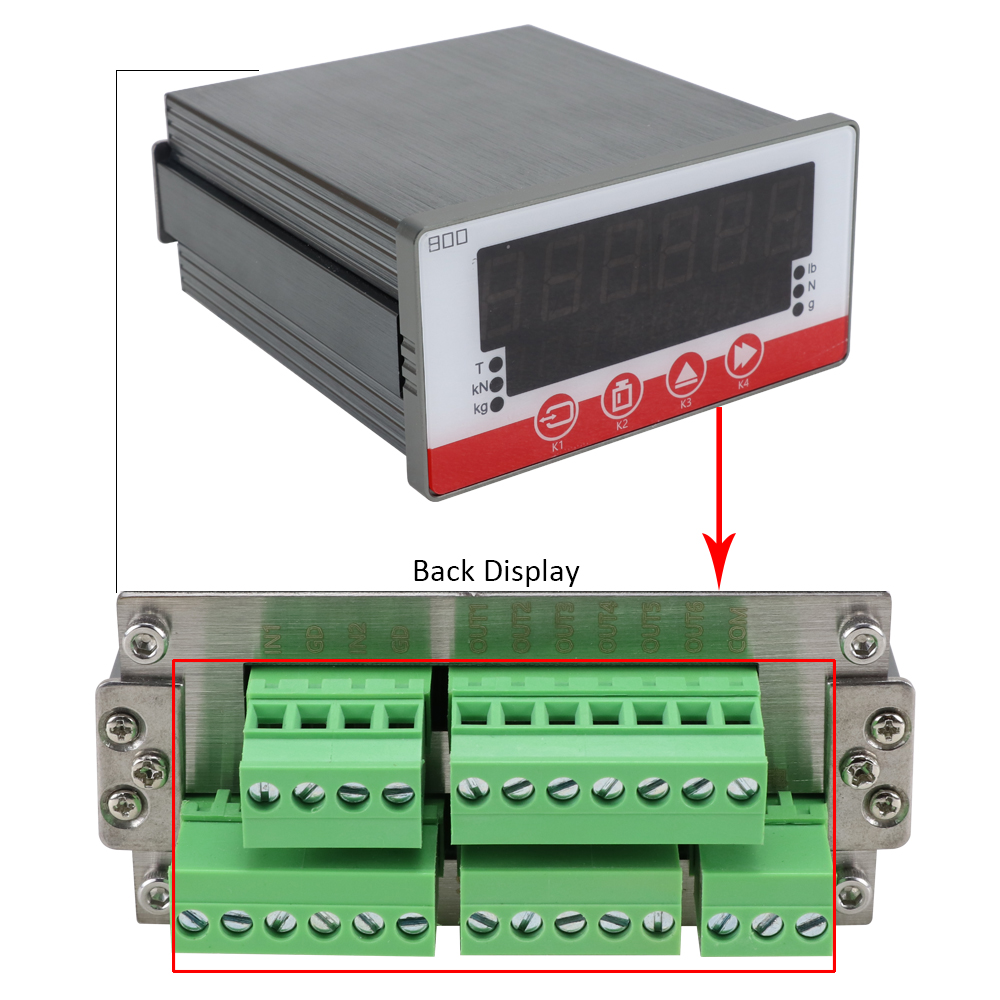
Compatibility: Ensure that the load cell indicator is compatible with your existing load cells. Check the input voltage range, signal type (analog or digital), and communication protocols. For instance, if your load cells output a 4-20 mA signal, the indicator must be able to interpret this signal appropriately. Additionally, consider options like the Mv Signal Amplifier for Load Cell Transmitter Signal Converter which can enhance the performance of your load cell system.
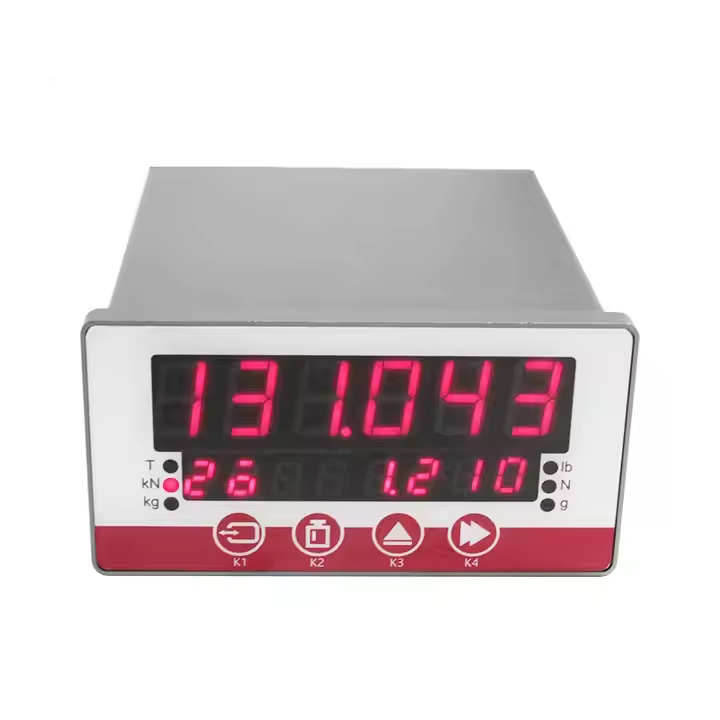
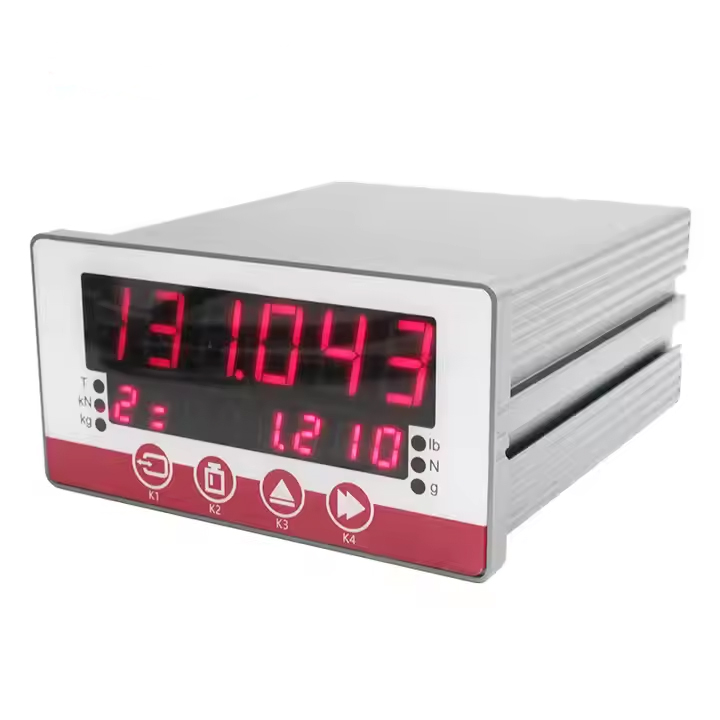
Display and User Interface: Consider the display type (LCD or LED), size, and readability, especially in varying light conditions. A user-friendly interface with intuitive controls can enhance operational efficiency.
Environmental Resistance: Depending on the operational environment, look for load cell indicators with appropriate IP ratings to ensure resistance to dust and moisture. For example, indicators used in outdoor settings or in wet environments should have higher IP ratings.
Calibration and Accuracy: The precision of the indicator is paramount. Opt for indicators that allow for easy calibration and have a proven accuracy rating relevant to your industry standards.
Customization Options: If your application requires specific features, such as custom scaling, filtering, or data logging capabilities, discuss these options with your supplier. You might find solutions like the Customizable PMC Sensors Load Cell Transmitter to be beneficial.
By focusing on these aspects, you can ensure that the load cell indicator you choose will meet both your immediate needs and long-term operational goals.
 EN
EN