Choosing the Right Load Cell Indicator for Your Needs

application/load-cell-indicator, application/load-cell-indicator, 
Inquiry
Inquiry

load cell indicator

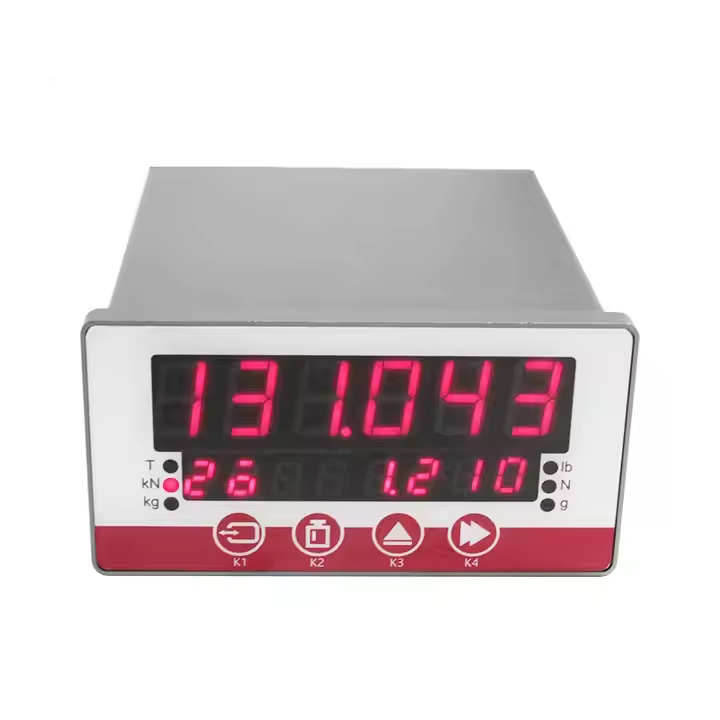
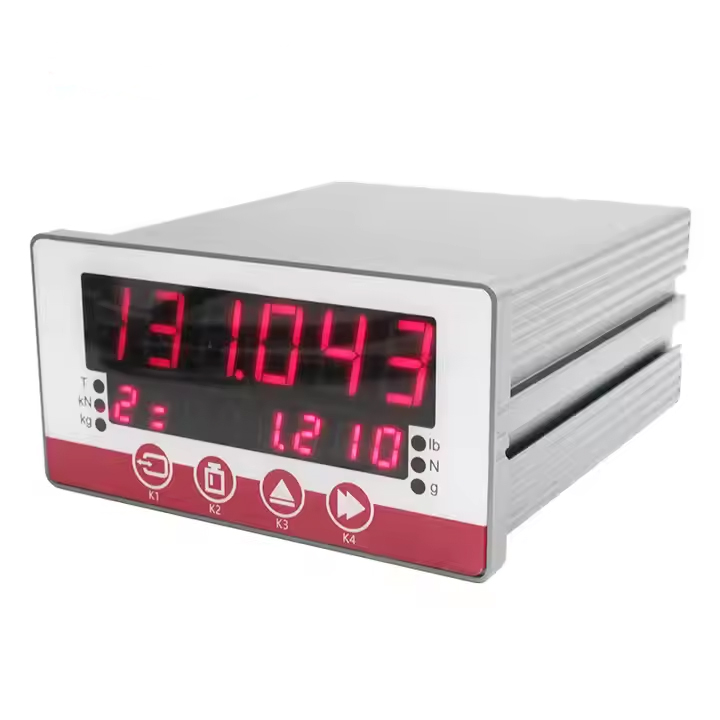
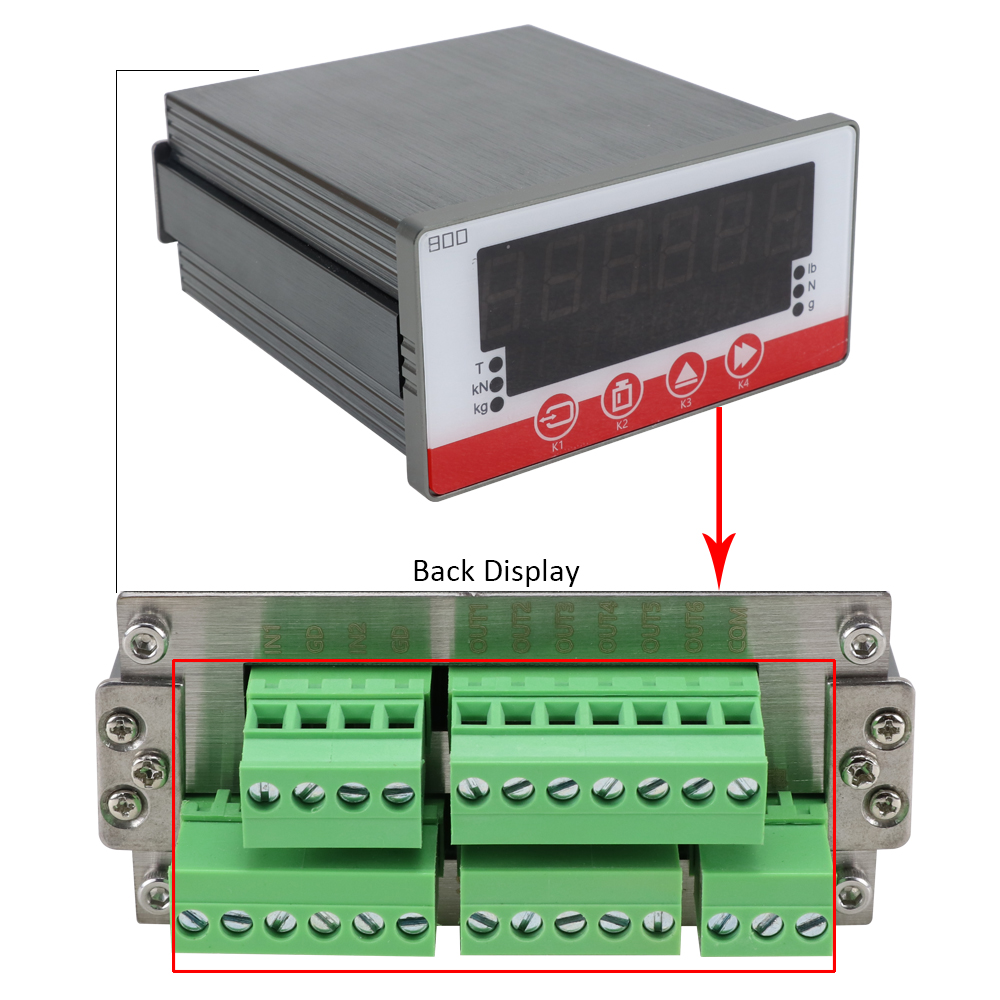
Load  cell indicators are essential devices used  in various industries for precise measurement and monitoring of weight or force. These indicators  are integral  to  systems that  rely on load cells, translating  the mechanical force exerted  on the  load  cells into a readable digital format. For B2B buyers, especially those in manufacturing, logistics, and engineering sectors, selecting the right load cell  indicator is crucial for  ensuring  accuracy, reliability, and compatibility  with  their applications. This article provides practical insights into choosing appropriate load cell indicators,  sourcing  quality options, understanding  cost  factors, and appreciating the importance of quality control in  manufacturing.

Where to Source Quality Load Cell Indicators for Import and Distribution

Where to Source Quality Load Cell Indicators for Import and Distribution

Sourcing high-quality load cell indicators involves  identifying reliable manufacturers  and  suppliers. Here are  some  strategies for effective sourcing:

Industry  Connections: Leverage industry networks and  trade shows to connect with manufacturers like JIANGXI JINGCE  SENSING TECHNOLOGY CO., LTD., known for  their high-precision load cells and indicators. Attending industry events can also provide  insights into the latest technology and innovations.

Online Marketplaces: Utilize  B2B platforms that specialize in industrial products. Look for suppliers with strong reputations, verified customer reviews, and comprehensive product catalogs.

Certifications  and Compliance: Ensure that  potential suppliers provide CE and RoHS certifications, which demonstrate compliance with international standards. This is crucial for maintaining quality and safety  in your operations.

Request Samples: Before committing to a large order,  request samples to evaluate  the quality, functionality, and compatibility of the load cell indicators with your systems. Testing a sample under your specific operating conditions can reveal any potential issues early  in the process.

Supplier Evaluation: Assess  suppliers based on their production capabilities, lead times, and customer service. A supplier with a strong quality control process and a history  of reliable delivery can be a valuable partner.

 
Understanding the Cost Factors of Load Cell Indicators for Contractors

Understanding the Cost Factors of Load Cell Indicators for Contractors

Pricing for load  cell  indicators can vary significantly based on several factors. Understanding these can help contractors budget effectively:

Specifications and Features: Indicators with advanced features, such as enhanced display options, multiple input capabilities, or specialized software, tend  to be priced higher. Consider what features  are  essential for your application versus those that are simply  nice  to have.

Customization: If you require customized indicators tailored to specific applications, this can increase costs due to additional engineering and  production time. Always request a detailed quotation that outlines all  potential costs.

Volume Discounts:  Purchasing in  bulk may yield lower per-unit costs. Negotiate with suppliers to find out if there are discounts available for larger orders.

Shipping and  Import Fees:  If sourcing from international suppliers, factor in shipping costs, import duties, and taxes. These can significantly affect the total cost of acquiring load cell indicators.

Quality Assurance: Investing in  quality indicators may have a  higher upfront cost but can lead to long-term savings  by reducing maintenance expenses and downtime.

By  considering these factors, contractors can  make informed  decisions that align with their financial and operational goals.

 
Features and Benefits for Buyers

Features and Benefits for Buyers

When  evaluating load  cell indicators,  buyers should focus  on features that enhance functionality and overall value:

Multifunctional  Display: A digital display that can  show multiple metrics (like weight,  force,  and units of measurement) can improve usability. Look for indicators that allow easy switching between units.

Data Logging Capabilities: Some load cell indicators come with built-in data logging, allowing users to record and analyze measurements  over  time. This feature is particularly beneficial for applications requiring regular monitoring or reporting.

Wireless Options: Wireless load cell indicators eliminate the need  for  cumbersome cables, providing flexibility in positioning and ease of installation.

User  Calibration: Indicators that allow for user calibration  can save time and ensure that measurements remain accurate  without  the need to send devices  back  to the manufacturer.

Durability: Indicators designed to withstand harsh conditions,  such as extreme temperatures or exposure to chemicals, can reduce replacement costs and downtime.

By focusing on these  features, buyers can select indicators that not only meet their current needs but also provide adaptability for future applications.

The Importance of Quality Control in Load Cell Indicator Manufacturing

Quality control is a  critical  component of manufacturing load cell indicators, ensuring that they meet performance and safety  standards.  Here are some essential aspects of  quality control in this context:

Material Selection: The quality of materials used in manufacturing directly impacts the performance and durability of load cell indicators. Manufacturers should conduct thorough material testing to ensure reliability under  various conditions.

Production Process Monitoring: Implementing strict quality checks at each  stage of production can  help identify  and rectify issues early.  This includes monitoring assembly processes and conducting functional tests on completed units.

Calibration Standards: Regular calibration of manufacturing equipment is essential  to maintain accuracy. Quality control protocols should include routine checks to ensure that indicators are consistently within their specified tolerance levels.

Final Inspection: Before shipment, a  final inspection should be performed to verify that each  load cell indicator meets all  specifications and quality standards. This  step  is vital for preventing faulty units from reaching customers.

Customer Feedback: Establishing a feedback loop with customers can provide valuable insights  into the performance of load cell indicators in real-world applications, allowing  manufacturers to make continuous improvements.

By  emphasizing quality control  throughout the manufacturing process, companies like JIANGXI JINGCE SENSING TECHNOLOGY CO., LTD. can ensure that their load cell indicators deliver reliable performance and meet the high standards expected by buyers in various industries, including those utilizing the Chinese Factory Weighing Compression Tension Junction Box for their applications.

How to Choose the Right Load Cell Indicator for Your Business

When selecting a load cell indicator, several key factors should be considered. Start by evaluating the specific application requirements. Different applications, such as weighing, force measurement, or automation processes, may  demand  distinct  features  from the load cell indicator.

Compatibility: Ensure that the load cell indicator is compatible with your existing load cells. Check the input voltage range, signal type (analog or digital), and communication protocols. For instance, if your load cells output a 4-20  mA signal, the indicator must be able to interpret this signal  appropriately. Additionally, consider options like the Mv Signal Amplifier for Load Cell Transmitter Signal Converter which can enhance the performance of your load cell system.

Display and User Interface: Consider the display  type (LCD or LED), size, and readability, especially in varying light conditions. A user-friendly  interface with intuitive controls can enhance operational efficiency.

Environmental Resistance: Depending  on the operational environment, look for load cell indicators with  appropriate IP  ratings to ensure resistance to dust and  moisture. For example, indicators used in outdoor settings  or in wet environments  should have higher IP ratings.

Calibration  and Accuracy: The precision of the indicator is paramount. Opt for indicators that allow  for easy calibration and  have a proven accuracy  rating relevant to your industry standards.

Customization Options: If your application requires specific features, such as custom scaling, filtering, or data logging capabilities, discuss these options with your supplier. You might find solutions like the Customizable PMC Sensors Load Cell Transmitter to be beneficial.

By  focusing on these aspects, you can ensure that the load  cell indicator you choose will meet both your immediate needs and long-term operational goals.

Frequently Asked Questions

What is a load cell indicator used for?

A load cell indicator displays and processes signals from load cells, providing accurate weight or force readings, peak hold, tare, and digital output for weighing and testing applications.
It is suited for lifting, weighing, automation, new energy, manufacturing, and testing environments requiring precise force or weight measurement.
Our indicators comply with CE and RoHS standards, ensuring safety, electromagnetic compatibility, and restriction of hazardous substances.
Yes. We offer OEM/ODM customization for hardware, firmware, display options, and communication interfaces to meet specific application needs.
Typical options include analog, RS232/RS485, USB, and digital I/O; specific configurations can be customized per project requirements.

Get a Free Quote

Our representative will contact you soon.
0/1000