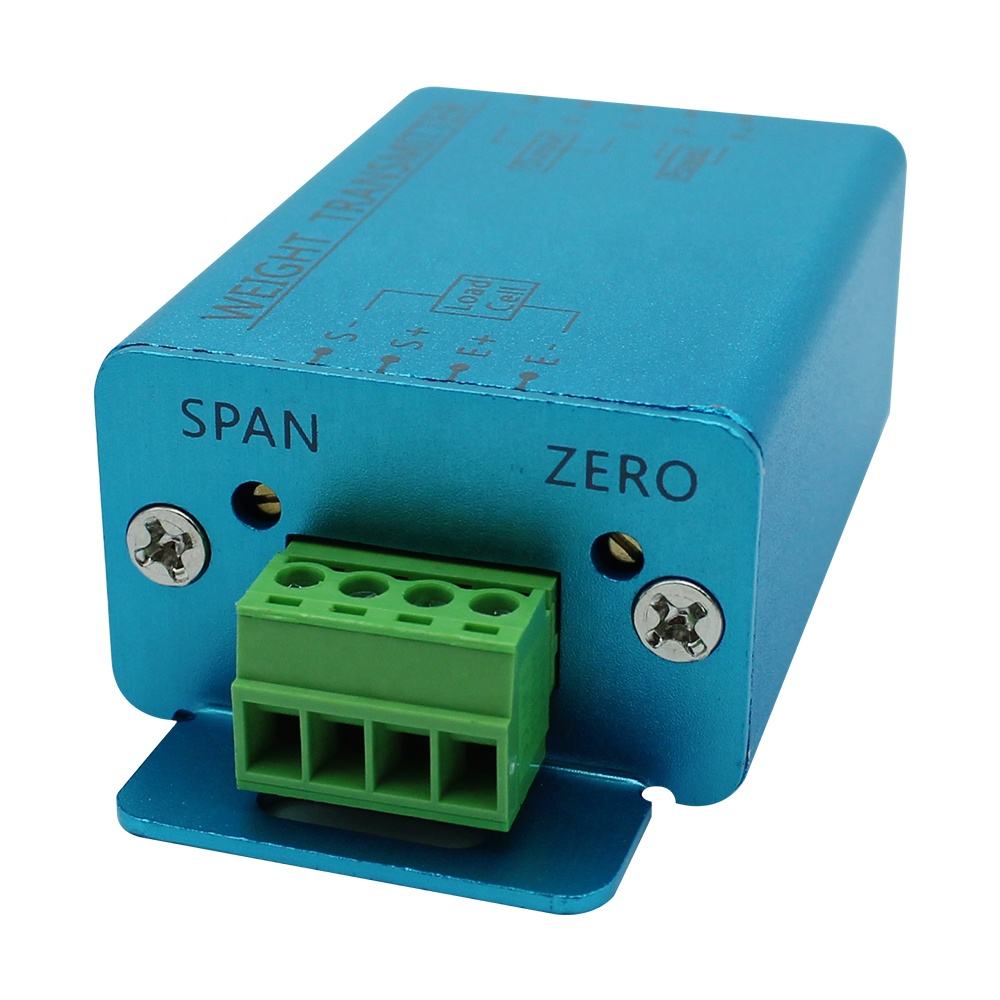
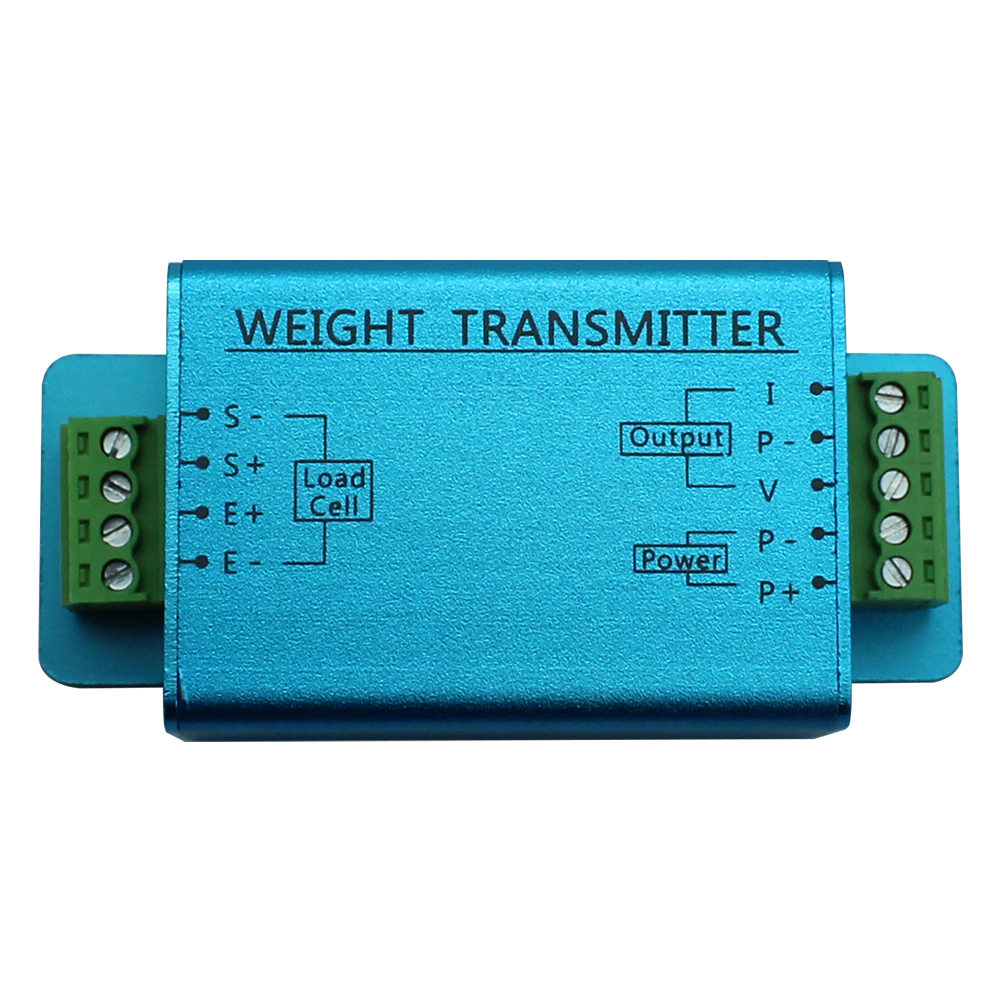
Load Cell Amplifiers: Key Specs and Cost Factors

application/load-cell-amp, application/load-cell-amp, 
Inquiry
Inquiry

Load cell amp

Load cell amplifiers are essential components in the realm of precision measurement, particularly when it comes to load cells. These PST devices ensure that the output signal from a load cell is amplified to a usable level for further processing, enabling accurate readings in applications such as weighing, automation, and industrial monitoring. For B2B buyers, understanding the key specifications, cost factors, and common challenges associated with load cell amplifiers is crucial for making informed purchasing decisions. This article will provide insights into what to consider when sourcing single point load cell, ensuring you can effectively meet your operational requirements.

Cost Factors to Consider When Sourcing Load Cells

Cost Factors to Consider When Sourcing Load Cells

The cost of load cell amplifiers can vary significantly based on several factors. Here are some key considerations:

Volume Pricing: Many manufacturers, including JIANGXI JINGCE SENSING TECHNOLOGY CO., LTD., offer pricing structures that decrease with higher order quantities. Understanding minimum order quantities (MOQ) can help you negotiate better pricing. 

Customization: Custom features or modifications can increase costs. If your application requires specific configurations, such as unique gain settings or environmental protections, be prepared for potential increases in the base price. 

Certification Requirements: Load cell amplifiers may need to meet certain regulatory standards depending on the industry. CE and RoHS certifications, for instance, assure compliance with European safety and environmental directives, which can influence both cost and supplier selection. 

Lead Time: Shorter lead times may come at a premium. If your project has tight deadlines, it may be worth discussing expedited manufacturing processes with your supplier. 

Long-Term Support: Consider the long-term costs associated with the amplifier, including support, maintenance, and potential upgrades. A slightly higher initial investment in a quality amplifier from a reputable manufacturer may result in lower total costs over time due to reduced failure rates and better support. 

Being aware of these cost factors can guide you toward a more strategic purchasing decision and help you manage your budget effectively.

A Guide for Importers and Distributors

A Guide for Importers and Distributors

For importers and distributors, navigating the procurement of PST load cell amplifiers involves several critical steps: 

Supplier Evaluation: Research and evaluate potential suppliers based on their certifications, manufacturing capabilities, and product quality. Look for suppliers with a proven track record in producing load cell amplifiers, as this can impact reliability and performance. 

Sample Testing: Before placing a large order, request samples of the load cell amplifiers to test their performance under actual operating conditions. This helps verify that the product meets your specifications and quality standards. 

Documentation and Compliance: Ensure that all necessary documentation, such as compliance certificates and technical data sheets, accompanies the products. This is crucial for regulatory compliance and quality assurance. 

Shipping and Logistics: Understand the logistics involved in importing load cell amplifiers, including shipping costs,  customs duties, and potential delays. Collaborating with an experienced logistics partner can help streamline this process. 

Customer Support: Choose suppliers that offer strong technical support and customer service. This is particularly important for handling any issues that may arise post-purchase, such as installation advice or troubleshooting. 

Following these guidelines can help importers and distributors effectively source load cell amplifiers while minimizing risks and ensuring product quality.

Best Practices Explained

Best Practices Explained

To optimize the performance and longevity of load cell amplifiers, consider these best practices: 

Proper Installation: Ensure that load cell amplifiers are installed according to the manufacturer’s specifications. Miswiring or incorrect installation can lead to signal loss or damage. 

Regular Calibration: Schedule regular calibration of load cell systems to maintain accuracy. Calibration should be performed by qualified personnel to ensure compliance with industry standards. 

Environmental Considerations: Protect load cell amplifiers from environmental stressors such as moisture, dust, and extreme temperatures. Utilizing appropriate enclosures can enhance durability and reliability. 

Monitoring Performance: Implement a monitoring system to track the performance of load cell amplifiers over time. Early detection of anomalies can prevent larger issues and extend the lifespan of the equipment. 

Training and Support: Provide training for staff on the proper use and maintenance of load cell amplifiers. Familiarity with the equipment ensures optimal performance and reduces the likelihood of operational errors. 

By adhering to these best practices, companies can maximize the efficacy of their industrial load cells while minimizing operational disruptions.

Common Load Cell Problems and Effective Solutions to Address Them

Load cell amplifiers may encounter several common issues that can disrupt performance. Here are some of the most frequent problems and their solutions: 

Signal Drift: Often caused by temperature fluctuations or electrical interference, signal drift can lead to inaccurate readings. To mitigate this, ensure that the load cell and amplifier are installed away from heat sources and shielded from electromagnetic interference. 

Electrical Noise: Electrical noise can affect the accuracy of load cell signals. Employing proper grounding techniques and using shielded cables can help reduce noise and improve signal integrity. 

Calibration Errors: Regular calibration is essential, as failure to calibrate can lead to significant measurement errors. Establish a routine calibration schedule and utilize certified calibration equipment for accuracy. 

Mechanical Stress: Mechanical stress on the load cell can result in erroneous readings. Ensure that the load cell is correctly installed and not subjected to forces outside its specified load range. 

Environmental Factors: Exposure to moisture or extreme conditions can damage load cell amplifiers. Select amplifiers with appropriate environmental ratings and consider protective enclosures for harsh environments. 

By understanding these common issues and implementing effective solutions, users can enhance the reliability and longevity of their load cell amplifiers, ensuring consistent performance in their applications. 

Key Specifications to Consider

When evaluating PST load cell amplifiers, several key specifications should be considered to ensure compatibility and performance. 

Input Range: This indicates the range of load cell signals the amplifier can process. Ensure that the amplifier's input range corresponds with the load cell's output specifications. If the amplifier cannot handle the signal range, it may lead to inaccurate measurements or signal distortion. 

Output Type: Load cell amplifiers may provide analog or digital outputs. Analog outputs (like 4-20 mA or 0-10 V) are common in traditional systems, while digital outputs can integrate with modern control systems. Selecting the correct output type is critical for seamless integration with existing equipment. 

Gain Settings: Adjustable gain settings allow the amplifier to be finely tuned for specific load cell outputs. This flexibility is advantageous in applications where load cell outputs may vary significantly. 

Power Supply Requirements: Verify the power supply requirements of the load cell amplifier, as compatibility with your existing power infrastructure is essential. Some amplifiers may require specific voltage levels or AC/DC power. 

Environmental Ratings: If the amplifier will be used in harsh environments, consider its environmental ratings, such as IP (Ingress Protection) ratings, which indicate resistance to dust and moisture. 

Understanding these specifications will help you select a bending beam load cell operational needs while ensuring reliable performance.

Frequently Asked Questions

What is a load cell amp and its function?

A load cell amp amplifies and conditions the small voltage signal from a load cell for accurate measurement, enabling integration with controllers, displays, or data acquisition systems in weighing and force applications.
Our amps support standard analog outputs (mV/V, 0-10V, 4-20mA) and digital interfaces on request for OEM/ODM integrations in industrial systems.
Yes. Our load cell amps comply with CE and RoHS standards, ensuring safety, electromagnetic compatibility, and restricted hazardous substances compliance for global use.
Yes. We offer OEM/ODM customization for ranges, outputs, mounting, and connectors to suit lifting, weighing, automation, and new energy applications.
We supply datasheets, wiring diagrams, calibration procedures, and technical support from our engineering team to ensure correct installation and optimal performance.

Get a Free Quote

Our representative will contact you soon.
0/1000