Key Specifications for Load Cell Displays

application/load-cell-display, application/load-cell-display, 
Inquiry
Inquiry

load cell display

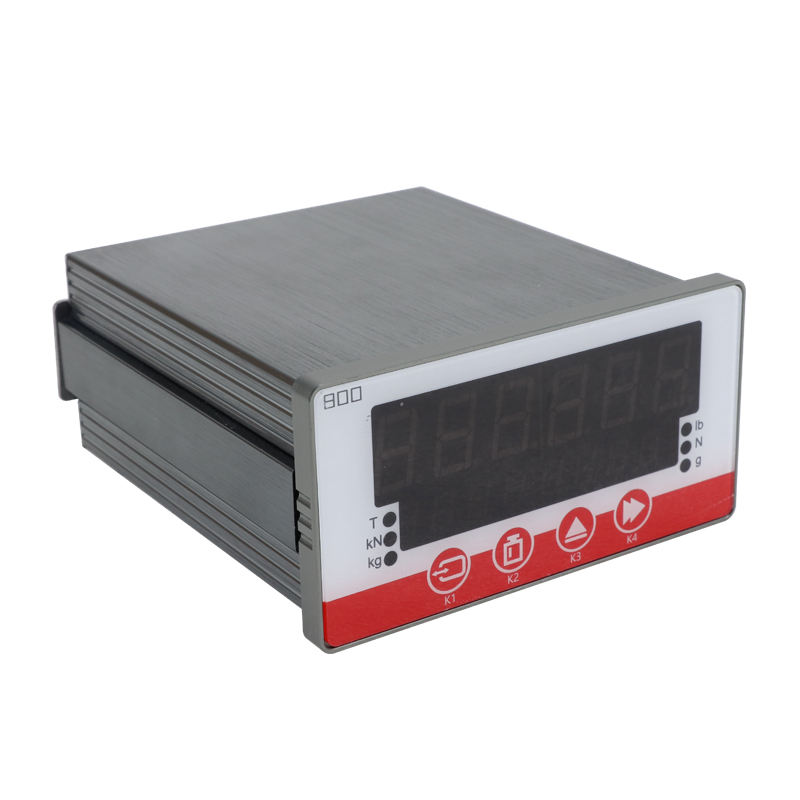
Load cell displays are essential instruments  used in various  industries to accurately measure and  display  weight, force, or load. These devices are integral to ensuring that operations in sectors like manufacturing, logistics,  and automation run smoothly and efficiently. For  B2B buyers, understanding the specifications, sourcing options, common challenges, and  cost factors associated  with load cell displays  is  crucial for making  informed purchasing  decisions. This article  will delve into these aspects,  equipping you with the necessary  insights to  effectively  evaluate load  cell  displays  for your business needs.

Where to Find Reliable Suppliers for Load Cell Displays Worldwide

Where to Find Reliable Suppliers for Load Cell Displays Worldwide

Finding reliable suppliers for  load cell displays involves several strategies:

Industry Directories: Utilize online B2B directories such  as ThomasNet, Alibaba, and Global Sources, which list manufacturers and suppliers specializing  in load cell technology.

Trade Shows and Expos: Attending industry-specific trade shows is an excellent way to  meet potential suppliers face-to-face. Events focused on manufacturing, automation, and electronics often feature companies showcasing their latest technologies.

Professional Networks: Leverage platforms like LinkedIn to connect with  industry professionals and ask for recommendations. Engaging with forums and discussion groups dedicated to industrial technology can also yield valuable leads.

Quality  Certifications: Look for suppliers with relevant certifications, such as ISO 9001 or CE/RoHS compliance. These certifications indicate adherence to quality standards and regulatory requirements.

Supplier Reviews and Testimonials: Research  reviews and testimonials from other businesses that  have purchased load  cell displays. This can provide insight into  the supplier's reliability, customer service, and product quality.

Request for Quotations (RFQ): Once you identify potential  suppliers, sending RFQs can help you compare pricing and service offerings, allowing  you to make a  more informed  decision.

By  utilizing these strategies,  you can identify  suppliers who not only meet your product requirements but also align with your  quality standards and business  practices.

Common Problems with Load Cell Displays and Effective Solutions

Common Problems with Load Cell Displays and Effective Solutions

Load cell displays  can encounter several common issues, and understanding these can help you mitigate potential problems:

Calibration Issues: Incorrect calibration can lead to  inaccurate readings. Regularly scheduled calibration checks are essential to maintain  accuracy. Ensure that the supplier provides guidelines  for  calibration procedures.

Environmental  Interference: Factors such as temperature fluctuations,  humidity, and electromagnetic interference can affect performance. Using displays with  appropriate environmental ratings can help  minimize these risks.

Mechanical Stress: Overloading a load cell beyond its rated capacity can  cause damage.  Implementing load limits and using overload protection devices can prevent this  issue.

Connectivity Problems: Issues with data transmission can arise, particularly in wireless systems. Ensure that the load cell display is compatible with your existing systems and  conduct tests before full deployment.

Display Malfunctions: Inconsistent display  readings or  complete  failure can occur. Regular maintenance  checks and using displays from reputable manufacturers can help reduce this risk.

By understanding these common problems, buyers can take proactive measures to ensure that their load cell displays operate effectively over time.

Features That Matter for Contractors

Features That Matter for Contractors

For contractors,  specific features of load cell  displays can  significantly impact project efficiency and accuracy:

Portability: Many contractors require portable load cell  displays that can  be  easily transported between job sites.  Consider options that are lightweight and battery-operated for convenience.

User-Friendly Interfaces: A display  with an intuitive  interface simplifies operation for team  members, reducing training time and the  likelihood of  user  error.

Data Logging: Features  that allow for data logging can be beneficial for contractors who  need to track  measurements over time for reporting  or compliance purposes.

Durability: Load cell displays used in construction or outdoor settings should be rugged and able to withstand harsh conditions, including shocks and vibrations.

Multi-Channel Capability: For projects requiring multiple load measurements, a display that can handle  multiple channels simultaneously can enhance productivity.

By focusing on  these contractor-specific features, buyers can select load cell displays that not only fulfill their measurement needs but also support their operational workflows.

Cost Factors to Consider When Purchasing Load Cell Displays in Bulk

When purchasing load cell displays in bulk, several cost factors can affect your overall investment:

Volume Discounts: Many suppliers offer discounts on  bulk orders. Inquire about pricing  tiers and consider negotiating to achieve the best deal.

Customization Costs: If your application requires customized features, be  aware that this can increase the overall  cost. Ensure that  any customization aligns with your budget and  requirements.

Shipping  and Handling: The cost of shipping can vary significantly based on the supplier’s location and the quantity ordered. Factor in potential shipping costs when comparing suppliers.

Warranty and Support: Consider the warranty period and the level of customer support offered. A longer warranty or better support can  represent better value in the  long term.

Maintenance  and Calibration: Factor in ongoing costs for maintenance and calibration. Some suppliers may offer  maintenance packages  that could be beneficial.

Lead Time: Understand the lead time associated with your order, as urgent  needs may require expedited shipping that incurs additional costs.

By keeping these cost factors  in  mind,  B2B buyers can make informed decisions that align  with both their budget and operational needs.

Key Specifications to Consider for Load Cell Displays in Bulk Orders

When ordering  load cell displays in  bulk, there are several  key specifications to consider:

Load Capacity: This  refers to the maximum weight the load cell can measure. It is crucial to choose a display that meets or exceeds  the  expected load requirements to prevent damage and ensure  accurate  readings. Consider a large capacity load cell for heavy applications.

Accuracy and Precision: Look for specifications such as accuracy  percentage and resolution. A display with high accuracy ensures reliable measurements, which is essential in applications where precision is critical.

Display Type: Load cell displays come with various display options, including LED and  LCD screens. The  choice can affect visibility in different lighting conditions and environments.

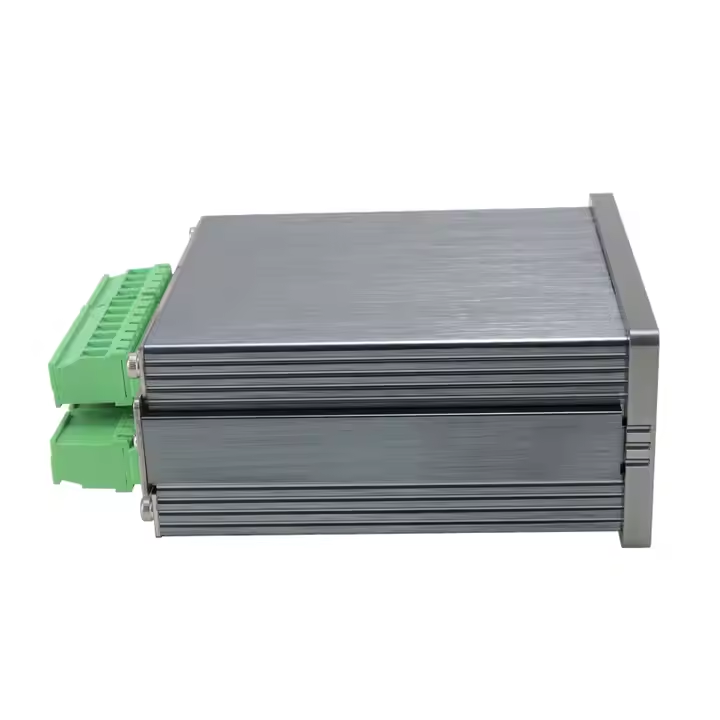
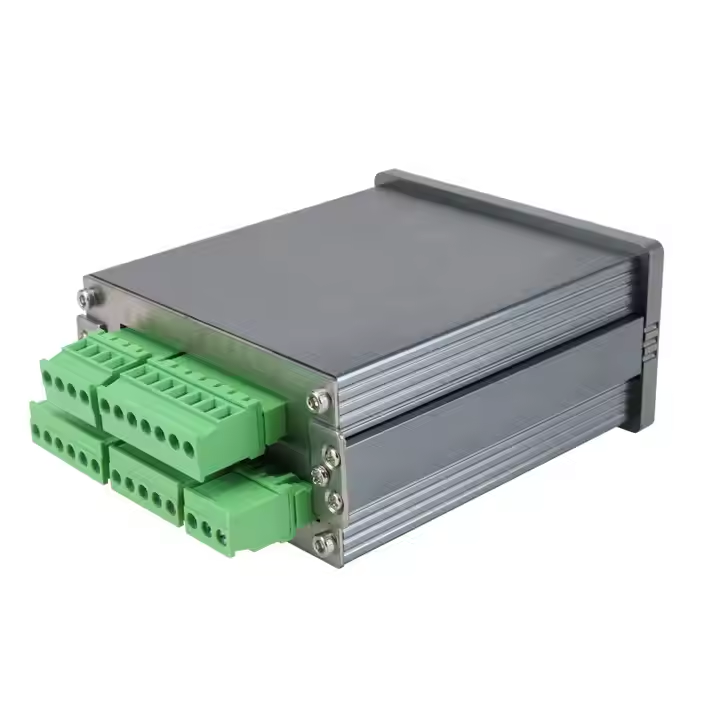
Connectivity Options: Many modern load cell displays offer  connectivity features such as  USB, RS-232, or wireless options. These features facilitate data transfer  and integration with other systems.

Power Supply: Determine whether the display operates on AC or DC power and if it requires batteries. This is important for installation and maintenance considerations.

Environmental Ratings: Consider the operating environment. Displays should have appropriate IP ratings  for moisture  and  dust  resistance, especially in industrial settings.

Customization Capabilities: If your application has specific needs, check whether  the supplier can offer customized solutions, including tailored software interfaces or housing designs. For instance, a customizable load cell transmitter may meet your unique requirements.

By carefully evaluating these specifications, you  can ensure the load cell displays you choose will meet your operational requirements.

Frequently Asked Questions

What is a load cell display used for?

A load cell display shows real-time weight or force readings from load cells or force sensors. It is used for monitoring, control, and data logging in weighing, lifting, and automation applications.
Our displays support high-precision load cells, force sensors, and wireless dynamometers with standard analog (mV/V) and digital signal options; OEM/ODM customization is available for specific interfaces.
Products are developed under CE and RoHS compliance, ensuring safety and environmental standards suitable for industrial weighing, lifting, and new energy applications.
Yes. The display offers standard communication protocols and customizable I/O for integration into PLCs, SCADA, and other automation systems to meet OEM/ODM requirements.
We provide factory calibration, technical documentation, and global after-sales support for setup, calibration, and maintenance to ensure accurate, long-term performance.

Get a Free Quote

Our representative will contact you soon.
0/1000