Choosing the Right Double Ended Shear Beam Load Cell

application/double-ended-shear-beam-load-cell, application/double-ended-shear-beam-load-cell, 
Inquiry
Inquiry

double ended shear beam load cell

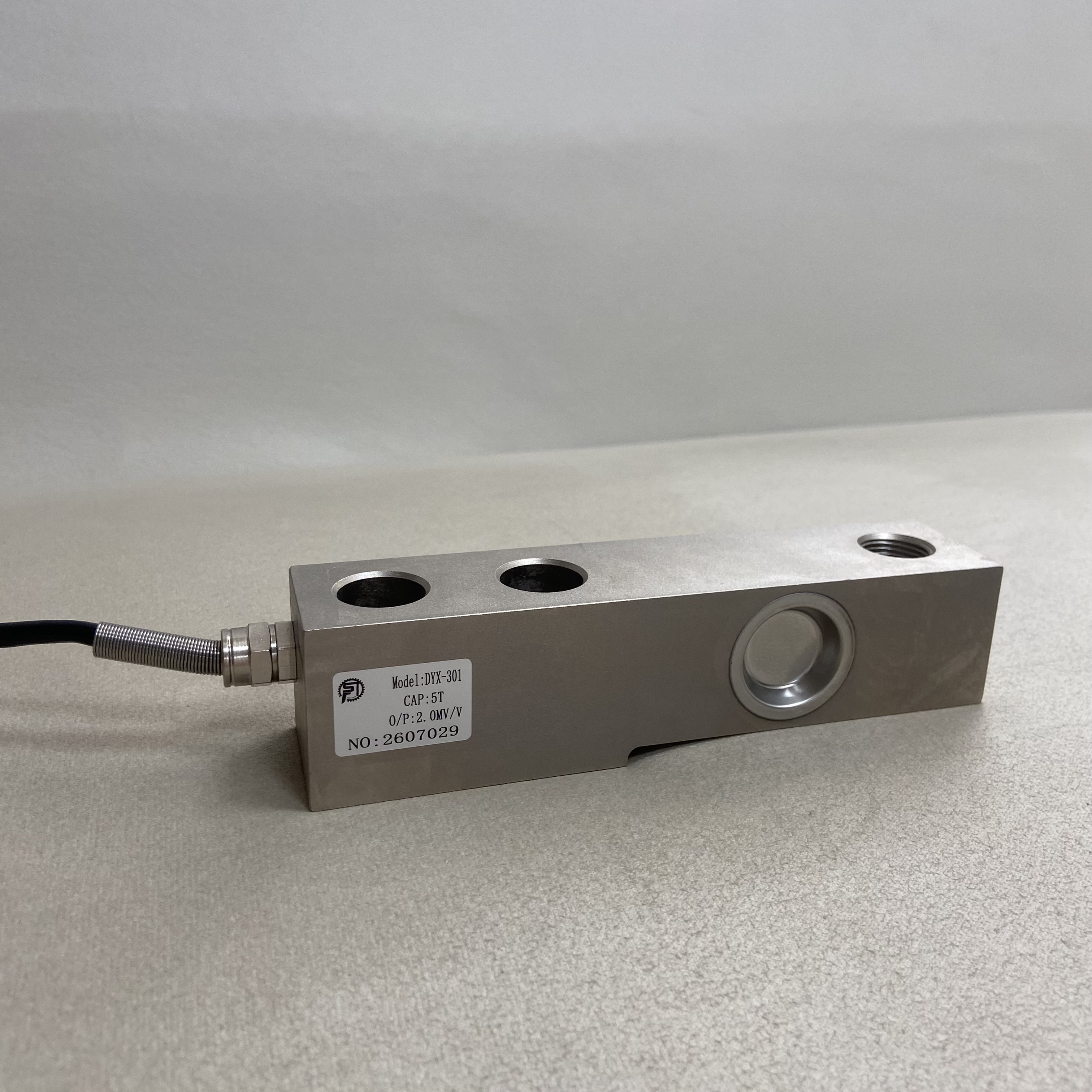
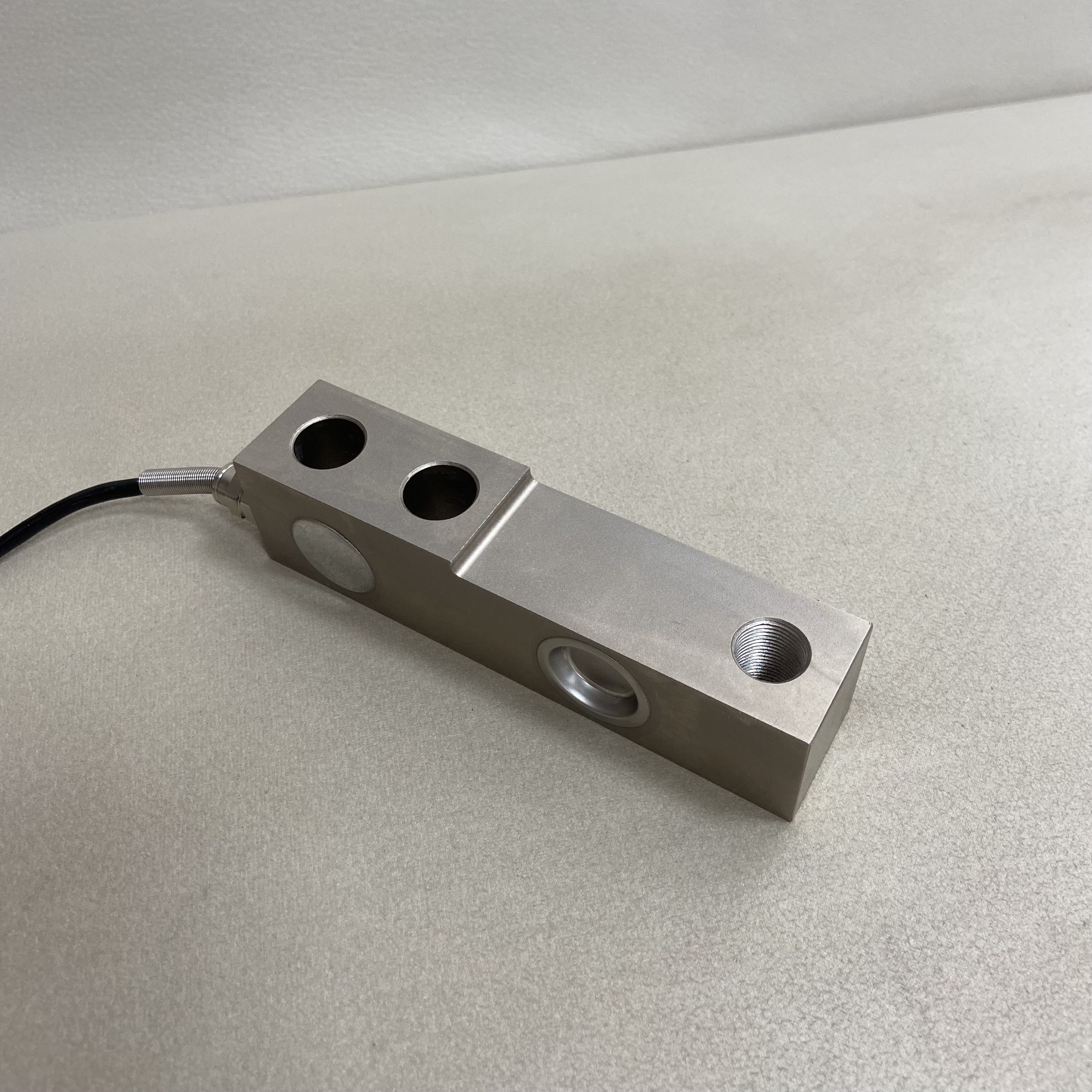
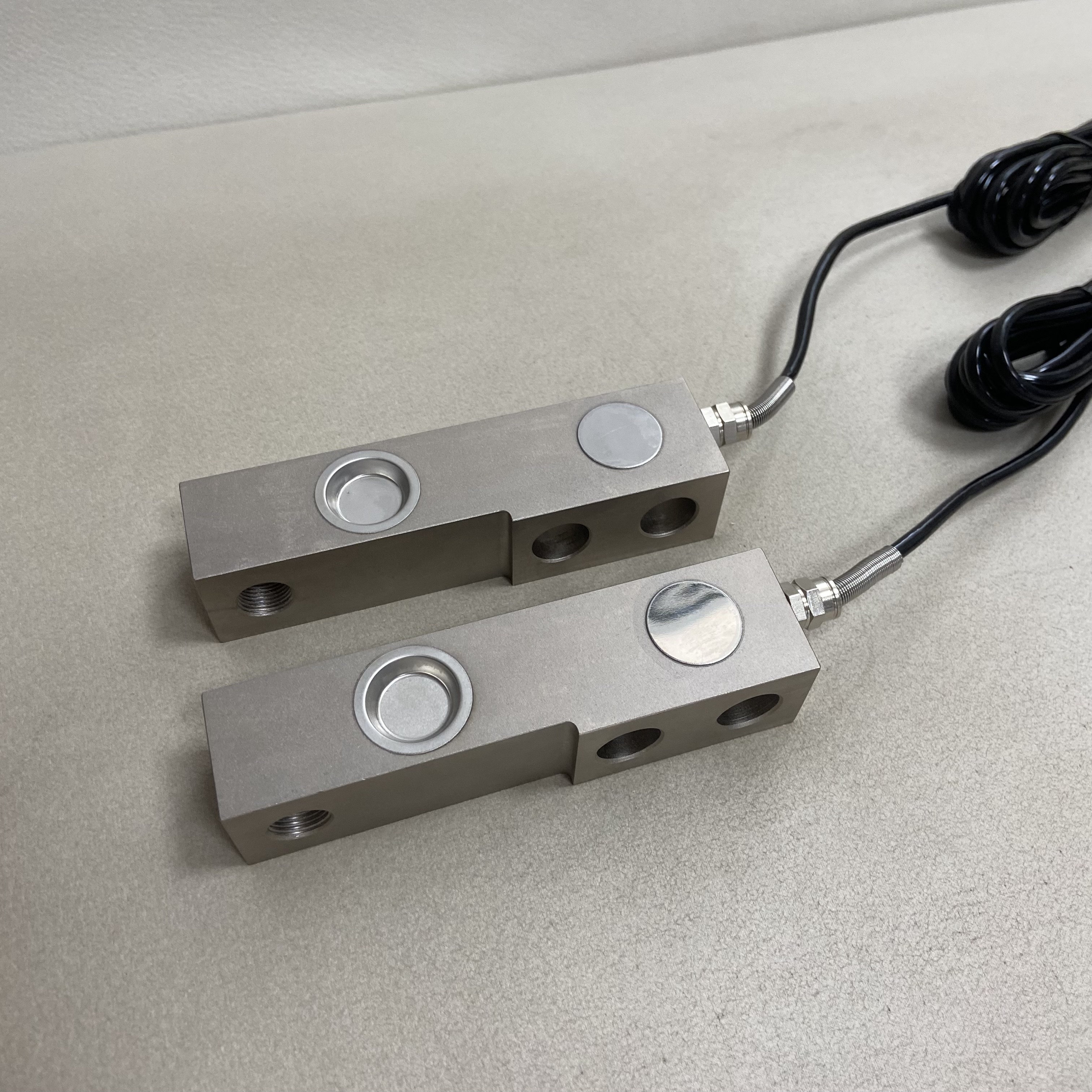
Double ended  shear beam load cells  are  precision instruments used  for measuring  force or weight in various industrial applications.  These load  cells are characterized by their unique design,  which allows them to handle heavy loads  while  maintaining  high accuracy.  For  B2B buyers, the primary concerns often  revolve around ensuring  the right specifications, evaluating the quality of manufacturing,  and understanding common issues that  may arise  during usage. This article aims to guide purchasing managers, engineers,  and product managers in selecting the right double ended shear beam load cell, evaluating quality, addressing  common problems, and exploring bulk order options. If you're looking for quality options, consider the Chinese Factory Weighing Compression Tension Junction Box for your load cell needs.

Evaluating Quality Control in Double Ended Shear Beam Load Cell Manufacturing

Evaluating Quality Control in Double Ended Shear Beam Load Cell Manufacturing

Quality control in the  manufacturing  of double ended shear  beam load cells is fundamental to ensuring  accurate performance and  reliability. A reputable manufacturer, such as JIANGXI JINGCE SENSING  TECHNOLOGY CO., LTD., will employ stringent quality assurance processes at  multiple stages of  production.

Initially,  raw materials must be inspected  for compliance with specifications and  standards. This includes verifying material properties such as tensile strength and corrosion resistance. Additionally, ongoing testing during the manufacturing process, including calibration and environmental testing, ensures  that every load cell meets design specifications.

Post-production, it's essential to conduct final inspections. This may involve functional tests under  simulated load conditions to confirm accuracy and responsiveness. Buyers should  request documentation of  these quality control measures, including  certificates of conformity and test  results, to ensure the reliability  of their investment.

Furthermore, understanding the manufacturer’s  certifications is critical.  Compliance with international standards such as CE and RoHS provides assurance of quality and safety.

Common Problems with Double Ended Shear Beam Load Cells and Their Solutions

Common Problems with Double Ended Shear Beam Load Cells and Their Solutions

Despite their reliability,  double ended shear beam load cells can encounter several common issues. One prevalent  problem is drift, where the load cell's output signal gradually changes even under  a  constant load. This can be mitigated by regular calibration  and using quality  components that  minimize thermal and mechanical drift.

Another issue is the potential for overloading, which can lead to damage or  permanent deformation. To avoid this, buyers should ensure the load cell's  specifications exceed  the  maximum expected  load in usage. Employing protective measures, such as overload stops or limit switches, can further safeguard  against accidental overload.

Environmental factors can also affect performance. For instance,  exposure to extreme temperatures or humidity can impact the accuracy and lifespan of the load cell. Buyers should select load cells that are rated for their specific operating conditions and consider protective housing or covers for  additional safeguarding.

Lastly, installation errors can lead to inaccurate readings. It is vital to follow  the manufacturer's installation guidelines carefully and ensure proper alignment  and leveling of  the load cell  within the application.

Double Ended Shear Beam Load Cells for Bulk Orders

Double Ended Shear Beam Load Cells for Bulk Orders

When considering bulk orders of double ended shear  beam load cells, several factors need to be taken into  account. First, buyers should discuss minimum order quantities (MOQs) with the manufacturer. JIANGXI JINGCE SENSING TECHNOLOGY CO., LTD. offers competitive pricing structures  for  bulk purchases, which can significantly  reduce overall costs.

Additionally, planning for lead times is essential. Bulk orders often require longer production times, especially if customization  is requested.  Clear communication regarding  expected delivery schedules will  help  manage inventory effectively.

Buyers should also inquire about  packaging and shipping options. Proper packaging is crucial to prevent damage  during transit, particularly for sensitive  electronic  components like load  cells. Manufacturers should provide  details  on their packaging methods to ensure products arrive in optimal condition.

Lastly, it is advisable for buyers to request samples before  placing  large orders. This allows for  testing the product in real-world applications and ensures that the specifications meet the required standards.

Application Scenarios for Double Ended Shear Beam Load Cells in Industry

Double ended shear beam  load cells are versatile  instruments  used across various industries. In the manufacturing sector, they are commonly employed in applications such as weighing platforms, batching systems, and conveyor scales. Their ability to measure heavy loads accurately  makes them ideal for these environments.

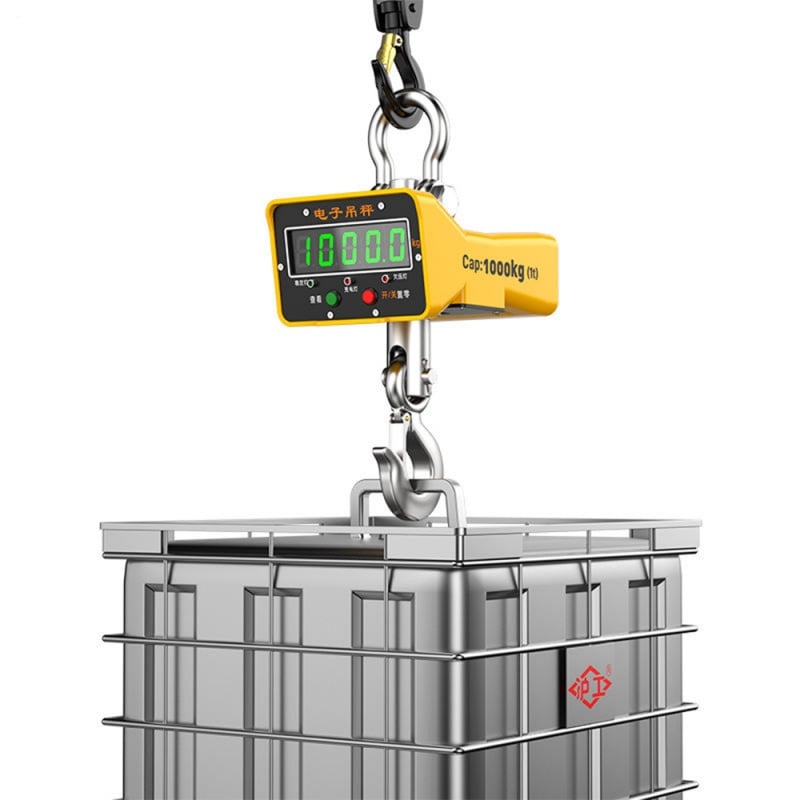
In the lifting industry, these load cells are integral to  overhead cranes and hoisting systems,  where precise weight measurement is critical for safety  and efficiency. They help prevent overloading, which can lead to accidents and equipment failure.

In the new  energy sector, double  ended shear  beam  load cells are utilized in  testing and monitoring applications for solar panels and wind turbines. Their accuracy ensures that energy production metrics are reliable, which is crucial  for performance evaluations  and maintenance schedules.

Additionally, these load cells can be  found in agricultural applications, such as weighbridges for trucks transporting produce. Their robustness and accuracy ensure that weights are recorded correctly,  aiding in fair  trade  practices and compliance with regulations.

By understanding the diverse applications of double ended shear beam load cells, buyers can make more informed decisions about their purchasing needs, ensuring they select the right  product for their specific industry requirements.

How to Choose the Right Double Ended Shear Beam Load Cell for Your Needs

When selecting a double ended shear beam load cell,  several critical  specifications must be considered.  First, the load  capacity is paramount; it must match the  intended application. Common capacities range from hundreds to several thousand kilograms. Understanding  the maximum load  expected  in  real-world usage is crucial, as exceeding this limit can lead to damage or inaccurate readings.

Next, consider the material used in the load cell's construction. Most double ended shear beam load cells are made from aluminum or stainless steel, with stainless  steel offering greater  resistance to corrosion and environmental  factors. This is particularly important in harsh  working conditions, such as those found in manufacturing or outdoor environments. Buyers should ensure their load cells are durable, such as those featured in the High Performance 100Nm Static Torque Sensor Load Cell.

Another important specification is the output signal type, typically  in mV/V  or digital formats. Ensure compatibility with existing systems or  data acquisition  devices. Furthermore, buyers should evaluate environmental ratings such as IP67 or IP68, which indicate the load cell's resistance to dust and moisture. This is  crucial for applications in humid  or dirty  environments.

Lastly, customization options may also play a role in the decision-making process. Buyers should inquire about the possibility of bespoke designs to fit specific applications, dimensions, or performance parameters.

Frequently Asked Questions

What is a double ended shear beam load cell?

A precision sensor that measures force via shear strain on both ends, designed for high-accuracy weighing and tension applications in industrial systems.
Available in multiple capacities with high precision; specific accuracy (e.g., class) depends on model—contact us for model specs and calibration data.
Yes. Our products carry CE and RoHS certifications and are manufactured to high-quality standards for industrial reliability.
Yes. We offer OEM/ODM services to tailor mechanical design, mounting, output signals, and packaging for lifting, weighing, and automation needs.
We supply datasheets, wiring diagrams, calibration guidance, and application support. Technical assistance is available for installation and integration.

Get a Free Quote

Our representative will contact you soon.
0/1000