Comparing Double Ended Load Cell Specifications for Optimal Performance
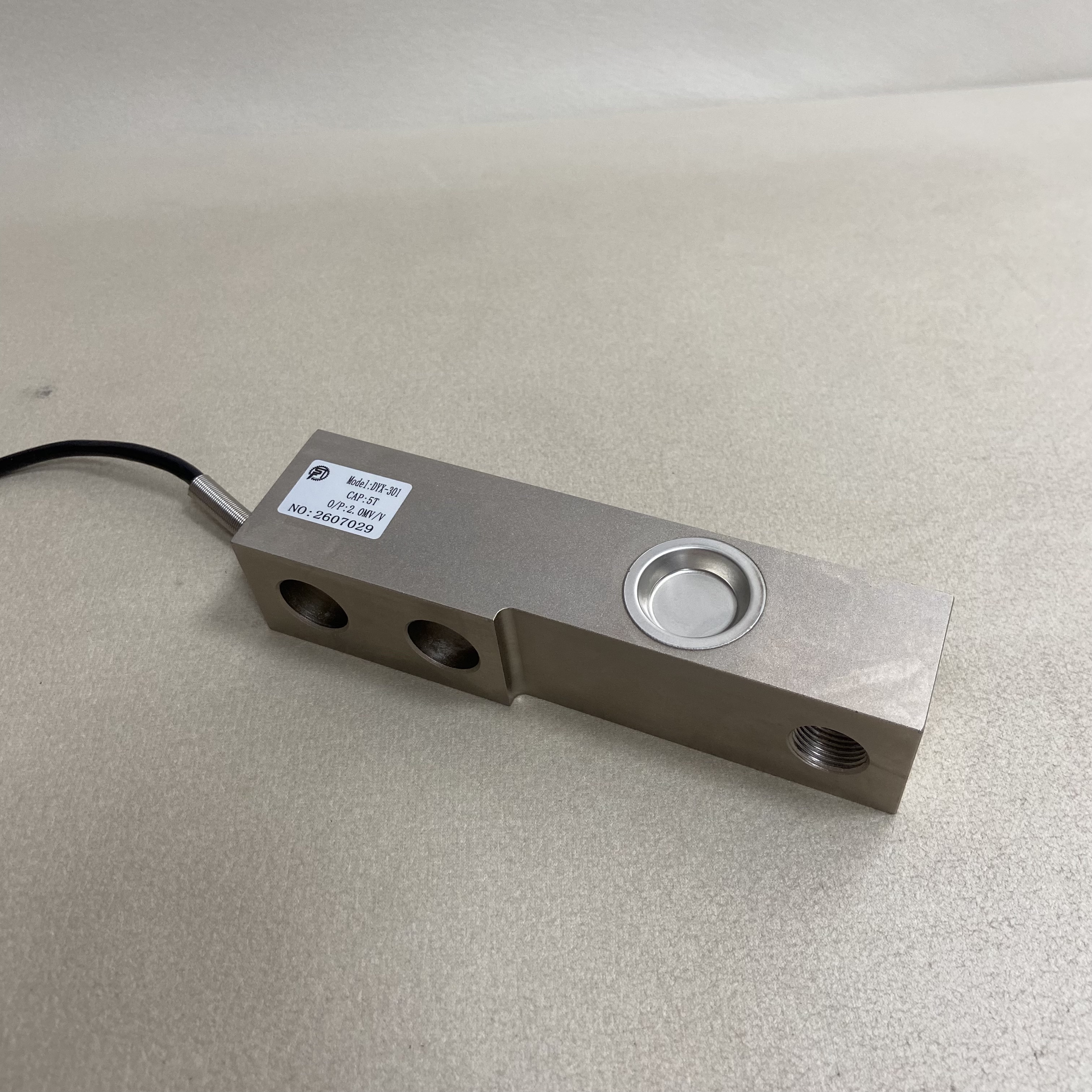
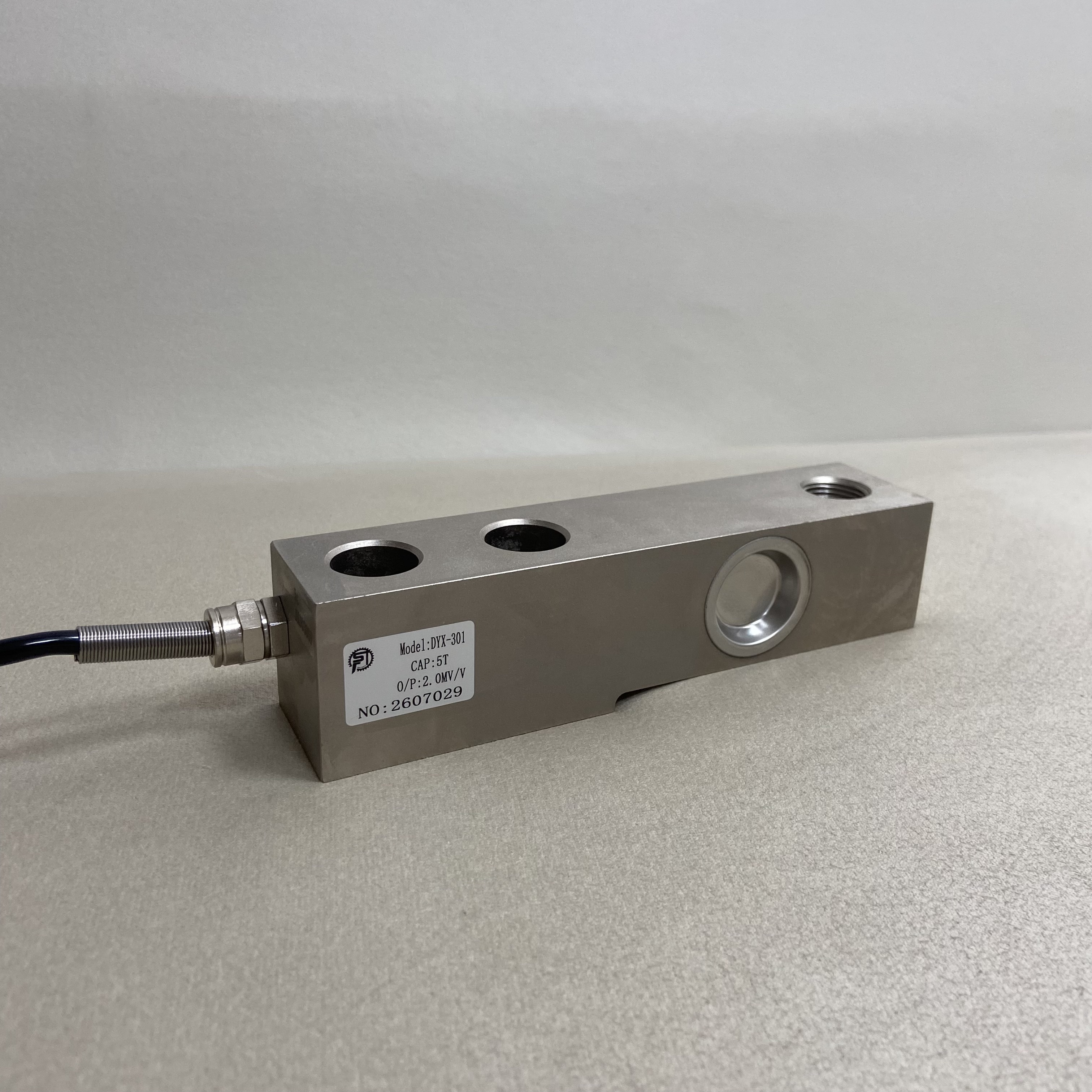
Understanding the specifications of double ended load cells is essential for selecting the right product for your application. Key specifications include:
Capacity: This indicates the maximum load the load cell can measure. It’s essential to choose a capacity that exceeds your expected loads to ensure durability and accuracy.
Accuracy: Generally expressed as a percentage of the full scale, accuracy indicates how close the load cell's reading is to the actual load. For critical applications, select models with high accuracy ratings.
Material: Load cells are typically made from materials like aluminum or stainless steel. Stainless steel offers better corrosion resistance, making it suitable for harsh environments. For example, using a Load cell made from high-quality stainless steel can enhance durability.
Temperature Range: Consider the operating temperature of your application. Load cells with a wider temperature range are more versatile and can perform reliably in various conditions.
Output Signal: Common output types are analog (e.g., 0-10V, 4-20mA) and digital (e.g., RS-232, RS-485). Ensure compatibility with your existing systems.
Evaluating these specifications relative to your application will help ensure optimal performance and longevity.
 EN
EN