Where to Buy High-Quality Double Ended Load Cells

application/double-ended-load-cell, application/double-ended-load-cell, 
Inquiry
Inquiry

double ended load cell

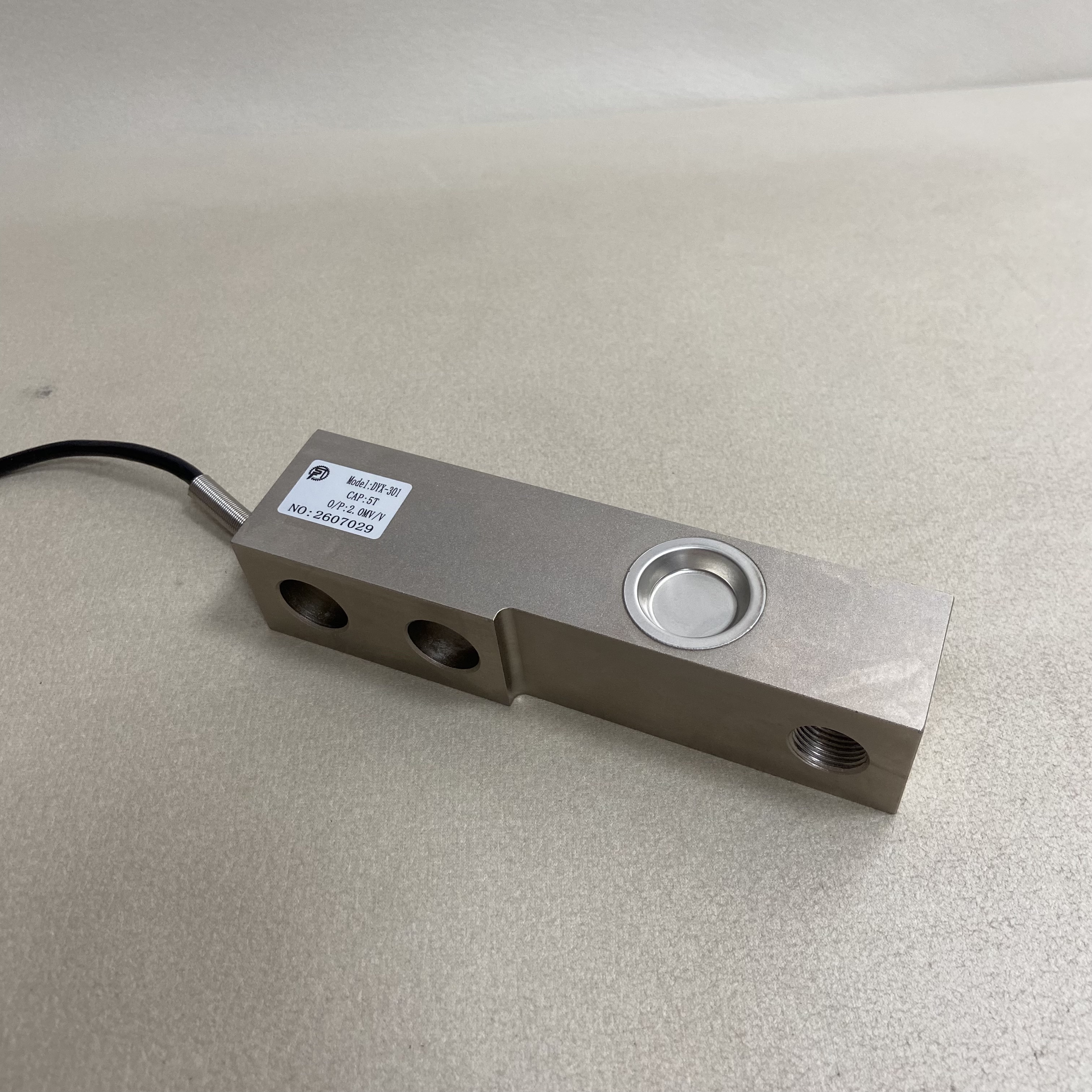
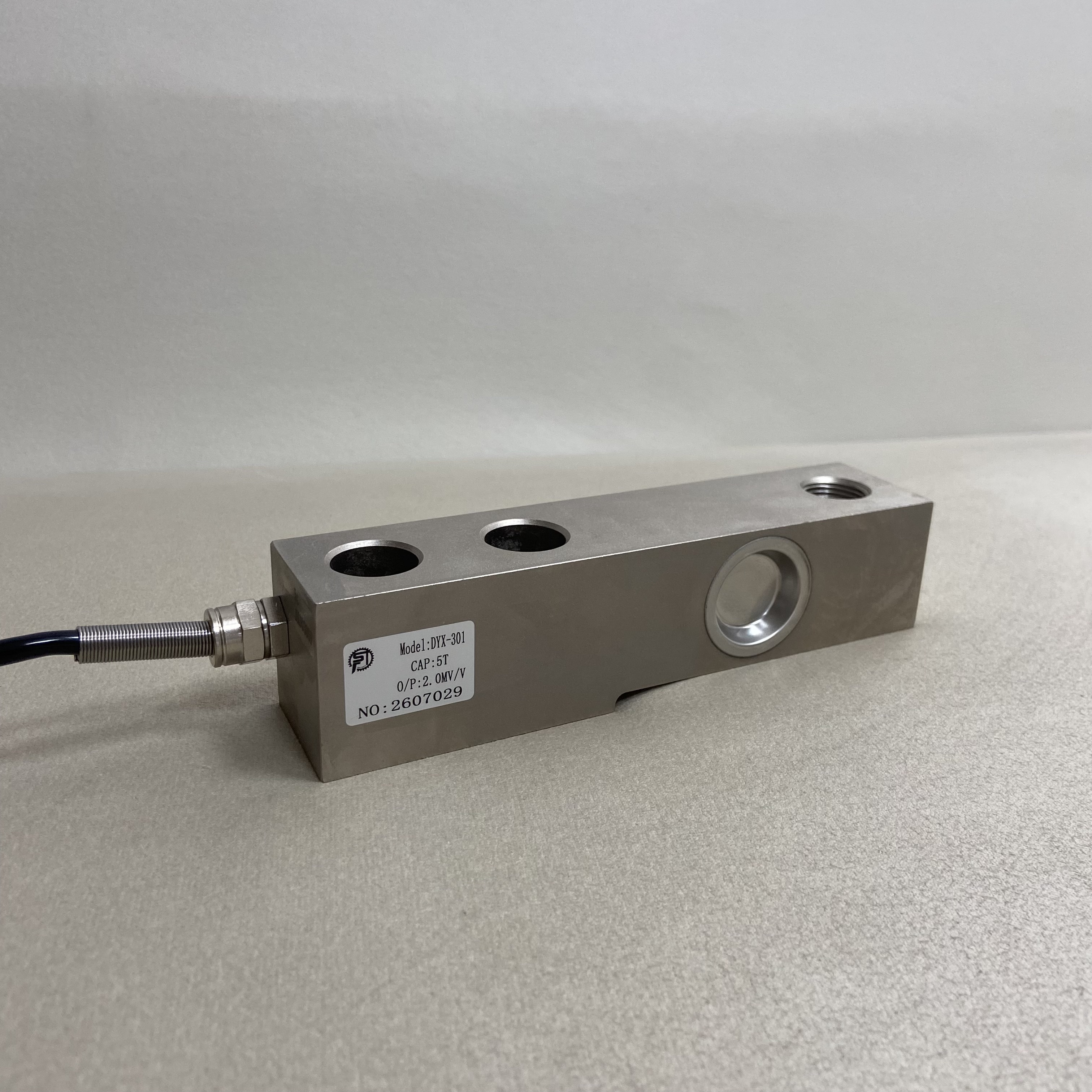
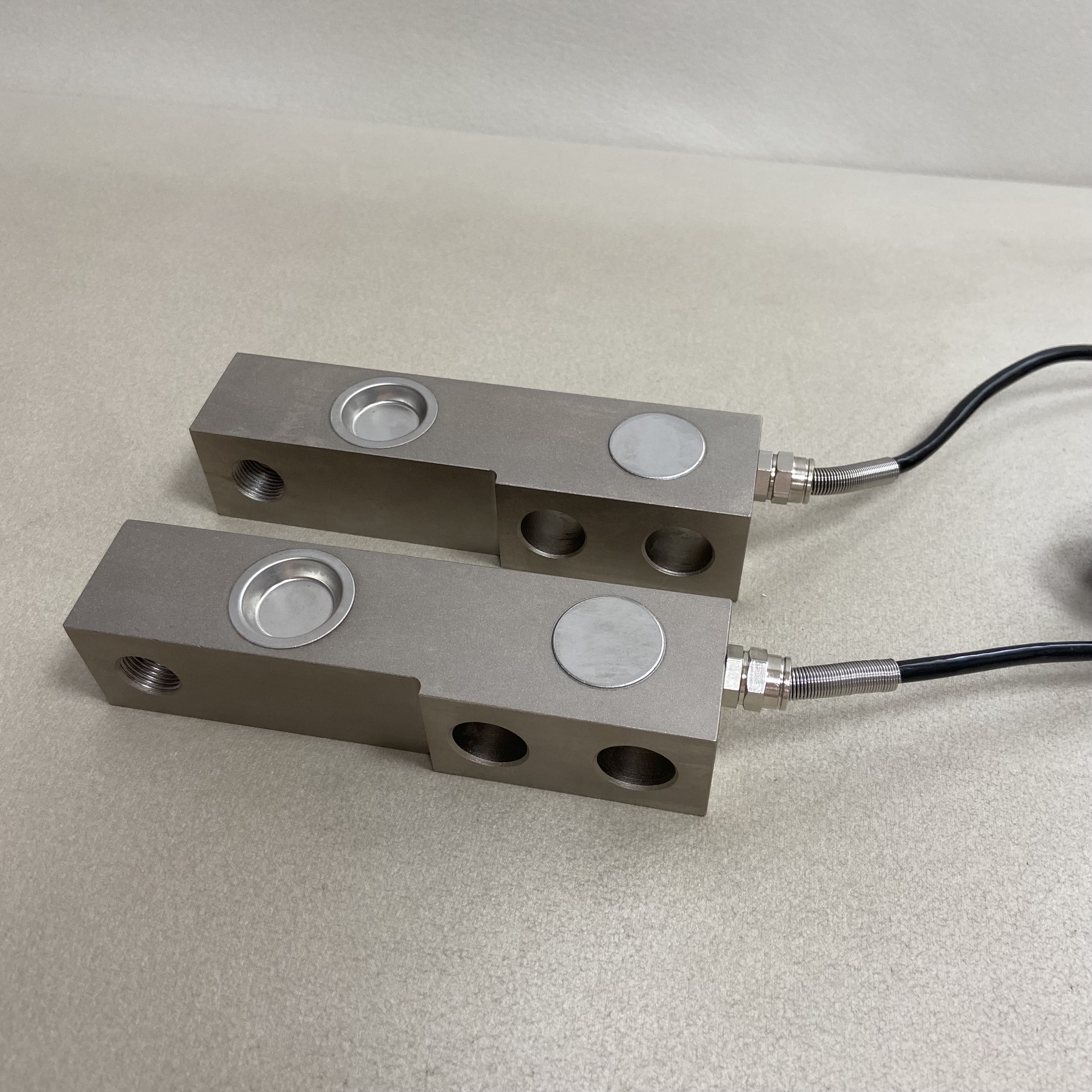
Double ended load  cells are precision  instruments  used for measuring  force or weight in various  industrial applications. They are particularly valuable in  lifting and weighing scenarios due to their ability  to provide accurate readings in both  tension and compression.  As  a B2B buyer, you may have concerns about product specifications,  quality, application suitability, and  pricing.  This article  will guide  you through essential considerations  when  purchasing double ended load cells, helping you make  informed decisions for  your projects.

 
Comparing Double Ended Load Cell Specifications for Optimal Performance

Comparing Double Ended Load Cell Specifications for Optimal Performance

Understanding the specifications of double ended load cells is essential for selecting the  right product for your application. Key  specifications include:

Capacity: This indicates the  maximum load the load cell  can measure. It’s essential to choose a  capacity  that exceeds your expected loads to ensure  durability and  accuracy.

Accuracy: Generally expressed as a percentage  of  the full scale, accuracy indicates how close the load cell's reading is to the actual load. For critical applications, select models with high accuracy ratings.

Material: Load  cells are  typically made  from materials like aluminum or  stainless steel. Stainless steel offers better corrosion  resistance, making it suitable for harsh environments. For example, using a Load cell made from high-quality stainless steel can enhance durability.

Temperature Range: Consider the operating temperature of your application. Load  cells with a wider temperature range are more versatile and can perform reliably in various conditions.

Output Signal: Common  output types are analog (e.g., 0-10V, 4-20mA) and  digital  (e.g., RS-232, RS-485). Ensure compatibility with your existing systems.

Evaluating these specifications relative  to your application will help ensure optimal performance and longevity.

Installation Tips for Double Ended Load Cells in Industrial Settings

Installation Tips for Double Ended Load Cells in Industrial Settings

Proper installation of double  ended load cells is crucial for accurate measurements. Here are some vital installation  tips:


Alignment: Ensure that the load cell is aligned correctly with the load  direction.  Any misalignment  can lead to erroneous readings  or damage.

Mounting: Use appropriate mounting hardware to secure the load cell. Consider using load cell mounts designed  to  minimize side forces, which can skew readings.

Wiring: Follow the manufacturer’s wiring diagram meticulously. Incorrect wiring can lead to signal errors or  damage to the load cell.

Calibration: After installation, calibrate the load cell according to the manufacturer's guidelines. Calibration ensures that  the load readings are accurate and reliable.

Environmental Considerations: If the load  cell  will be exposed  to moisture, dust, or chemicals, consider  using protective enclosures to prolong its  life and maintain accuracy. For example, using a Hanging scale could provide additional protection in certain environments.

Following these  installation  tips can help minimize common problems  and enhance the reliability of your load cell measurements.

Common Problems with Double Ended Load Cells and Their Solutions

Common Problems with Double Ended Load Cells and Their Solutions

Like any precision instrument, double ended  load cells can encounter issues during operation. Here are a  few common problems and  their solutions:

Drift in Readings: This can occur  due to temperature changes or aging components. Regular calibration and using temperature-compensated models can  help mitigate this issue.

Mechanical Stress: Overloading or improper mounting can damage the load cell. Always ensure that  the load cell is mounted  correctly and operates within  its specified capacity.

Signal Interference: Electrical noise  can affect the output signal. Using shielded  cables  and  maintaining proper grounding  can reduce interference and improve measurement accuracy.

Corrosion: Exposure to harsh environments can lead to corrosion. Selecting load cells made from corrosion-resistant materials and using protective coatings can help prolong service life.

Inconsistent Readings: This  may be caused by loose connections or wear in the load  cell. Regular inspections and maintenance checks  can help  identify  and resolve  these issues promptly.

By addressing these common problems, you can maintain the  accuracy and reliability of your double ended load cells.

Understanding the Cost Factors of Double Ended Load Cells for Buyers

The cost of double ended load cells can  vary widely  based on several factors:

Specifications: Higher capacity and accuracy usually come with a higher price tag.  Determine the necessary specifications for your  application to avoid overspending on unnecessary features.

Material: The choice of materials significantly impacts the cost. Stainless steel models tend to be more expensive  than aluminum but  offer  better durability and corrosion resistance.


Customization: Custom features or modifications will increase the cost. When requesting a quote,  provide detailed specifications to get the most accurate pricing.


Quantity: Bulk orders typically qualify for discounts. Consider your long-term needs and  purchase accordingly to capitalize on potential savings.

Supplier Reputation: Established  manufacturers with a  track record of quality often charge more  due to the reliability and  assurance they provide. Investing in a reputable supplier can  lead to  lower overall costs through better performance and fewer failures.

Understanding these cost factors will help you budget effectively and make informed purchasing decisions  regarding double  ended load  cells.

Where to Buy High-Quality Double Ended Load Cells at Wholesale Prices

When looking to purchase  double ended load  cells, it’s crucial to source them from reputable manufacturers like JIANGXI JINGCE SENSING TECHNOLOGY  CO., LTD.  They specialize in high-precision load cells and offer a variety of OEM/ODM solutions tailored to your specific needs. To buy  at wholesale prices, consider the following:


Manufacturer  Direct: Purchasing directly from manufacturers often yields the best prices,  especially for bulk orders. Manufacturers can also provide insights into product specifications and customization options.

Industry Distributors: Established distributors usually offer a range of products from different  manufacturers. They can  provide valuable support and advice on product selection and compatibility.

Trade Shows and Expos: Attending industry  trade shows gives  you the  opportunity to meet manufacturers and suppliers. You can  assess  product quality firsthand and negotiate pricing for bulk purchases.

Online Marketplaces: Platforms like Alibaba or industry-specific websites can be useful  for comparing prices and checking supplier ratings. However, ensure that  the  seller has a  reliable track record  for quality and service.

Frequently Asked Questions

What is a double ended load cell used for?

A double ended load cell measures axial tension or compression between two attachment points. It is ideal for overhead lifting, rigging, cable tension, and inline force monitoring in industrial weighing and automation systems.
Our double ended load cells provide high-precision accuracy and come with CE and RoHS certifications. Calibration and accuracy specifications vary by model; contact us for model-specific data sheets.
Yes. We offer OEM and ODM customization for dimensions, rated capacities, electrical outputs, and mounting options to suit lifting, weighing, automation, and new energy applications.
Models are designed for industrial environments with options for sealed IP ratings, corrosion-resistant materials, and temperature compensation. Exact environmental specs depend on the selected model.
Contact our sales team with your application details and required capacity. We provide technical guidance, quotation, and can arrange samples or custom prototypes upon request.

Get a Free Quote

Our representative will contact you soon.
0/1000