Guide to Rotating Torque Transducers for Your Needs

application/rotating-torque-transducer, application/rotating-torque-transducer, 
Inquiry
Inquiry

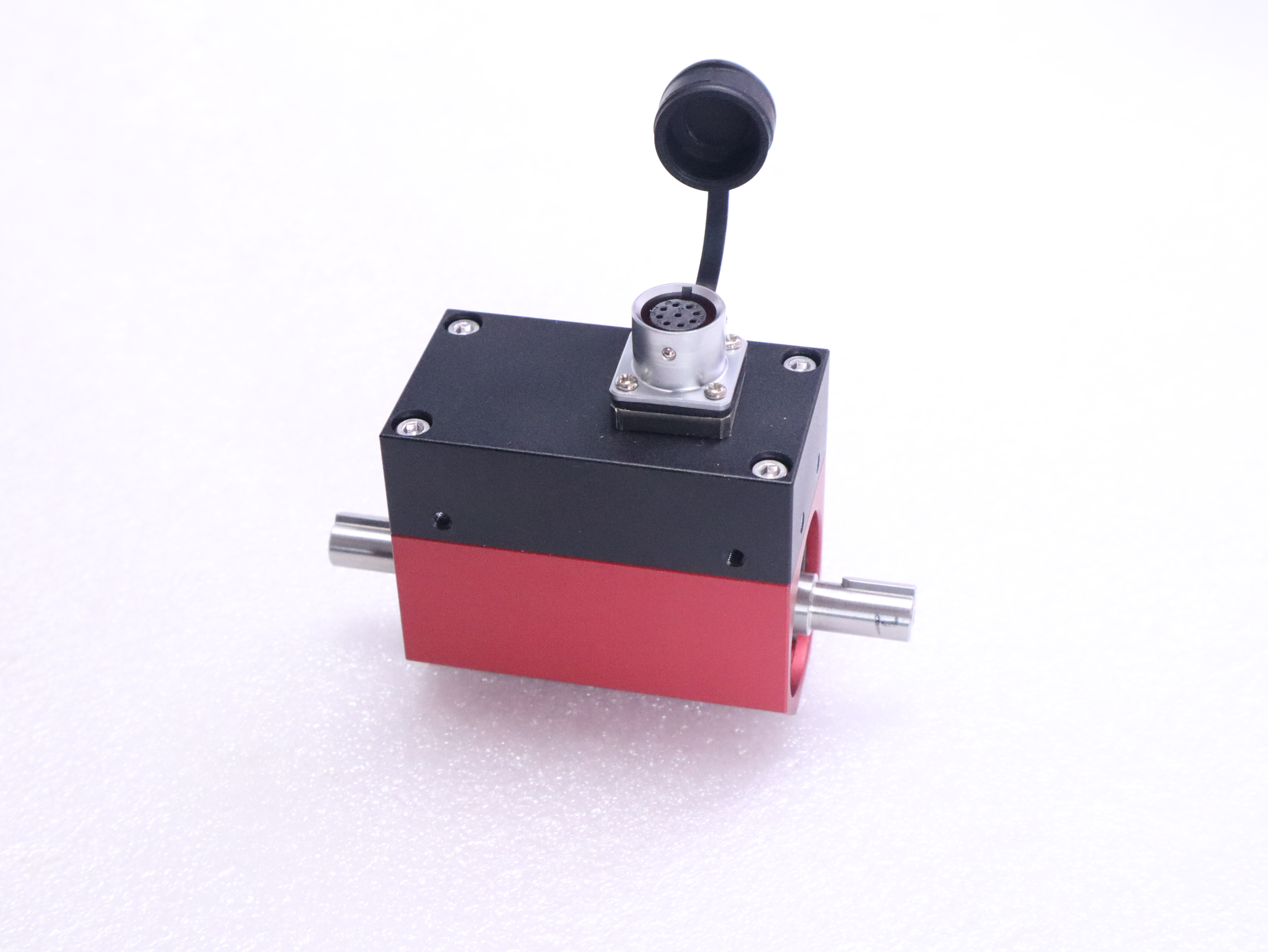
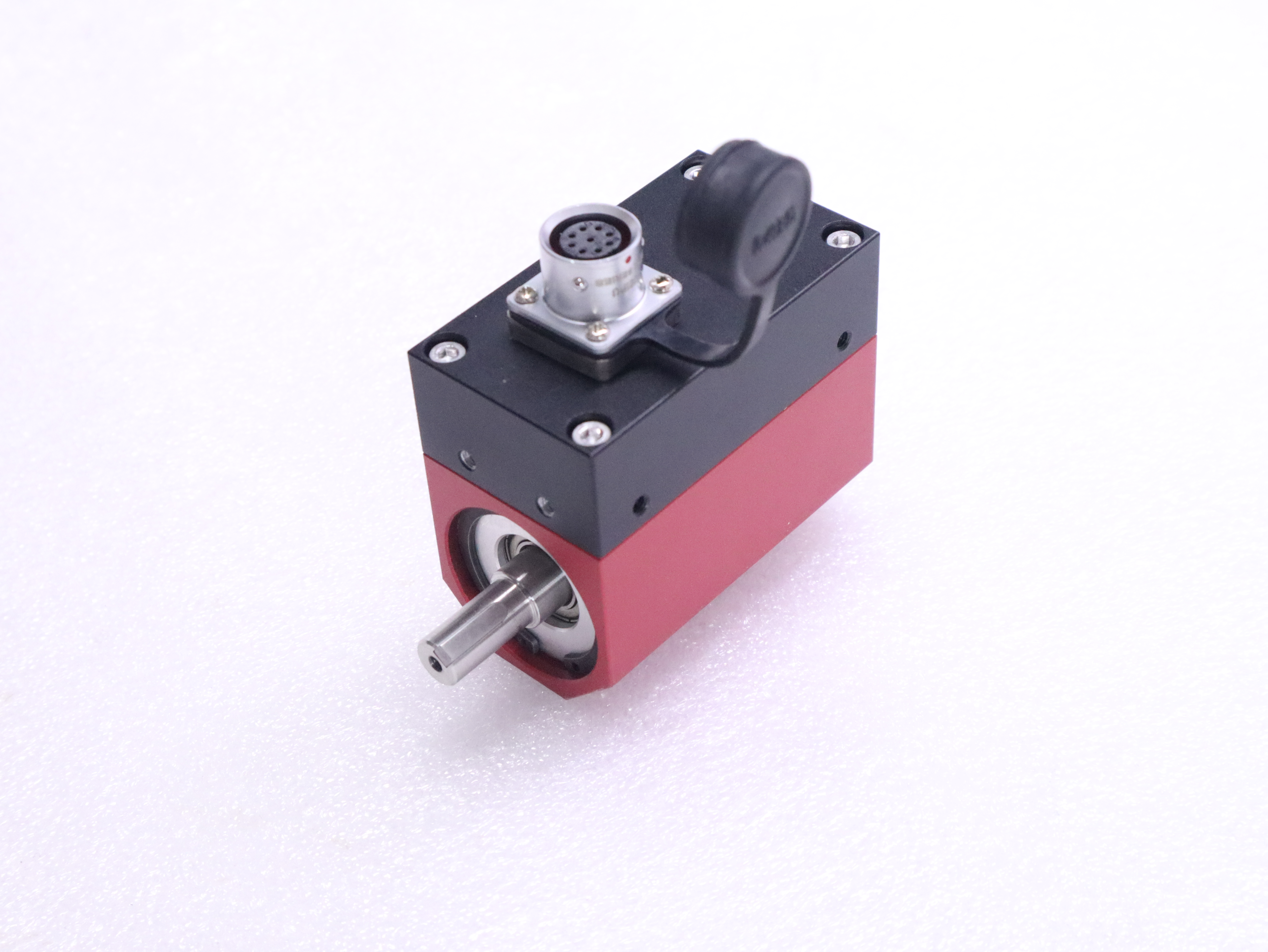
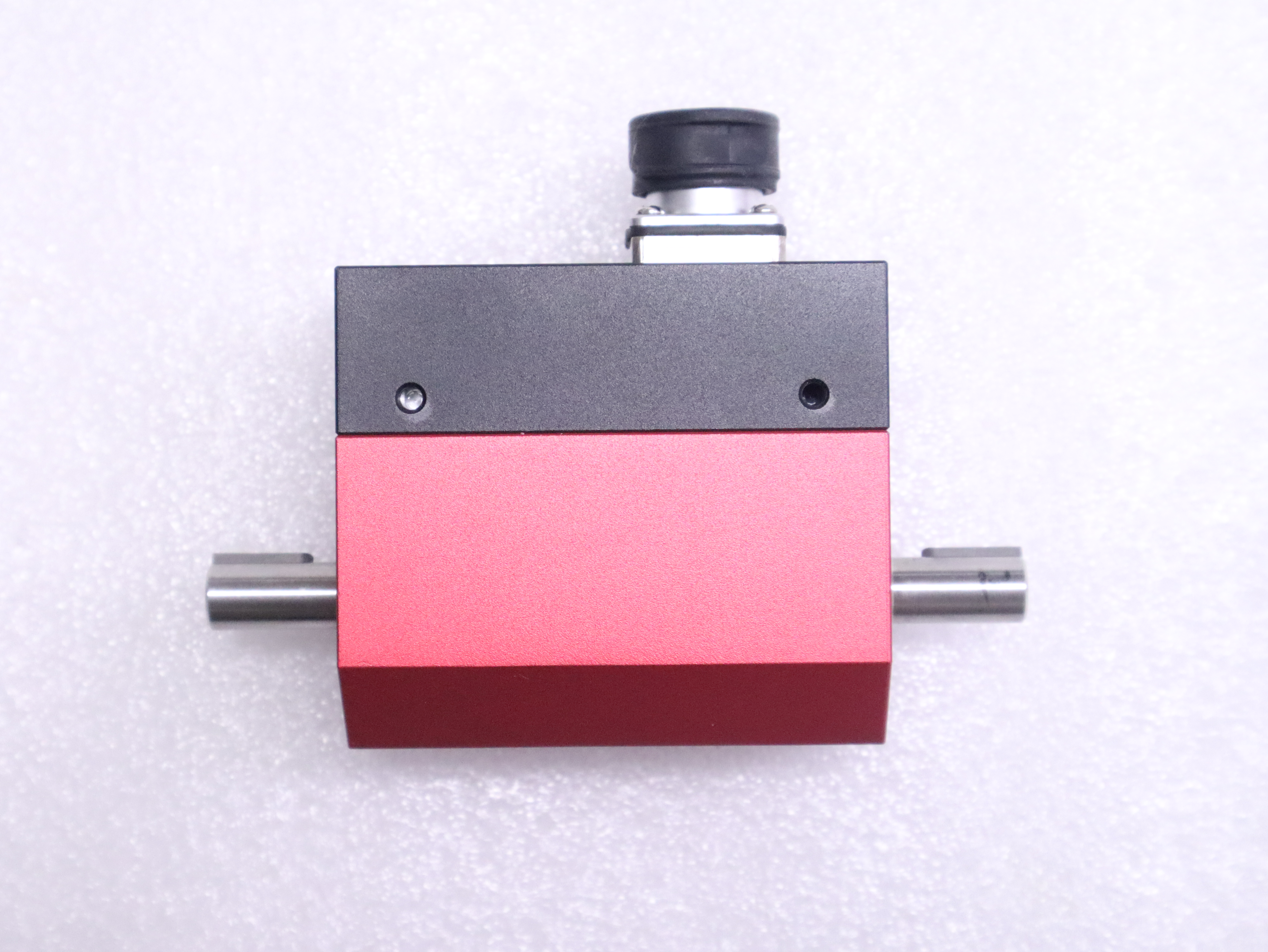
rotating torque transducer

Rotating torque  transducers are essential devices  used  to measure torque in  rotating systems, providing crucial data for various applications across industries.  They play a significant role in  ensuring the efficiency, safety, and  performance of machinery.  For B2B buyers, understanding  the specifications,  applications, and potential  issues associated with these  devices is vital for making informed purchasing  decisions. This article will  guide you through selecting the right rotating  torque  transducer,  common problems, cost considerations, applications, and  model comparisons  to support your  procurement process.

Common Problems with Rotating Torque Transducers and Their Solutions

Common Problems with Rotating Torque Transducers and Their Solutions

While rotating torque  transducers are reliable devices, users may encounter some common issues. Recognizing these problems early  can save  time and resources.

Calibration Errors: Transducers can drift  over time. Regular calibration is essential to maintain accuracy. Implement  a routine calibration schedule based on manufacturer recommendations and operational frequency.

Signal Interference: Electromagnetic interference (EMI) can  affect signal  integrity, particularly in industrial environments. Using shielded cables  and proper grounding  techniques can mitigate these effects.

Mechanical Misalignment: Improper  installation can lead to measurement inaccuracies. Ensure that the transducer is aligned correctly with the drive shaft or other components to avoid stress on the device.

Environmental Damage: Exposure  to extreme temperatures, humidity,  or  corrosive substances can compromise the transducer. Selecting a model with appropriate  environmental ratings and protective measures can prevent premature  failure.

By addressing these common problems  proactively, users can enhance the lifespan and reliability  of their  rotating  torque transducers. Additionally, understanding different types of transducers, such as Incremental encoder or Absolute value encoder, can further aid in the selection of suitable devices.

Cost Factors to Consider When Purchasing Rotating Torque Transducers

Cost Factors to Consider When Purchasing Rotating Torque Transducers

Understanding the cost factors associated with rotating torque transducers is critical  for budgeting and procurement. The  following elements can influence pricing:

Specifications and Features: Higher accuracy and broader measurement  ranges typically come at a premium. Custom features, such as enhanced  durability or  specialized  output signals, can also increase costs.

Volume Discounts: If your operation  requires multiple units, inquire about bulk purchasing options. Many manufacturers offer discounts for large orders,  which can significantly reduce per-unit costs.

Customization: Custom solutions tailored to specific applications may  involve additional costs. Discussing your requirements with  the manufacturer can provide clarity on  pricing and options available.

Lead  Time and Shipping: Consider the time involved in manufacturing and shipping.  Rush orders  may incur additional fees, so planning  ahead  can  help manage costs effectively.


By  evaluating these cost factors, buyers  can make informed decisions that align with their budget and operational needs.

Applications of Rotating Torque Transducers Across Various Industries

Applications of Rotating Torque Transducers Across Various Industries

Rotating torque transducers find applications in multiple industries due to their versatility and precision. Here are  some  common sectors where  they are utilized:

Manufacturing: In manufacturing processes, torque transducers  are used for quality control and monitoring.  They ensure that machinery  operates within specified torque limits, enhancing product quality  and reducing waste.

Aerospace: In aerospace applications, precise torque measurement is crucial for ensuring safety and performance. Transducers are used in testing components  and systems to guarantee they meet strict regulatory standards.

Automotive: Automotive manufacturers use rotating torque transducers in  assembly processes to verify that components like  bolts and screws are  tightened to specified torque levels,  enhancing safety and reliability.

Renewable Energy: In  the renewable energy  sector, they are employed in wind turbines and other energy-generating equipment to monitor torque and optimize performance. The use of advanced sensors like Linear sensor can further enhance monitoring capabilities.

This  versatility underscores the  importance  of selecting the right rotating torque  transducer to  meet  the specific demands of your industry.

Comparing Different Models of Rotating Torque Transducers for Bulk Buying

When considering bulk purchasing of rotating torque transducers, comparing different models becomes  essential. Here are key aspects to evaluate across various options:

Specifications: Review the technical specifications such as measurement range, accuracy, and output type.  Ensure the models under consideration align with your operational requirements.

Durability: Assess the  materials used in construction. Models made from high-grade  materials with protective coatings may  offer  longer lifespans, which could justify a  higher initial cost.

Manufacturer Reputation: Research the manufacturers' track records for  quality and customer service. Established brands  with positive reviews often provide more  reliable products and support.

Support and Warranty: Check the  warranty periods and  customer  support offerings. A  longer warranty may indicate manufacturer confidence in their product quality.

By meticulously comparing these factors, businesses can make informed purchasing decisions that balance cost, quality, and performance, ensuring they  select the most suitable rotating torque  transducers for their needs.

In summary, understanding the  intricacies of rotating torque transducers, from selection to application,  is  crucial for B2B buyers. By following the guidance provided, purchasing managers and engineers can make informed decisions that enhance  operational efficiency and reliability.

How to Choose the Right Rotating Torque Transducer for Your Needs

Selecting the appropriate rotating torque transducer involves understanding  your specific application requirements. Key factors to consider include the measurement  range, accuracy, and compatibility with  your  existing systems.

Measurement Range: Ensure the transducer can handle the torque levels within your application. For instance, industrial settings may require transducers  capable of  measuring high torque, while lighter applications may not.

Accuracy: Look for transducers with high precision ratings. A device with a resolution of 0.1%  or better may be necessary  in applications  where even slight torque variations can lead to significant operational problems.

Environmental Conditions: Consider the operating environment. If the transducer  will be exposed to harsh conditions, such as extreme temperatures or moisture, it should be rated accordingly. Materials and sealing methods may need to be specified to ensure  durability.

Output Signal Compatibility: Check  the output signal type (analog, digital,  or wireless) and ensure  it aligns with your data acquisition  system. This facilitates seamless integration into  your operational  framework.

By evaluating these  factors, you can select a  rotating torque transducer that meets your  operational requirements and ensures reliable performance.

Frequently Asked Questions

What is a rotating torque transducer?

A rotating torque transducer measures torque on rotating shafts by converting mechanical torque into electrical signals for monitoring, control, and testing in industrial applications.
We offer high-precision models with multiple torque ranges and accuracies to suit lifting, automation, weighing, and new energy testing needs. Contact us for specific range and tolerance options.
Common outputs include analog (mV/V, 4-20mA), and digital options. Interfaces for signal conditioning, slip rings, or wireless telemetry are available per OEM/ODM requirements.
Yes. Our rotating torque transducers are CE and RoHS compliant, meeting safety and environmental standards for global industrial deployment.
Yes. We provide OEM/ODM customization for mounting, ranges, outputs, and environmental protection to fit lifting, automation, weighing, and new energy applications.

Get a Free Quote

Our representative will contact you soon.
0/1000