Hanging Scales for Sale: Key Specifications & Suppliers

application/hanging-scales-for-sale, application/hanging-scales-for-sale, 
Inquiry
Inquiry

hanging scales for sale

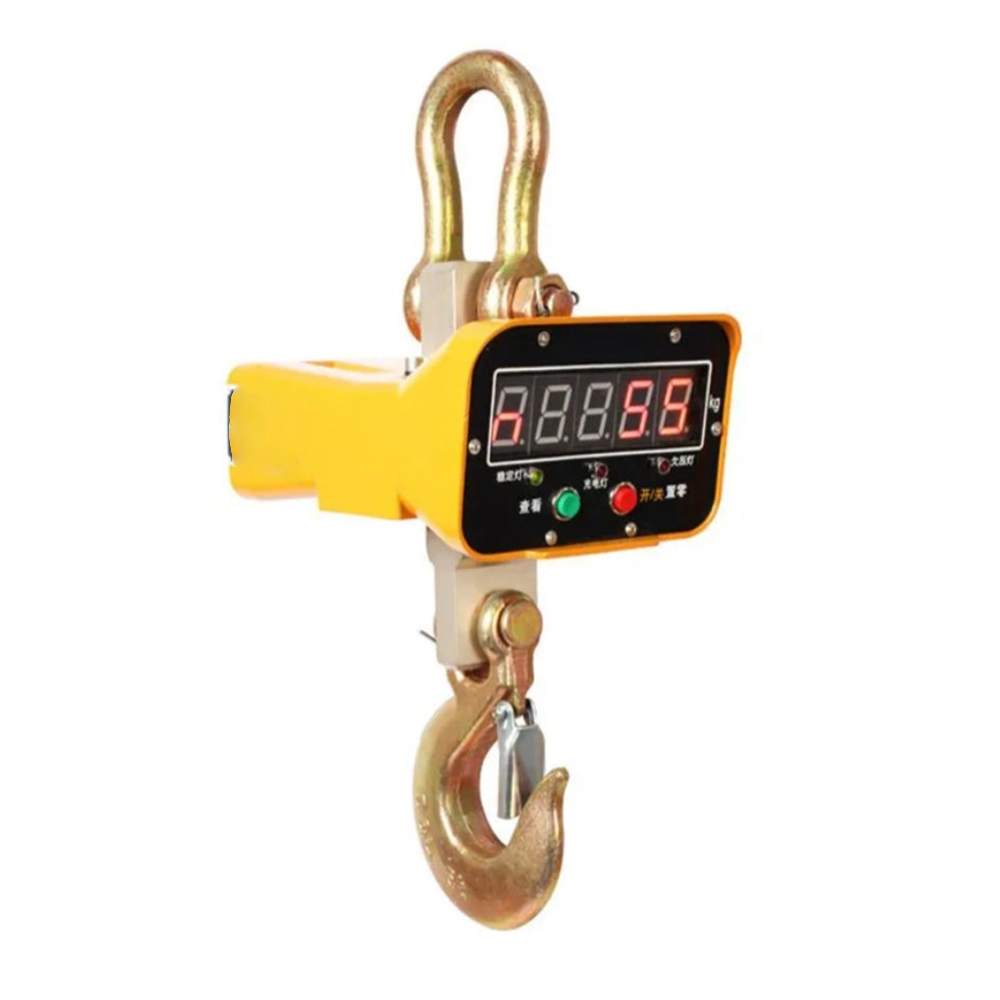
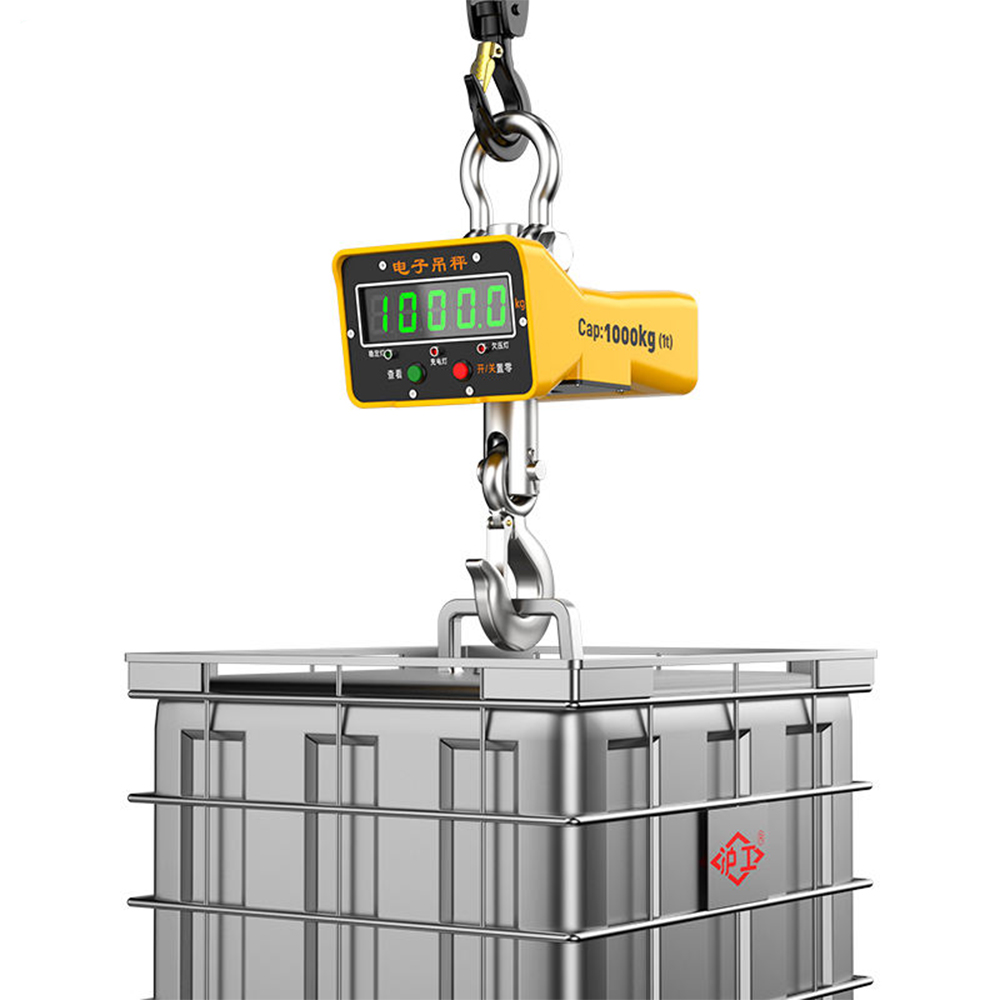
Hanging  scales are essential instruments  for accurately measuring weight in various industrial applications. Whether for  lifting, weighing, or automation, these  devices offer precision  and reliability. For purchasing managers and engineers looking  for hanging scales for sale, understanding  key specifications, supplier reliability,  and cost factors is crucial for making  informed decisions. This article  will guide  you  through  the essential considerations when sourcing  hanging scales, ensuring  that you  can confidently  select  the  right  products for your needs.

Where to Find Reliable Suppliers of Hanging Scales for Impor

Where to Find Reliable Suppliers of Hanging Scales for Impor

Identifying reliable suppliers for  hanging scales is critical  to ensuring product quality and service reliability. Here are some effective strategies to  find reputable manufacturers:

Industry Networks: Utilize trade associations and industry networks related to manufacturing and weighing  technology. These organizations often have directories of  certified suppliers.


Trade Shows and Expos: Attending industry trade shows allows you to meet suppliers face-to-face. You can assess their products directly, inquire about certifications, and discuss customization options.

Online  Marketplaces: Websites specializing in industrial equipment  can provide a wide range of manufacturers. Look for suppliers with positive reviews and strong ratings from previous customers.

Direct Manufacturer Websites: Research manufacturers  like JIANGXI JINGCE  SENSING  TECHNOLOGY CO., LTD., which specializes in  high-precision load cells and force sensors.  Their expertise can lead you  to high-quality hanging scales. Additionally, consider checking out hanging scales specifically designed for various applications.

Referrals and Recommendations: Seek recommendations from  industry peers or colleagues who have experience  with  hanging scales. Their insights can guide you to trusted suppliers.

By leveraging these resources, you can build a list of potential suppliers who meet your  quality and service standards.

Understanding Cost Factors for Bulk Orders of Hanging Scales

Understanding Cost Factors for Bulk Orders of Hanging Scales

When purchasing hanging scales in bulk, various  cost factors come into play that can significantly affect the overall expenditure:

Unit Price: The price per unit typically decreases with larger  orders due to economies  of scale. Request quotes from multiple suppliers to  compare  pricing  structures.

Customization Costs: If you require specific features or branding on the scales, be aware that customization can increase costs. Discuss your  needs  upfront to receive accurate estimates.

Shipping and Handling: Bulk orders may incur higher shipping costs due to  weight and size. Additionally, consider any tariffs or import duties if sourcing internationally.

Lead Time: Suppliers may have different production  capacities and lead times. Longer lead times can affect your project timelines, so factor this into your overall cost  considerations.

Quality  Assurance: Investing in quality  assurance measures,  such as pre-shipment inspections, can prevent costly mistakes later. Ensure  that the supplier's quality control processes meet  your standards.

By understanding these cost factors, you can  make more informed purchasing decisions and  negotiate better terms with suppliers.

 
Installation Guidance for Hanging Scales in Industrial Applications

Installation Guidance for Hanging Scales in Industrial Applications

Proper installation of hanging scales is crucial for accurate measurements and safe operation. Here are some key considerations:

Mounting Location: Choose  a location that provides sufficient  headroom and allows for safe loading and unloading of  materials.  The scale should  be positioned to minimize  interference from surrounding equipment.

Calibration: After installation, ensure that the hanging scale is calibrated according  to the manufacturer's specifications. Regular calibration checks  are essential for maintaining accuracy over time.

Environmental Conditions: Consider  the  environmental factors such as temperature, humidity, and vibration  levels. Ensure that the scale is  rated for the specific conditions of your facility.

User Training: Provide training for operators on how to use  the scale properly, including  loading techniques and interpreting the display readings. This can minimize user errors and enhance safety.

Maintenance  Protocol: Develop a maintenance schedule  that includes regular inspections and cleaning of the scale to ensure  its longevity and performance.

Following these  guidelines  will facilitate effective installation and operation of hanging scales, reducing downtime and  enhancing productivity.

Exploring Diverse Applications of Hanging Scales in Manufacturing

Hanging scales serve a wide range of applications across various manufacturing sectors. Understanding their versatility can help you identify potential uses within your operations:

Material  Handling: In warehouses and distribution centers, hanging scales are  used to weigh pallets, boxes, and other  items to ensure proper inventory management.

Quality Control: Manufacturers can  use hanging  scales in quality control processes to  verify that products meet weight specifications before packaging and  shipping.

Construction: In the construction industry, hanging scales are used to weigh materials and equipment, ensuring that lifting equipment operates  within safe limits.


Agriculture: Farmers and  agricultural businesses  use hanging  scales for weighing livestock and produce, facilitating accurate sales  and inventory  tracking.

Recycling: In recycling facilities, hanging scales are crucial for measuring  materials before processing, helping to  optimize operations and compliance with regulations.

By recognizing the diverse  applications of hanging scales, you can better assess how  they fit into your operational needs  and ensure effective use across different departments.

Key Specifications to Consider When Sourcing Hanging Scales

When sourcing hanging  scales, several key  specifications should be  evaluated to ensure the  product meets your operational requirements:

Load Capacity: This is the maximum weight the hanging scale can measure. It's crucial to select a scale with  a capacity that exceeds your expected maximum load, allowing for safe and accurate  measurements.

Accuracy: Look for scales that provide high accuracy, often expressed as a percentage of the full scale. A scale with a higher accuracy  rating ensures that small weight changes are detected, which is vital for precise applications.

Material: The  construction materials of the scale affect its durability and performance. Scales made from stainless steel  or other corrosion-resistant  materials are suitable for harsh environments or  when weighing  items with moisture exposure.

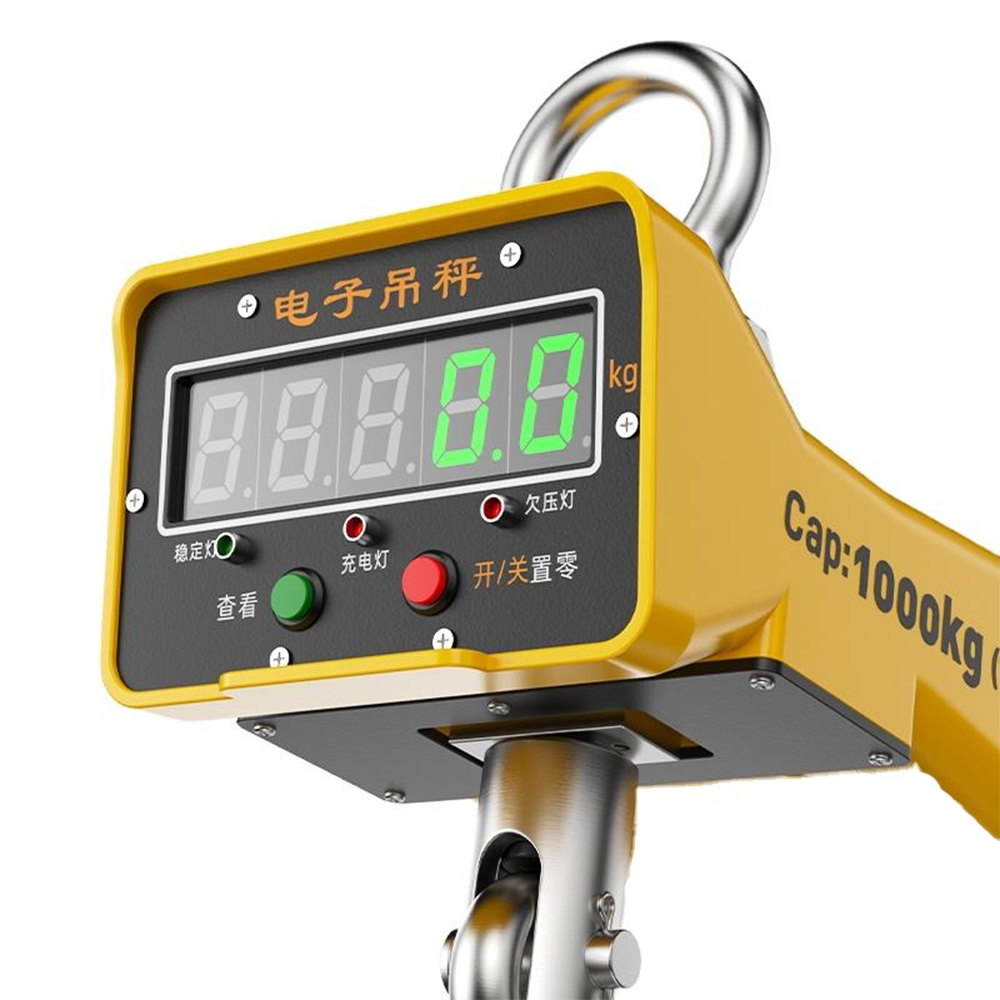
Display Type: Consider whether a  digital or analog display suits your needs better.  Digital displays generally offer clearer readings and often include features like backlighting or remote monitoring capabilities.

Power Source: Some hanging scales operate on batteries, while others may be powered through a direct connection. Evaluate the power options based on  your  installation environment and usage frequency.

Certifications: Ensure that the scales you are considering have relevant certifications, such as CE and RoHS, which indicate  compliance with safety and environmental standards.

Understanding these  specifications can help you match the product to your  application needs, ensuring optimal performance. For instance, if you are looking for precise measurements, consider exploring load cells that provide high accuracy.

Frequently Asked Questions

What capacities do your hanging scales offer?

We provide hanging scales in a range of capacities from low-kg precision models to high-capacity industrial units. Custom capacities are available through our OEM/ODM services to match specific lifting and weighing needs.
Yes. Our hanging scales and sensors carry CE and RoHS certifications, ensuring compliance with relevant safety and environmental standards for industrial and commercial use.
Absolutely. We offer OEM/ODM customization of load cells, force sensors, and wireless dynamometers to fit lifting, weighing, automation, or new energy application requirements.
Yes. We provide wireless dynamometer options and can integrate wireless telemetry for remote monitoring, data logging, and integration with automation systems.
We offer technical support, calibration guidance, and repair services. Calibration certificates and maintenance recommendations are provided to ensure long-term accuracy and reliability.

Get a Free Quote

Our representative will contact you soon.
0/1000