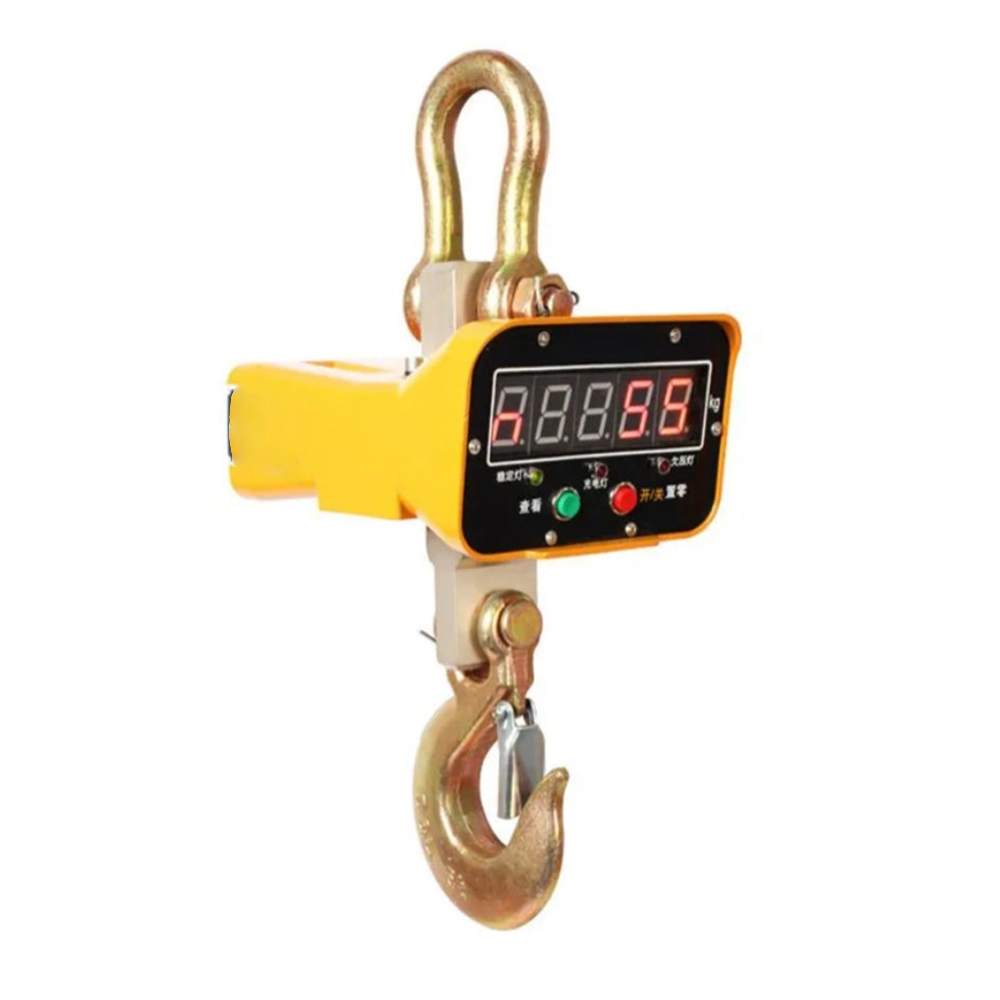
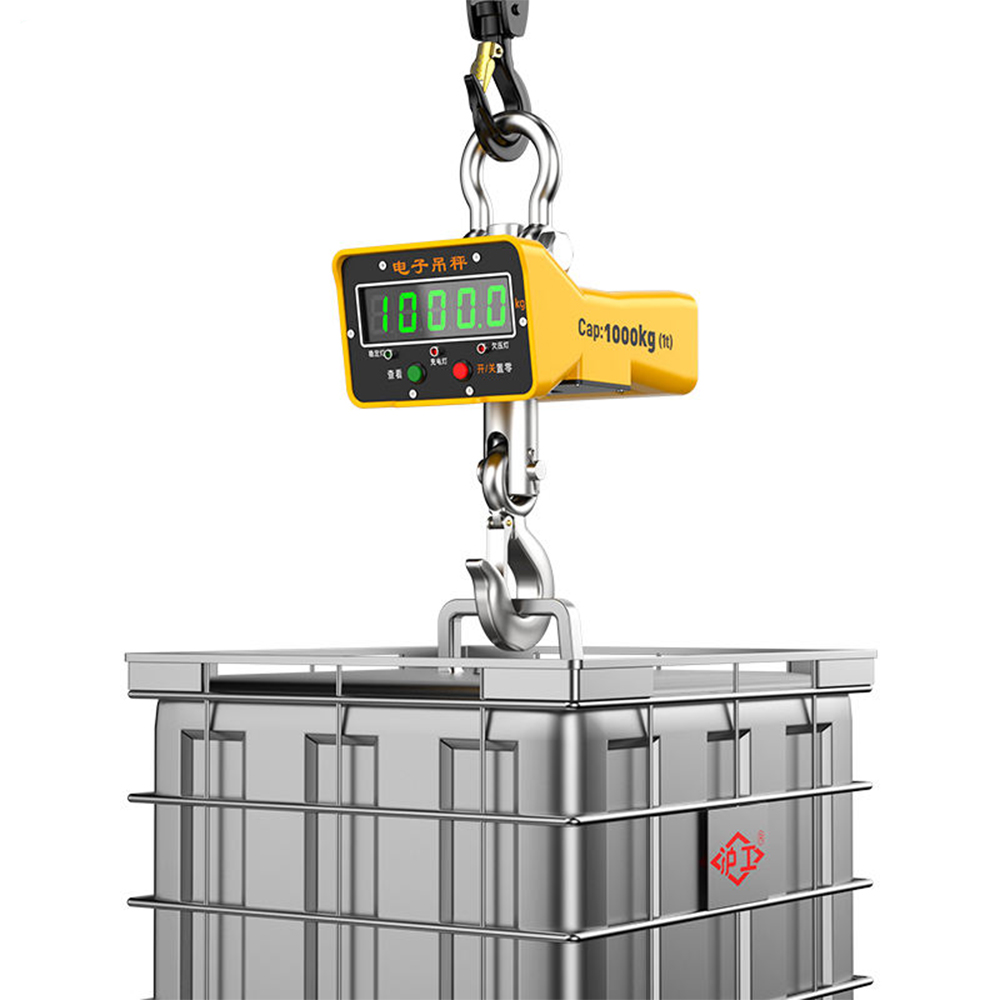
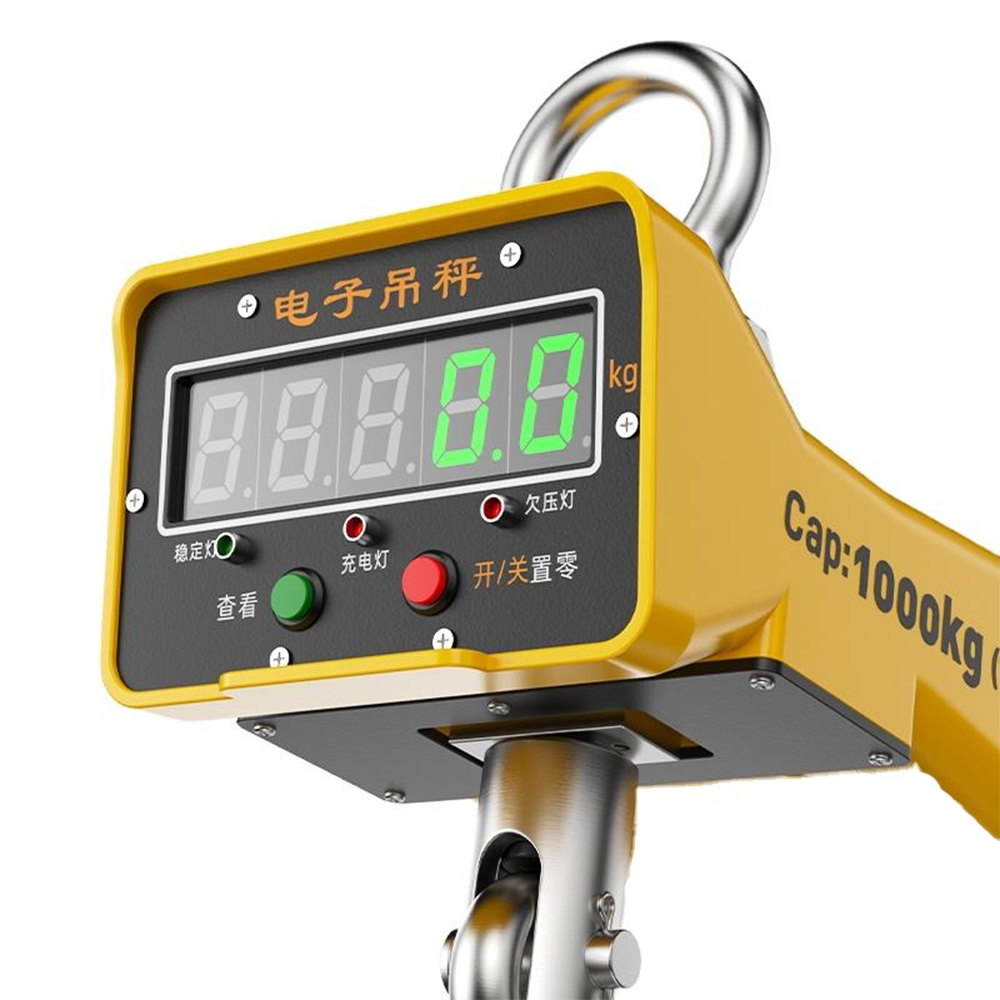
Key Specifications to Consider When Sourcing Hanging Scales
When sourcing hanging scales, several key specifications should be evaluated to ensure the product meets your operational requirements:
Load Capacity: This is the maximum weight the hanging scale can measure. It's crucial to select a scale with a capacity that exceeds your expected maximum load, allowing for safe and accurate measurements.
Accuracy: Look for scales that provide high accuracy, often expressed as a percentage of the full scale. A scale with a higher accuracy rating ensures that small weight changes are detected, which is vital for precise applications.
Material: The construction materials of the scale affect its durability and performance. Scales made from stainless steel or other corrosion-resistant materials are suitable for harsh environments or when weighing items with moisture exposure.
Display Type: Consider whether a digital or analog display suits your needs better. Digital displays generally offer clearer readings and often include features like backlighting or remote monitoring capabilities.
Power Source: Some hanging scales operate on batteries, while others may be powered through a direct connection. Evaluate the power options based on your installation environment and usage frequency.
Certifications: Ensure that the scales you are considering have relevant certifications, such as CE and RoHS, which indicate compliance with safety and environmental standards.
Understanding these specifications can help you match the product to your application needs, ensuring optimal performance. For instance, if you are looking for precise measurements, consider exploring load cells that provide high accuracy.
 EN
EN