Double Shear Beam Load Cells for Precision Measurement

application/double-shear-beam-load-cell, application/double-shear-beam-load-cell, 
Inquiry
Inquiry

double shear beam load cell

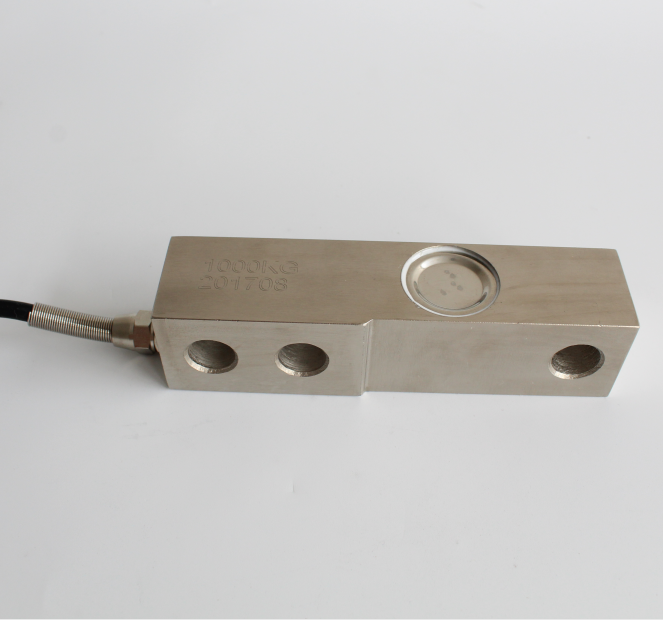
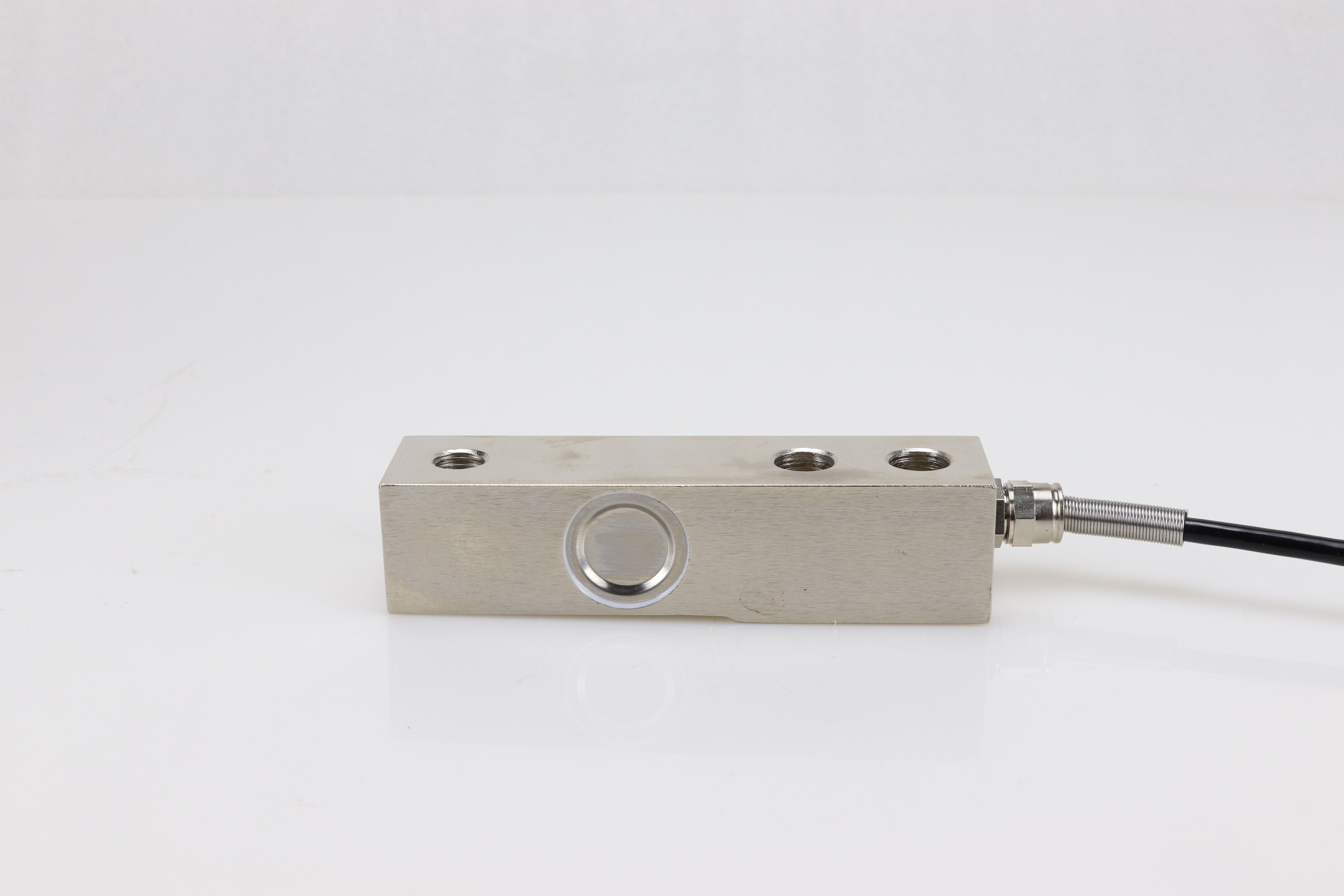
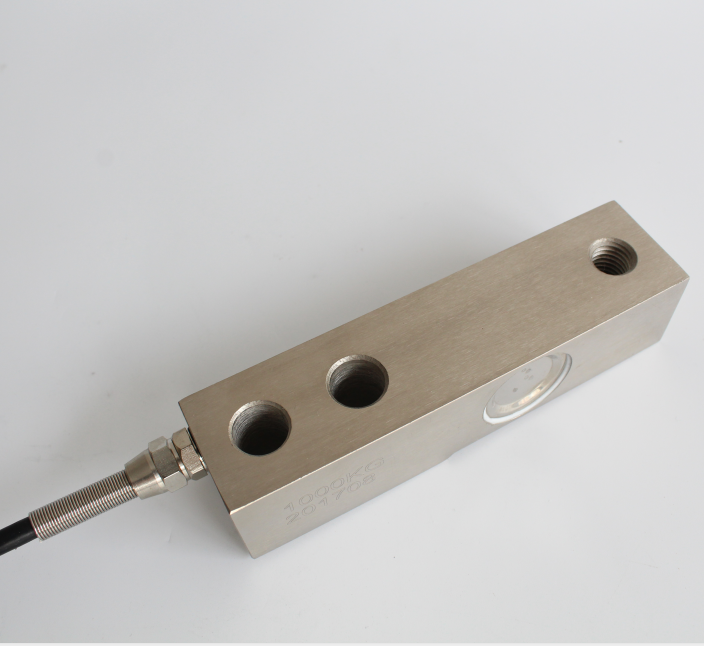
Double shear beam load  cells are  critical  components used in various industrial applications to accurately measure weight or force. These sensors are particularly favored for their high  precision and stability, making  them essential for industries  like manufacturing, automation, and material handling. As  a B2B buyer, you might  be concerned  about product quality, specifications, and supplier reliability. This  article will help  you understand the  key  aspects of double shear beam load cells,  including  how to  find trusted sources, what specifications to  review, pricing considerations for bulk orders,  installation guidance, and their  applications across different industries.

 
Key Specifications to Review

Key Specifications to Review

When selecting double  shear beam load cells, several specifications are crucial to consider:

Load Capacity: This defines the maximum  weight the load cell can handle. It’s  essential  to choose a capacity that exceeds  the  expected load  to  ensure reliability and longevity.

Accuracy and Precision: Look for specifications detailing the load cell's accuracy, often expressed as a percentage  of  full scale. High precision is essential for applications  requiring exact measurements.


Material: The construction material affects durability and performance. Common materials include  aluminum  and stainless steel, with each offering different benefits in terms of corrosion resistance and weight.

Environmental Ratings: Depending on the application, consider the load cell's  IP rating for dust and water resistance. This is particularly important for outdoor or harsh environments.

Output Signal: Familiarize yourself with the type of output signal (analog or digital) your  system requires, as this will affect  compatibility with  your existing equipment.

Each specification plays a critical role in  performance, so it’s advisable to ensure they align closely with your application requirements before making a  purchase.

Understanding Pricing for Bulk Load Cell Orders

Understanding Pricing for Bulk Load Cell Orders

Pricing for double shear beam load  cells can vary based  on several factors, including order volume, customization requirements, and the complexity of the sensor.  Typically,  purchasing in bulk can lead to  significant cost savings, but it’s essential to consider:

Minimum Order Quantity (MOQ): Suppliers often have a minimum order requirement that can affect the unit price.  Understanding this  will help in  planning your procurement strategy.

Customization Costs:  If your application requires  specific features  or  adjustments, be aware that custom load cells may incur additional  costs. Discuss  these needs  upfront  to get accurate pricing.

Shipping and Handling: Factor in logistics  costs, especially for bulk orders, as these can significantly impact the overall price.

Long-Term Value: While the initial price is important, consider the potential long-term value of the load cells, including their lifespan, maintenance needs, and  warranty  terms.

A comprehensive understanding  of these factors will allow you to negotiate better terms and select the most cost-effective solutions for your operational needs.

Installation Guidance for Double Shear Beam Load Cells in Projects

Installation Guidance for Double Shear Beam Load Cells in Projects

Proper installation of double shear beam load cells is  critical for optimal performance.  Here are key steps  and considerations:


Mounting Requirements: Ensure the  load  cell is installed  on a  stable and level surface to avoid  distortion in measurements.  Using appropriate mounting hardware is also  vital to secure the load cell firmly.

Alignment: The load cell should be aligned correctly  to prevent lateral forces that could lead to inaccurate readings. Use a spirit level during installation to confirm proper alignment.

Wiring and Connections: Follow  the manufacturer's wiring diagram to connect the  load cell to your monitoring or control system. Ensure that connections  are secure to avoid signal  loss.

Calibration: After installation, calibrate the load cell as per the manufacturer’s instructions. This step is crucial to ensure accuracy in measurements.


Testing: Conduct tests to verify the installation's integrity and the load cell's functionality. It’s advisable to perform a calibration check after the initial installation and periodically during operation.

By adhering to  these  guidelines, you  can minimize installation issues and ensure reliable performance from your double shear beam load cells.

Applications of Double Shear Beam Load Cells Across Industries

Double shear beam load  cells find  applications in various  sectors due to their versatility and precision. Here are some key industries utilizing these sensors:

Manufacturing: In  manufacturing settings, these  load cells are used for quality control and process automation, ensuring that products meet weight specifications.

Automotive: Load cells are employed in testing applications  within the automotive industry, such as measuring the weight of components and during crash testing.

Food and Beverage: In  this sector, double shear beam load cells play a critical role in batching and filling processes to ensure accurate ingredient measurements.

Construction: Load  cells are used in construction for weighing materials  and monitoring loads on cranes and hoisting equipment to enhance  safety and efficiency.

Logistics: These sensors are essential in logistics for weighing packages and ensuring compliance  with shipping regulations. For example, the integration of a Hanging scale can provide additional versatility in logistics applications.

Understanding the specific applications of double shear  beam load cells  can guide buyers in selecting the right products  tailored to their industry requirements.

In summary, selecting  the right double shear beam load cell involves understanding key specifications, evaluating supplier reliability,  and considering the specific applications and installation requirements. By following these  guidelines, you can make informed  decisions that enhance operational  efficiency and measurement  accuracy in your projects.

Finding Trusted Sources for Load Cells

When sourcing double  shear beam load cells, it's crucial to  partner with reputable manufacturers. Look for suppliers like JIANGXI JINGCE SENSING  TECHNOLOGY CO., LTD., which specializes in high-precision  load cells and  has CE/RoHS certifications. These certifications indicate compliance with international safety and  environmental standards,  thus ensuring product reliability.

To  evaluate potential suppliers, consider their manufacturing capabilities and quality control processes. A  trustworthy  supplier should have a  robust quality management system in place to  ensure consistent product quality.  Additionally, inquire  about  their experience  with OEM/ODM solutions,  which can provide tailored products to meet specific  needs, particularly in  industries  such as lifting, weighing, and automation. For instance, the use of a Load cell is vital in these applications.

Frequently Asked Questions

What is a double shear beam load cell?

A double shear beam load cell is a high-precision sensor designed to measure compressive loads with dual shear points for improved accuracy and reduced bending effects, suitable for industrial weighing and force measurement applications.
It is used in lifting, weighing, automation, and new energy sectors where precise load measurement and durability are required.
Our load cells carry CE and RoHS certifications, ensuring compliance with European safety and hazardous substances standards.
Yes. We provide OEM and ODM services for calibration, mechanical interfaces, electrical outputs, and packaging to meet specific project requirements.
Our double shear beam load cells are built for industrial environments, offering robust construction and protection against dust and moisture; specific IP ratings are available upon request.

Get a Free Quote

Our representative will contact you soon.
0/1000