Choosing the Right Bending Beam Load Cell

application/bending-beam-load-cell, application/bending-beam-load-cell, 
Inquiry
Inquiry

bending beam load cell

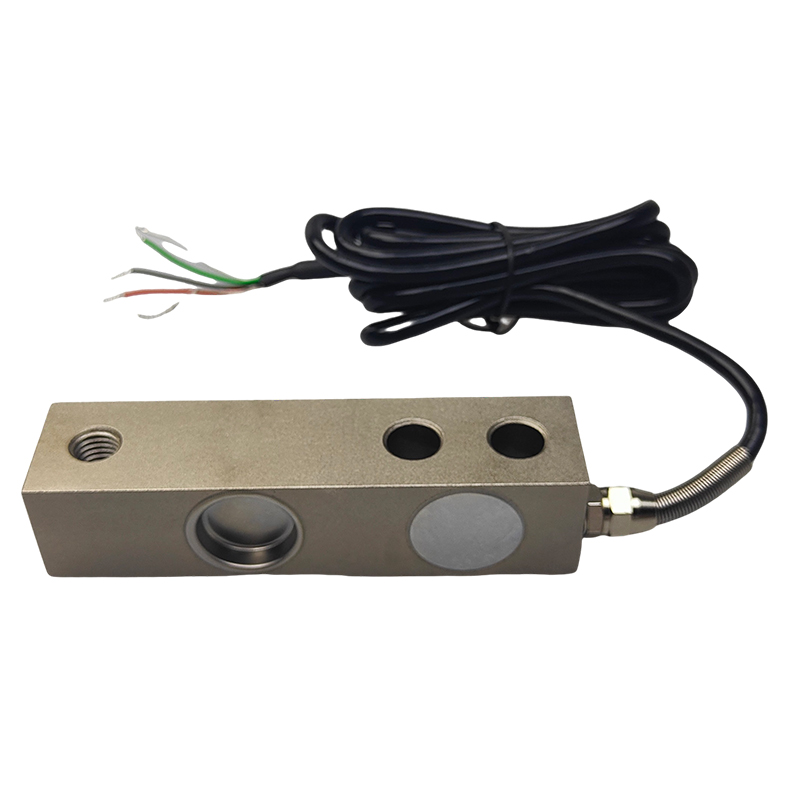
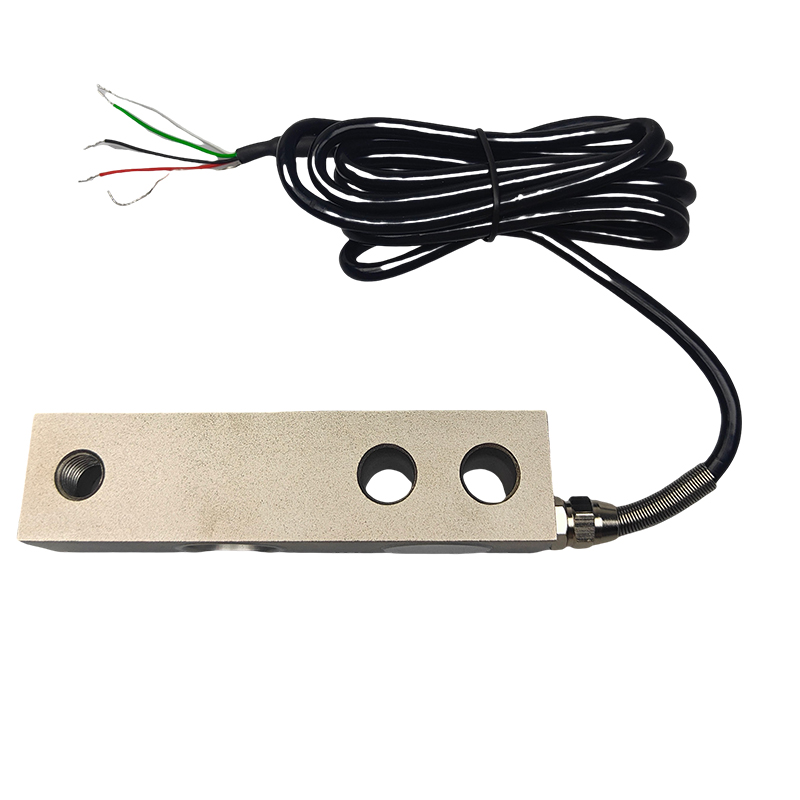
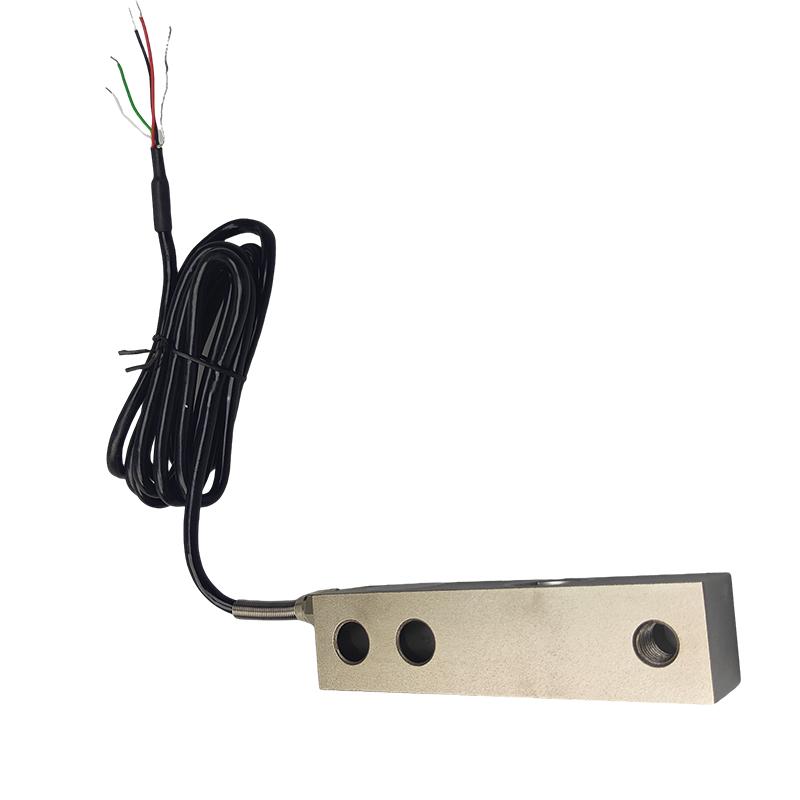
Bending beam load cells are essential  components used in various industrial applications to measure  force and weight with  precision. These sensors are designed to provide  accurate  readings by  converting mechanical stress into an electrical signal.  When selecting a bending beam load cell,  buyers often  have concerns regarding accuracy, compatibility with  existing systems, and overall  product quality. This article will  guide you through choosing  the  right bending  beam load cell, address common challenges  during installation, and  explore  the applications and cost  factors associated with these critical  devices.

Wholesale Purchasing Tips for Bending Beam Load Cells and Suppliers

Wholesale Purchasing Tips for Bending Beam Load Cells and Suppliers

When purchasing bending beam  load  cells in bulk, there are several strategies to ensure a smooth procurement  process:

Supplier  Research: Identify reputable suppliers with  proven track records in  manufacturing high-precision load cells.  Look for customer reviews, industry certifications, and case studies to evaluate their credibility.

Request Samples: Before committing to a large order, request samples to test the load cells in your  specific application. This allows you to verify performance and compatibility.

Discuss Customization Options: If your application has unique requirements, discuss customization options with  the supplier. Many manufacturers, including JIANGXI JINGCE SENSING  TECHNOLOGY CO., LTD., offer OEM/ODM solutions  tailored to specific needs. This can include options like a Customizable PMC Sensors Load Cell Transmitter to meet specific applications.

Check Minimum Order Quantities (MOQ): Different suppliers have  varying MOQs. Ensure that the MOQ aligns with your purchasing plans and budget.

Negotiate Pricing and Terms: Bulk purchasing often provides leverage for negotiating better pricing.  Discuss payment terms, shipping options, and  lead  times to  find the  best deal.

Inspect Quality  Assurance Processes: Inquire about the supplier’s  quality control processes. A reliable supplier should have rigorous testing procedures in place to ensure  consistent quality across their products.

Common Installation Issues with Bending Beam Load Cells and Solutions

Common Installation Issues with Bending Beam Load Cells and Solutions

Proper installation of bending beam load cells  is crucial for achieving accurate measurements. However, several common issues can  arise during installation:

Misalignment: If the load cell is not properly aligned with the  load, it can  lead to inaccurate readings. Ensure that the load cell is installed  in a way that the applied load aligns with its  center of gravity.

Solution: Use  alignment tools and techniques  to ensure proper positioning before securing  the load cell in place.

Overloading: Subjecting a load cell to loads beyond its rated capacity can cause permanent damage.

Solution: Implement load limits in your  system to prevent overloading. Regularly monitor load conditions  to ensure compliance.

Environmental Factors: External factors like temperature fluctuations or moisture can  affect the performance of  load cells.

Solution: Use load cells with appropriate environmental ratings  for your application. Consider adding protective casings  if the load cell will be exposed to harsh conditions.

Electrical  Noise: Electrical interference can affect the signal output from the load  cell.

Solution: Ensure proper grounding of the load  cell  and utilize shielded cables  to minimize interference.

Understanding Cost Factors for Bending Beam Load Cell Orders

Understanding Cost Factors for Bending Beam Load Cell Orders

When planning to  purchase bending beam load cells, various  cost factors should  be considered:

Material Costs: The  choice of materials directly impacts the price. For instance, stainless steel load cells  are generally more  expensive than  aluminum ones due to their enhanced durability.

Manufacturing Complexity: Custom  designs or specialized features will typically increase production costs. Simple designs are generally more cost-effective.

Quantity Ordered:  Bulk  orders often benefit from reduced unit prices. However, consider the balance between your immediate  needs and the cost advantages of larger orders.

Shipping Costs: Factor in the logistics of shipping, including international freight costs if sourcing  from overseas suppliers. This can significantly affect the overall expense.

Testing and Calibration: Some manufacturers  may charge for testing and  calibration services. Ensure to  inquire about these costs upfront to avoid surprises later.

Warranty and Support: Evaluate the  warranty and post-purchase support  offered by  suppliers. A more extended warranty  may come at a premium but can  save costs in the long run if issues arise.

Applications of Bending Beam Load Cells in Various Industries

Bending beam load cells are versatile components used across multiple industries, including:

Manufacturing:  In production  lines, bending beam load cells are employed for  weight measurement and quality control, ensuring products  meet specifications.

Construction: These load  cells  are used in cranes and hoisting systems to monitor load weights, preventing overload conditions that  could lead  to structural failures.

Food and Beverage:  In this industry, precision in measurement is crucial for ingredient mixing and packaging. Load cells  help ensure compliance with regulatory standards.

Medical Devices: Bending  beam load cells are  utilized in various medical applications, including weighing scales for  patients and monitoring systems for  medical equipment.

Transportation: In logistics and shipping, load cells are used for  weighing cargo to ensure compliance with weight limits and improve  load distribution.

By understanding these applications,  buyers can better assess how bending  beam load cells can meet their specific  needs, ensuring  reliable performance in their operations.

How to Choose the Right Bending Beam Load Cell for Your Needs

Selecting the appropriate bending beam load cell involves understanding your specific application requirements.  Key considerations include:

Load Capacity: Determine the  maximum load your application will require. Bending beam  load cells come in various capacities, so it’s crucial to choose one that can handle your needs without exceeding its limits.

Dimensions and Form Factor:  Ensure  the load cell fits within your existing setup. Consider factors such as height, width, and mounting options.  A load cell that doesn't fit  properly can lead  to inaccurate readings or mechanical failure.

Material and Environmental Conditions: The choice of materials affects the load cell's durability and performance. Common materials include aluminum and stainless steel. Consider  the environmental conditions, such as humidity, temperature, and exposure to chemicals, which  may necessitate specific material choices. For instance, using a High Performance 100Nm Static Torque Sensor Load Cell can enhance durability in harsh conditions.

Output Signal Type: Different load cells produce various types of output signals, such as  analog voltage, current,  or digital. Ensure that the load cell’s output  is compatible with your measuring system.

Calibration and Accuracy: Verify  the load cell's  accuracy specifications and ensure it can be calibrated to meet your  operational standards. High precision  is crucial for applications where even minor deviations can lead  to significant issues.

Certifications: Look for load  cells with relevant certifications, such as CE and RoHS,  to ensure they meet industry standards for safety and quality.

Frequently Asked Questions

What is a bending beam load cell?

A bending beam load cell measures force by detecting strain in a beam under bending. It converts load into an electrical signal for precise weighing and force measurement in compact applications.
Our bending beam load cells offer high-precision outputs with capacities from a few kilograms up to several tonnes, customizable per application to meet required accuracy and range.
Typical applications include lifting, weighing systems, automation equipment, and new energy testing where compact, accurate force measurement is needed.
Yes. We offer CE and RoHS compliant units and provide OEM/ODM customization for mounting, capacity, connectors, and calibration to fit your system.
Materials and sealing options support varied environments; proper mounting, overload protection, and wiring ensure accuracy. We can advise on suitable finishes and accessories for your conditions.

Get a Free Quote

Our representative will contact you soon.
0/1000