Key Considerations for Wireless Load Sensors

application/wireless-load-sensor, application/wireless-load-sensor, 
Inquiry
Inquiry

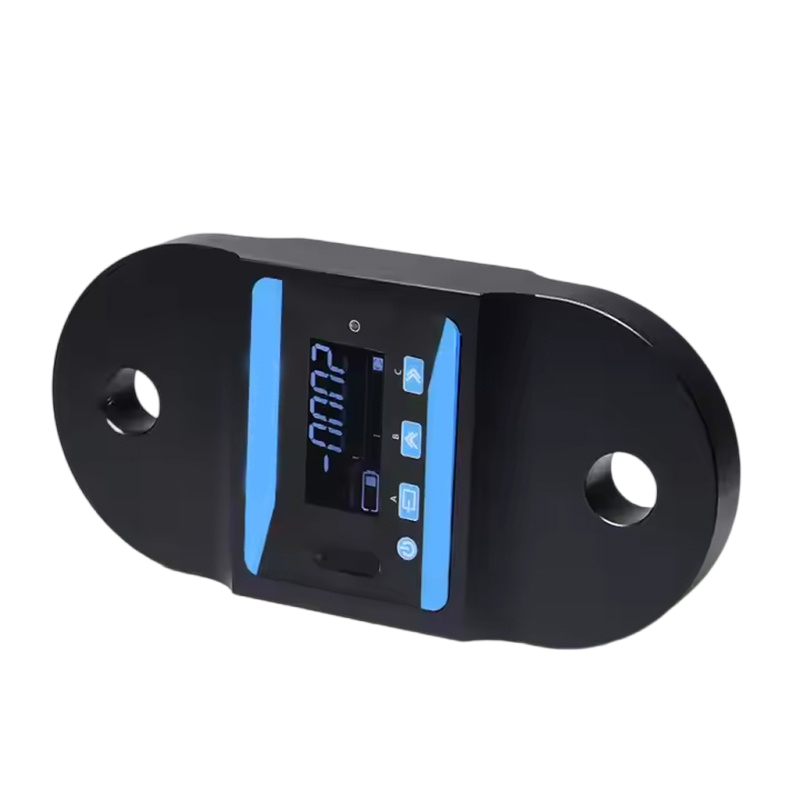
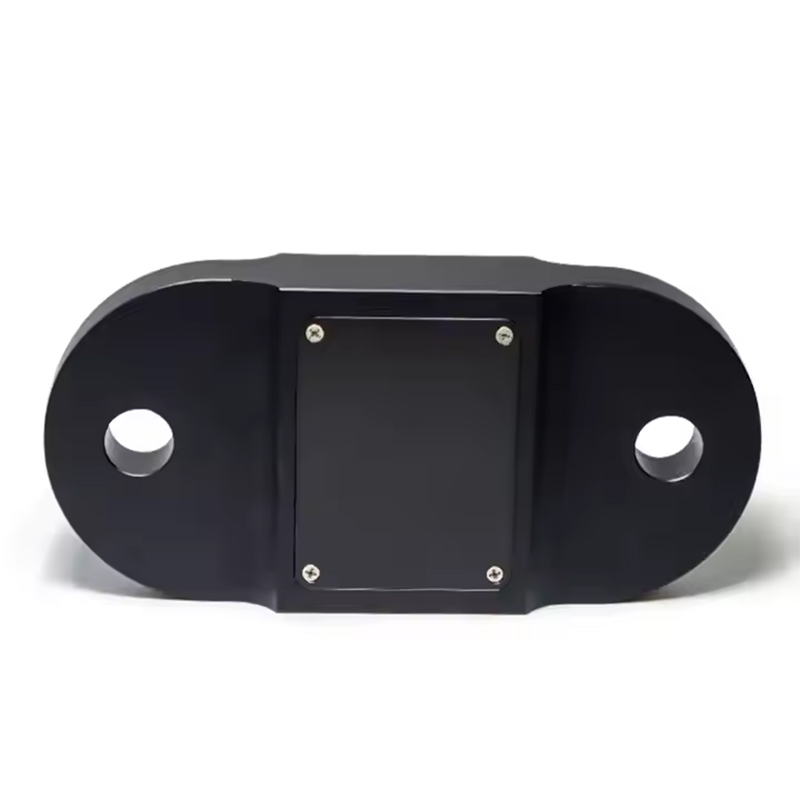
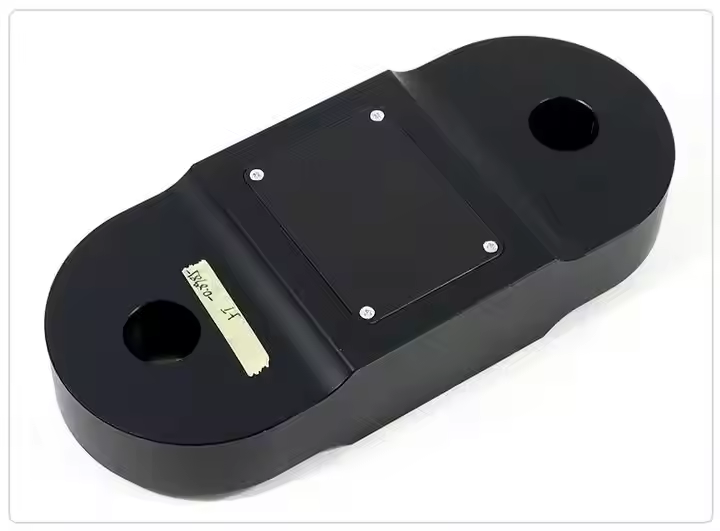
wireless load sensor

Wireless load sensors are essential devices  used  to measure weight or force without the need for physical  connections, providing flexibility  and ease of  use in  various applications. As a B2B  buyer,  you may  be  concerned about selecting  the right  sensor for your specific needs, understanding its capabilities,  and ensuring reliable performance. This article will address key specifications, common issues, cost factors, installation  guidance, and the features and  benefits of wireless  load  sensors, helping  you make informed purchasing  decisions.

 
Common Problems with Wireless Load Sensors and Their Solutions

Common Problems with Wireless Load Sensors and Their Solutions

Wireless load sensors can encounter various problems that may affect their performance.  Here  are some common issues  and their solutions:

Signal Interference: Wireless sensors can be susceptible to interference from other electronic devices. To  mitigate this, place the sensor and receiver away from potential sources of  interference and consider  using frequency-hopping spread  spectrum  technology if available.

Battery Failure: If a sensor stops functioning unexpectedly, it may be  due to battery  depletion. Implement a  routine maintenance  schedule to check  and replace batteries as needed.

Inaccurate Readings: Factors such as incorrect calibration or environmental changes can lead to inaccurate measurements. Regularly  calibrate the  load sensor according to the manufacturer's guidelines and  monitor environmental conditions that may affect readings.

Connectivity Issues: If the sensor fails to communicate with the receiving unit, check for physical obstructions or low battery  levels. Additionally, ensure that  both devices are operating on the same communication protocol.

By  addressing these common problems proactively, you can maintain optimal performance  from your wireless load sensors.

Cost Factors to Consider When Purchasing Wireless Load Sensors

Cost Factors to Consider When Purchasing Wireless Load Sensors

The cost  of wireless load sensors can  vary widely based on several factors.  Understanding these cost factors can help you budget effectively for your purchase:

Specifications: Higher accuracy, greater load capacities, and advanced features typically come at a premium. Determine which specifications are essential for  your  application to avoid unnecessary expenditures.

Customization: If you  require customized solutions, such as specific dimensions or features, be prepared for additional  costs. Discuss your needs with the manufacturer to get a clear understanding of potential price increases.

Quantity: Purchasing sensors in bulk may lead to discounts, so consider  your long-term needs and  whether  placing a larger order could save you money.

Shipping and Handling: Depending  on the supplier's location, shipping  costs can vary significantly. Factor in these costs when comparing suppliers.

After-Sales  Support:  Some manufacturers offer extensive support services and warranties, which may be included in the overall price.  Evaluate the total cost of  ownership, which includes potential support costs.

By being aware of  these  factors, you can make a more  informed decision and potentially  negotiate better pricing with suppliers, especially when considering devices like the Hanging scale.

Installation Guidance for Optimal Performance of Wireless Load Sensors

Installation Guidance for Optimal Performance of Wireless Load Sensors

Proper installation of wireless load sensors is critical for ensuring accurate measurements  and  reliable  operation.  Here are some key installation considerations: 


Mounting: Ensure that the sensor is  mounted securely and at the correct angle for your application. An improper installation can lead to measurement errors or damage  to the sensor.


Calibration: Once installed, calibrate the sensor according to the manufacturer's guidelines. This step is essential for achieving  accurate and consistent readings.

Wireless  Configuration: Set up the wireless communication parameters, ensuring that the sensor and receiver are correctly paired.  Verify that the communication range is adequate for your application.

Environmental Considerations: Ensure that the installation environment is suitable for the sensor's specifications. If the sensor is  exposed to extreme conditions, protective housing may be necessary.

Testing: Conduct initial testing after  installation to confirm that the  sensor is functioning correctly. Check for accurate readings  and ensure that data is being transmitted properly.

Following these installation guidelines  can help you avoid common pitfalls and ensure  that your  wireless load sensors perform  optimally.


Features and Benefits for Buyers

Wireless load sensors  offer several features and benefits that make them an attractive option for various applications:

Flexibility:  The wireless nature of these  sensors  allows for  easy placement in hard-to-reach areas without the constraints of wiring. This flexibility is particularly valuable  in dynamic environments like warehouses or production floors.

Reduced Installation Costs: Since  wireless sensors eliminate the need for extensive wiring, installation costs can be significantly lower, especially  in large-scale operations.

Real-Time Data Transmission: Wireless load sensors provide real-time data that can be crucial for monitoring and decision-making in industries  such as manufacturing and logistics.


Easy Integration: Many wireless load sensors are designed to integrate seamlessly with existing systems, such as data  loggers or automation platforms, enhancing overall operational  efficiency.

Remote Monitoring: With  wireless technology, users can monitor  load measurements from a distance, enabling  better  oversight and quicker response times to issues.

These features make wireless load sensors a valuable investment for businesses looking to enhance their operational efficiency and accuracy in weight measurement applications.

By understanding these aspects of wireless load  sensors, you can make informed  decisions that  align with your operational needs and ensure that you select the right sensor for  your applications.

Key Specifications to Consider When Sourcing Wireless Load Sensors

When sourcing wireless load sensors,  several key specifications should be evaluated to ensure they meet your application's requirements.

Load Capacity: This is the  maximum weight the sensor can  measure. Ensure the  load capacity aligns  with your application  needs, as exceeding this limit  can damage the sensor.

Accuracy:  Look  for specifications regarding the sensor's accuracy, typically expressed as a percentage of full scale. Higher accuracy  is crucial in applications where precise measurements are necessary, such  as in laboratory settings or quality control processes.

Wireless  Range: The effective range within which the sensor can transmit data to its receiver is critical. Consider the distance between your sensor and the receiving unit to avoid communication  failures.

Battery Life: Wireless sensors are often powered by batteries, so it's essential to check the expected battery life under typical usage conditions. Longer battery life reduces maintenance requirements.


Environmental Ratings: Depending on your application, you may need sensors that can withstand harsh conditions, such as extreme temperatures, humidity, or exposure to chemicals. Look for IP ratings  or other  environmental certifications.

Communication Protocols: Understanding the  communication methods supported by the sensor (such as Bluetooth, Wi-Fi, or proprietary protocols) is vital  for compatibility with your existing  systems.

Make  sure to verify these specifications with the manufacturer to ensure they align with your application needs. Additionally, consider looking into Load cell options that may offer enhanced capabilities.

Frequently Asked Questions

What is the wireless load sensor used for?

It measures tension, compression and load wirelessly for lifting, weighing, automation and new energy applications with high precision.
High-precision performance with CE and RoHS compliance. Specific accuracy depends on model; contact us for detailed specs.
Wireless transmission via secure radio protocol to receivers or gateways; supports integration with PLCs, displays and data loggers.
Battery-powered with low-power design. Life varies by sampling rate and model; typical operation lasts weeks to months. Rechargeable or replaceable options available.
Yes. We provide OEM/ODM customization for mechanical, electrical and communication requirements to suit your industry needs.

Get a Free Quote

Our representative will contact you soon.
0/1000