Key Specifications to Consider When Sourcing Wireless Load Sensors
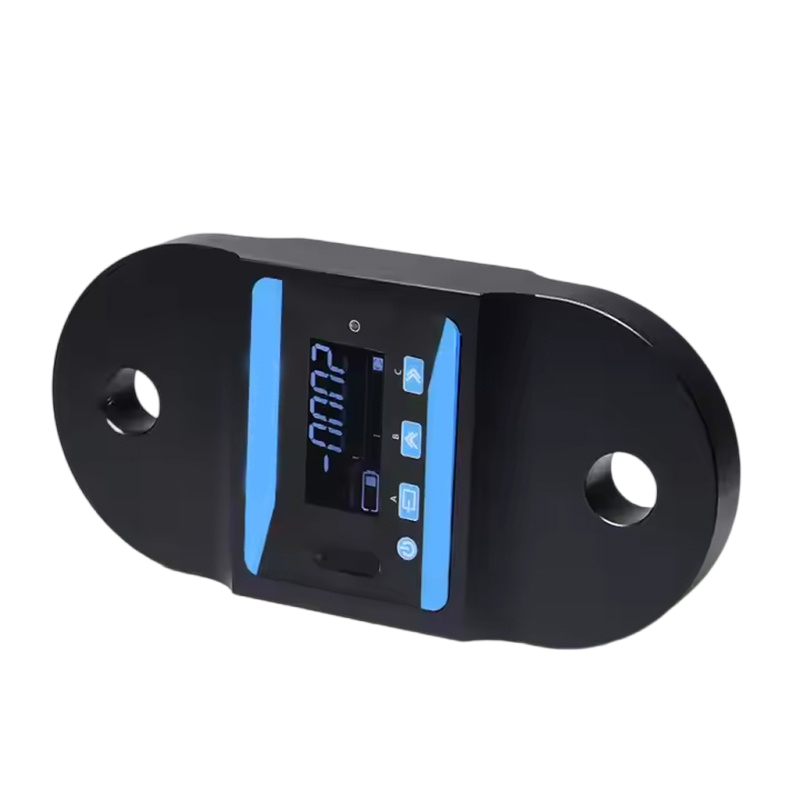
When sourcing wireless load sensors, several key specifications should be evaluated to ensure they meet your application's requirements.
Load Capacity: This is the maximum weight the sensor can measure. Ensure the load capacity aligns with your application needs, as exceeding this limit can damage the sensor.
Accuracy: Look for specifications regarding the sensor's accuracy, typically expressed as a percentage of full scale. Higher accuracy is crucial in applications where precise measurements are necessary, such as in laboratory settings or quality control processes.
Wireless Range: The effective range within which the sensor can transmit data to its receiver is critical. Consider the distance between your sensor and the receiving unit to avoid communication failures.
Battery Life: Wireless sensors are often powered by batteries, so it's essential to check the expected battery life under typical usage conditions. Longer battery life reduces maintenance requirements.
Environmental Ratings: Depending on your application, you may need sensors that can withstand harsh conditions, such as extreme temperatures, humidity, or exposure to chemicals. Look for IP ratings or other environmental certifications.
Communication Protocols: Understanding the communication methods supported by the sensor (such as Bluetooth, Wi-Fi, or proprietary protocols) is vital for compatibility with your existing systems.
Make sure to verify these specifications with the manufacturer to ensure they align with your application needs. Additionally, consider looking into Load cell options that may offer enhanced capabilities.
 EN
EN