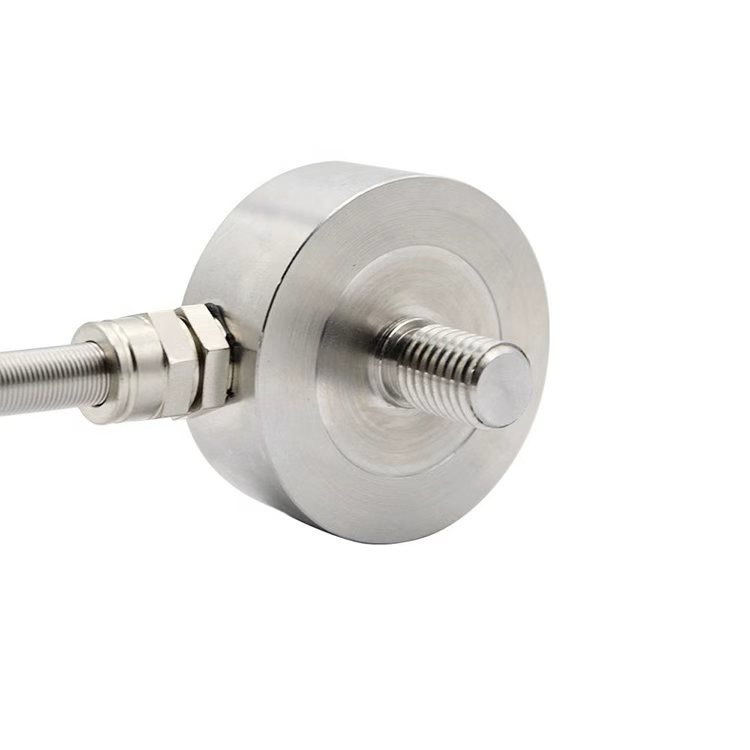
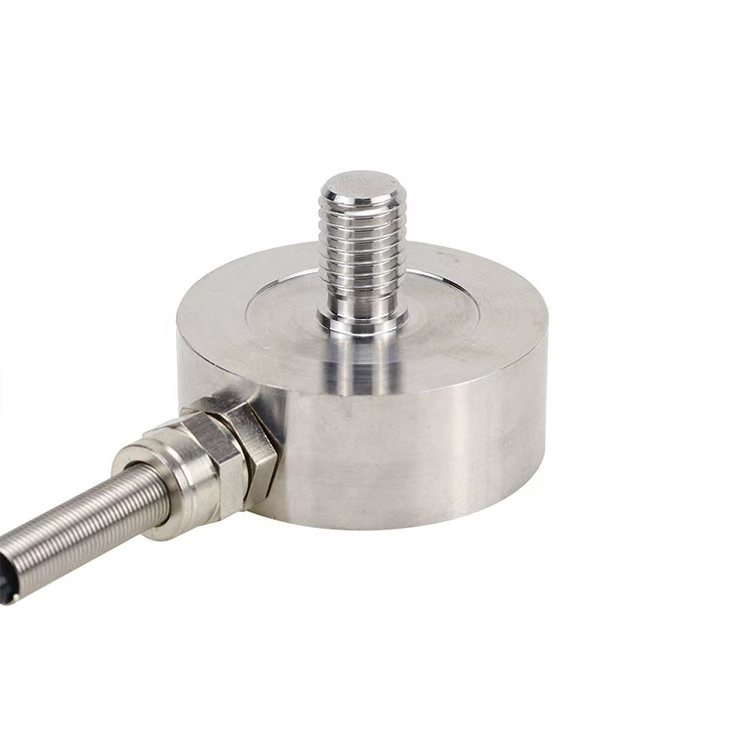
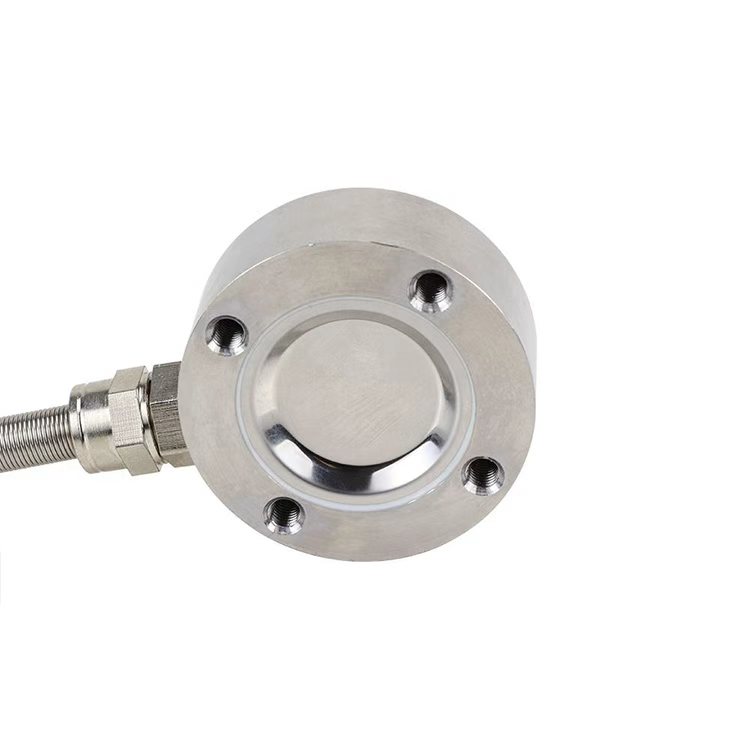
Compare Tensile Load Cell Options to Ensure Optimal Performance
When comparing different tensile load cell options, it's essential to assess not only their specifications but also their performance metrics under actual operating conditions. Here are key factors to consider:
Accuracy and Precision: Look for load cells with published accuracy specifications to understand how they perform under various loads. Testing under real-world conditions is advisable to ensure they meet your requirements.
Durability: Examine the construction quality, including materials and sealing methods. Load cells used in harsh environments should be robust enough to withstand potential damage from factors like moisture, dust, and chemicals.
Response Time: Evaluate how quickly the load cell responds to changes in load. Faster response times can be crucial in dynamic applications where loads can fluctuate rapidly.
Calibration Stability: Investigate how often recalibration is needed and how well the load cell maintains its calibration over time. Load cells with better stability will require less frequent recalibration, which can save time and reduce costs.
Customer Reviews: Research feedback from other users regarding their experiences with specific models. This can provide insight into long-term performance and reliability.
By thoroughly comparing these performance indicators, you can select a tensile load cell that not only meets your specifications but also performs optimally in your application.
 EN
EN