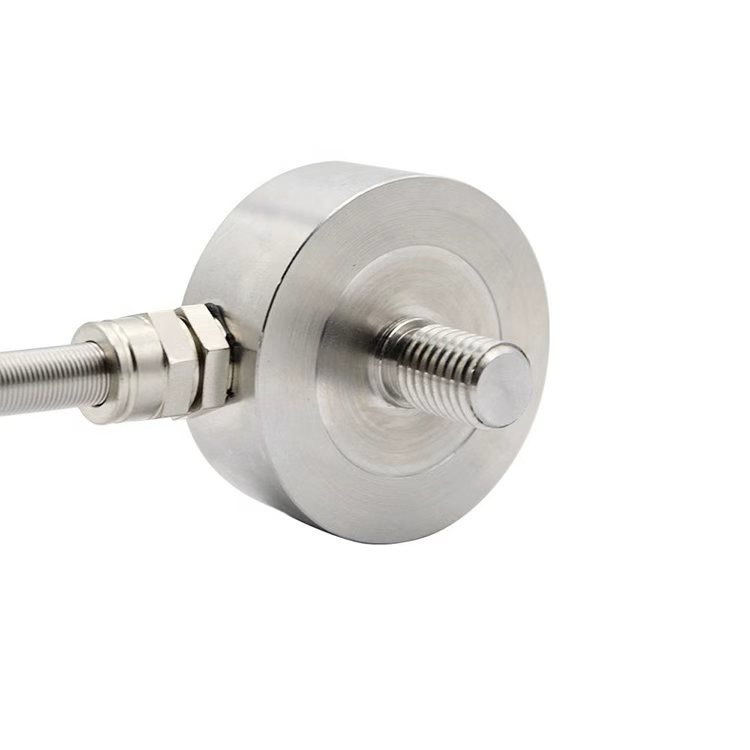
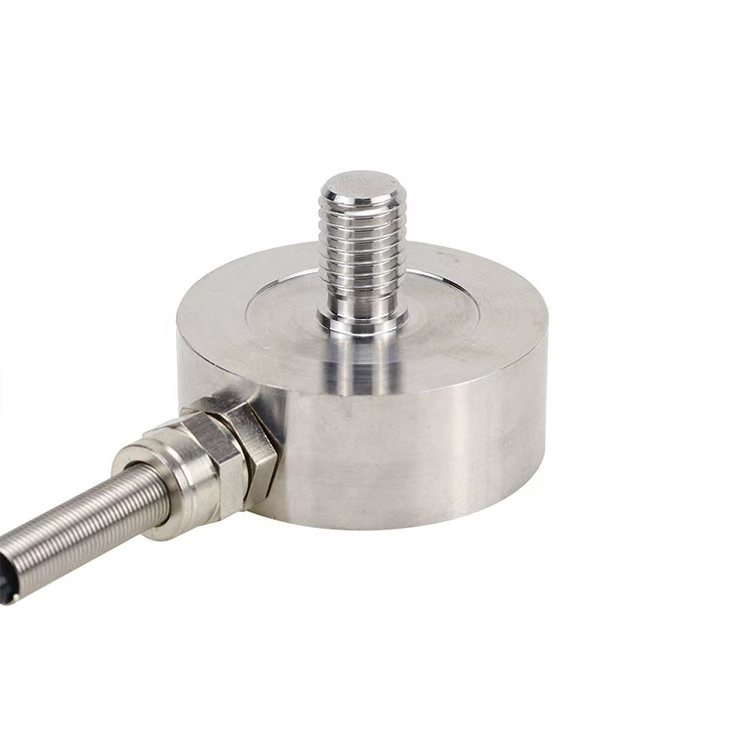
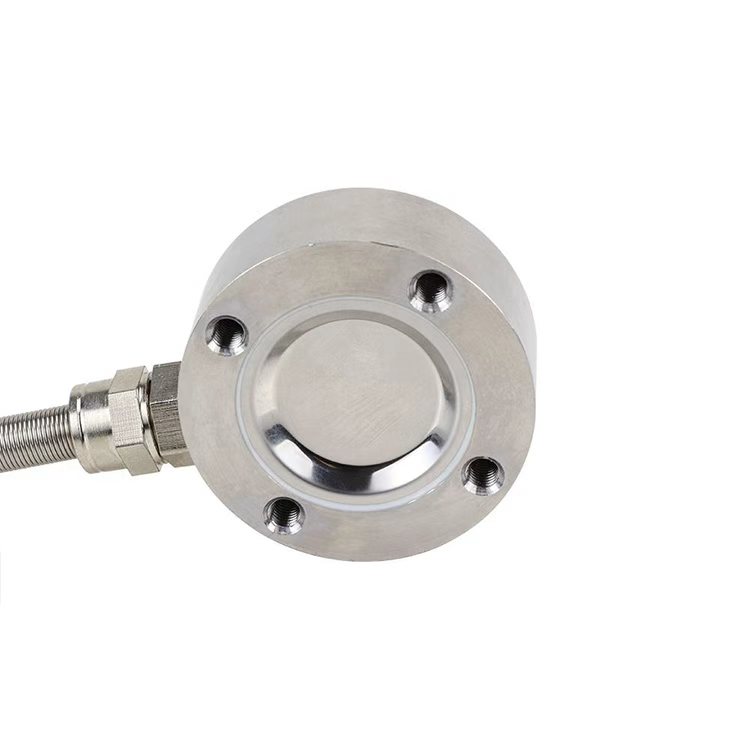
Selecting the Right Tensile Load Cell for Your Needs

application/tensile-load-cell, application/tensile-load-cell, 
Inquiry
Inquiry

tensile load cell

Tensile load cells are essential  devices designed to measure the force  exerted during tension, making them critical in various industrial applications, from lifting and  weighing to  automation  processes. For B2B  buyers, understanding how to select the  right  tensile  load cell  involves navigating  concerns about specifications, quality,  and compatibility with  existing systems. This article will provide insights  on choosing the right  tensile  load cells, the  key  specifications to evaluate for bulk orders, sourcing options,  performance comparisons, and  understanding the cost factors involved in B2B purchases.

Key Specifications to Evaluate in Tensile Load Cells for Bulk Orders

Key Specifications to Evaluate in Tensile Load Cells for Bulk Orders

When placing bulk  orders for tensile load cells, several specifications should be evaluated to ensure they meet the operational demands of your projects:

Capacity: The maximum load the  load cell can handle is critical. Ensure that this value exceeds the  expected load to avoid  overload  and  potential damage.

Sensitivity: This indicates how much output voltage changes  with  a given load. Higher sensitivity  means better precision, essential for applications requiring  accurate measurements.

Material: The material used in the load cell affects its durability and resistance to environmental factors. Stainless steel is  often preferred for  its strength and corrosion resistance in  demanding environments.

Output  Signal: Common output types include  analog (mV/V) and digital interfaces. Choose one that matches your data acquisition system for seamless integration.

Temperature Range: Ensure that the load cell operates effectively within the temperature range of your  application  to avoid  measurement errors.

Calibration: Confirm the calibration methods used by the manufacturer. A well-calibrated load cell will  provide reliable data, which is crucial for maintaining quality control.

By confirming these specifications before purchasing, you can  avoid common pitfalls that may lead to operational inefficiencies or increased costs.

Where to Source High-Quality Tensile Load Cells for Wholesale

Where to Source High-Quality Tensile Load Cells for Wholesale

Sourcing high-quality  tensile load cells involves identifying reliable manufacturers and suppliers. Start by researching  companies  with a strong reputation in the  industry, such as JIANGXI JINGCE SENSING TECHNOLOGY CO., LTD., known for its high-precision load cells and certifications like CE and RoHS.

Consider reaching out to suppliers who offer comprehensive product  catalogs,  including  detailed specifications and application guidance. This transparency can be a good indicator  of the  manufacturer’s expertise and willingness to support their customers.

Another effective approach  is to attend  industry  trade  shows and exhibitions, where you can meet suppliers face-to-face, discuss your  needs, and evaluate product samples.  Online platforms and industry-specific forums can also provide insights into suppliers' reputations and  customer feedback.

Finally, when evaluating potential suppliers, consider their production  capabilities, lead time, and customization options. This  ensures they  can meet  your demands consistently and efficiently.

Compare Tensile Load Cell Options to Ensure Optimal Performance

Compare Tensile Load Cell Options to Ensure Optimal Performance

When comparing different  tensile  load cell options, it's essential to assess not only their specifications but also their performance  metrics under actual operating conditions. Here are key factors to consider:

Accuracy and Precision: Look for load cells with published  accuracy specifications to understand how they perform under various  loads. Testing  under real-world conditions is advisable to ensure they meet your requirements.

Durability: Examine  the construction quality, including materials and sealing methods. Load cells  used in harsh environments should be robust enough to withstand  potential damage from factors like moisture, dust, and chemicals.

Response  Time: Evaluate how quickly the load  cell responds to changes in load. Faster response times can  be crucial in dynamic applications where loads can fluctuate rapidly.

Calibration Stability:  Investigate how often  recalibration is needed and how well the load cell maintains its calibration  over time. Load cells with better stability will require less frequent  recalibration, which can save time and reduce costs.

Customer Reviews: Research feedback from other users regarding their experiences with specific models. This can provide insight into long-term performance  and reliability.

By  thoroughly  comparing these performance indicators, you can select a tensile load cell that not only meets your specifications but also performs optimally in your application.


Understanding the Cost Factors for Tensile Load Cells in B2B Purchases

The cost of tensile load cells can vary significantly based on several factors that buyers should consider:


Specifications and Features: Higher capacity, enhanced sensitivity, and advanced materials typically  increase  the price. Understanding the trade-off between cost and needed features is essential for budget management.

Customization:  Custom solutions may incur additional costs, but they  can provide significant benefits  in performance and fit. Ensure  you evaluate the potential return on investment for customized load cells in your application, such as exploring options like Heavy Duty Wireless Tension Load Cell.


Bulk Discounts: Many manufacturers offer  price breaks for bulk orders. Negotiating with suppliers can lead to  significant savings, especially for large-scale projects.

Shipping and Handling: Consider the logistics involved in purchasing load cells, including shipping costs and  delivery  times. Selecting a local supplier  can reduce shipping expenses  and lead times.

Quality Assurance and Testing: Ensure that the quoted price includes quality assurance processes and testing protocols. Load cells that undergo rigorous testing may carry a higher price  tag but are likely to  be more reliable.

By understanding these factors, you can make informed purchasing decisions  that balance cost with the  quality  and performance required for your applications.


How to Choose the Right Tensile Load Cell for Your Projects

Selecting the correct tensile load  cell requires careful consideration of application requirements. Start by defining the  maximum load your  application will exert and the required accuracy of the measurement.  Load cells come in various configurations, such as single-point, S-beam, and canister types, each suited for specific tasks. If you are looking for some specific options, you might want to explore our Chinese Factory Weighing Compression Tension Junction Box for weighing sensors.


When evaluating options,  consider the environmental conditions the  load cell  will face.  For instance, if the  load cell will be used in a  humid or corrosive environment, selecting a  model with appropriate sealing or  protective coatings is crucial. Furthermore,  assess the compatibility with  existing equipment, ensuring  the load cell’s output signal  aligns with your data acquisition systems.

In addition, consider whether you need a  standard solution or a customized load  cell. Many manufacturers, including JIANGXI JINGCE SENSING TECHNOLOGY CO., LTD., offer OEM/ODM options that can be tailored to meet specific operational needs. This flexibility can enhance performance and reliability in  your application, such as using a Customizable PMC Sensors Load Cell Transmitter.

Frequently Asked Questions

What is a tensile load cell used for?

A tensile load cell measures pulling forces in lifting, testing, weighing, and automation applications to ensure accurate force monitoring and safety.
Our products offer high-precision accuracy and hold CE and RoHS certifications to meet international safety and environmental standards.
Yes. We provide OEM/ODM solutions tailored for capacity, mounting, output, and environmental requirements across industries.
Common industries include lifting equipment, weighing systems, automation, and new energy sectors requiring precise force measurement.
We offer technical support, application guidance, and warranty terms with service for installation, calibration, and maintenance inquiries.

Get a Free Quote

Our representative will contact you soon.
0/1000