Choosing the Right Static Torque Sensor for Your Needs

application/static-torque-sensor, application/static-torque-sensor, 
Inquiry
Inquiry

static torque sensor

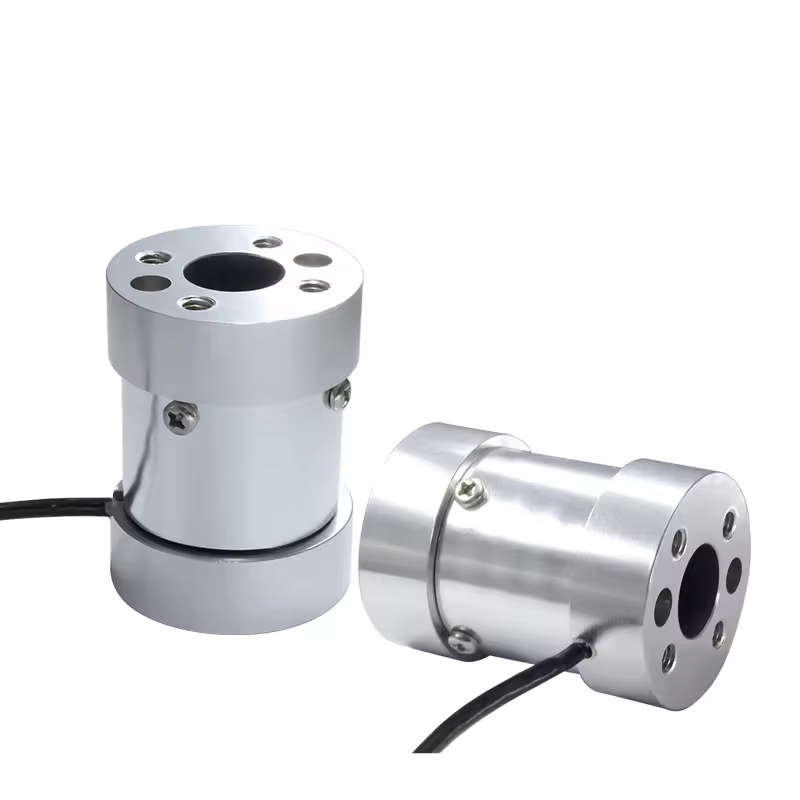
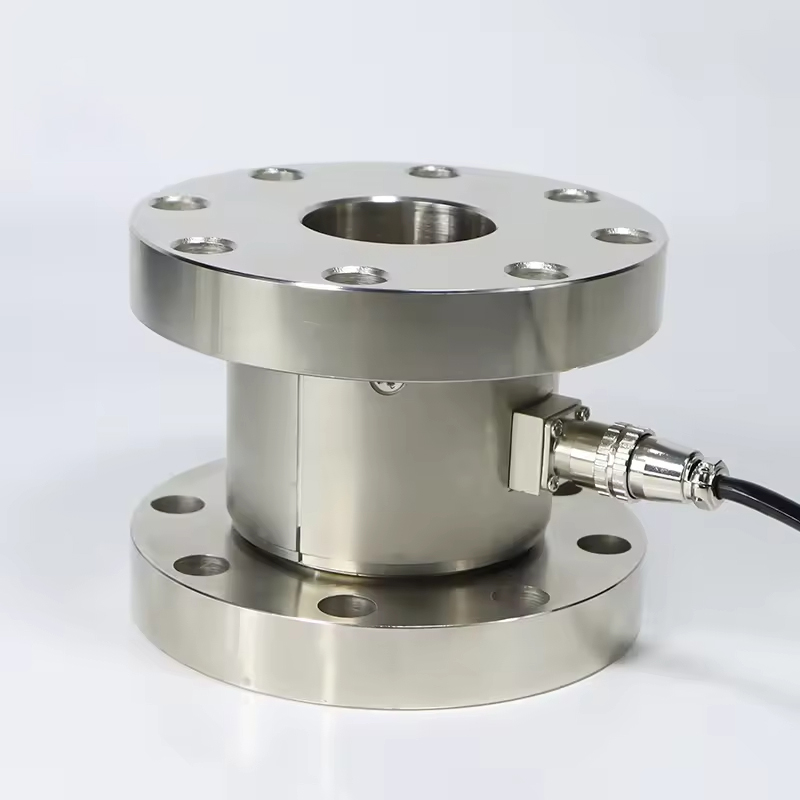
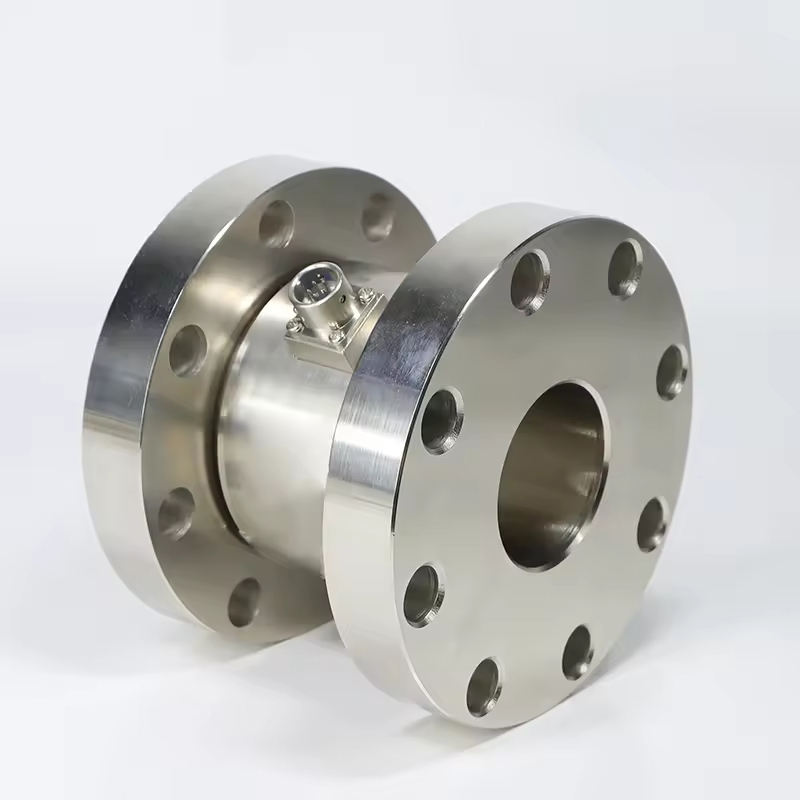
Static  torque  sensors are crucial devices  in various industrial  applications, measuring the  torque applied to  an object  without causing any movement. These  sensors are  essential for ensuring  precision in processes like manufacturing, automotive testing,  and robotics. As a  B2B  buyer, understanding the right specifications, sourcing tips, and installation  practices is  vital for making  informed decisions. This  article will delve into the key  aspects of static  torque sensors, helping you navigate  your purchasing journey effectively.

Key Specifications to Evaluate When Sourcing Static Torque Sensors

Key Specifications to Evaluate When Sourcing Static Torque Sensors

When sourcing  static torque sensors, several key specifications should be evaluated to  ensure optimal performance:

Torque  Range: The operational range must align  with the maximum and minimum torque levels you anticipate in your application. A sensor  that operates  well outside this range may yield inaccurate readings.

Accuracy and Resolution: Look for specifications that indicate  how precisely the sensor  measures torque. A higher resolution allows for more detailed readings, which is essential in applications requiring fine-tuning.

Output  Signal: Understand the  type of  signal the sensor provides (analog, digital, or wireless). This will affect how the  sensor integrates with existing systems, influencing your overall setup and data collection processes.

Response Time: This indicates how  quickly the sensor can deliver readings after torque is applied. Faster response times are critical in applications where conditions change rapidly.

Environmental Compatibility: Assess the  sensor's resilience against factors such as humidity, temperature fluctuations,  and exposure to chemicals. Ensuring the sensor  can withstand these conditions is vital for  long-term reliability.

Evaluating these specifications will help you choose a static torque sensor that  meets your  performance criteria and application demands.

 
Wholesale Buying Tips for Reliable Static Torque Sensors Suppliers

Wholesale Buying Tips for Reliable Static Torque Sensors Suppliers

When looking for wholesale suppliers of static torque sensors, consider the following tips to ensure a reliable partnership:

Research  Supplier Credentials: Verify the supplier's industry experience, certifications, and reputation. Look for suppliers who  offer detailed product descriptions, technical support, and clear warranty policies.

Request Samples: Before placing a large  order, request  samples of the sensors you are  interested in. This allows  you to test  the product  under your specific conditions, ensuring it meets your requirements. For example, testing a Mini Type Rotary Torque Sensor can help assess its performance in your application.

Evaluate Customization Options: A supplier that offers customization can tailor the sensor to your specific needs, whether it's altering dimensions or modifying output signals. This flexibility can be crucial for unique  applications.

Check Lead Times: Understand the expected lead times for production and delivery. Suppliers who  can provide  quick turnaround times without compromising  quality can be  advantageous  for urgent projects.

Assess Minimum Order Quantities (MOQ): Ensure  that the supplier's MOQ  aligns with your purchasing strategy. If you require smaller quantities, look for suppliers who accommodate flexible ordering.

By  following these tips, you  can establish a partnership with a  reliable supplier that meets  your static torque sensor needs.

Installation Guidance for Optimal Performance of Static Torque Sensors

Installation Guidance for Optimal Performance of Static Torque Sensors

Proper installation is critical to the performance of static torque sensors. Here are some essential guidelines to follow:


Mounting Alignment: Ensure that the sensor is installed  in line with the torque application. Misalignment can  lead to inaccurate readings and sensor damage. Use  alignment tools, if available, to secure correct positioning.

Torque Specifications:  Adhere to  the manufacturer's recommended  torque specifications for securing the sensor in place. Over-tightening can damage the sensor, while  under-tightening may result in movement during operation.

Cable Management: Organize and secure any cables  connected to the sensor to prevent  stress or interference. Avoid placing cables near  high-heat sources or moving parts, which  could  lead to wear or signal distortion.


Calibration: After installation, calibrate the sensor according to the manufacturer’s  instructions. Regular calibration ensures ongoing accuracy  and reliability  in measurements.


Testing: Conduct a test run to  verify the sensor's performance under operational conditions. This step helps identify any potential issues before full-scale implementation.

Following these installation practices will maximize the performance and lifespan of your static  torque sensors.

Exploring Applications of Static Torque Sensors in Various Industries

Static torque sensors find applications across multiple industries, showcasing their versatility. Here are  some notable examples:

Manufacturing: In  manufacturing  settings, static torque sensors are crucial for quality control during assembly processes, such as fastening bolts in automotive production. They  ensure that the correct torque is applied, preventing product failures.

Automotive Testing: Automotive engineers utilize static torque sensors to test  components like  drivetrains and clutches, ensuring they meet safety and performance standards. Accurate  torque measurements  enhance vehicle reliability and safety.

Robotics: In  robotics, static torque sensors provide feedback on  joint movements, enabling precise  control of robotic arms and enhancing their operational efficiency. This technology is vital in automated assembly lines.

Aerospace: Aerospace applications require the highest  precision, where static torque sensors are used to monitor  torque in critical components like turbines and engines,  ensuring compliance with rigorous safety standards.

Energy Sector: In renewable energy applications, such as wind turbines, static torque sensors monitor the performance and efficiency of gearboxes and drivetrains, helping to optimize energy output. For example, using a Weighing Sensor Gauge can further enhance energy efficiency in these applications.

Understanding these applications can help buyers appreciate  the importance of selecting the right static torque  sensor for  their specific industry needs.

By following the  insights and guidance , purchasing managers and engineers can make informed decisions when sourcing static torque sensors, ensuring they choose the right products for their applications and  maximize  operational efficiency.

Choosing the Right Static Torque Sensor for Your Application Needs

Selecting the appropriate static torque sensor begins with understanding your specific application requirements. Consider factors such as the torque range, accuracy, and environmental conditions in which the sensor will operate. For example, if your application involves a high  degree of precision, you may  need a sensor with  a lower torque range  and higher  sensitivity.


Furthermore, evaluate the mounting options and material  compatibility. Sensors made from materials like stainless  steel offer durability in harsh environments, while those designed for lighter applications may use aluminum. Identifying  the  sensor's response time is also crucial,  particularly in dynamic environments  where quick  readings  are necessary. Buyers should ensure  that the selected sensor complies  with relevant  industry  standards and  certifications, such as CE or RoHS, to guarantee reliability and safety. For instance, if you are looking for a high-performance solution, consider the High Performance 100Nm Static Torque Sensor Load Cell which is IP65 waterproof and has excellent accuracy.

Frequently Asked Questions

What is a static torque sensor used for?

A static torque sensor measures torque in stationary or slow-moving systems for calibration, assembly, and quality control in lifting, weighing, automation, and new energy applications.
Our sensors provide high-precision measurements and come with CE and RoHS certifications to meet regulatory and quality requirements.
Ideal for lifting equipment testing, load monitoring, automation systems, and new energy research where precise static torque readings are needed.
Yes. We offer OEM and ODM services to tailor sensor specifications, interfaces, and mounting to your application and system requirements.
We supply datasheets, calibration certificates, installation guides, and responsive technical support for integration and maintenance.

Get a Free Quote

Our representative will contact you soon.
0/1000