Exploring Applications of Static Torque Sensors in Various Industries
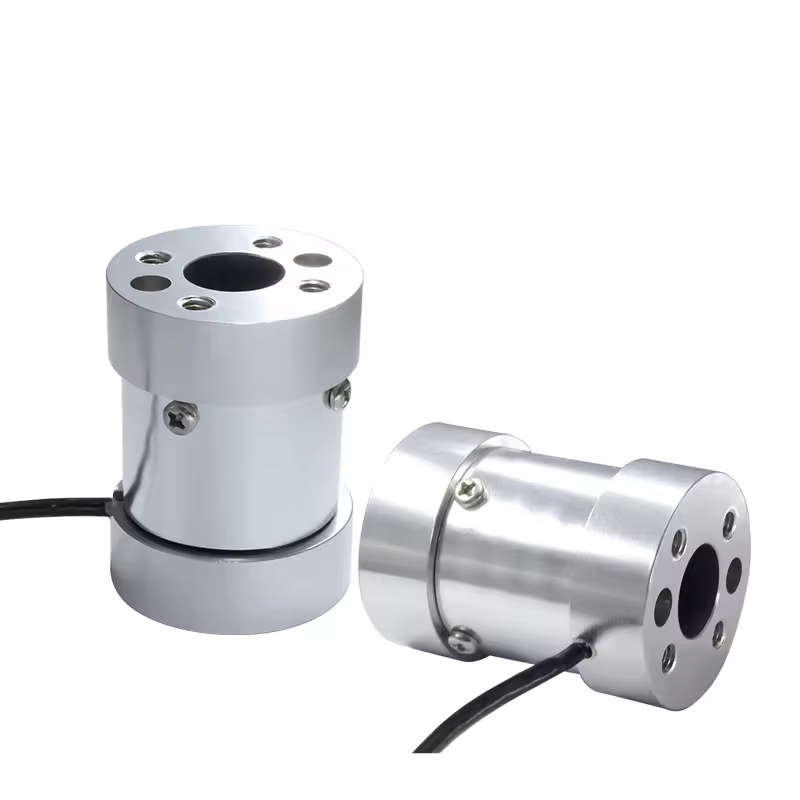
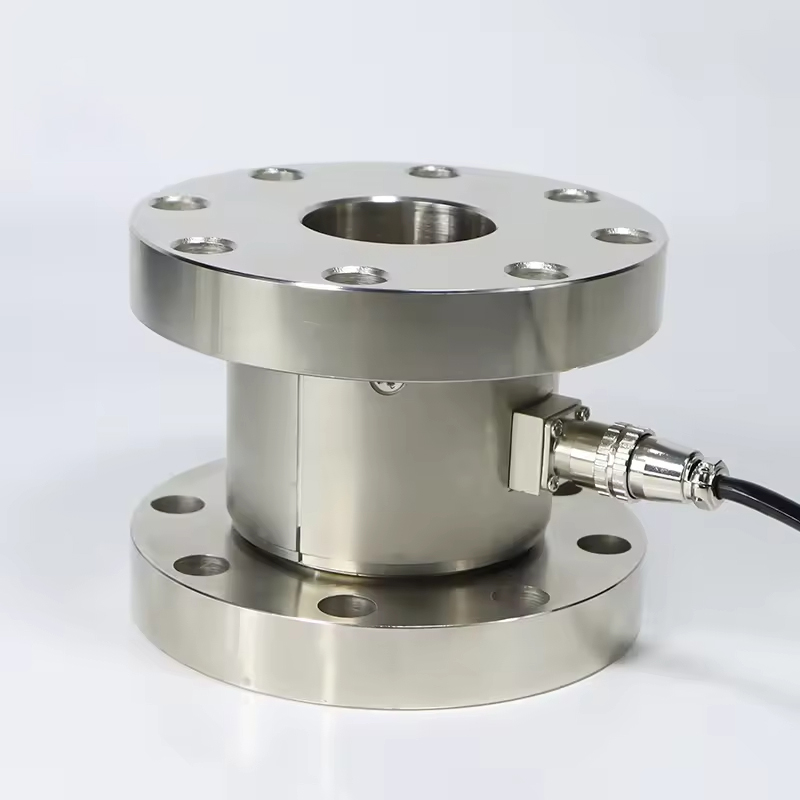
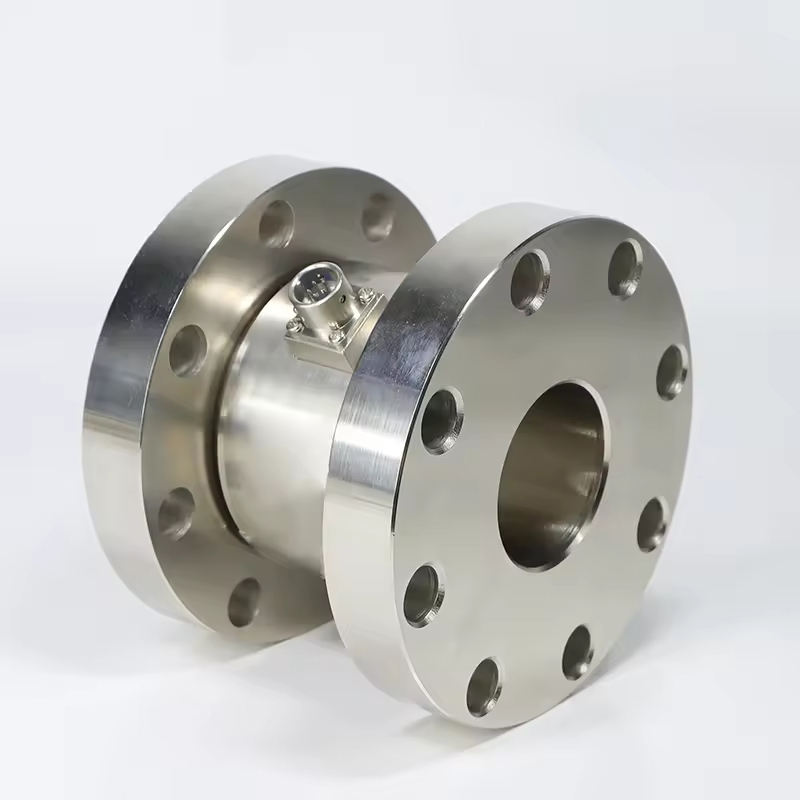
Static torque sensors find applications across multiple industries, showcasing their versatility. Here are some notable examples:
Manufacturing: In manufacturing settings, static torque sensors are crucial for quality control during assembly processes, such as fastening bolts in automotive production. They ensure that the correct torque is applied, preventing product failures.
Automotive Testing: Automotive engineers utilize static torque sensors to test components like drivetrains and clutches, ensuring they meet safety and performance standards. Accurate torque measurements enhance vehicle reliability and safety.
Robotics: In robotics, static torque sensors provide feedback on joint movements, enabling precise control of robotic arms and enhancing their operational efficiency. This technology is vital in automated assembly lines.
Aerospace: Aerospace applications require the highest precision, where static torque sensors are used to monitor torque in critical components like turbines and engines, ensuring compliance with rigorous safety standards.
Energy Sector: In renewable energy applications, such as wind turbines, static torque sensors monitor the performance and efficiency of gearboxes and drivetrains, helping to optimize energy output. For example, using a Weighing Sensor Gauge can further enhance energy efficiency in these applications.
Understanding these applications can help buyers appreciate the importance of selecting the right static torque sensor for their specific industry needs.
By following the insights and guidance , purchasing managers and engineers can make informed decisions when sourcing static torque sensors, ensuring they choose the right products for their applications and maximize operational efficiency.
 EN
EN