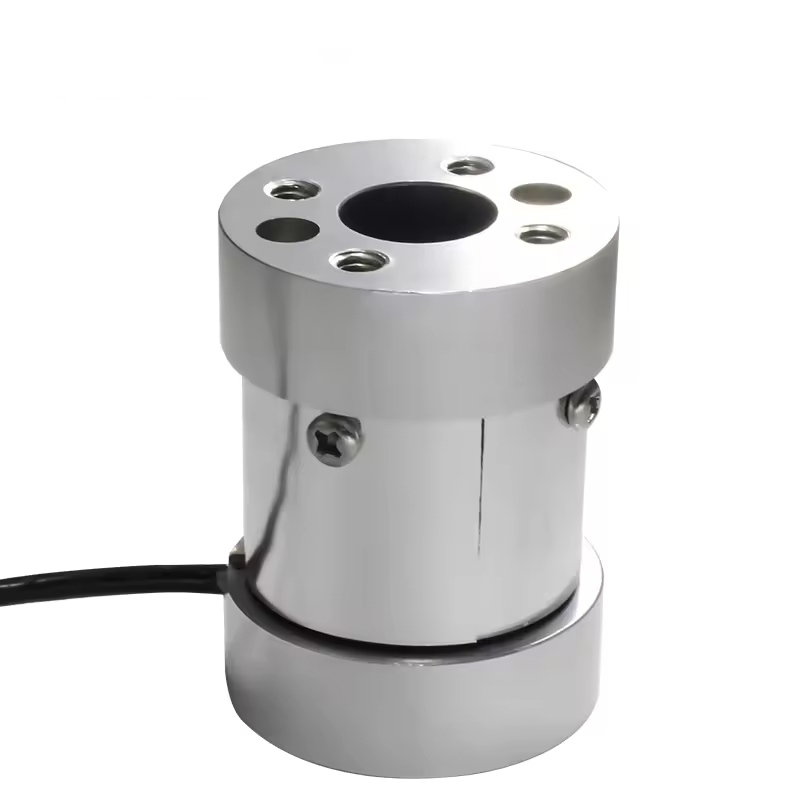
Choosing the Right Static Torque Transducer

application/static-torque-transducer, application/static-torque-transducer, 
Inquiry
Inquiry

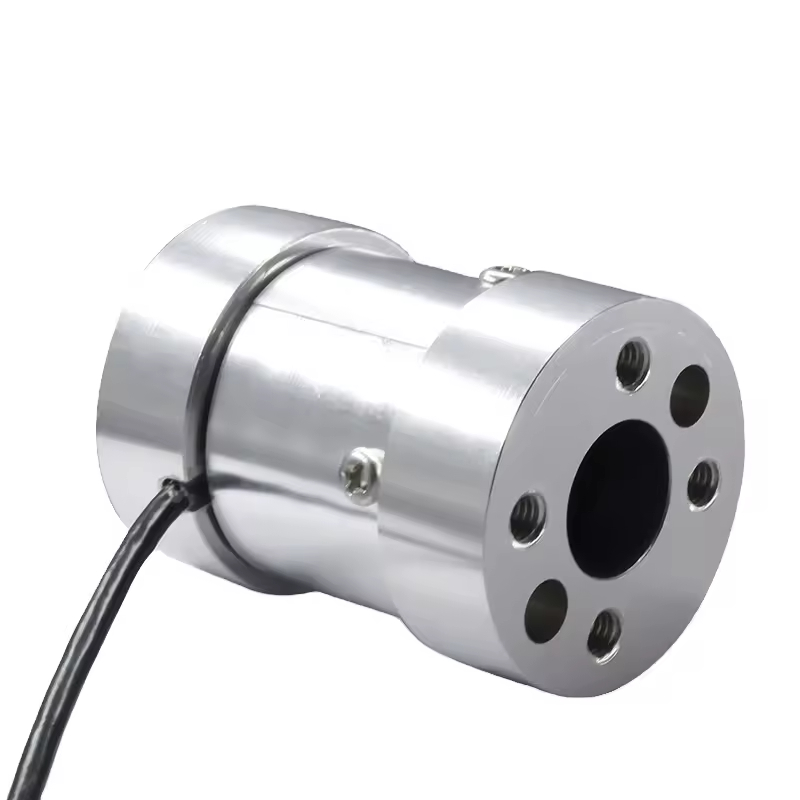
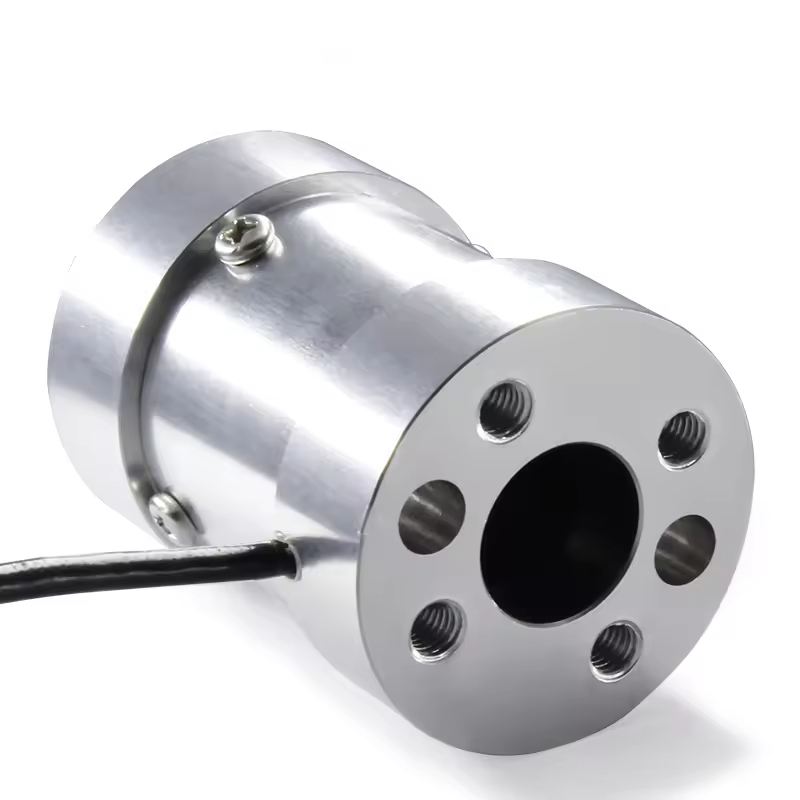
static torque transducer

Static torque transducers are essential devices used  to  measure the torque applied to  a rotating object. These instruments play  a critical role in  various industries, including manufacturing, automotive, and aerospace,  where accurate torque measurements  are vital  for ensuring  safety, performance,  and  compliance with standards.  Understanding the right type of static torque transducer  for your needs can be  challenging, especially when considering factors like  performance specifications, application suitability,  and potential customization options. This article will guide you through the key considerations  for selecting  the right static torque transducer, helping  you make informed purchasing decisions.

 
Key Specifications to Consider When Sourcing a Static Torque Transducer

Key Specifications to Consider When Sourcing a Static Torque Transducer

When sourcing a  static torque transducer,  several specifications are vital:

Torque Range: Ensure the  transducer  can measure the  expected range of torque for your application. A  transducer should ideally operate within 30-70% of its full scale for optimal accuracy.

Sensitivity and  Accuracy: Sensitivity refers to the smallest torque change the transducer can detect, while accuracy indicates how close the measurement is to the actual  torque. Look for  transducers with high sensitivity and low error margins.

Output  Signal: Different  applications  may require different types of output signals. Common options include voltage, current, or digital signals. Confirm that the output type is compatible with your  data acquisition system.

Calibration: Regular calibration is essential  for  maintaining  accuracy.  Ensure that the manufacturer provides calibration services and that the transducer can be easily calibrated in-house or by a  third party.

Mechanical Features:  Consider the transducer's size, weight, and mounting  options. The design should fit seamlessly into your existing setup without requiring extensive modifications.

What to Look for in Torque Transducers

What to Look for in Torque Transducers

To ensure  you select a  high-quality static torque transducer, consider  the following factors:

Material  Construction: The materials used in the transducer's construction can impact its durability and performance. Look for transducers made from high-strength alloys or composites that  can withstand the operational stresses of your application.

Certification and  Compliance: Check for  necessary certifications such as CE or RoHS, which indicate compliance  with safety and  environmental standards. This is particularly important when operating in regulated  industries.

Manufacturer Reputation: Research the manufacturer's background and reputation  in the market. A  reliable supplier, like JIANGXI  JINGCE SENSING  TECHNOLOGY CO., LTD., with experience in high-precision sensors can provide insights  and support.


Customer Support and  Warranty: Evaluate the level  of customer support provided by the manufacturer, including warranty terms and service options. A strong  warranty can provide peace of mind  regarding product reliability.

Applications of Static Torque Transducers in Various Industries

Applications of Static Torque Transducers in Various Industries

Static torque transducers find applications across a wide range of  industries:

Manufacturing: Used  for quality control  and to ensure assembly  accuracy, static torque transducers help monitor the torque applied during the assembly of mechanical components, thus preventing over-tightening or under-tightening.

Automotive:  In the automotive sector, these transducers are employed to  test and validate the torque settings on  critical components  such as  wheel bolts and engine assemblies, ensuring vehicle safety and performance.

Aerospace: Aerospace applications  require precise  torque measurements for  critical components, such  as  fasteners  in aircraft assemblies. Static  torque  transducers ensure compliance with stringent safety standards.

Energy and Utilities: In renewable energy  applications, such as  wind turbines, static torque transducers are  used to monitor and control the torque during assembly and operation, enhancing efficiency and safety. Additionally, options like High Performance 100Nm Static Torque Sensor can be beneficial in these settings.

Key Features and Benefits

Choosing the right  static torque transducer can offer several key benefits:

Enhanced Accuracy:  High-precision torque  measurements help in maintaining product quality and safety standards, reducing the risk  of failure  in  critical  applications.

Improved Efficiency: By ensuring the correct torque is applied, manufacturers  can prevent costly rework, minimize material waste, and enhance overall operational efficiency.

Versatile Applications: Static torque transducers are adaptable to various applications  and industries, making them a versatile choice for manufacturers looking to integrate measurement solutions.

Customization Capabilities: Many manufacturers,  including JIANGXI JINGCE SENSING TECHNOLOGY CO., LTD., offer OEM/ODM solutions, allowing buyers to  customize  transducers to meet specific application needs.

selecting the  right static  torque transducer involves careful consideration of  your application requirements, specifications,  and the reputation  of the manufacturer. By understanding these factors, you can  make informed  decisions  that enhance your operational efficiency and product quality.

How to Choose the Right Static Torque Transducer for Your Needs

When  selecting a  static torque transducer, start by assessing your specific application requirements. Consider the range of torque values you will be  working with,  as transducers come in various capacities,  typically measured in Newton-meters (Nm) or pound-feet (lb-ft). It's crucial  to choose a transducer that can handle the maximum torque you anticipate without exceeding its rated capacity,  as overloading can  lead to inaccurate  readings or damage. For a reliable solution, consider options like Heavy Duty Wireless Tension Load Cell.

Next, evaluate  the environmental  factors in  which the transducer will operate. This includes temperature ranges, humidity levels, and potential  exposure  to chemicals or moisture. For instance, if the transducer will be used in a harsh environment, consider models with robust enclosures or  protective coatings.

Additionally, think about the connectivity options  you may need. Many modern static torque transducers offer wireless capabilities, allowing for easier integration  into automated systems.  If your  application requires real-time data monitoring, ensure the transducer has compatible output options, such as  analog, digital, or wireless interfaces.

Frequently Asked Questions

What is a static torque transducer?

A static torque transducer measures torque applied without rotation, converting mechanical torque into an electrical signal for precise monitoring and testing in static conditions.
Our transducers offer high-precision accuracy and come with CE and RoHS certifications to meet international safety and environmental standards.
They serve lifting, weighing, automation, and new energy sectors for calibration, assembly, load monitoring, and quality control applications.
Yes. We provide OEM/ODM customization for specifications, mounting, and output options to integrate with your system requirements.
We supply datasheets, calibration certificates, installation guides, and technical support for setup, maintenance, and troubleshooting.

Get a Free Quote

Our representative will contact you soon.
0/1000