Understanding Force Transducers for Bulk Purchasing

application/force-transducer, application/force-transducer, 
Inquiry
Inquiry

force transducer

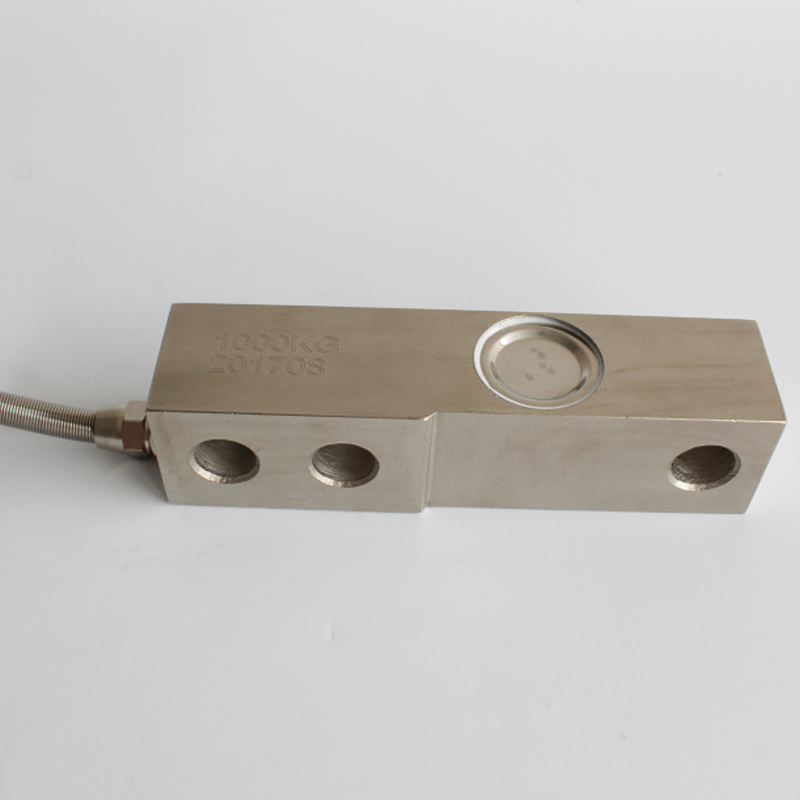
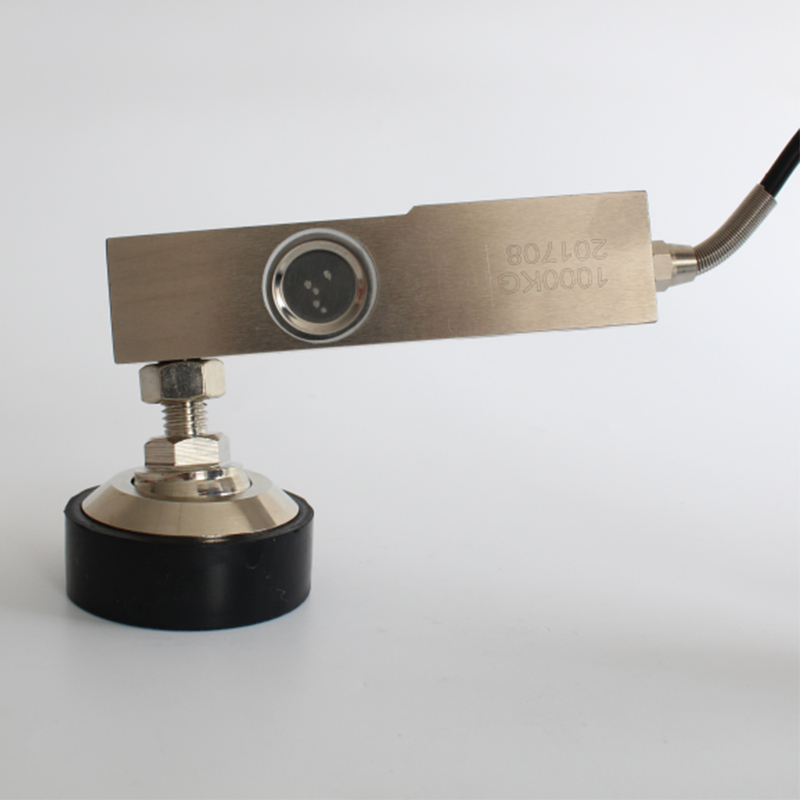
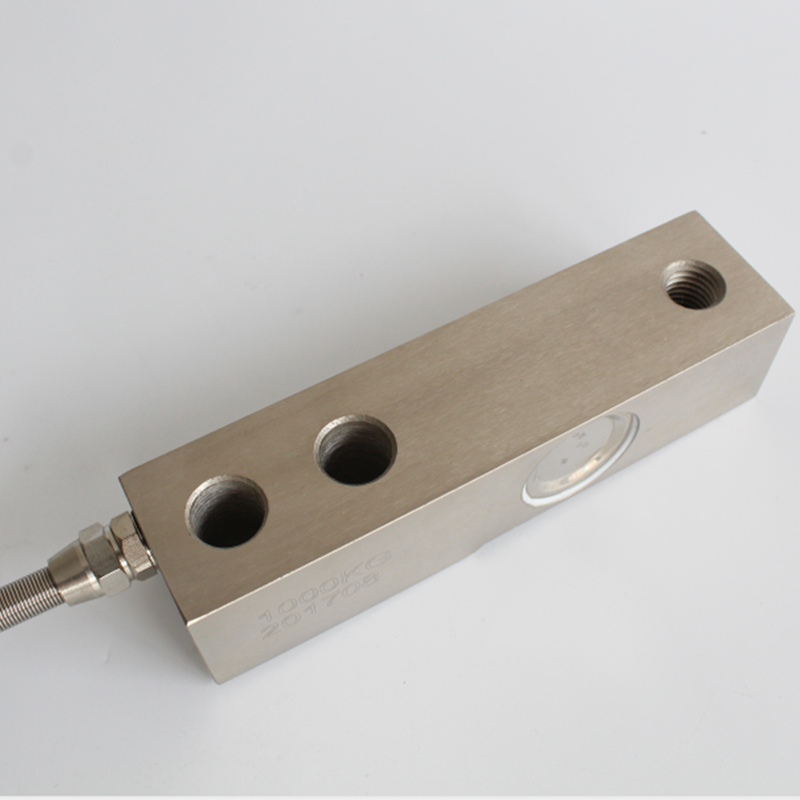
Force  transducers are  critical components in various  industrial applications, measuring force and load  with precision. As a  B2B buyer or purchasing manager, understanding  the intricacies of  force  transducers is essential  for making informed decisions. This guide will explore key  factors  influencing the  cost, quality, and application of force  transducers.  We will address common challenges, provide best  practices, and outline their  diverse applications,  ensuring that you can confidently select  the  right product for your  needs.

Where to Find Quality Force Transducers with Proven Performance

Where to Find Quality Force Transducers with Proven Performance

Finding quality force transducers requires diligent research and evaluation of suppliers.  Start by identifying manufacturers with  a solid reputation in the industry, such as JIANGXI JINGCE SENSING  TECHNOLOGY CO., LTD.,  known for its high-precision load cells and force sensors. Look for suppliers  who  offer a range of products with verifiable performance, as  well as  customer testimonials and case studies that highlight successful implementations in your industry.


It's also important to  consider certifications that indicate adherence to international quality standards. Suppliers with ISO certifications or those who comply  with standards like CE and RoHS demonstrate a commitment to quality and safety. Additionally, ask for detailed product specifications  and performance data to ensure that the force transducers  meet your application requirements.

Trade shows and industry  conferences  can  be excellent venues for evaluating potential  suppliers. Engaging with representatives in person allows for in-depth discussions about capabilities, customization options, and  the latest technological  advancements in force measurement.

 
Common Problems with Force Transducers and Their Practical Solutions

Common Problems with Force Transducers and Their Practical Solutions

Force transducers can encounter various issues  that affect their performance  and reliability. Common problems include inaccurate  measurements, environmental interference,  and mechanical  failure. 

Inaccurate measurements  may stem from improper calibration or installation. It's crucial to perform regular calibration  checks and ensure that installation guidelines are followed meticulously. Providing training for personnel on proper handling and installation techniques can further reduce these risks.


Environmental factors, such as  temperature fluctuations and  humidity, can also impact performance. Selecting force transducers  designed for specific environmental conditions, such as those with enhanced sealing  or temperature compensation features, can mitigate these issues. For example, using an Hanging scale can help in applications where environmental factors are a concern.

Mechanical failure often results  from excessive loading  beyond the  specified limits. Always confirm  the load capacity before installation, and consider integrating overload protection mechanisms to safeguard against  unintended stress.

Lastly, ensure  robust quality control processes,  including pre-shipment inspections and performance testing, to catch potential issues before the product reaches your facility.

Best Practices and Tips

Best Practices and Tips

To  maximize the effectiveness of  your force transducers, follow these best practices:

Define  Clear Specifications: Before purchasing, clearly outline your requirements, including load capacity, operating environment, and desired accuracy. This will help in selecting the  right product.

Request Samples: Always request samples  before committing to  bulk orders. Testing samples under real-world conditions ensures that the product meets  your performance expectations.

Engage with Technical Support: Maintain open communication with your supplier’s  technical team. They can provide valuable insights  into product  features,  installation tips,  and  troubleshooting advice.

Regular Maintenance: Implement a routine maintenance schedule that includes calibration and inspections. This helps maintain accuracy and prolongs  the lifespan of your force transducers.

Document  Everything: Keep detailed records of specifications, testing results, and maintenance activities.  This documentation is beneficial for quality control and  future reference.

By adhering  to these practices, you can ensure that  your force transducers operate efficiently and reliably in demanding  applications.

Applications of Force Transducers in Diverse Industrial Settings

Force transducers are versatile devices  used  across various industries, including  manufacturing, automation, and new energy sectors. In manufacturing, they play a crucial role in quality control processes,  ensuring that products meet specified tolerances during production.

In automation  applications, force transducers monitor and control processes, such as in robotic arms or assembly lines, where precise  load measurement is critical for safety  and efficiency. They provide feedback that helps in adjusting operational  parameters in  real time, enhancing productivity.


The new energy  sector also  benefits from force transducers, particularly in wind and solar energy applications. They are used  to measure loads on turbine  blades and solar panels, ensuring structural integrity and optimizing energy capture.

Understanding these diverse applications can  help you  identify the right force transducer for your specific needs,  enabling you  to enhance operational efficiency  and product quality in your organization.


Understanding the Cost Factors of Force Transducers for Bulk Purchasing

When considering bulk purchases of force transducers, several cost factors come into play. The  primary determinants  include material selection, manufacturing  processes,  and customization requirements. High-quality  materials,  such as  stainless steel or specialized alloys, can elevate costs but are crucial  for durability and  precision in demanding  environments. For instance, the use of a Load cell in your application can greatly enhance measurement accuracy.

Manufacturing capabilities also affect pricing. Advanced production techniques, such as CNC machining and automated quality control, can lead to higher upfront costs but result in  better performance and reliability. It's vital to assess the  total cost of ownership by considering long-term reliability  and potential maintenance costs.

Customization significantly  impacts the final  price.  Custom specifications—such as unique dimensions, specific load  capacities, or specialized  connectors—can  increase the cost per unit. When requesting a quotation, it's  beneficial to provide detailed requirements, including the application environment, expected load ranges, and any necessary certifications such as CE or RoHS that may affect compliance costs.

Frequently Asked Questions

What is a force transducer and its main use?

A force transducer converts mechanical force into an electrical signal for measurement. Our high-precision models are used in lifting, weighing, automation, and new energy applications for accurate load monitoring.
Our force transducers provide high precision and traceable performance. We hold CE and RoHS certifications, ensuring compliance with safety and environmental standards for industrial use.
Yes. We offer OEM and ODM services including custom ranges, mounting, signal output, and special materials to fit specific application requirements in various industries.
Available outputs include analog (mV/V, 0-10V, 4-20mA) and digital interfaces. We can tailor signal conditioning and wireless options for integration into control systems.
Provide load range, mounting constraints, environment, required accuracy, and output type. Our engineering team will recommend suitable models and customization to meet your operational needs.

Get a Free Quote

Our representative will contact you soon.
0/1000