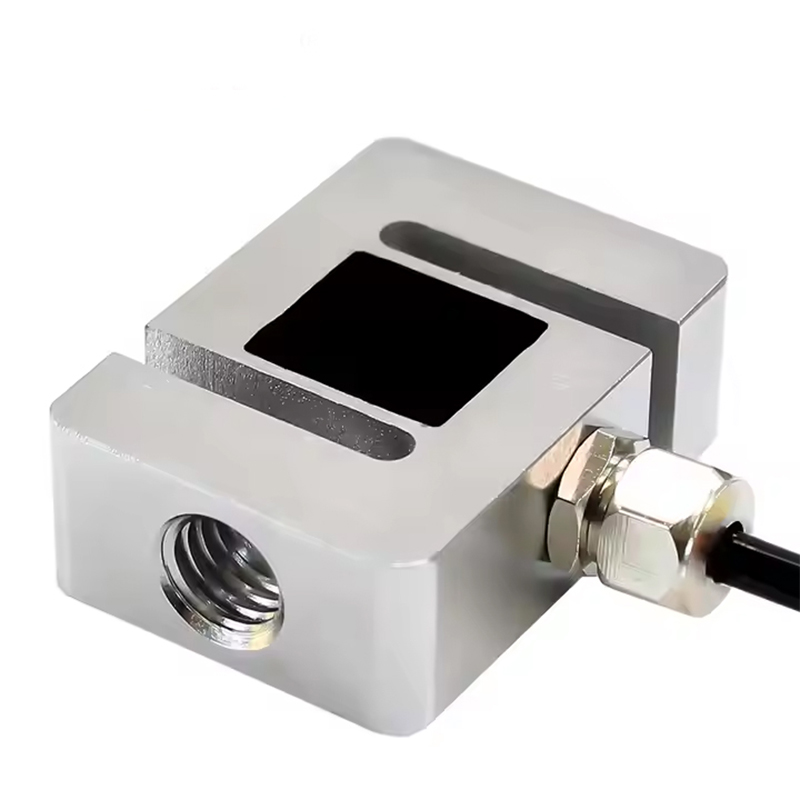
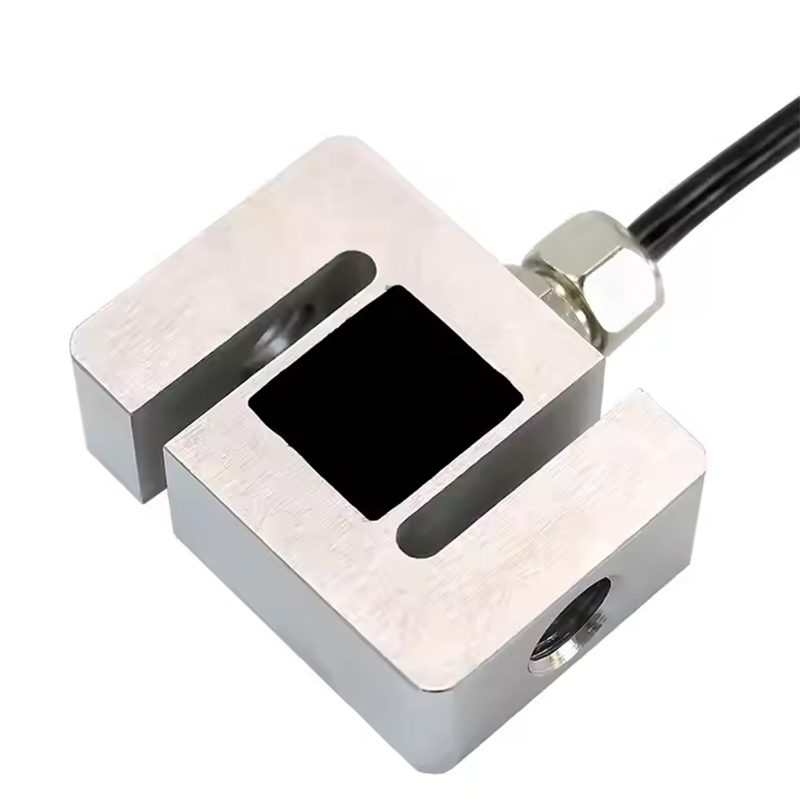
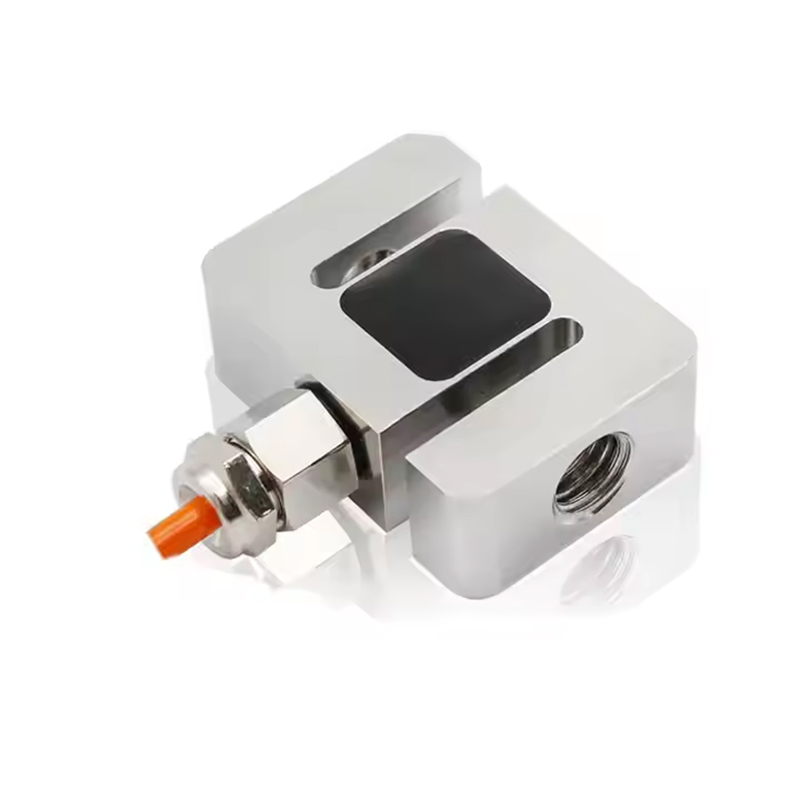
Tension Compression Load Cells: Key Considerations

application/tension-compression-load-cell, application/tension-compression-load-cell, 
Inquiry
Inquiry

tension compression load cell

Understanding tension compression load  cells is crucial  for  industries requiring  precise force measurement, such  as  manufacturing,  automation, and lifting applications. These devices are essential for  accurately weighing loads and  monitoring forces, which is vital for  safety and  efficiency. In this guide, we’ll cover key  specifications to consider when  sourcing these load cells, how to find reliable suppliers, cost factors for bulk  orders,  installation guidelines, and  common issues  that  may arise, allowing purchasing managers  and engineers to make  informed decisions.

Where to Find Reliable Suppliers for Tension Compression Load Cells

Where to Find Reliable Suppliers for Tension Compression Load Cells

Finding a reliable supplier for tension compression load cells involves thorough research and evaluation. Here are key strategies to identify trustworthy manufacturers:

Industry Directories and Trade Shows:  Utilize industry-specific directories and attend trade shows to connect with reputable manufacturers. Events like the Automation  Fair or industry expos  provide opportunities to meet suppliers, evaluate products, and discuss  your specific requirements.

Certifications and Standards: Look for suppliers with recognized certifications such  as ISO  9001 for quality management systems and  CE/RoHS certifications for safety and environmental compliance. Suppliers like JIANGXI JINGCE SENSING  TECHNOLOGY CO., LTD., known for their high-precision  load cells and compliance with international standards,  can be a good choice.

Customer Reviews and Case Studies: Check online reviews and request case studies from potential suppliers. This feedback can provide insights into product performance, reliability,  and customer  service.

Technical Support and Customization Capabilities: Evaluate whether the supplier offers adequate technical support and customization options. A good supplier will help  tailor products to meet your specific application  needs. For instance, consider their Customizable PMC Sensors Load Cell Transmitter.

Sample Requests: Before making a bulk order, request samples of the  load cells. This allows you to assess their performance and compatibility with your  systems.

By  following these strategies,  you can identify a supplier that  meets your quality, reliability, and service  expectations.

Cost Factors for Bulk Orders of Tension Compression Load Cells

Cost Factors for Bulk Orders of Tension Compression Load Cells

When planning for  bulk orders of tension compression load cells, several cost factors come into play:

Volume Discounts: Most manufacturers offer discounts for larger orders. Discuss potential pricing breaks with suppliers based on your anticipated purchase volume.

Material and Manufacturing Process: The choice of materials and the complexity of the manufacturing process  can significantly impact the  price. Stainless steel,  for instance, typically costs more than aluminum. Additionally, custom features or specialized designs will increase the overall cost.

Lead Time and Shipping Costs: Consider the lead time required for production and shipping. Rush orders can incur additional costs, so  it’s beneficial to plan ahead to avoid  premium charges.

Quality Assurance Processes: Suppliers with  stringent quality  control procedures may charge higher prices due to the assurance  of product reliability.  Assess whether the  additional  cost aligns  with your quality requirements.

Warranty and After-Sales Service: Suppliers that offer  robust warranties or after-sales support may have higher upfront costs but can save you money in the long run  by reducing maintenance  and  replacement needs. Consider products like Waterproof Digital LED 6-Number Display Weighing Controller for added assurance.

Understanding  these  cost factors can help you  budget effectively and negotiate better pricing with suppliers.

Installation Guidance for Optimal Performance of Load Cells

Installation Guidance for Optimal Performance of Load Cells

Proper installation of tension compression load cells is  essential to ensure accurate  measurements and prolong the lifespan of the  equipment. Here are  some critical installation guidelines:

Mounting: Follow the manufacturer's guidelines for mounting orientations. Ensure that the load cell is rigidly mounted to prevent movement that can lead to inaccurate readings. The load should be applied in-line with the center  of the load cell to avoid shear forces.

Environmental  Considerations: If the load cell  will be exposed to dust, moisture, or extreme temperatures, ensure that  it is installed in an appropriate housing or enclosure  to protect it  from environmental stressors.

Wiring and Connections: Properly connect wiring to avoid signal interference. Use shielded cables where necessary and ensure that connections  are secure to prevent signal loss.

Calibration:  After installation, calibrate the load cell  according to the manufacturer's instructions.  Regular calibration checks should  be scheduled to maintain accuracy over time.

Testing: Conduct thorough testing post-installation to ensure that the load cell operates accurately under  expected loads. This may include applying  known  weights to verify readings.

Following these guidelines will help achieve optimal performance from  your load  cells and reduce the likelihood of operational issues.

Common Problems with Load Cells and Effective Solutions

Despite  their reliability, tension compression  load cells can experience issues that may affect performance.  Here are some common problems and solutions:

Drift in Readings: This can occur  due to temperature fluctuations or mechanical stress. Regular calibration is  essential to  maintain accuracy.  Implementing temperature compensation techniques can also help mitigate drift.

Signal Noise: Electrical noise can distort readings. Ensure that all wiring  is properly shielded and grounded.  Using differential signal processing can also reduce  noise levels.

Physical Damage: Load cells can suffer  damage from overload or improper installation. Ensure that the load cell is rated for the maximum expected load and that  it is correctly installed to  avoid unintended stress.

Environmental Effects: Exposure to moisture and chemicals can degrade load cell performance. Using load cells with appropriate  IP ratings for the  intended environment and  protective coatings can help prevent damage.

Calibration Issues: Inaccurate readings can arise from improper calibration. Establish a regular calibration schedule  and ensure that personnel are trained  in proper calibration techniques.

By recognizing these common problems and implementing effective solutions,  you can maintain the reliability and accuracy of your tension compression load cells.

Key Specifications to Consider When Sourcing Load Cells Wholesale

When sourcing tension compression load cells, several specifications  are  critical to ensure optimal performance for your application.

Capacity: Load cells come in various capacities, typically ranging from  a few grams to several tons. It's essential to select a load cell that can handle the maximum load of your application  without risk of damage. Under-specifying can lead to  inaccuracies and potential  failure.

Accuracy: This refers to the load cell's ability to measure the applied force correctly. High-precision load cells have an accuracy of ±0.1% or better, which is crucial in applications  where small variations can lead to significant operational issues.

Material: Common materials for load cells include aluminum and  stainless steel. Aluminum load cells  are lighter and more economical but may not provide the durability required in harsh environments. Stainless steel, while heavier, offers better resistance to  environmental factors such as moisture and chemicals. For high-performance applications, consider using High Performance 100Nm Static Torque Sensor Load Cell.

Output Signal: Load cells typically produce either a voltage output (analog) or digital signal. Understanding your system's requirements for signal type will guide your selection to ensure compatibility with existing  equipment.

Dimensions: The physical dimensions of the load cell must fit within your application’s design. Ensure you measure the  installation space accurately and  consider potential mounting  configurations.

Environmental Ratings: If the load cell will be  used in harsh conditions, check for IP ratings  that indicate resistance to dust and water ingress.  Load  cells with higher IP ratings are preferable for outdoor or industrial environments.

By considering these  specifications,  sourcing managers can make informed decisions that align with both operational requirements and budget constraints.

Frequently Asked Questions

What is a tension compression load cell?

A tension compression load cell measures both pulling (tension) and pushing (compression) forces with high precision for lifting, weighing and automation applications.
Our load cells offer high-precision accuracy and come with CE and RoHS certifications to meet industry compliance requirements.
Common industries include lifting equipment, industrial weighing, automation systems, and new energy applications.
Yes. We offer OEM/ODM services and can customize ratings, mounting, electrical outputs, and connectors to meet project needs.
We provide calibration, quality inspection, performance testing, and technical support to ensure each load cell meets specified accuracy and reliability.

Get a Free Quote

Our representative will contact you soon.
0/1000